Understanding ibogaine therapy for Parkinson’s disease management
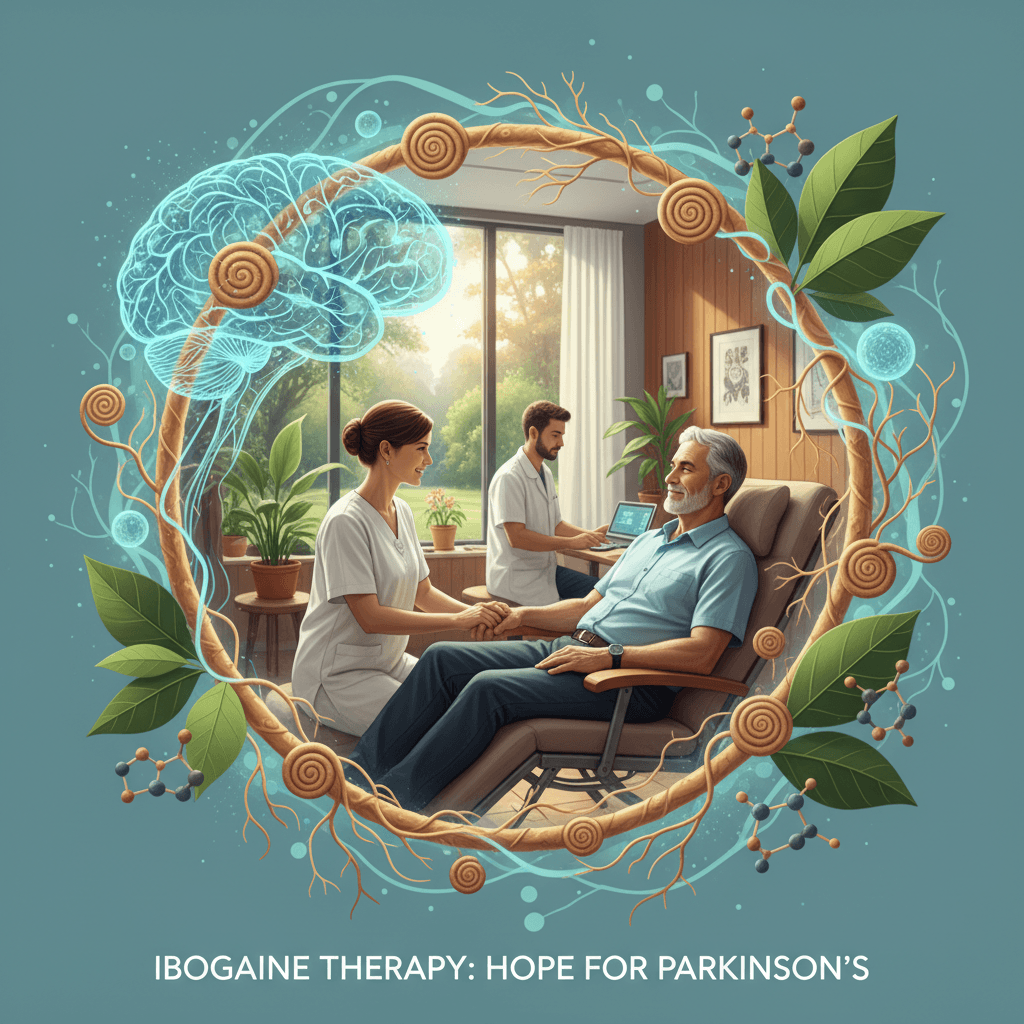
If you are living with Parkinson’s disease, you may reach a point where traditional medications feel less effective. This is often when you begin searching for options that might improve motor symptoms, protect your remaining neurons, or even repair some of the damage that has already occurred. Ibogaine therapy for Parkinson’s disease management is one of the experimental approaches gaining attention for exactly these reasons.
Ibogaine is a naturally occurring psychoactive compound derived from the root bark of the African shrub Tabernanthe iboga. It has a long history of ceremonial use and more recently has been explored for addiction treatment and neurodegenerative conditions. Researchers and clinicians are now asking whether ibogaine could help you manage Parkinson’s symptoms by influencing brain chemistry, neuroplasticity, and dopamine pathways in new ways.
At the same time, ibogaine carries real medical risks, particularly for your heart. Understanding both the potential and the limitations of this therapy is essential before you decide whether to pursue it as an alternative or complementary option to standard care.
How Parkinson’s disease affects your brain
Parkinson’s disease is primarily a disorder of the dopamine system. In a healthy brain, dopamine producing neurons in a region called the substantia nigra send signals to other motor regions to help you initiate smooth, coordinated movement.
In Parkinson’s disease, many of these dopaminergic neurons gradually die. As dopamine levels fall, you may experience:
- Resting tremor
- Muscle rigidity and stiffness
- Slowness of movement (bradykinesia)
- Problems with balance, posture, and gait
Non motor symptoms such as depression, apathy, anxiety, sleep disruption, and cognitive changes are also common. Traditional medications like levodopa replace or mimic dopamine to reduce these symptoms. However, they do not stop the underlying neuron loss and often become less effective or create motor complications over time.
This is why you may be interested in treatments that go beyond symptom control and instead aim to protect or restore dopaminergic neurons. Ibogaine therapy is being discussed in that context.
How ibogaine interacts with the nervous system
Ibogaine has a complex pharmacology. It affects multiple neurotransmitter systems and receptor types throughout your brain. Although research is still emerging, several mechanisms are particularly relevant to Parkinson’s disease.
Modulation of dopamine pathways
Ibogaine and its metabolite, noribogaine, interact with dopamine transporters and receptors that influence dopamine release and reuptake. In addiction research, this effect is thought to help reduce drug cravings. In Parkinson’s disease, the question is whether these same interactions might support more stable dopamine signaling in damaged motor circuits.
Animal and cell studies suggest that ibogaine can indirectly support dopamine producing neurons by increasing neurotrophic factors, which are protective growth supporting proteins. This may be especially important in regions heavily affected by Parkinson’s pathology such as the substantia nigra and related motor areas.
Influence on neuroplasticity and growth factors
One of the most promising aspects of ibogaine therapy for Parkinson’s disease management is its impact on neurotrophic factors like GDNF and BDNF.
In a rat study, a dose of 40 mg per kg of ibogaine significantly increased mRNA levels for Glial Cell Derived Neurotrophic Factor (GDNF) in key dopamine related areas. After 24 hours, GDNF expression rose about 12 fold in the ventral tegmental area and 6 fold in the substantia nigra compared to controls, while a lower 20 mg per kg dose did not show this effect [1].
GDNF is especially important because it helps dopaminergic neurons survive, regenerate damaged processes, and maintain their function. Only the higher ibogaine dose significantly increased mature GDNF protein content, and this occurred specifically in the ventral tegmental area with a two fold rise after 24 hours [1].
Ibogaine also induced large, dose dependent increases in Brain Derived Neurotrophic Factor (BDNF) mRNA across multiple regions, including the nucleus accumbens, prefrontal cortex, ventral tegmental area, and substantia nigra. The increases were dramatic in the nucleus accumbens, about 220 fold at 20 mg per kg and 340 fold at 40 mg per kg, but these mRNA changes did not translate into significant rises in mature BDNF protein within the same timeframe [1].
Both ibogaine doses elevated the precursor form proBDNF protein in the nucleus accumbens, roughly 2.7 to 2.8 fold, which may have different neurobiological effects than mature BDNF and could influence reward and drug seeking behaviors [1].
These findings do not prove clinical benefit for Parkinson’s, but they suggest ibogaine can strongly stimulate gene expression for growth factors that are highly relevant to dopaminergic neuron survival.
NMDA receptor antagonism and excitotoxicity
Ibogaine also acts as an NMDA receptor antagonist. Overactivation of NMDA receptors can lead to excitotoxicity, a process in which neurons are damaged or killed by excessive stimulation. In Parkinson’s disease, this type of overexcitation contributes to motor symptoms and ongoing neuron loss in some circuits.
By partially blocking NMDA receptors, ibogaine may help reduce excitotoxic stress. Clinics offering ibogaine neurological treatment for Parkinson’s argue that this mechanism can lessen muscle rigidity and resting tremors and support the brain’s natural repair capacities [2].
Why some people with Parkinson’s explore ibogaine
When you look into ibogaine therapy for Parkinson’s, you will notice a recurring theme. Many patients are searching for more than incremental symptom relief. They are interested in approaches that may:
- Slow progression or protect remaining dopaminergic neurons
- Enhance neuroplasticity so damaged circuits can reorganize
- Improve both motor and non motor symptoms such as mood, motivation, and cognition
Ibogaine treatment for Parkinson’s disease is often positioned as a neuroregenerative or neurorestorative strategy, not just another symptomatic medication. Clinics and newer programs in various regions highlight several potential benefits.
Possible motor symptom improvements
Observations from ibogaine centers in Tijuana describe a pattern some patients call a motor symptom reset. Individuals reportedly experience improvements in gait, balance, and coordination after treatment. These changes are attributed to sustained GDNF increases and new synaptic growth in areas like the substantia nigra that are heavily affected in Parkinson’s disease [2].
Similarly, a clinical ibogaine program launched by Ambio Life Sciences for neurodegenerative diseases, including Parkinson’s disease, has reported patient improvements in mobility and other motor functions. Some participants have described better movement control and reduced stiffness after the combined in clinic dosing and home microdosing regimen [3].
If you are specifically focused on tremors or movement difficulties, resources such as ibogaine therapy for parkinson’s tremors and ibogaine therapy for parkinson’s motor symptoms explore these aspects in more detail.
Non motor symptom and quality of life effects
Ibogaine interacts with serotonin and sigma 1 receptors, which influences mood, perception, and cognitive processing. Mexican ibogaine clinics report that, in addition to motor relief, patients often notice improvements in depression, fatigue, and cognitive slowing, especially when therapy is combined with counseling or mindfulness practices [2].
The Ambio program similarly notes that some individuals report better non motor symptom control, including reductions in neuropathic pain and even changes in eyesight, although these observations are early and anecdotal [3].
For many people with Parkinson’s disease, even modest gains in energy, mood, and cognition can translate into a significant improvement in daily function and sense of well being.
Neurorestoration in the broader landscape
It can help to place ibogaine alongside other neurorestorative research. For example, D serine, a naturally occurring amino acid, has shown an ability to slow and even reverse Parkinson’s progression in mice. Within less than a month of treatment, dopamine neuron branches regrew and motor function was restored in animal models [4].
In a small clinical trial of 10 patients with Parkinson’s disease, D serine improved psychiatric symptoms, including apathy and depression, and unexpectedly improved motor symptoms as well. Later research linked these changes to neurorestorative effects and rewiring of brain circuits [4].
D serine is considered a neurorestorative agent because it may regenerate function even after significant neuron loss. It is not yet a standard treatment, partly because it is naturally occurring and difficult to patent, which limits commercial funding. Nonprofit groups such as SPARK NS have only recently begun supporting expanded clinical testing [4].
Ibogaine is being discussed in a similar neurorestorative framework. It may increase GDNF and modulate NMDA receptors in ways that encourage circuit repair. However, like D serine, ibogaine is still at an early stage of clinical validation, and its safety profile is more complex.
If you want a broader overview of how ibogaine fits into this landscape, pages such as ibogaine neurological treatment for parkinson’s and ibogaine parkinson’s alternative treatment can help you compare it with other emerging options.
What a medically supervised ibogaine program looks like
If you are considering ibogaine therapy for Parkinson’s disease management, it is essential to understand how structured programs typically operate. There are two primary settings described in current reports: specialized clinics and new clinical programs in other countries.
Treatment models and settings
Ibogaine therapy for Parkinson’s is generally offered through medically supervised residential centers. A typical package involves a 7 to 10 day stay with continuous cardiac monitoring to manage risks such as QT interval prolongation. Costs are commonly reported between 5,500 and 9,000 US dollars, which some families consider competitive with long-term conventional therapies that may not be available or affordable in their home country
Ambio Life Sciences has described a somewhat different structure. Their Parkinson’s program begins with a four day supervised dosing period at the clinic, followed by six months of home administered microdoses. The initial treatment and six month supply cost about 6,050 US dollars according to mid 2025 reports [3].
In both models, close medical supervision during the acute dosing period is considered non negotiable, largely because of the known cardiac and neurological side effects of ibogaine. You should be wary of any provider that does not emphasize continuous monitoring.
Typical supportive components
In addition to ibogaine dosing itself, many programs include:
- Comprehensive health screening and cardiac evaluation before treatment
- Continuous ECG monitoring during and after dosing
- Observation for balance problems and coordination issues
- Psychological support for the intense, often introspective experience
- Post session integration, including counseling or coaching
- Follow up check ins to assess symptom changes
If you are comparing different centers or treatment models, reviewing a dedicated ibogaine parkinson’s treatment program overview can help you understand what to look for in terms of safety protocols and clinical oversight.
Safety risks and medical concerns you must weigh
Ibogaine is not a benign treatment. While many discussions highlight potential benefits, equally serious attention must be paid to the risks. For Parkinson’s disease, where you may already have multiple medications and age related vulnerabilities, these concerns are especially important.
Cardiac effects and QTc prolongation
One of the clearest safety signals comes from a study in the Netherlands that evaluated a single 10 mg per kg oral dose of ibogaine hydrochloride in 14 patients undergoing opioid detoxification. Researchers found a clinically relevant but reversible prolongation of the QTc interval in all participants. Half of them exceeded a QTc of 500 milliseconds, a threshold associated with elevated risk of dangerous arrhythmias, although no torsades de pointes events were observed in this small group [5].
Mild bradycardia and lowered blood pressure were also noted during the first 12 hours after ingestion, and these cardiovascular effects required ongoing monitoring. The study concluded that due to the high variability and prolonged QTc changes, ibogaine therapy should only occur in tightly controlled medical environments with strict cardiac supervision, if it is used at all [5].
Neurological and balance related side effects
All participants in the same study experienced severe, transient cerebellar ataxia, meaning they could not walk without support during the peak effects. This condition resolved fully within 24 to 48 hours, but it underscores the degree of neurological impact ibogaine can have, even in carefully managed settings [5].
For you as a person with Parkinson’s, who may already struggle with balance, gait, or fall risk, this side effect is particularly relevant. Programs offering ibogaine treatment for Parkinson’s tremor relief need to have clear protocols for preventing falls or injuries during periods of ataxia and confusion.
Psychomimetic effects such as wakeful dreaming, reliving memories, and altered perception are common. In the Dutch study, these experiences were mostly mild and did not meet criteria for severe delirium on standardized scales, yet they still require psychological support and a safe environment [5].
Broader safety conclusions
Because of these issues, the Addiction study advised that ibogaine use for substance use disorders, and by extension other indications such as Parkinson’s disease management, should be avoided outside controlled clinical environments until more evidence supports its safety and efficacy [5].
Clinics such as Ambio partially address these concerns by closely monitoring heart function during treatment and by using structured dosing protocols. However, even with monitoring, the underlying risks remain. You should discuss potential interactions with your current medications, especially any that also prolong QT interval or affect heart rhythm, with a cardiologist and neurologist before making any decisions.
The fact that ibogaine can cause loss of coordination, tremors, nausea, vomiting, and in severe cases potentially fatal heart problems is central to any risk benefit discussion [3].
Comparing ibogaine with other emerging options
As you explore ibogaine therapy for Parkinson’s, it is helpful to compare it with other experimental strategies so you can place it in context. Each approach has its own balance of evidence, invasiveness, and risk.
| Approach | Main idea | Evidence stage | Key considerations |
|---|---|---|---|
| Ibogaine therapy | Boosts GDNF, modulates NMDA and dopamine systems, may be neurorestorative | Animal data plus early clinical programs, mostly observational | Potential motor and non motor gains, but significant cardiac and neurological risks, requires strict monitoring |
| D serine | Acts as a neurorestorative agent, promotes circuit rewiring | Strong animal data, very small human trial | Natural amino acid, funding and trial progress limited, safety and dosing still under study [4] |
| GDNF infusions or gene therapy | Directly delivers GDNF to affected brain regions | Several controlled trials, mixed results | Often requires surgery, some benefit but not yet standard of care |
| Deep brain stimulation | Electrical modulation of motor circuits | Established for symptom control | Invasive surgery, effective for many, does not stop progression |
Ibogaine stands out as a non surgical, system wide intervention that might encourage neurotrophic changes. Yet it also stands out for its cardiovascular risk profile and the intensity of its psychoactive effects. If you are particularly interested in non invasive neurorestorative strategies, comparing ibogaine with agents like D serine and with more localized approaches like GDNF infusions may help clarify your priorities.
Questions to ask before pursuing ibogaine therapy
If you are considering ibogaine treatment for Parkinson’s disease, take time to evaluate your options carefully. Discuss these questions with your neurologist, primary care physician, and any potential treatment provider.
- How will my heart health be evaluated before treatment?
Ask about ECGs, echocardiograms, and bloodwork to identify QTc risks or structural heart disease. - What specific dosing protocols are used for Parkinson’s disease?
Clarify whether high dose sessions, microdosing, or both are involved, and how dosing differs from protocols used for addiction treatment. - What monitoring and emergency resources are available on site?
Confirm that continuous ECG monitoring, resuscitation equipment, and trained medical staff are present throughout the acute phase. - How will my existing medications be managed?
Some Parkinson’s or cardiac drugs may interact with ibogaine. You need a coordinated plan that includes your regular healthcare team. - What outcomes and side effects have past Parkinson’s patients experienced here?
Ask for realistic descriptions, not just success stories. Inquire about both people who improved and those who did not notice meaningful changes. - What is the plan for follow up care and ongoing symptom management?
This includes both neurological follow up and mental health integration support.
You can use resources like ibogaine therapy for parkinson’s and ibogaine for parkinson’s symptoms to help structure your research and clarify what you want to know before committing to any program.
Taking a balanced, informed next step
Ibogaine therapy for Parkinson’s disease management sits at the intersection of neuroscience, alternative medicine, and experimental clinical practice. On one side, you have intriguing animal data showing ibogaine can sharply increase GDNF and BDNF related gene expression in dopaminergic regions, including the substantia nigra, and early reports of symptom improvements from real world programs. On the other side, you have well documented cardiac and neurological risks and a clear message from researchers that ibogaine should not be used casually or without rigorous monitoring.
If you choose to explore ibogaine, doing so as part of a structured, medically supervised ibogaine treatment for parkinson’s disease program that prioritizes safety is essential. For some individuals, this path may offer meaningful symptom relief or improvements in quality of life. For others, the risks or lack of response may outweigh the potential gains.
Your situation, medical history, values, and tolerance for uncertainty all matter. By combining careful reading of the available evidence, open conversations with your neurologist, and thoughtful questions for any ibogaine provider, you can make the most informed decision possible about whether this experimental therapy belongs in your Parkinson’s treatment plan.
References
- (PMC)
- (PlacidWay)
- (Parkinson’s News Today)
- (CUIMC)
- (Addiction)