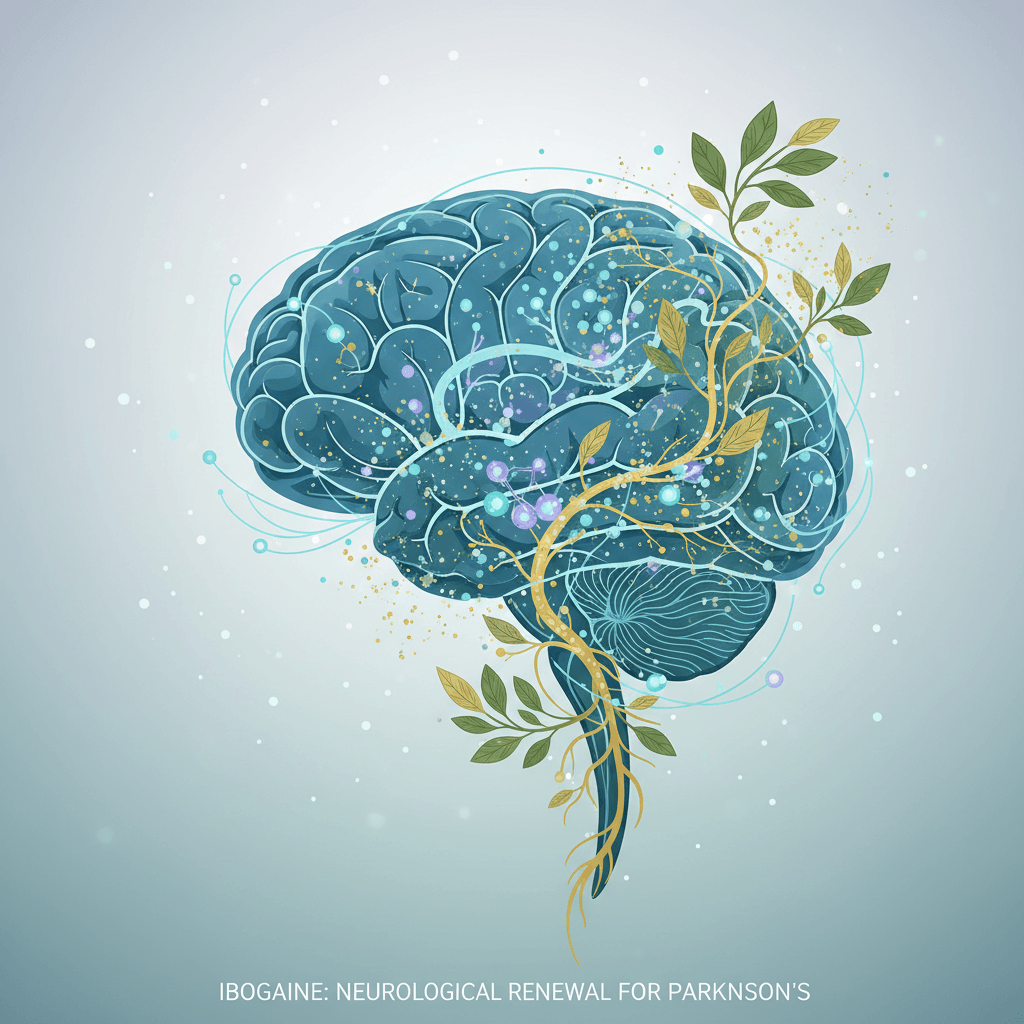
Ibogaine neurological treatment for Parkinson’s is gaining attention among people who feel they are running out of options with standard medications. As Parkinson’s symptoms progress, you might find that drugs which once helped begin to lose their effectiveness or cause burdensome side effects. This is often when you start looking toward experimental or alternative neurological treatments like ibogaine.
While ibogaine is best known for its potential role in addiction treatment, researchers are now exploring how it might affect the brain circuits involved in Parkinson’s disease. It is important for you to understand both the scientific promise and the very real risks before considering any ibogaine-based approach.
Understanding ibogaine and how it affects the brain
Ibogaine is a naturally occurring psychoactive compound extracted from the root bark of the African plant Tabernanthe iboga. Traditionally used in spiritual ceremonies, it has drawn modern scientific interest because of its complex effects on the brain.
Preclinical and clinical research suggests that ibogaine interacts with several key systems in your nervous system, including nicotinic, opioid, glutamatergic, and monoaminergic receptors. This broad action has led some researchers to describe it as a potential neurobiological “reset” in addiction treatment [1]. These same mechanisms are now being investigated for neurological disorders such as Parkinson’s.
Ibogaine is typically converted in your body to an active metabolite called noribogaine. Both compounds can remain in your system for a prolonged period, which may contribute to extended psychological and neurological effects, but also to extended safety concerns, particularly related to the heart.
If you are exploring ibogaine therapy for Parkinson’s, it is crucial to see it as experimental. Ibogaine is not an approved standard treatment for Parkinson’s disease and should never be used without strict medical oversight.
Why Parkinson’s patients are exploring ibogaine
Parkinson’s disease involves the gradual loss of dopamine-producing neurons in the substantia nigra, a brain region that helps control movement. Over time, this leads to tremors, stiffness, slow movement, and changes in balance and coordination. Standard medications like levodopa can replace or mimic dopamine, but they do not stop the underlying neurodegeneration.
You may start to look at ibogaine neurological treatment for Parkinson’s when:
- Your symptoms are progressing despite optimal medical therapy
- You are experiencing troublesome motor fluctuations or dyskinesias
- You are searching for treatments that support neuroprotection or neurorepair, not just symptom control
- You have read about ibogaine’s impact on neuroplasticity and neurotrophic factors
In 2023, Texas lawmakers reserved 50 million dollars in state funding to support clinical trials of (−)-ibogaine and related compounds for neurological disorders, including Parkinson’s disease related dyskinesias [2]. This type of investment reflects growing scientific interest, but it does not yet mean that ibogaine is a proven therapy for Parkinson’s.
If you are considering an ibogaine Parkinson’s alternative treatment, you need to weigh hopeful early findings against the lack of large, controlled human trials specifically for Parkinson’s disease.
How ibogaine may influence Parkinson’s brain circuits
Researchers are particularly focused on how ibogaine might affect neuroplasticity and the dopamine system that is central to Parkinson’s.
Neurotrophic factors and neuroprotection
One of the most important areas of ibogaine research involves neurotrophic factors. These are proteins that support neuron survival, growth, and repair. In animal studies, ibogaine has been shown to significantly increase the expression of several key neurotrophic factors in brain regions related to dopamine and motor control.
In a rat study, a single injection of ibogaine at 40 mg/kg led to a 12 fold increase in mRNA for Glial Cell Derived Neurotrophic Factor (GDNF) in the ventral tegmental area and a 6 fold increase in the substantia nigra 24 hours after treatment [3]. These areas are central to dopamine production and are heavily implicated in both addiction and Parkinson’s pathology.
The same study found:
- A twofold increase in mature GDNF protein in the ventral tegmental area at the effective 40 mg/kg dose
- No significant change in GDNF protein in the substantia nigra, nucleus accumbens, or prefrontal cortex at that time point, suggesting a localized protein effect despite broad gene activation [3]
In addition to GDNF, ibogaine at 20 and 40 mg/kg significantly raised mRNA levels for:
- Brain Derived Neurotrophic Factor (BDNF) in multiple dopaminergic regions, with up to a 340 fold increase in the nucleus accumbens
- Nerve Growth Factor (NGF) in the prefrontal cortex, nucleus accumbens, ventral tegmental area, and substantia nigra at the higher dose [3]
Although these huge increases in BDNF mRNA did not translate to large changes in mature BDNF protein, there was a selective rise in proBDNF in the nucleus accumbens, indicating complex regulation of neuroplasticity pathways.
Taken together, these findings suggest that ibogaine can quickly upregulate several neurotrophic systems that are relevant to dopamine neuron survival and motor control [3]. This is why some scientists see a potential neuroprotective or neurorestorative role that might one day apply to Parkinson’s disease.
Dopamine system regulation and motor circuits
Parkinson’s symptoms arise when the nigrostriatal dopamine pathway is damaged. The observed increases in GDNF, BDNF, and NGF expression in the substantia nigra and related regions raise the possibility that ibogaine might:
- Support the survival of remaining dopamine neurons
- Promote sprouting or repair of damaged neuronal connections
- Modify activity in brain circuits involved in movement and motivation
The selective increase of GDNF expression in the substantia nigra at 40 mg/kg is especially relevant. GDNF has long been studied as a potential neuroprotective factor for Parkinson’s since it can help dopamine cells survive under stress [3]. Ibogaine’s ability to boost GDNF and related factors is one of the main biological reasons it is being considered for Parkinson’s research.
However, you need to keep in mind that much of this evidence comes from animal and preclinical models. No randomized controlled trials have yet tested whether these neurobiological changes translate into meaningful symptom improvement or slowed disease progression in people with Parkinson’s [1].
Current evidence for ibogaine in neurological and psychiatric conditions
Although solid clinical data in Parkinson’s disease is missing, ibogaine has been studied in other neurological and psychiatric contexts, which helps you understand its broad profile.
A 2024 observational study from Stanford Medicine examined ibogaine combined with magnesium in 30 military veterans with traumatic brain injury (TBI). After a single ibogaine dose under medical supervision, participants experienced:
- An improvement in disability scores from mild to moderate disability (average 30.2) to no disability (average 5.1) one month later
- An 88 percent reduction in PTSD symptoms
- An 87 percent reduction in depression symptoms
- An 81 percent reduction in anxiety symptoms [4]
Neurobiological assessments in that study linked:
- Improved executive function with increased theta brain wave activity
- Reduced PTSD symptoms with decreased complexity of cortical brain activity, suggesting changes in neuroplasticity and stress response circuits [4]
Clinics legally administered ibogaine with magnesium under strict monitoring, and no serious cardiac events occurred in this small sample of veterans [4].
Although this was not a Parkinson’s study, it supports the idea that ibogaine can meaningfully affect brain networks involved in mood, cognition, and functioning. These are all areas that also impact quality of life in Parkinson’s disease.
If you are interested in how this could relate to specific symptoms, you can explore resources on ibogaine therapy for Parkinson’s motor symptoms and ibogaine for Parkinson’s symptoms.
Emerging ibogaine programs for Parkinson’s and neurodegenerative diseases
One of the first organized ibogaine programs specifically targeting neurodegenerative conditions was launched by Ambio Life Sciences in early 2025. Their clinical ibogaine program is designed to treat Parkinson’s disease, multiple sclerosis, and traumatic brain injury through:
- A four day supervised ibogaine treatment in a clinical setting
- Followed by six months of at home microdosing
- At a reported total cost of 6,050 dollars [5]
The rationale is based partly on ibogaine’s ability to increase glial cell line derived neurotrophic factor, which helps dopamine producing cells survive [5]. According to early reports, some participants, including former NFL quarterback Brett Favre, have described improvements in mobility, energy, and sleep following treatment [5].
These outcomes are encouraging, but they are anecdotal and come from small numbers without control groups. As you review any ibogaine Parkinson’s treatment program, you should treat such reports as preliminary and not as proof of effectiveness.
You can learn more about how structured protocols may be designed by visiting an ibogaine Parkinson’s treatment program resource, which often explains screening, dosing, monitoring, and follow up care.
Safety, risks, and why strict medical supervision is essential
Ibogaine’s potential benefits are tightly linked to significant risks. If you are considering ibogaine neurological treatment for Parkinson’s, safety needs to be your first concern.
Cardiac risks
One of the most serious dangers is cardiotoxicity, particularly QT interval prolongation, which can trigger life threatening heart rhythm disturbances.
In an open label study in the Netherlands, 14 individuals with opioid use disorder on maintenance treatment received a single oral dose of ibogaine hydrochloride at 10 mg/kg. The results showed:
- Clinically relevant QTc prolongation in all participants, with an average increase of 95 milliseconds
- Half of the patients reached QTc values above 500 milliseconds, a range associated with increased risk of dangerous arrhythmias
- No torsades de pointes was observed during 24 hours of monitoring, but the risk was considered substantial [6]
This QTc prolongation is likely related to ibogaine’s inhibition of cardiac hERG potassium channels. The extent of the effect varied widely between individuals, possibly due to genetic differences in CYP2D6 metabolism and the pharmacokinetics of noribogaine, which has a longer half life [6].
In broader reviews, ibogaine’s cardiotoxicity, including QT prolongation and arrhythmias, is repeatedly highlighted as a major limitation that leads to a narrow therapeutic window [1]. This is one reason many clinical protocols now combine ibogaine with magnesium and intensive cardiac monitoring.
Neurological and cerebellar effects
In the same Dutch observational study, all 14 patients developed severe but transient cerebellar ataxia, meaning they could not walk without support for a period after dosing. This resolved within 24 to 48 hours, but it strongly suggests cerebellar vulnerability to ibogaine [6].
Preclinical rodent studies have shown that higher ibogaine doses at or above 50 mg/kg can cause selective cerebellar neurotoxicity, particularly degeneration of Purkinje cells. In contrast, lower doses have produced anti addictive effects without the same degree of toxicity, indicating a delicate dose dependent balance between benefit and harm [1].
For someone already managing a movement disorder like Parkinson’s, the possibility of acute ataxia or long term cerebellar injury is especially concerning. This risk reinforces the need for careful dose selection, strict eligibility criteria, and full neurological monitoring when ibogaine is used in research or clinical settings.
Psychological and other side effects
Ibogaine is a strong psychoactive agent. In monitored studies, patients frequently experience:
- Wakeful dreaming or vivid internal visions
- Reliving memories and emotional material, typically lasting 3 to 7 hours
- Mild to moderate psychomimetic effects rather than full delirium [6]
Additional side effects may include nausea, vomiting, tremors, and temporary loss of coordination. In severe or poorly monitored cases, potentially fatal complications, particularly cardiac, have been reported in other contexts [5].
Because of this risk profile, ibogaine should only ever be considered in controlled medical settings, with continuous heart monitoring, emergency equipment, and clinicians experienced in both neurology and addiction medicine.
How ibogaine compares to future analogs and related compounds
Recognizing ibogaine’s narrow safety margin, researchers are working on analogs that might preserve therapeutic neuroplasticity effects while reducing cardiac and neurological toxicity.
Compounds such as 18 methoxycoronaridine (18 MC) and tabernanthalog have been developed with the goal of:
- Minimizing hERG channel blockade and QT prolongation
- Reducing hallucinations, tremors, and neurotoxicity at therapeutic doses
- Retaining or enhancing neurotrophic and neuroplastic benefits [2]
These newer agents are still under investigation in early stage trials. However, they may eventually provide safer options for treating Parkinson’s related dyskinesias and other neurological disorders if ongoing studies confirm their benefits [2].
If you are thinking about ibogaine treatment for Parkinson’s disease, it can be helpful to follow research on these analogs as well, since they may represent the next generation of therapies that build on ibogaine’s mechanisms with fewer risks.
What to consider if you are exploring ibogaine for Parkinson’s
Given the current state of evidence, ibogaine is best viewed as an experimental and high risk option rather than a standard therapy. Before moving forward, you may want to:
- Discuss ibogaine or related treatments with your neurologist and care team
- Review your cardiac history and obtain a thorough cardiovascular evaluation
- Understand that no randomized controlled trials currently demonstrate safety and efficacy in Parkinson’s disease specifically [1]
- Investigate the credentials, protocols, and emergency capabilities of any clinic you consider
- Weigh potential quality of life gains against serious and sometimes unpredictable risks
If you are particularly concerned with tremors or dyskinesias, you can explore more focused resources such as ibogaine therapy for Parkinson’s tremors and ibogaine treatment for Parkinson’s tremor relief. For a broader view of how ibogaine might fit into long term care, look into ibogaine therapy for Parkinson’s disease management and structured ibogaine treatment for Parkinson’s disease options.
Ultimately, ibogaine neurological treatment for Parkinson’s sits at the intersection of hope and uncertainty. You are right to look for therapies that do more than mask symptoms and instead support repair and protection of the brain. At the same time, you deserve full transparency about the limits of current evidence and the significant safety challenges that remain.
By staying informed, working closely with trusted medical professionals, and approaching any ibogaine based approach with caution and respect for its risks, you can make decisions that best align with your values, your safety, and your goals for living with Parkinson’s disease.
References
- (MDPI)
- (NCBI PMC)
- (PMC)
- (Stanford Medicine)
- (Parkinson’s News Today)
- (Addiction)