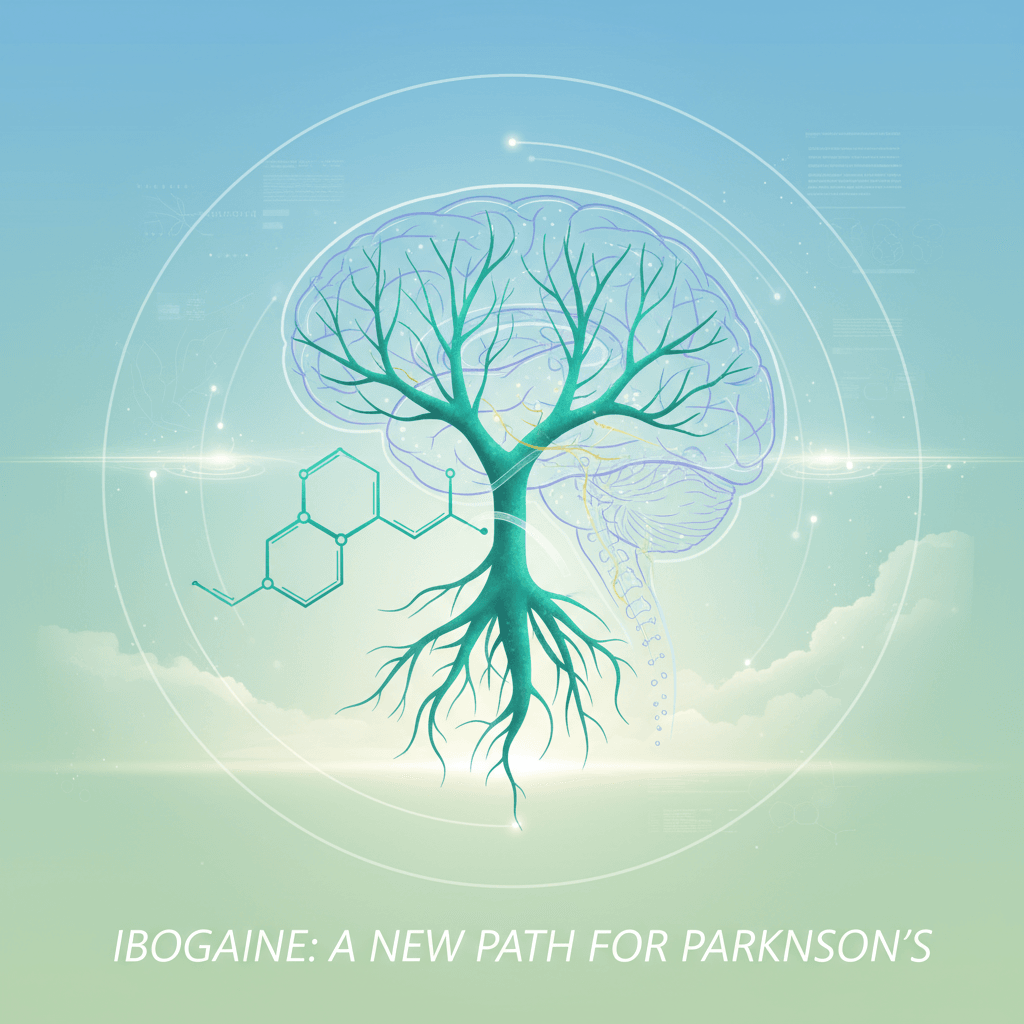
Ibogaine Parkinson’s alternative treatment is receiving growing attention from people who feel their current medications no longer provide enough relief. If you are living with Parkinson’s disease or caring for someone who is, you may be wondering whether ibogaine could improve symptoms, support brain health, or enhance quality of life.
This guide helps you understand what researchers currently know about ibogaine, why it is considered an experimental alternative, and what questions you should ask before considering any ibogaine Parkinson’s alternative treatment.
Understanding Parkinson’s and why you might look for alternatives
Parkinson’s disease affects the way your brain produces and uses dopamine, a chemical that helps coordinate smooth, controlled movement. As dopamine-producing neurons in key brain regions deteriorate, you may experience tremors, stiffness, slowness, and changes in balance or walking. Mood, sleep, and thinking can also be affected.
Standard treatments such as levodopa and dopamine agonists aim to replace or mimic dopamine. These medications are often very effective, especially early on. Over time, however, you might notice:
- Shorter periods of symptom control between doses
- More “off” time with stiffness and slowness
- Fluctuations like dyskinesias, which are involuntary movements
When this happens, you may begin to explore additional options, including ibogaine therapy for parkinson’s or other alternative neurology treatments. The goal is not simply taking another substance, but looking for approaches that may protect or restore brain function while continuing to work with your neurologist on established therapies.
What ibogaine is and why it is being studied
Ibogaine is a naturally occurring psychoactive compound derived from the root bark of the African shrub Tabernanthe iboga. It has a long history of ceremonial use in West and Central Africa and has been studied in the modern era mainly for its potential to reduce drug and alcohol dependence.
Researchers began to notice that ibogaine interacts with multiple brain systems involved in reward, learning, and movement. These include:
- Dopamine pathways related to motivation and motor function
- Glutamate and NMDA receptors, which are key players in neuroplasticity
- Neurotrophic factors, which are proteins that help neurons survive and grow
Because Parkinson’s disease involves loss of dopamine-producing neurons and changes in brain circuitry, scientists have asked whether ibogaine might support these systems in ways that could be helpful for you if you have Parkinson’s.
At this stage, ibogaine is still considered experimental for Parkinson’s disease. It is not approved as a standard treatment in the United States. Any ibogaine parkinson’s alternative treatment should be viewed as investigational and approached with caution, careful research, and strong medical oversight.
How ibogaine might act on the brain in Parkinson’s
You may hear that ibogaine could support “neuroplasticity” or “dopamine regulation.” To understand what that means for you, it helps to look at the specific mechanisms that current research suggests.
Dopamine system regulation
Parkinson’s disease involves the degeneration of dopamine-producing neurons, particularly in an area called the substantia nigra. Ibogaine appears to influence dopamine circuits across several brain regions.
In animal studies, ibogaine has been shown to modify activity in dopaminergic pathways and to change the expression of neurotrophic factors that support dopamine neurons, such as glial cell line derived neurotrophic factor (GDNF) and brain derived neurotrophic factor (BDNF) [1].
In one rat study:
- A single dose of ibogaine at 40 mg/kg increased GDNF mRNA about 12 fold in the ventral tegmental area and 6 fold in the substantia nigra 24 hours after treatment
- This same dose increased mature GDNF protein two fold in the ventral tegmental area, while a lower 20 mg/kg dose did not produce this effect [1]
Because dopamine neuron loss is central to Parkinson’s, the ability to increase GDNF is particularly interesting. GDNF helps dopamine neurons survive and may support their function, though this has been demonstrated mainly in animal models so far [2].
Neuroplasticity and growth factors
Beyond GDNF, both 20 mg/kg and 40 mg/kg doses of ibogaine in rats produced large increases in BDNF mRNA expression in the nucleus accumbens, substantia nigra, and prefrontal cortex 24 hours after treatment [1]. Interestingly, this did not lead to higher levels of mature BDNF protein right away. Instead, the precursor form, proBDNF, increased notably in the nucleus accumbens, which suggests a complex regulatory system around neuronal plasticity and survival.
These changes indicate that ibogaine can reshape the environment in which neurons grow, connect, and communicate. Since Parkinson’s disrupts these connections, treatments that support neuroplasticity might help your brain adapt and possibly compensate for lost function, although this remains to be proven in large clinical trials.
Potential impact on movement and basal ganglia function
In the same rat study, a 40 mg/kg dose of ibogaine significantly reduced novelty induced locomotor activity 24 hours after administration without producing abnormal behaviors [1]. This change in movement is thought to be linked to the alterations in neurotrophic factors in dopaminergic regions like the substantia nigra.
Because the basal ganglia circuits that include the substantia nigra are central to movement control and are heavily affected in Parkinson’s, the authors suggested that ibogaine’s influence on these circuits might have relevance for Parkinson’s treatment. This does not mean ibogaine is proven to restore normal movement in humans, but it supports further exploration of ibogaine neurological treatment for parkinson’s in controlled research settings.
Emerging ibogaine programs for Parkinson’s disease
Your interest in ibogaine parkinson’s alternative treatment may come from new clinical programs that are beginning to test ibogaine specifically for neurodegenerative conditions.
One example is Ambio Life Sciences, which launched what has been reported as the first clinical program to use ibogaine for neurodegenerative diseases including Parkinson’s, multiple sclerosis, and traumatic brain injury. As of mid 2025, around 30 patients had been treated since the program’s soft launch [2].
According to reporting on this program:
- Treatment begins with an initial four day supervised dosing phase in a clinic
- This is followed by six months of microdosing at home
- The total reported cost of treatment is around $6,050 as of mid 2025 [2]
Some participants have reported improvements in Parkinson’s related symptoms, including enhanced eyesight, better mobility, and reduced neuropathic pain. Former NFL quarterback Brett Favre, who received treatment, has described better sleep and more energy afterward [2].
These individual experiences are encouraging, but they are not yet a replacement for large, rigorously controlled clinical trials. When you read personal stories, it can be helpful to remember that responses vary widely and long term outcomes remain under study.
If you want to explore the structure of a dedicated ibogaine parkinson’s treatment program, it is important to ask detailed questions about medical screening, monitoring, dosing protocols, and follow up care.
Potential benefits you might be seeking
If you are considering ibogaine therapy for parkinson’s disease management, you are likely hoping for one or more of the following:
Reduction in motor symptoms
Some research and clinical observations suggest ibogaine treatment may help with motor features of Parkinson’s, potentially by regulating dopamine pathways and supporting neuroplasticity. Reported potential benefits include:
- Reduced tremors
- Less muscle rigidity
- Smoother or faster movements
- Improved gait and balance [3]
These effects have not been confirmed across large patient groups, and they may not be sustained without ongoing treatment. Nevertheless, they are part of the reason people investigate ibogaine therapy for parkinson’s motor symptoms and ibogaine treatment for parkinson’s tremor relief.
Support for non motor symptoms
Parkinson’s affects more than movement. You might also deal with depression, anxiety, low motivation, sleep disruption, or cognitive changes. Ibogaine’s complex action in the brain includes effects on serotonin, glutamate, and neurotrophic systems, which could influence mood and emotional processing.
Reports suggest that ibogaine treatment may help reduce depression and anxiety and improve overall mood in some people with Parkinson’s [3]. If you are seeking more comprehensive support, this potential impact on both motor and non motor symptoms can be appealing, though it still requires careful research and monitoring.
Possible slowing of disease progression
One of the most intriguing possibilities around ibogaine parkinson’s alternative treatment is its potential to slow or even partially reverse aspects of disease progression. Animal studies and early clinical observations point to several mechanisms:
- Increased GDNF levels that may promote survival and regeneration of dopamine producing neurons [3]
- Changes in BDNF and related factors that influence neuronal plasticity and circuit remodeling [1]
- Overall neuroprotective effects that may help halt the progression of neurodegeneration while providing symptomatic relief [3]
Clinical trials and structured research are still needed to confirm whether these mechanisms translate into long term, meaningful slowing of Parkinson’s in humans.
Quality of life and functional gains
Ultimately, your main question is likely: “Will this help me live better?” Reports from ibogaine programs describe improvements in:
- Energy and motivation
- Mobility and ability to perform daily activities
- Sleep quality
- Pain levels and sensory experiences [2]
Even modest improvements can make a significant difference in your daily life. At the same time, these outcomes vary, and you need to weigh them against safety considerations and the experimental nature of the treatment.
For a broader overview, you can also explore ibogaine treatment for parkinson’s disease and ibogaine for parkinson’s symptoms.
Safety, risks, and the importance of medical supervision
Ibogaine is not a benign supplement. It is a powerful psychoactive compound with real medical risks, especially to the heart. If you are evaluating any ibogaine Parkinson’s alternative treatment, safety should be your first concern.
Cardiac risks and monitoring
One of the most serious concerns with ibogaine is its potential to cause dangerous changes in heart rhythm. Ibogaine can prolong the QT interval on an electrocardiogram, which increases the risk of severe arrhythmias and sudden cardiac events.
In the Ambio program, safety protocols include close heart function monitoring during treatment due to these risks. A related Stanford trial suggested that giving magnesium alongside ibogaine might help reduce heart risks while also enhancing psychiatric and neurological outcomes, although this approach still requires rigorous validation [2].
If you are considering ibogaine, you should expect:
- Comprehensive cardiac evaluation before treatment
- Continuous monitoring during dosing
- Strict exclusion criteria for people with known heart conditions or high risk profiles
Other potential side effects
Research and clinical reports highlight several other possible adverse effects of ibogaine treatment, especially if it is not carefully supervised:
- Nausea and vomiting
- Blood pressure changes
- Tremors or changes in movement
- Confusion or psychological distress
- Risk of overdose if not medically controlled [3]
Because Parkinson’s disease itself can involve autonomic dysfunction, postural blood pressure changes, and cardiac vulnerability, the overlap of these risk factors means you must be especially cautious.
Why medical supervision is essential
Given these risks, ibogaine treatment should never be attempted on your own or outside a licensed and medically equipped setting. Thorough patient testing and administration by trained professionals are critical. This includes:
- Detailed review of your medications and potential interactions
- Baseline and follow up EKGs and lab tests
- Real time monitoring during dosing
- Clear emergency protocols and access to higher level care if needed
If a provider cannot clearly explain their medical safety procedures, it is wise to step back and reconsider.
How ibogaine compares with other emerging neurorestorative approaches
Ibogaine is not the only compound being explored for its potential neurorestorative effects in Parkinson’s disease. Understanding the wider landscape may help you make more informed choices.
A naturally occurring amino acid called D serine has shown promise in preclinical models. In mouse studies conducted at Columbia University Vagelos College of Physicians and Surgeons, D serine did more than slow Parkinson’s like progression. It appeared to reverse it by stimulating dopamine producing neurons in the ventral tegmental area to grow new branches into the brain’s movement center. This rewiring compensated for lost substantia nigra neurons and restored motor function within less than a month of treatment [4].
A small clinical trial in 10 people with Parkinson’s at Columbia’s psychiatry department reported improvements in both psychiatric symptoms like apathy and depression and motor symptoms with D serine treatment, although the exact mechanism was initially unclear to researchers [4].
Researchers describe D serine as a “neurorestorative” agent because it appears to rewire brain circuitry and restore function rather than simply protect remaining neurons. This contrasts with neuroprotective approaches that must be used early, before significant neuron loss occurs [4].
D serine still requires larger clinical trials to confirm its safety and effectiveness in Parkinson’s. Work supported by the nonprofit SPARK NS is helping to move these trials forward [4].
When you compare ibogaine with D serine and other experimental therapies, you may notice common themes:
- Focus on neurotrophic and plasticity related pathways
- Attempts to restore or rewire dopamine circuits
- Early but not definitive human data
- A strong need for more structured research before routine clinical use
This context can help you see ibogaine as one part of a broader field of alternative neurology treatments that are still developing.
If you are considering experimental options, you may want to explore a spectrum of approaches, ask how each therapy works in the brain, and discuss the evidence with your neurologist before deciding what aligns with your values and risk tolerance.
Questions to ask if you are considering ibogaine
Before you move forward with any ibogaine parkinson’s alternative treatment, it is helpful to prepare specific questions for potential providers and for your existing medical team. You might ask:
- How do you screen Parkinson’s patients for suitability, especially regarding heart health and medications?
- What is your exact dosing protocol, both for the initial session and any ongoing microdosing?
- What kind of monitoring and emergency resources are available on site?
- How many people with Parkinson’s have you treated so far, and what outcomes have you observed?
- How do you coordinate with my neurologist and primary care team?
- What follow up care will I receive after treatment, both medically and psychologically?
You can also use resources such as ibogaine therapy for parkinson’s tremors and ibogaine therapy for parkinson’s to clarify your expectations around symptom targets, from tremor control to broader disease management.
Making an informed, collaborative decision
Deciding whether ibogaine is right for you involves more than reading promising headlines or testimonials. It requires weighing:
- The potential for symptom relief and neuroprotective or neurorestorative effects
- The known and unknown risks, especially cardiac and neurological
- The experimental status of ibogaine and the limited size of current Parkinson’s specific datasets
- Your own health profile, stage of disease, and personal goals
You do not need to make this decision alone. Bringing your neurologist, primary care physician, and if possible a movement disorder specialist into the conversation allows you to integrate any alternative treatment exploration with your existing care plan.
If you choose to pursue ibogaine treatment, a comprehensive, medically supervised program that understands both Parkinson’s disease and the pharmacology of ibogaine is essential. If you decide to wait for more evidence, you can continue to monitor research on ibogaine neurological treatment for parkinson’s and related neurorestorative approaches like D serine while optimizing your current therapies and lifestyle strategies.
In either case, the aim is the same. You are looking for the best available combination of treatments to support your brain, preserve your abilities, and improve your quality of life in a way that feels safe, informed, and aligned with your values.