
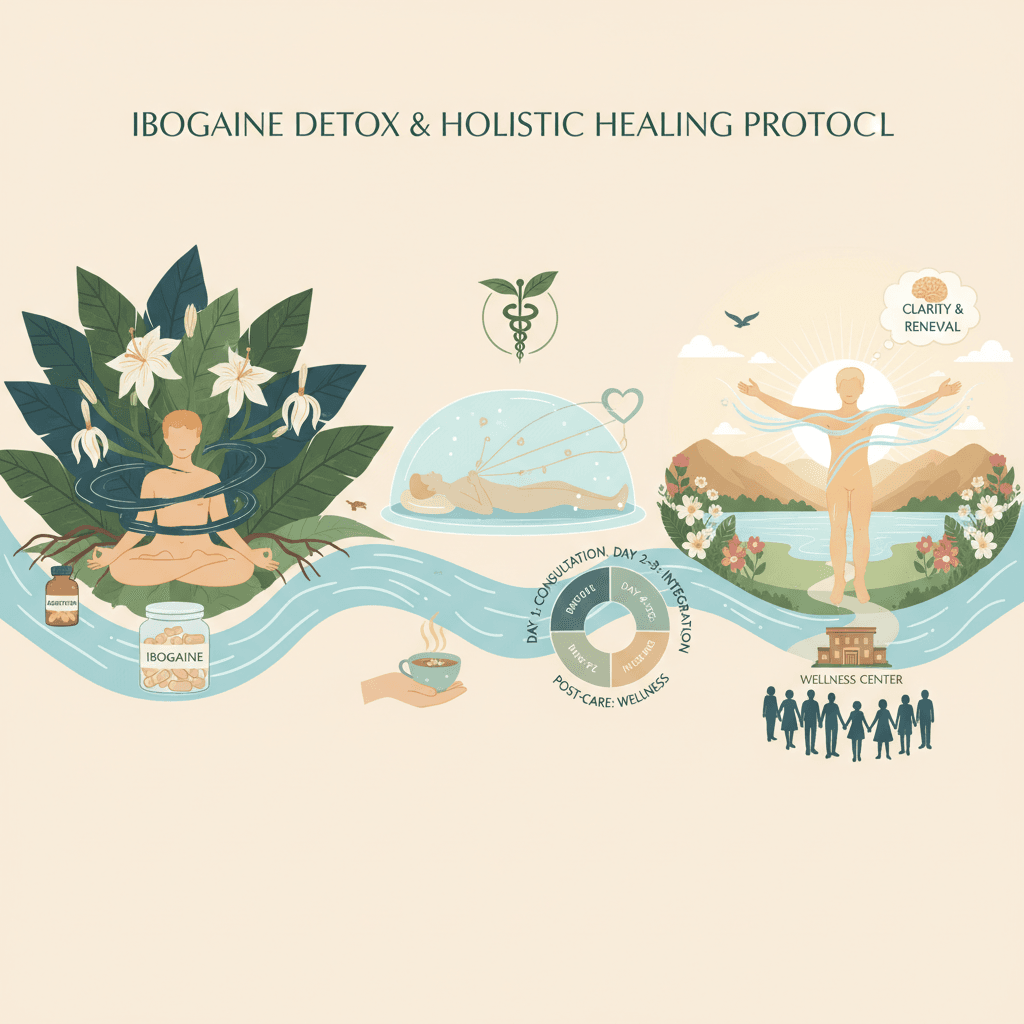
Understanding the ibogaine detox protocol
When you see “ibogaine detox protocol explained,” what you are really asking is, “What exactly will happen to me if I choose this?” You want to know how the process works, who oversees it, and how safe it is before you commit.
An ibogaine detox protocol is a medically supervised process that uses ibogaine, a psychoactive compound from the West African shrub Tabernanthe iboga, to interrupt addiction, reduce withdrawal, and support deep psychological processing. In professional programs, ibogaine is never just a pill you take. It is part of a structured treatment journey with careful screening, on-site medical monitoring, and follow‑up support.
Recent research gives a sense of what is possible when ibogaine is used carefully. In a 2024 study of 30 veterans with traumatic brain injury, a single, medically supervised ibogaine detox in Mexico combined with magnesium and continuous monitoring led to large average reductions in PTSD, depression, and anxiety symptoms that were still present one month later [1]. At the same time, other clinical work has highlighted important cardiac and neurological risks that must be managed with strict protocols and medical oversight [2].
In this guide, you will walk through what a professional ibogaine detox process typically looks like, from your first contact with a clinic through treatment, observation, and integration. If you want a more step‑by‑step breakdown after reading this, resources like ibogaine detox program steps and ibogaine treatment process explained can help you go even deeper.
Pre‑treatment screening and safety checks
Before you ever receive ibogaine, reputable clinics put a heavy focus on whether it is medically appropriate and safe for you. This front‑loaded preparation is one of the most important parts of the ibogaine detox protocol.
Medical and psychiatric evaluation
Your journey usually begins with an intake assessment done remotely by phone or video, followed by extensive in‑person evaluations once you arrive. The team will typically:
- Review your full medical history, including heart, liver, and neurological conditions
- Review psychiatric history, including trauma, psychosis, bipolar disorder, and suicidality
- Go over your substance use, current medications, and past detox attempts
- Evaluate your current level of physical dependence and withdrawal risk
Studies that have safely used ibogaine for opioid detoxification required thorough screening for cardiovascular disease and liver function before proceeding [3]. The same level of caution is what you should expect in a responsible program.
You can find more detail on this early stage in the dedicated guide to the ibogaine detox preparation process.
Cardiac and lab testing
Ibogaine can affect heart rhythm, particularly the QTc interval on an ECG, which is a measure of how your heart repolarizes between beats. In a clinical study in the Netherlands, a single 10 mg/kg dose of ibogaine extended average QTc by about 95 ms, and half of participants temporarily exceeded a QTc of 500 ms, a range associated with risk of serious arrhythmias [2].
To manage this, clinics typically require:
- Baseline ECG to check QTc interval and rule out preexisting conduction issues
- Blood tests to check electrolytes like potassium and magnesium
- Liver function tests, kidney function, and sometimes thyroid levels
- Review of any medications that might interact with ibogaine or also prolong QTc
If you have significant cardiovascular disease or uncontrolled electrolyte imbalances, you may be excluded from ibogaine treatment or asked to stabilize these conditions first. Safety screening is not a formality. It actively shapes whether and how you move forward.
Medication and substance tapering
In some protocols, you are transitioned from long‑acting opioids or substitution medications onto shorter‑acting ones before ibogaine in order to reduce interaction risks and better control withdrawal. In the Dutch trial mentioned above, patients were shifted from maintenance therapy to morphine sulfate before receiving ibogaine, with close ECG and clinical monitoring up to 24 hours after dosing [2].
If you are on:
- Methadone, buprenorphine, or other long‑acting opioids
- Benzodiazepines
- Psychiatric medications that affect heart rhythm or metabolism
your protocol may involve gradual changes, careful substitutions, or a longer stabilization period. A good treatment team will walk you through these adjustments step by step and explain the reasons behind every change.
What happens before your ibogaine dose
Once you are medically cleared, the focus shifts to preparing you physically and psychologically for the ibogaine experience. This preparation is a core part of how ibogaine detox works in a comprehensive program.
Stabilization and comfort care
In the days leading up to dosing, your team typically works to stabilize you and reduce acute withdrawal as much as possible. This might include:
- Hydration, nutrition, and sleep support
- Non‑opioid medications for anxiety, nausea, or muscle aches
- Adjusting any transition medication doses so you are not in uncontrolled withdrawal at the time of ibogaine
In one carefully monitored four‑day protocol for a woman with severe opioid use disorder, ibogaine doses were combined with controlled hydromorphone to manage withdrawal safely, and she maintained 18 months of abstinence afterward [3]. This kind of combination, always under medical supervision, can keep you safe and more comfortable as your system transitions.
Orientation and therapeutic preparation
Before the dosing day, staff will usually spend time helping you understand:
- The stages of the ibogaine experience
- Common physical sensations and mental phenomena
- How to approach challenging material that may surface
- Safety rules, including when to call for help or speak up
You may also begin therapy sessions that explore your goals, your history with substances, and the traumas or patterns you hope to work through. This orientation helps you go into the session with realistic expectations rather than fear or confusion. For more on what this can feel like personally, you might review what happens during ibogaine therapy.
Magnesium and other safety measures
Following emerging research, many modern ibogaine detox protocols now use magnesium as a cardiac protectant. In the 2024 Stanford study on veterans, ibogaine was co‑administered with magnesium and continuous cardiac monitoring, and no serious arrhythmias occurred despite the known QTc‑prolonging properties of ibogaine [1].
Safety measures you can expect include:
- Intravenous or oral magnesium where appropriate
- Continuous or frequent ECG monitoring during and after dosing
- 24‑hour nursing presence with frequent vital‑sign checks
- Clear exclusion of any unapproved medications or substances
These elements are not optional add‑ons. They are built into the ibogaine detox protocol in responsible settings.
The ibogaine dosing day
The dosing day is the centerpiece of your ibogaine detox experience. It is also the most medically intensive part of the protocol.
Setting and medical monitoring
You are usually taken to a quiet, medically equipped room where you can lie down and remain under observation. The environment is kept calm, with minimal stimulation. Typical monitoring on dosing day includes:
- Continuous heart rate and oxygen monitoring
- Regular blood pressure checks
- Access to ECG equipment nearby or continuous telemetry
- A nurse one‑on‑one or on very close watch for the first critical hours
In clinical trials, continuous nursing monitoring and ready access to medical interventions such as magnesium infusions were essential parts of safe ibogaine administration [4].
Test dose and main dose
Many protocols use a divided dosing strategy rather than a single large dose. A documented four‑day protocol for opioid detox, for example, used:
- Day 1: Test doses up to 2.5 mg/kg to assess sensitivity
- Day 2: Larger cumulative doses up to 20 mg/kg
- Days 3 and 4: Booster doses of 5 mg/kg per day as needed, with a total of 32 mg/kg in one case [3]
Your exact dose and schedule will depend on your body weight, health status, substance history, and clinical judgment. Some centers still use a single flood dose. Others prefer to spread dosing out and adjust based on how you respond.
Throughout this time, staff are watching for:
- QTc changes or other ECG abnormalities
- Blood pressure drops or bradycardia
- Neurological changes such as ataxia (difficulty walking), which is often temporary
- Distress or confusion related to the psychological experience
In the Netherlands study, patients commonly experienced transient bradycardia, drops in blood pressure, and serious but reversible cerebellar ataxia along with QTc prolongation, all of which resolved within about 24 hours under supervision [2].
What the ibogaine experience feels like
Although every person’s journey is unique, the ibogaine experience often follows a general timeline. Learning this ibogaine therapy experience timeline in advance can help you feel more prepared. You can also explore a more detailed walk‑through at ibogaine therapy experience timeline and what to expect during ibogaine treatment.
Onset and “wakeful dream” phase
Within 1 to 2 hours of dosing, you may begin to notice:
- Nausea, body heaviness, or a sense of electrical sensations in your body
- Changes in perception such as visual patterns with eyes closed
- A shift into a strong inwardly focused, dreamlike state
Patients in clinical settings often describe this as “waking dreams,” where you may revisit vivid autobiographical memories, trauma scenes, or symbolic imagery. In formal observation, these psychomimetic effects have usually been mild to moderate and manageable without severe delirium [2].
You will likely be lying down, eyes closed, with staff nearby. Speaking and moving can be difficult, especially as ataxia sets in, so safety protocols usually require that you do not try to walk unassisted.
Introspective and processing phase
As the most intense sensory effects slow down, you often move into a long introspective period. Here you may:
- Reflect on your life story with new perspective
- Revisit the roots of your addiction and key emotional wounds
- Experience insights about relationships, patterns, or self‑beliefs
In both research and clinical experience, many people describe this part of the ibogaine detox as transformative. For example, the woman treated in Vancouver reported revisiting traumatic life events with a new sense of emotional strength and understanding, which she felt directly supported her long‑term abstinence [3].
This psychological component is not separate from detox. It is part of how ibogaine helps reset your relationship with substances and with yourself.
Physical withdrawal and relief
For opioid and other substance use disorders, one of the most striking aspects of ibogaine detox in medical case reports is the reduction in acute withdrawal symptoms. While not everyone experiences complete relief, many report:
- Rapid reduction in cravings
- Greatly reduced or absent typical withdrawal symptoms
- A sense of “reset” in the body after the acute phase
However, clinical research also cautions that ibogaine alone may not fully suppress withdrawal in every case. In the Netherlands trial, three of fourteen patients needed to return to morphine substitution within a day due to emerging withdrawal, highlighting the importance of having backup medical options and flexibility in your protocol [2].
The immediate post‑detox observation period
After the main psychoactive effects recede, you enter a critical observation and recovery window. This is when the focus shifts from intensive dosing‑day monitoring to consolidation and stabilization.
Ongoing cardiac and neurological monitoring
Even after you feel more clear‑headed, your heart and nervous system are still recalibrating. In studies and advanced treatment centers, the observation period may include:
- Continued ECG checks for at least 24 hours after the last ibogaine dose
- Frequent blood pressure and heart rate monitoring
- Checks for residual ataxia or difficulty walking
- Magnesium infusions if QTc remains above safe thresholds [2]
You are usually encouraged to rest, stay hydrated, and accept help with basic tasks. Walking alone is discouraged until staff confirm your balance has returned.
Functional and cognitive changes
The Stanford ibogaine detox protocol for veterans with TBI found not only symptom relief but also improvements in daily functioning and cognitive performance. One month after treatment, average disability scores dropped from mild to moderate disability to essentially no disability, and objective testing showed better concentration, memory, and impulse control [1].
In your own case, you might notice:
- A “mental clarity” or “brain reset” feeling
- Less reactivity to triggering memories or thoughts
- Changes in how your body feels, often lighter or less driven by craving
These shifts can feel surprising or even disorienting, so having therapeutic support during this window is important.
Integration and follow‑up support
Ibogaine can open a powerful window of change, but it is not a stand‑alone cure. The ibogaine detox protocol explained fully always includes integration, aftercare, and ongoing therapeutic support.
Onsite integration sessions
In the days after dosing, your therapists or guides will typically meet with you regularly to:
- Help you verbalize and organize what you experienced
- Identify key insights and how they relate to your addiction and life patterns
- Translate those insights into concrete behavioral changes and next steps
The Stanford team emphasized that ibogaine’s benefits were consolidated by follow‑up therapy and continued support, not by the pharmacological intervention alone [1]. The same is true in high‑quality treatment centers that combine ibogaine with structured psychotherapy.
If you want to understand how this part fits into the larger journey, the resource on ibogaine treatment journey can offer a broader perspective.
Adjunctive 5‑MeO‑DMT sessions
Some ibogaine facilities integrate an additional psychedelic session with 5‑MeO‑DMT near the end of your stay. At Experience Ibogaine, for example, 5‑MeO‑DMT is used as a “capstone” to catalyze spiritual insight, emotional release, and a sense of personal transformation, following the initial detox and ibogaine work [5].
If your program includes this, you can expect:
- Separate medical screening, since 5‑MeO‑DMT has its own risk profile
- A shorter, intense experience compared to ibogaine
- Integration sessions afterward to connect this experience with your detox and life goals
This is not mandatory for ibogaine detox to be effective, but in some centers it is part of the broader healing design.
Planning your ongoing recovery
A responsible ibogaine detox protocol never sends you home empty‑handed. Before discharge, your team should work with you to create a personalized aftercare plan, which might include:
- Continued one‑on‑one therapy, either virtual or in person
- Support groups or peer‑led communities in your area
- Medication management for any ongoing psychiatric conditions
- Lifestyle and relational changes to support sobriety
Some clinics also connect you with coaches or therapists who continue integration work for weeks or months. This ongoing relationship can help you maintain the gains you made during treatment and adapt them to real‑life situations. To see how these different stages connect, you can explore ibogaine detox procedure and how ibogaine detox works.
Weighing benefits and risks before deciding
Understanding the ibogaine detox protocol in detail helps you make an informed decision. It also highlights why choosing a medically supervised, evidence‑informed program is essential.
Potential benefits
Across research and clinical reports, ibogaine detox under proper protocols has been associated with:
- Significant reductions in withdrawal and cravings for opioids and other substances [3]
- Rapid and large decreases in PTSD, depression, and anxiety symptoms in some populations [1]
- Improved disability scores, daily functioning, and cognitive performance for certain patients [1]
- Deep psychological insights and emotional processing that can shift entrenched patterns [3]
However, results vary, and no single treatment works for everyone. Some people need additional detox support, maintenance medication, or repeated therapy even after ibogaine.
Known risks and limitations
On the risk side, even under medical supervision, ibogaine carries real and sometimes serious side effects, including:
- QTc prolongation and increased risk of cardiac arrhythmias [2]
- Transient bradycardia and low blood pressure
- Significant, though usually short‑term, cerebellar ataxia and gait impairment [2]
- Nausea, vomiting, and physical discomfort
- Psychological distress during the experience if not properly supported
Ibogaine is a Schedule I substance in the United States, so clinical ibogaine detox is typically available only in countries where it is unregulated or permitted, such as Mexico or Canada [3]. This makes choosing a reputable, medically staffed clinic even more important.
Putting the ibogaine detox protocol in perspective
When you have the ibogaine detox protocol explained in full, it becomes clear that this is not a quick fix or a casual psychedelic experience. It is a medically complex, psychologically intense process that can, for some, catalyze profound change in a relatively short period, provided it is held in the right container.
Your decision should weigh:
- Your medical eligibility and cardiac risk
- Your history with other treatments and what has or has not worked
- Your readiness to engage in post‑treatment integration and lifestyle change
- The quality, staffing, and safety standards of any clinic you consider
If you decide to move forward, spending time with resources like ibogaine treatment process explained and what to expect during ibogaine treatment can help you clarify each step of your journey.
Ultimately, ibogaine detox is best understood as a focused, time‑limited intervention that can reset momentum, open new psychological pathways, and ease the physical grip of addiction, while still requiring your ongoing participation in recovery afterward. By understanding the protocol from preparation to integration, you can decide whether this path aligns with your needs, values, and vision for your life after substances.