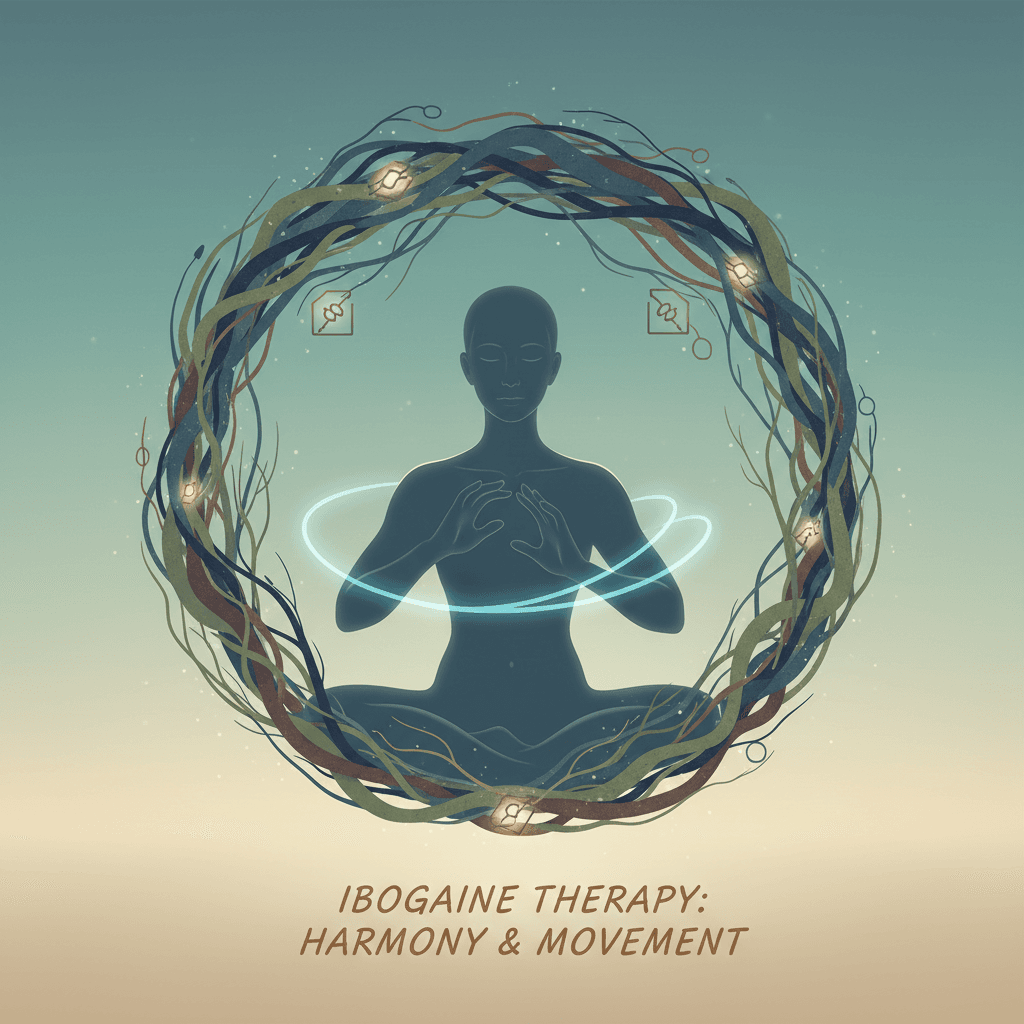
If you are living with essential tremor or another movement disorder, you may be hearing more about ibogaine therapy for movement disorders as a possible option when standard treatments fall short. Ibogaine is an experimental psychedelic compound that appears to influence brain circuits involved in tremor, addiction, mood, and cognition, but it also carries real medical risks. Understanding what is known so far can help you have better conversations with your neurologist and make informed decisions about your care.
Understanding essential tremor and other movement disorders
Essential tremor is one of the most common movement disorders. It typically causes rhythmic shaking, often in your hands, head, or voice. For many people, it becomes more noticeable when you try to do something precise, such as holding a glass, writing, using utensils, or signing your name. Over time, this can affect your independence and quality of life.
Unlike Parkinson’s disease, essential tremor usually does not cause stiffness or slowness of movement. It can, however, run in families and often worsens gradually across the years. Other movement disorders, such as dystonia, Parkinson’s disease, and cerebellar ataxias, may also involve tremor along with balance problems, abnormal posture, or changes in walking.
First line treatments for essential tremor usually include medications like propranolol or primidone, and for more severe cases, options such as deep brain stimulation. While these therapies help many people, you might still experience disabling tremor even after trying several standard approaches. This is one reason some people start researching experimental options like ibogaine therapy for neurological tremors and essential tremor.
Why neuroplasticity is getting attention
In recent years, there has been growing interest in treatments that try to work with the brain’s ability to adapt and reorganize, a process called neuroplasticity. The idea is that if you can influence how nerve cells grow, communicate, and form new connections, you may be able to reduce abnormal movement patterns or help the brain compensate for them.
Ibogaine appears to affect several neurotrophic factors, which are proteins that support nerve cell health and plasticity. In animal research, a single dose of ibogaine in rats increased expression of Glial Cell Derived Neurotrophic Factor (GDNF) in key dopamine-related areas of the brain involved in motivation and movement, including a 12 fold increase in the Ventral Tegmental Area and a 6 fold increase in the Substantia Nigra after 24 hours at a higher dose of 40 mg/kg [1]. The same study found very large increases in Brain Derived Neurotrophic Factor (BDNF) and Nerve Growth Factor (NGF) mRNA in multiple regions linked to movement and reward, including the nucleus accumbens and prefrontal cortex, along with more modest changes in mature GDNF protein and proBDNF levels [1].
These findings suggest that ibogaine may briefly open a “window” of altered neuroplasticity. For movement disorders such as essential tremor, this has raised the question of whether targeted, medically supervised ibogaine treatment, combined with careful neurological rehabilitation, might help recalibrate some of the brain circuits that drive tremor. At this point, however, this idea is largely theoretical. Most of the direct evidence for ibogaine’s effects comes from studies in addiction and mental health, not from formal clinical trials in essential tremor.
What ibogaine is and how it is used medically
Ibogaine is a naturally occurring psychedelic alkaloid found in the root bark of the West African shrub Tabernanthe iboga. Traditionally, it has been used in spiritual and initiation ceremonies for its intense dreamlike and hallucinogenic effects. In the United States, ibogaine is currently classified as a Schedule I controlled substance, which means it is considered to have a high potential for abuse and no accepted medical use as of late 2025 [2].
Outside the US, some clinics use ibogaine under medical supervision, mainly for addiction treatment. Research up to 2022 suggests that ibogaine may help reduce withdrawal symptoms and cravings in several substance use disorders, including opioids, cocaine, alcohol, and possibly nicotine [2]. It also appears to influence multiple neurotransmitter systems that are involved in mood, anxiety, and perception [2].
If you explore an ibogaine tremor treatment program in a country where ibogaine is not prohibited, you will typically find that:
- Ibogaine is given as a single high dose or, less commonly, as several smaller doses.
- You are monitored closely for at least 24 hours, often much longer, because of cardiac and neurological risks.
- The experience can involve several hours of vivid internal imagery and psychological processing.
Because essential tremor is a neurological movement disorder, any ibogaine neurological treatment for tremors should involve not only addiction or psychedelic specialists, but also an experienced neurologist and a cardiologist who understands the specific risks of ibogaine.
What the latest research shows about ibogaine
The best studied medical use of ibogaine so far is in addiction and, more recently, trauma related conditions. One influential 2024 study at Stanford Medicine followed 30 special operations veterans with traumatic brain injury, post traumatic stress disorder, depression, and anxiety who were treated with ibogaine combined with magnesium at a clinic. One month after treatment, these veterans showed:
- An 88 percent reduction in PTSD symptoms
- An 87 percent reduction in depression symptoms
- An 81 percent reduction in anxiety symptoms
- Measurable improvement in cognitive functions such as concentration, information processing, memory, and impulsivity [3]
Brain scans suggested that better executive function after ibogaine was linked to increased theta rhythms, which are thought to reflect enhanced neuroplasticity and cognitive flexibility. The same study reported that reductions in PTSD symptoms were associated with less complex cortical brain activity, potentially indicating a calmer, less hyper reactive stress response [3]. Importantly, in this carefully medically supervised group, no serious heart complications or other severe side effects were reported, apart from expected short term issues like headache and nausea [3].
Although this research did not focus on movement disorders, it supports the idea that ibogaine can meaningfully change brain function, symptoms, and cognition in people whose nervous systems have been affected by trauma and injury. This is part of the reason you may see ibogaine therapy for movement disorders mentioned as a possible future direction.
Safety risks and medical concerns to understand
If you are considering ibogaine therapy for movement disorders, it is essential to understand that safety remains a major concern. Ibogaine affects many receptors and ion channels throughout your body. This broad activity might contribute to its therapeutic effects, but it also increases the risk of serious side effects and drug interactions [2].
One of the most significant risks involves the heart. Ibogaine can lengthen the QT interval on an electrocardiogram. When QT becomes too long, it increases the chance of a life threatening arrhythmia called Torsade de pointes. In a 2022 observational study of 14 people with opioid use disorder who received ibogaine hydrochloride at 10 mg/kg, half of the participants developed a QTc interval longer than 500 ms in the first 24 hours, and nearly one third still had a QTc above 450 ms after the first day, although no Torsade de pointes episodes were documented [4].
In the same study, every patient experienced severe but transient cerebellar ataxia. This presented as marked gait and balance problems that required physical support to walk, and it resolved over 24 to 48 hours [4]. Additional issues included bradycardia, which is a slow heart rate, and lower blood pressure within 12 hours of taking ibogaine [4].
The authors concluded that given the degree of cardiac risk, combined with still limited evidence for ibogaine’s effectiveness, ibogaine treatment for opioid use disorder or movement disorders should not be attempted outside tightly controlled medical environments [4]. Other sources echo these concerns and list seizures, respiratory failure, and cardiac arrest as serious potential complications, which is why ibogaine is only recommended under strict medical supervision in countries where it is legal [2].
If you have a movement disorder such as essential tremor, you may already be taking medications that affect your brain chemistry, blood pressure, or heart rhythm. This can increase the chance of dangerous interactions with ibogaine. Before pursuing any ibogaine alternative treatment for essential tremor abroad, you should have a detailed conversation with your neurologist and cardiologist and share all medications and supplements you take.
Ibogaine should be considered experimental, high risk, and not a replacement for established essential tremor treatments. Any decision to pursue ibogaine should involve your care team and must prioritize safety.
How ibogaine could relate to essential tremor
At this time, there are no large, controlled clinical trials specifically studying ibogaine treatment for essential tremor or other specific tremor conditions. What exists are:
- Animal studies that show ibogaine can rapidly and strongly change neurotrophic factors like GDNF, BDNF, and NGF in brain regions connected to movement and reward, and can alter locomotor behavior in rats [1].
- Human studies in addiction and PTSD that show ibogaine can improve symptoms and cognitive performance, and may promote a period of increased neuroplasticity [3].
- Observational safety data that highlight significant cardiac and neurological risks, especially QT prolongation and ataxia, even under medical supervision [4].
If you are researching ibogaine therapy for essential tremors, you will see clinics and research groups exploring whether the same neuroplasticity window that seems to help with addiction and PTSD might be harnessed in combination with rehabilitation to reduce tremor severity. In theory, this could involve carefully designed programs that pair ibogaine with occupational therapy, physical therapy, and neuromodulation to train steadier movement patterns while the brain is especially open to change.
Resources such as ibogaine therapy for essential tremors and ibogaine therapy for neurological tremors can help you understand how different programs are attempting to structure this kind of care. Options like ibogaine treatment for hand tremors and ibogaine treatment for essential tremor often focus on functional goals like improving handwriting, eating, and dressing. However, until results are available from formal studies, outcomes remain uncertain and highly individual.
What a medically supervised ibogaine program typically involves
If you decide to explore an ibogaine tremor treatment program despite the risks, you should look for centers that operate with a high medical standard and transparency. While details vary by clinic, a medically focused ibogaine neurological treatment for tremors may include:
- Comprehensive pre treatment evaluation
You can expect heart testing such as an ECG and possibly an echocardiogram, lab work to check liver function and electrolytes, neurological assessment of your tremor and balance, and a thorough medication review. If you have any history of arrhythmia, structural heart disease, or uncontrolled medical conditions, high quality programs are likely to recommend against ibogaine. - Careful dosing and monitoring
On the day of ibogaine dosing, you are usually connected to continuous cardiac and vital sign monitoring. Medical staff track your heart rhythm, blood pressure, breathing, and neurological status for at least 24 hours. Some programs add magnesium, similar to the Stanford study, in an effort to protect the heart [3]. - Support during the psychedelic experience
During the 3 to 7 hours when psychomimetic effects are strongest, many people experience wakeful dreaming, intense internal imagery, and shifts in how they view their life and illness. In the 2022 study on patients with opioid use disorder, these effects were generally mild and well tolerated, and most participants did not meet criteria for delirium [4]. Trained staff usually remain close by to provide reassurance, reorientation, and safety checks. - Early rehabilitation and integration
As your thinking clears, some centers begin gentle functional exercises, for example working with a therapist on controlled hand movements, writing practice, or balance tasks. The goal is to help your brain use any ibogaine related neuroplasticity in a directed, therapeutic way. Programs like ibogaine alternative treatment for essential tremor will often describe how they integrate these strategies. - Follow up and long term planning
Because potential cardiac changes can persist longer than a day, clinics may repeat ECGs and keep in contact with you and your local physicians in the weeks following treatment. Sustainable progress for essential tremor almost always depends on ongoing care, not a single intervention.
Questions to ask before considering ibogaine for tremor
If you are seriously thinking about ibogaine therapy for movement disorders, it helps to approach it the way you would any complex medical procedure. Before committing, consider asking:
- Has your neurologist reviewed and documented all the treatments you have already tried for essential tremor, including medication adjustments, assistive devices, and, if appropriate, surgical options such as deep brain stimulation?
- Does the ibogaine program involve a neurologist with experience in tremor disorders, and how will they measure changes in your tremor before and after treatment?
- What is the clinic’s protocol for heart safety, including ECG thresholds for cancelling treatment, management of QT prolongation, and access to emergency cardiac care?
- How does the program integrate rehabilitation and functional training into the period after ibogaine dosing?
- What data has the center collected on people with essential tremor specifically, and are any results publicly available or part of a formal research study?
- How will your local care team be involved before and after treatment, including medication management and follow up monitoring?
Materials such as ibogaine treatment for essential tremor may give you a starting point for these conversations, but it is important to verify details, ask for clear documentation, and involve your existing medical team.
Weighing potential benefits against real risks
For many people, essential tremor is more than a medical label. It affects how you eat, write, work, and interact socially. It is understandable to look for options beyond traditional medications when symptoms remain intrusive. Ibogaine therapy for movement disorders offers an intriguing combination of neuroplasticity related effects, psychological processing, and potential symptom shifts, and early research in other conditions suggests it can lead to rapid changes in mood, anxiety, and cognition [3].
At the same time, the safety concerns are significant, especially regarding heart rhythm and balance, and the evidence base for tremor conditions is still in its early stages [5]. In practice, this means that ibogaine is best viewed as an experimental option that you might consider only after working closely with your neurologist, exhausting established treatments, and carefully weighing the potential for benefit against the possibility of serious harm.
You deserve clear, detailed information and an honest discussion of both the promise and the limits of any therapy. By combining what is known from current research with the expertise of your care team, you can decide whether pursuing ibogaine related options, such as a structured ibogaine tremor treatment program, fits within your personal values, risk tolerance, and long term goals for living with essential tremor.