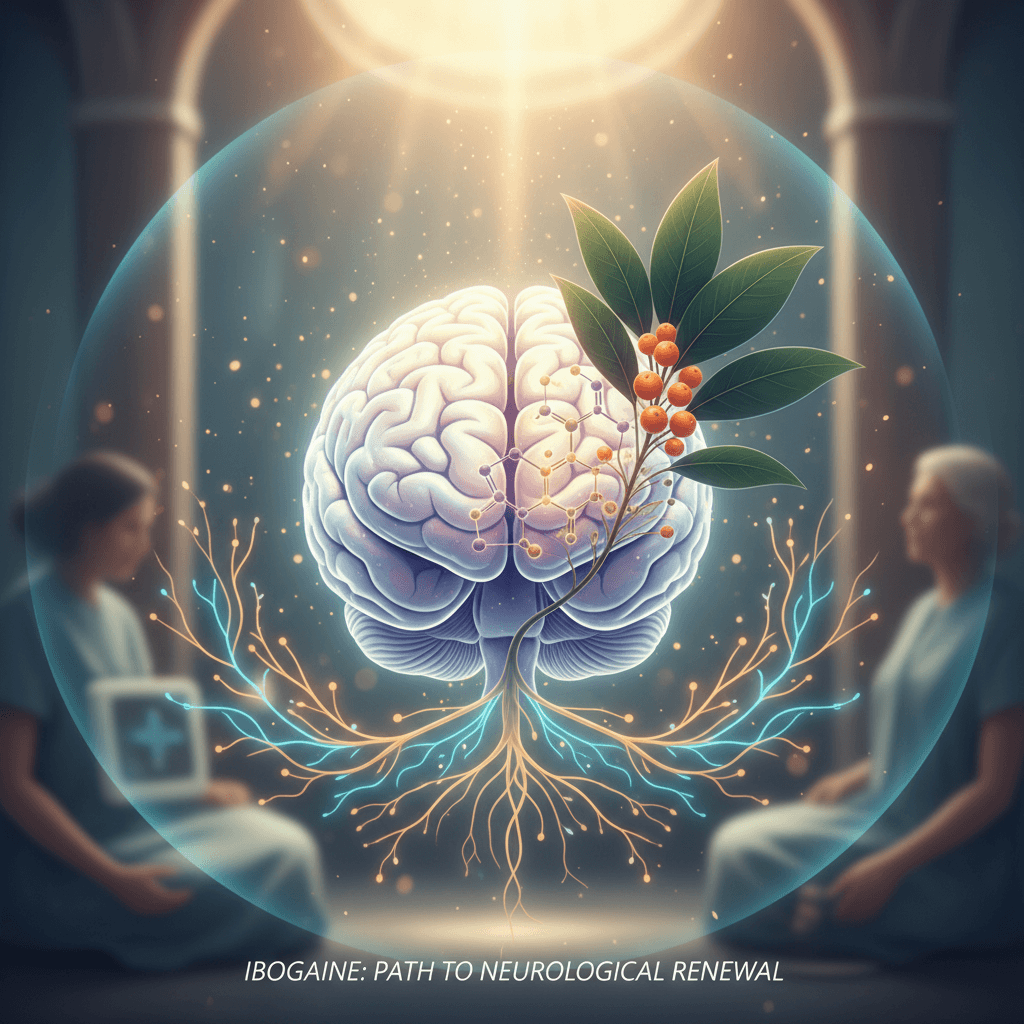
Ibogaine treatment for Parkinson’s disease is an emerging area of interest for people who feel that traditional medications are no longer providing enough relief. You might be hearing more about ibogaine because of early research on its effects on brain circuits, neurotrophic factors, and the dopamine system, all of which are central to Parkinson’s symptoms and progression.
This therapy is still experimental and not part of standard neurology care. Understanding what scientists know so far, where the evidence is strongest, and what remains uncertain can help you make more informed decisions as you explore options beyond conventional treatments.
Understanding ibogaine and Parkinson’s disease
Ibogaine is a naturally occurring psychoactive compound found in the root bark of the African plant Tabernanthe iboga. It has been studied most widely in the context of addiction, but more recent work suggests that it may influence brain plasticity and support neurons involved in movement.
Parkinson’s disease primarily affects dopamine-producing neurons in an area of the brain called the substantia nigra. As these cells are lost, you may notice tremors, stiffness, slowness, balance problems, and a range of non motor symptoms such as sleep changes, mood shifts, and cognitive difficulties.
Traditional medications, such as levodopa and dopamine agonists, aim to replace or mimic dopamine. These can be highly effective, especially early on, but over time you might experience wearing off, dyskinesias, or incomplete symptom control. This is one reason some people begin researching ibogaine therapy for Parkinson’s and other neuroplastic approaches that focus less on symptom masking and more on potential brain repair.
Why people explore ibogaine treatment for Parkinson’s disease
You may be considering ibogaine treatment for Parkinson’s disease for several reasons. Many people are looking for therapies that do more than adjust dopamine levels day to day. Instead, they are interested in options that might support the health, growth, or function of dopamine neurons themselves.
Several factors often motivate this search:
- Ongoing motor symptoms despite optimized medication
- Increasing side effects from long term dopaminergic therapy
- Worsening non motor issues such as fatigue, sleep problems, or mood changes
- Desire for treatments that might slow functional decline rather than only manage symptoms
Early preclinical research suggests that ibogaine can increase the expression of key neurotrophic factors, including glial cell derived neurotrophic factor (GDNF) and brain derived neurotrophic factor (BDNF), in dopamine related brain regions that are relevant to Parkinson’s disease [1]. These findings have encouraged some clinicians and researchers to explore ibogaine as a possible tool to influence underlying disease mechanisms instead of focusing solely on short term symptom relief.
As you learn more about ibogaine for Parkinson’s symptoms, it is important to keep both the promise and the limitations in view. Most of the mechanistic data comes from animal models, and human studies are still in very early stages.
How ibogaine may act on the Parkinson’s brain
Researchers are particularly interested in how ibogaine may influence neuroplasticity and dopamine system regulation. In Parkinson’s disease, both of these processes are disrupted. Ibogaine appears to affect multiple pathways at once, which could be relevant to movement, mood, and cognition.
GDNF and support for dopamine neurons
One of the most discussed findings relates to GDNF, a protein that helps support the survival and function of dopamine producing neurons. In a rat study, a single ibogaine dose of 40 mg/kg significantly elevated GDNF mRNA in two key regions, increasing expression 12 fold in the ventral tegmental area (VTA) and 6 fold in the substantia nigra about 24 hours after treatment [1]. The same study showed a two fold increase in mature GDNF protein in the VTA at that time point.
Because the substantia nigra is one of the main areas affected in Parkinson’s, this selective elevation of GDNF in midbrain regions has raised interest in whether ibogaine might help protect surviving neurons or support regrowth of connections in pathways that control movement [1]. The researchers explicitly note the potential relevance of this mechanism for neurodegenerative diseases such as Parkinson’s disease.
BDNF, proBDNF, and neuroplasticity
Ibogaine also appears to strongly influence BDNF, another neurotrophic factor involved in synaptic plasticity, learning, and mood regulation. In the same preclinical work, both 20 mg/kg and 40 mg/kg ibogaine doses caused a robust increase in BDNF mRNA in the nucleus accumbens, in the range of 220 to 340 fold, and the higher dose also boosted BDNF mRNA in the prefrontal cortex, VTA, and substantia nigra at 24 hours [1].
Interestingly, these changes in BDNF mRNA did not immediately translate into higher levels of mature BDNF protein across brain regions. Instead, there was a selective increase, about 2.7 to 2.8 fold, of the precursor protein proBDNF in the nucleus accumbens. ProBDNF has functional effects that can differ from, and sometimes oppose, mature BDNF [1].
For you, the key point is that ibogaine appears to set off a complex cascade of neurotrophic signals, some of which may enhance plasticity and resilience of dopamine circuits, while others may have more nuanced or region specific effects. This complexity is one reason that medically supervised ibogaine neurological treatment for Parkinson’s focuses on careful dosing and monitoring instead of casual or self directed use.
Dopamine circuits and related experimental therapies
Ibogaine research overlaps with a broader shift in neurology toward treatments that aim to rewire brain circuitry rather than only prevent neurons from dying. Columbia University researchers have described similar goals for another compound, D serine, which is being studied as a neurorestorative treatment for Parkinson’s disease.
In a mouse model, D serine stimulated dopamine producing neurons in the VTA to grow new branches into the brain’s movement center, potentially compensating for the neuron loss that is typical of Parkinson’s disease [2]. In a small clinical trial of 10 people with Parkinson’s, D serine was reported to improve apathy, depression, and motor symptoms, even though the clinicians were initially unsure of the exact mechanism behind these improvements [2].
Columbia’s team describes D serine as a neurorestorative approach, one that seeks to rebuild and reconnect brain circuits so that some lost function might be regained, rather than simply preserving what is left [2]. Ibogaine’s effect on GDNF and BDNF suggests a similar direction, where the goal is to support regeneration and plasticity in dopamine pathways.
Early ibogaine programs for Parkinson’s disease
Because ibogaine is a naturally occurring substance, it has not followed the typical pharmaceutical development path. Lack of patent protection has made it harder to secure large scale funding for conventional clinical trials, even though some preclinical data are promising [1]. Despite this, a few specialized programs have begun applying ibogaine protocols to neurodegenerative conditions.
Ambio Life Sciences has launched what is described as the first clinical program using ibogaine to treat neurodegenerative diseases, including Parkinson’s disease, multiple sclerosis, and traumatic brain injury. This program began with a soft launch in February 2025 [3].
According to reports, by June 2025 the program had treated 30 patients with Parkinson’s and other neurological conditions. The protocol involves an initial four day supervised treatment, followed by six months of at home microdosing. The total cost of the full course is reported to be 6,050 dollars [3].
Ambio’s preclinical rat studies suggest that ibogaine may promote the production of GDNF, which supports survival of dopamine producing neurons, and the company has described ibogaine as a potentially non invasive alternative for Parkinson’s, in contrast to surgical approaches such as deep brain stimulation [3].
In this context, you might see ibogaine Parkinson’s alternative treatment programs presenting ibogaine not as a replacement for neurology care, but as an additional, experimental option within a structured, medically overseen setting.
Reported symptom changes and patient experiences
Because large, controlled human trials are still lacking, much of what you will find about ibogaine treatment for Parkinson’s disease involves observational data and individual reports. These cannot replace rigorous studies, but they can give you some sense of the range of experiences people describe.
Within the Ambio program, patients have reported improvements in both motor and non motor Parkinson’s symptoms. Observations include changes in eyesight, mobility, and neuropathic pain after ibogaine treatment [3]. Their chief therapy officer has highlighted these effects as notable trends among the first cohort of participants.
A widely discussed example involves former NFL quarterback Brett Favre, who was diagnosed with Parkinson’s in early 2024. After undergoing ibogaine treatment through the same program, he has reported positive effects on sleep and energy levels, and his case has helped bring attention to ibogaine’s potential role for athletes living with neurodegenerative symptoms that may be connected to brain trauma [3].
For you, the takeaway is that while these accounts are encouraging, they remain anecdotal. When you explore options such as ibogaine therapy for Parkinson’s disease management, it is helpful to ask:
- How are improvements being measured or documented
- How long do reported benefits seem to last
- What proportion of patients see meaningful change versus little or no change
- How programs handle treatment expectations and follow up
Comparing ibogaine with other neurorestorative approaches
Ibogaine is part of a broader landscape of experimental therapies aimed at restoring or rebuilding brain circuits in Parkinson’s disease. Understanding how it fits among these can clarify your options.
Columbia researchers, for example, are studying both D serine and electroconvulsive therapy (ECT) as ways to encourage dopamine neuron regrowth. In Parkinson’s mouse models, ECT appears to stimulate dopamine neuron regrowth and improve movement symptoms, possibly by triggering brain growth factors similar to those involved in ibogaine’s effects [2].
You can think of these neurorestorative strategies as attempting to:
- Rebuild lost connections within movement circuits
- Enhance neurotrophic support so dopamine neurons are more resilient
- Promote synaptic plasticity that may compensate for cell loss
Ibogaine, with its ability to increase GDNF in midbrain regions and strongly upregulate BDNF mRNA in reward and frontal regions, fits into this category of interventions that aim to change the structural and functional state of brain networks that underlie Parkinson’s symptoms [1].
If you are looking specifically at ibogaine therapy for Parkinson’s motor symptoms or ibogaine therapy for Parkinson’s tremors, it can be useful to discuss with your care team how these neurorestorative ideas compare with, or complement, other options you may be considering, such as advanced medical therapies, device based treatments, or clinical trials of novel medications.
Summary: Ibogaine belongs to an emerging group of therapies that try to restore function in dopamine circuits through neurotrophic and plasticity based mechanisms. Other experimental examples include D serine and ECT protocols that appear to encourage regrowth or branching of dopamine neurons in animal models.
Safety, supervision, and medical considerations
Ibogaine is a powerful psychoactive substance with known risks. It is not appropriate for self medication or unsupervised use, especially if you have a complex neurological condition such as Parkinson’s disease.
Important safety points for you to consider include:
-
Cardiac risk
Ibogaine can affect heart rhythm, including QT interval prolongation, which may increase the risk of dangerous arrhythmias. Thorough cardiac screening and continuous monitoring during dosing are essential. -
Medication interactions
Many Parkinson’s medications, antidepressants, and other drugs can interact with ibogaine. A physician familiar with both movement disorders and ibogaine pharmacology needs to review your regimen, adjust doses if needed, and plan safe washout periods. -
Autonomic and blood pressure changes
Parkinson’s disease already affects autonomic regulation for many people. Ibogaine may cause blood pressure and heart rate shifts, which is one reason programs emphasize inpatient or closely supervised initial dosing. -
Psychiatric effects
Ibogaine can trigger intense psychological experiences. For some, these may be helpful in processing trauma or mood symptoms. For others, especially if you have a history of psychosis or severe mood instability, there may be increased risk.
When you look into an ibogaine Parkinson’s treatment program, consider asking about:
- Pre treatment evaluations, including ECG, lab work, and medication review
- On site medical staffing and emergency capabilities
- Monitoring protocols during and after dosing
- How the program coordinates with your neurologist or primary care team
Specialized centers that focus on ibogaine neurological treatment for Parkinson’s typically build their protocols around these safety concerns. Your goal is to find settings where ibogaine is treated as a serious medical intervention, not a casual or unstructured experience.
What an ibogaine treatment process may look like
While each center has its own protocol, many programs follow a similar structure when offering ibogaine treatment for Parkinson’s disease.
You can expect several phases:
-
Assessment and preparation
You will usually complete a detailed medical and psychiatric evaluation, including cardiac testing and a review of your Parkinson’s history, medications, and prior treatments. This stage also includes education about expected effects and potential risks. -
Initial supervised dosing
Programs such as Ambio’s offer a four day, closely monitored treatment period in a clinical setting. During this time, you typically receive one or more ibogaine doses under continuous supervision, along with supportive care for hydration, nutrition, and blood pressure control [3]. -
Observation and early integration
After dosing, your team will monitor both neurological and psychological responses. Any early changes in tremor, movement, sleep, pain, or mood will be documented. You may also begin counseling or integration sessions to help you process the experience. -
Microdosing and follow up
In Ambio’s approach, the initial treatment is followed by six months of at home microdosing with continued clinical oversight [3]. Follow up visits or telehealth check ins are used to track your motor and non motor symptoms and adjust your broader Parkinson’s care plan. -
Longer term evaluation
Over time, your care team can work with you to determine whether ibogaine has meaningfully changed your function, quality of life, or need for other medications. Well structured ibogaine therapy for Parkinson’s disease management always includes this longer term view, rather than focusing only on what happens during the first dosing days.
If your primary concern right now is tremor or stiffness, you can also explore how these programs assess ibogaine treatment for Parkinson’s tremor relief and other specific motor outcomes.
Questions to ask before pursuing ibogaine
Before you commit to ibogaine treatment for Parkinson’s disease, it can help to prepare a clear set of questions for both your neurologist and any ibogaine program you are considering. You may want to ask:
- How does ibogaine interact with my current stage of Parkinson’s and my medication regimen
- What specific outcomes does this program track for Parkinson’s symptoms
- What are the most common side effects you have seen in people with Parkinson’s
- How does the team handle cardiac safety and autonomic issues
- How will we decide whether the treatment has been successful for me
- What support is available if my symptoms temporarily worsen
Exploring ibogaine therapy for Parkinson’s involves balancing curiosity about new approaches with a realistic understanding of the evidence. At this point, ibogaine is best viewed as an experimental option that might influence neuroplasticity and dopamine circuits through mechanisms related to GDNF and BDNF, and not as a proven or risk free solution.
By learning about the science, the early human experiences, and the safeguards that reputable programs use, you can decide whether ibogaine fits within your broader plan for living with Parkinson’s, managing your symptoms, and preserving your quality of life.