
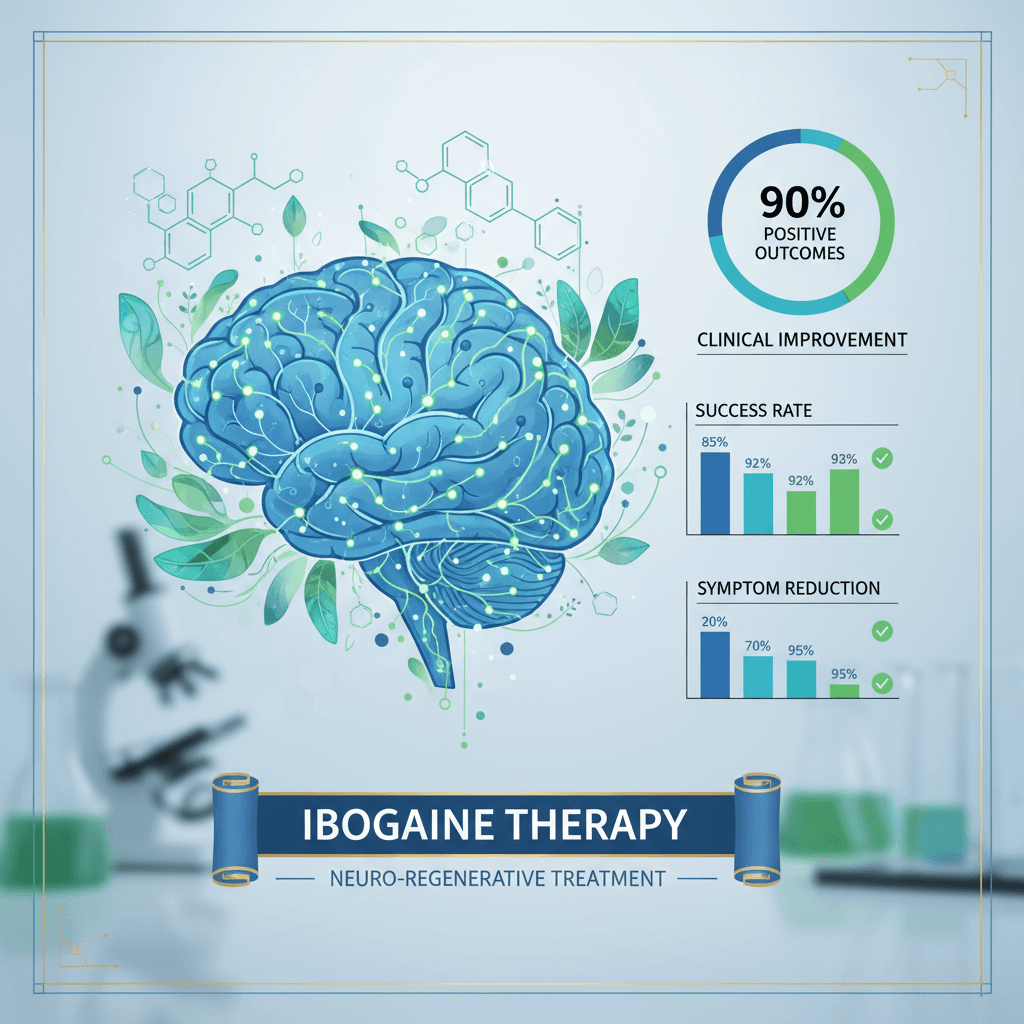
Ibogaine therapy has gained attention as a possible “shortcut” to recovery from addiction and trauma. If you are asking yourself how effective is ibogaine therapy, you are not alone. Many people want clear data, realistic expectations, and an understanding of both the potential benefits and the serious risks before they travel to a clinic or commit money and time.
This overview walks you through what clinical and observational research actually shows about ibogaine therapy outcomes, how these results are measured, and which factors most influence success. You will see that ibogaine can be powerful, but it is not a guaranteed cure and it is never a substitute for long term recovery work and medical supervision.
Understanding ibogaine therapy
Ibogaine is a psychoactive substance derived from the African shrub Tabernanthe iboga. In medical or retreat settings it is given in a controlled dose as part of a single high dose session or a short multi day protocol. During this time you typically experience intense psychotropic effects, including vivid memories, dream like states, and strong emotional insights.
Researchers believe ibogaine acts on multiple brain systems at once, including serotonin transporters and other receptors linked to mood and addiction. These wide ranging effects may help reduce withdrawal symptoms and cravings, while also opening a window to process trauma and reframe your relationship with substances [1].
From a legal perspective, ibogaine is a Schedule I substance in the United States and is not available through standard medical care. It is offered legally only in select countries such as Mexico and Canada in specialized clinics that focus on addiction or trauma treatment [1]. This means that if you pursue treatment you are likely traveling abroad and relying heavily on a clinic’s own protocols and safety standards.
What clinical data exists on ibogaine?
Compared with medications like methadone or buprenorphine, ibogaine has relatively limited formal clinical research. Much of what you hear comes from:
- Small controlled or open label studies
- Case reports of individual patients
- Observational data from clinics that follow people over time
Even with these limitations, some consistent themes are emerging. If you want a broader research snapshot, you can also explore resources focused specifically on ibogaine treatment effectiveness research and ibogaine treatment results data.
Overall, the data suggests that ibogaine can:
- Rapidly reduce withdrawal and cravings in some people with substance use disorders
- Produce large short term drops in PTSD, anxiety, and depression scores in certain trauma populations
- Trigger significant psychological and spiritual experiences that may support behavior change
At the same time, outcomes vary widely and serious safety concerns, particularly cardiac risks, require careful screening and monitoring [2].
Ibogaine for PTSD, anxiety, and TBI
One of the most promising recent data sets on ibogaine comes from a study of military veterans with traumatic brain injuries and co occurring PTSD, anxiety, and depression. In this trial, ibogaine combined with magnesium was delivered in a clinical setting in Mexico with close monitoring.
Symptom reductions and functioning
In this study of 30 veterans, ibogaine therapy was associated with major improvements one month after treatment. On average, participants experienced:
- 88 percent reduction in PTSD symptoms
- 87 percent reduction in depression symptoms
- 81 percent reduction in anxiety symptoms
Disability scores, which measure how much symptoms interfere with daily functioning, shifted from an average of 30.2, meaning mild to moderate disability, to 5.1, which indicates essentially no disability [3].
These are unusually large effect sizes in mental health research. They suggest that for some individuals with trauma and TBI, ibogaine can produce rapid, broad relief from multiple symptom clusters.
Changes in brain activity
Researchers also measured brain changes linked to these improvements. After ibogaine treatment, participants showed:
- Increased theta brain wave rhythms
- Reduced complexity of cortical brain activity
These shifts may indicate greater neuroplasticity and a calmer, less reactive stress response. In other words, your brain might become more flexible and less stuck in trauma patterns, which could support deeper psychotherapeutic work going forward [3].
Cognitive improvements
Beyond symptom relief, veterans in this study showed better performance in areas such as concentration, information processing, memory, and impulsivity. No serious side effects or heart complications were reported in this specific trial, in part because magnesium was used for cardiac protection and careful screening and monitoring were in place [3].
These impressive findings have been strong enough to spur significant government interest. Texas has approved a 50 million dollar initiative to fund ibogaine clinical trials aimed at eventual FDA approval for broader neuropsychiatric uses including TBI related conditions [3].
If you live with PTSD or brain injury related mood issues, this data can be encouraging. However, you will want to watch how these results hold up in larger, longer term studies before assuming similar outcomes for yourself.
Ibogaine for opioid and other substance use disorders
When you think about how effective is ibogaine therapy, you probably focus on addiction first. Ibogaine originally became popular because people reported dramatic detox experiences, especially with opioids.
Case study: long term opioid abstinence
A detailed case report followed a 37 year old woman with a 19 year severe history of opioid use disorder. She had tried multiple treatments, including methadone maintenance, which only achieved 2 months of abstinence. After a four day ibogaine protocol in Vancouver, she achieved an ongoing 18 month period of abstinence at the time of the report [4].
Her treatment included:
- An initial test dose
- A large dose on day two
- Booster doses on the following days
Total ibogaine hydrochloride reached 2300 mg, or about 32 mg per kilogram. Hydromorphone was used to manage acute withdrawal symptoms. The patient did not experience significant adverse events during treatment [4].
Interestingly, she described the most meaningful part of the experience as spiritual and transformative. Ibogaine helped her revisit traumatic events and gain emotional strength. She believed this psychological and spiritual shift was key to staying off opioids long term, not just the relief of physical withdrawal [4].
Individual stories like this are powerful, but a single case cannot predict what will happen for you. They do show that in some cases ibogaine can help achieve sustained recovery where other approaches failed. If you want to explore more outcome focused content on addiction, you can review insights on ibogaine success for opioid recovery and ibogaine addiction recovery success.
Observational data on withdrawal and cravings
A 2022 open label study in the Netherlands looked specifically at patients with opioid use disorder who received a single 10 mg per kilogram oral dose of ibogaine hydrochloride. In the 24 hours after treatment:
- Withdrawal symptoms stayed mild for most participants
- Only 3 of 14 patients returned to opioid substitution treatment within that first day
This suggests some short term benefit in easing withdrawal and possibly delaying relapse, although the study was not designed to measure long term abstinence [5].
A broader literature review published in The Journal of Substance Abuse Treatment found that ibogaine may reduce withdrawal symptoms and cravings across different substance use disorders and may also lighten depression and trauma symptoms in some people. At the same time, the review emphasized that toxicity risks are a real concern and that evidence is still preliminary and mixed [1].
To understand how these findings fit into the bigger picture, it can help to look at focused discussions such as does ibogaine work for addiction and ibogaine effectiveness for substance use.
Safety risks and medical concerns
Any discussion of ibogaine effectiveness must be balanced with a clear picture of risk. Ibogaine can be dangerous and in some cases fatal, particularly when used without strict medical protocols.
Cardiac toxicity and QT prolongation
Several studies and case reports link ibogaine to cardiac problems, including:
- QT interval prolongation, a change in heart rhythm that can trigger dangerous arrhythmias
- Torsade de pointes and other potentially fatal arrhythmias
- Bradycardia, or unusually slow heart rate
In the 2022 Dutch study, ibogaine caused an average maximum QTc prolongation of 95 milliseconds. Half of the participants reached QTc values over 500 milliseconds, a level considered high risk. No torsade de pointes events were observed during 24 hour monitoring, but the findings still show significant cardiovascular risk [5].
A 2016 report also highlighted that many ibogaine related deaths involve people with pre existing heart problems or those who took additional substances. The report recommends strict screening and adherence to safety protocols to minimize risk, and it stresses the need for controlled trials to better understand who can safely receive ibogaine [4].
Neurological and psychomimetic effects
In the same 2022 observational study, every participant developed severe but temporary cerebellar ataxia. For 24 to 48 hours they experienced impaired coordination and could not walk without support. Symptoms then resolved fully [5].
Psychomimetic effects, such as wakeful dreaming, intense recall of memories, and perceptual changes, were mostly mild and well tolerated. No significant delirium or severe behavioral changes were observed in that study, but intensity and emotional difficulty can vary from person to person [5].
Legal and medical oversight
Because ibogaine is illegal in the United States and many other countries, you are likely to access treatment in settings that are not subject to the same regulations as hospitals. High quality clinics often try to mirror hospital level medical standards, including cardiac screening and continuous monitoring. However, not every provider operates at this level.
Ibogaine has been associated with seizures, respiratory failure, cardiac arrest, and sudden death, especially when administered without adequate oversight or in people with unrecognized risk factors [1]. For this reason, major reviews state that ibogaine should only be used under strict medical supervision in countries where it is legal.
How ibogaine’s effects might support recovery
Although much remains unknown, several mechanisms have been proposed to explain why ibogaine sometimes has strong effects on addiction and trauma.
First, ibogaine appears to reset aspects of neurochemistry involved in reward and craving. By acting on serotonin transporters and multiple receptor systems at once, it may interrupt habitual patterns of substance seeking, at least temporarily [1].
Second, the intense psychedelic experience often includes revisiting key life events, especially traumatic ones. Many people describe this as a kind of compressed therapy session in which you gain perspective, feel emotions you had numbed, or experience a sense of meaning or spiritual connection. These “mystical” elements may play a role in changing your relationship to substances and to yourself [4].
Finally, the neuroplastic changes observed in trauma and TBI research, such as altered brain wave patterns and simplified cortical activity, suggest the brain may be in a more flexible, teachable state after ibogaine. If you combine this with structured therapy and lifestyle changes, you might be able to build new habits more quickly than usual [3].
Factors that influence your outcome
When you evaluate how effective is ibogaine therapy for you personally, it is helpful to think beyond the molecule itself. Outcomes depend on a wide set of factors.
These include:
- Your physical health, especially heart health and any co existing conditions
- The substances you use, how long you have used them, and your pattern of use
- Whether you are on other medications that might interact with ibogaine
- The clinic’s medical screening, cardiac monitoring, and emergency preparedness
- The amount and quality of preparation and psychological support you receive
- Your willingness to engage in aftercare, therapy, and lifestyle changes
The psychedelic experience alone does not create permanent change. What you do with the insights, and how you structure your life after treatment, are among the strongest predictors of longer term outcomes. Resources that focus specifically on ibogaine long term recovery outcomes and ibogaine therapy results statistics can help you think through this longer trajectory.
Integration and long term recovery
Clinical data suggests that ibogaine can act as a powerful catalyst. However, addiction and trauma are chronic, complex conditions. Without integration, even dramatic initial gains can fade.
Integration means you:
- Translate insights from the session into concrete changes in daily life
- Work with a therapist, coach, or support group to process what you experienced
- Build practical systems for cravings, triggers, and stress
- Address underlying mental health issues like depression, anxiety, or PTSD with ongoing care
Some people see ibogaine as a reset that creates a window of reduced cravings and more mental clarity. If you use that window to join a structured outpatient program, 12 step group, or therapy, you can build sustainable skills and community. If you return to the same environment and habits with no added support, you are more likely to relapse regardless of how powerful your session felt.
If you are comparing ibogaine with other treatments, it can help to look at discussions of ibogaine treatment success rate and ibogaine treatment results data alongside information on more established therapies.
Weighing potential benefits against risks
Based on current clinical and observational data, you can summarize ibogaine therapy as follows:
Ibogaine shows substantial short term benefits for some people with PTSD, TBI, and substance use disorders, including large reductions in symptoms and cravings. At the same time, it carries significant medical risks and requires strong aftercare to translate initial gains into sustained recovery.
If you are considering treatment, ask yourself:
- Are you medically screened by a physician who understands ibogaine and cardiac risk?
- Is continuous cardiac and vital sign monitoring available during and after dosing?
- Does the program include preparation, psychotherapy, and a structured integration plan?
- Do you have a clear aftercare path at home, such as therapy or a recovery program?
- Have you explored evidence based alternatives that might be safer or available locally?
Ongoing research is working to clarify dosing, safety protocols, and who is most likely to benefit, including non psychedelic or modified forms of ibogaine. Funding such as the 50 million dollar initiative in Texas for addiction related ibogaine research underscores growing interest in bringing this treatment into more regulated medical settings [6].
For now, ibogaine remains an experimental option with real potential and real danger. Understanding the data, asking hard questions about safety, and committing to long term recovery work will help you make the most informed decision possible about whether it fits your path.