
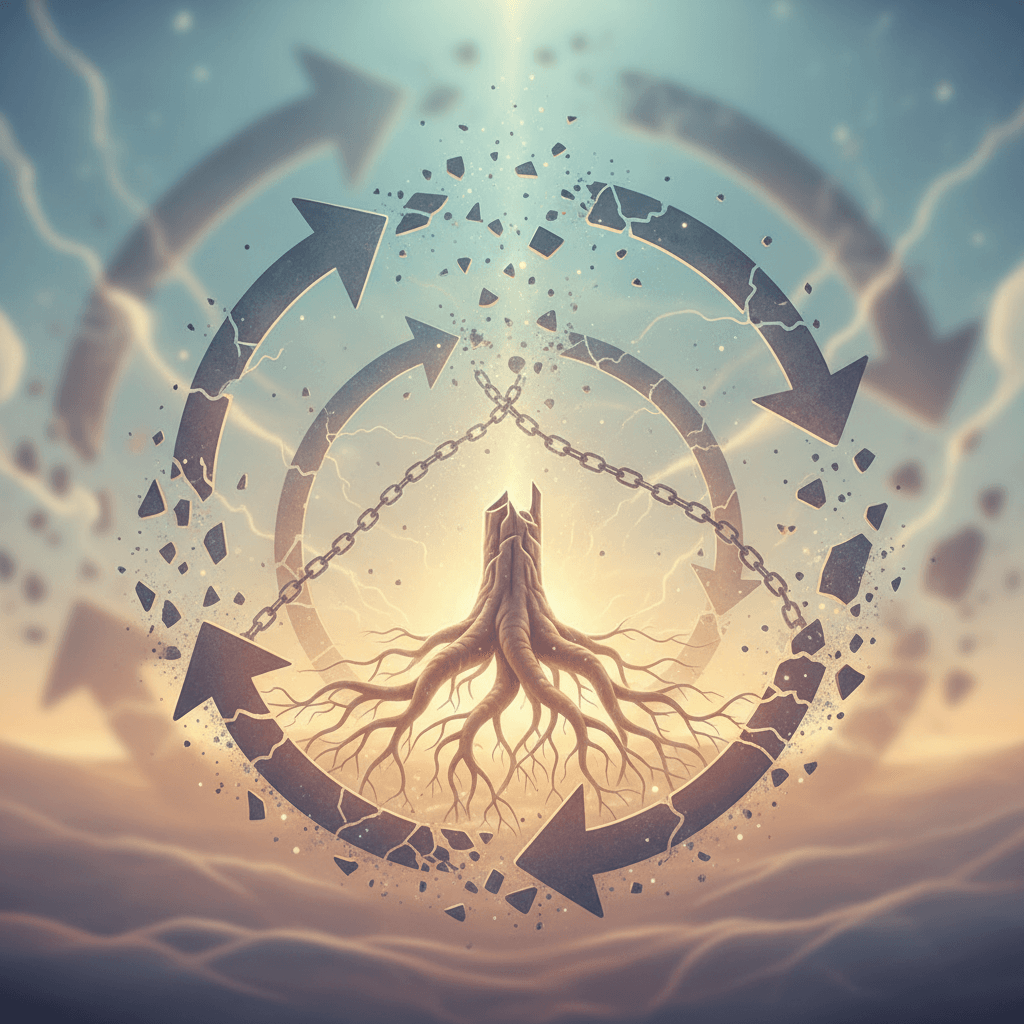
Understanding chronic relapse and its impact
If you live with addiction, chronic relapse can feel like a painful loop you cannot escape. You get sober, work hard in treatment, and begin rebuilding your life. Then something shifts, you return to use, and it seems as if everything collapses again. When this pattern repeats several times, it is common to feel exhausted, ashamed, and hopeless about your ability to stay sober.
Chronic relapse is rarely about a lack of willpower. In many cases, deeper drivers like unresolved trauma, untreated mental health symptoms, chronic pain, or spiritual emptiness continue to pull you back toward substances. Traditional rehab may stabilize you for a time, but if those root causes remain, you may find yourself repeating the same cycle. Recognizing this pattern is the first step toward seeking approaches that address more than just short term abstinence.
Why relapse keeps happening
Relapse is usually a process, not a single moment of “weakness.” Understanding how and why it unfolds can help you see where your current strategies are not enough.
Emotional and psychological triggers
Many people relapse when intense emotions feel impossible to manage. Stress, loneliness, shame, resentment, or grief can activate old beliefs such as “I cannot handle this” or “using is the only thing that works for me.” If you have learned to cope through substances for years, your brain automatically connects discomfort with the idea of using.
Even after detox and rehab, underlying depression, anxiety, or post traumatic stress can persist. When these conditions are not fully treated, they often drive cravings and high risk situations. You might find yourself thinking less about your recovery and more about relief, even if you do not act on those thoughts immediately.
Habit loops and brain changes
Addictive substances reshape how your brain processes reward, motivation, and stress. Over time, you may develop strong habit loops that connect certain places, people, or feelings with using. Something as simple as driving past an old neighborhood or getting a late night text from a former using friend can trigger intense cravings.
These patterns can remain active long after you stop using. In chronic relapse, your rational mind may know the consequences, but your brain still expects the substance when a trigger appears. Without a powerful interruption of these loops, you can feel pulled back into old behavior even when you are committed to recovery.
Gaps in treatment and aftercare
Many traditional programs are intensive during the first 30 to 60 days, then taper off sharply. If you return to a stressful environment without enough ongoing support, your risk of relapse increases. You might not have:
- Strong coping skills for high risk situations
- A stable, recovery focused community
- A long term plan for mental health and emotional care
- Structure in your daily life after treatment ends
When you have already tried multiple rehabs or outpatient programs, it can feel like you have “done everything.” In reality, you may have had treatment that focused on detox and early sobriety but did not fully address longer term change.
Where ibogaine fits in chronic relapse
If you have relapsed several times despite your efforts, you may have started searching for alternatives. Ibogaine for chronic relapse has gained attention as a possible way to disrupt entrenched addiction patterns, especially with opioids and other substances that are difficult to stop.
Ibogaine is a psychoactive compound derived from the root bark of the African shrub Tabernanthe iboga. It is not approved as a medication in the United States, and it carries significant medical risks, particularly to the heart. However, it is used in some other countries in medically supervised settings as an experimental addiction treatment.
People who explore ibogaine are often those who feel stuck in a repeating relapse cycle, or who have what is sometimes called treatment resistant addiction. In that context, ibogaine is viewed not as a magic cure, but as a potential “pattern interruption” that may give you a different starting point for recovery if it is combined with strong aftercare and ongoing support.
How ibogaine acts as a pattern interruption
Ibogaine appears to influence both the physical and psychological dimensions of addiction. While research is still developing, existing observational studies provide insight into how it might interrupt the cycle of chronic relapse for some people.
Reducing withdrawal and cravings
One of the most challenging parts of breaking a chronic relapse cycle, particularly with opioids, is facing withdrawal and post acute cravings over and over. In a 2017 observational study of 88 people who received ibogaine for problematic opioid use in Mexico, 80 percent reported that ibogaine eliminated or drastically reduced withdrawal symptoms, and 50 percent reported a reduction in opioid cravings. About 25 percent said that craving reduction lasted at least three months [1].
For someone who has repeatedly tried to quit and been overwhelmed by withdrawal, that kind of relief may create a unique window of opportunity. It can allow you to move beyond crisis management and put attention on therapy, lifestyle changes, and deeper healing, instead of spending all your energy just trying not to use.
Possible impact on long term use patterns
The same study followed participants over time and found that 30 percent of people treated with ibogaine for chronic opioid use reported never using opioids again after treatment. Among those who remained abstinent, 54 percent stayed opioid free for at least one year and 31 percent for at least two years. Overall, 41 percent of all participants reported sustained abstinence from opioids for more than six months at the time of follow up [1].
Not everyone stopped completely. Among those who did relapse, 48 percent reported a decrease in opioid use compared to before treatment, which suggests ibogaine may support meaningful reduction even if full abstinence is not achieved [1]. For chronic relapse, any shift that breaks the all or nothing cycle and creates space for different choices can be significant.
Insight and spiritual experiences
The same research found that treatment “responders,” meaning those who achieved sustained abstinence or substantial reductions in use, reported lower depression and anxiety and higher subjective well being at long term follow up. They also tended to describe their ibogaine experiences as more spiritually meaningful and insightful [1].
Participants who did better over time often reported that ibogaine gave them greater insight into the personal and emotional roots of their addiction. They described seeing patterns from their past, understanding why they used, or experiencing a sense of connection and purpose that had been missing. According to the study, these deeper psychological and spiritual shifts may play a role in ibogaine’s long term effects on substance use [1].
If you have relapsed many times, it is common to feel disconnected from yourself and those around you. Experiences that restore meaning, self understanding, and hope can be powerful motivators for change, especially when they are supported by continued therapy and community.
Safety considerations and medical risks
Any honest discussion of ibogaine for chronic relapse must also address safety. Ibogaine can be dangerous, particularly for people with certain medical conditions or those taking specific medications. It is not a gentle or risk free option, and it is not appropriate for everyone.
Cardiac and neurological effects
An open label observational study in the Netherlands gave a single oral dose of ibogaine hydrochloride to 14 people with opioid use disorder who had not been able to reach abstinence with standard treatments. The study found that ibogaine caused a significant but reversible prolongation of the QTc interval, a heart rhythm measure. On average, QTc increased by 95 ms, and 50 percent of participants had QTc values above 500 ms during 24 hour monitoring, which is considered a high risk range. No torsades de pointes, a specific dangerous arrhythmia, occurred in this small group, but the risk was present [2].
All patients in the study also experienced bradycardia, which is a slow heart rate, and severe but temporary ataxia, or problems with coordination, such that they could not walk without support. These cerebellar side effects resolved within 24 to 48 hours [2].
Psychological effects were mostly mild and tolerable in this study, and 11 of the 14 participants did not return to morphine within 24 hours, with withdrawal severity staying low. This suggested some potential for withdrawal relief [2]. However, the overall conclusion emphasized significant cardiac safety concerns, particularly for long term use, and recommended that ibogaine only be used in strict medical settings with intensive cardiac monitoring [2].
Why medical supervision is critical
Because of these risks, ibogaine should never be self administered or taken in informal settings. If you are considering ibogaine for chronic relapse, it is crucial to:
- Have a full medical evaluation, including cardiac testing, before treatment
- Review your medication list carefully with a physician who understands ibogaine interactions
- Ensure continuous heart monitoring is available during and after dosing
- Be in a setting that can respond immediately to cardiac or neurological emergencies
The potential benefits described in observational studies are closely tied to careful screening and monitoring. Without that, the same properties that make ibogaine powerful may also make it dangerous.
What ibogaine can and cannot do
It can be tempting to view ibogaine as a “last chance” or instant cure for chronic relapse. This expectation can set you up for disappointment. A more realistic perspective may help you decide whether it fits into your recovery plan.
Ibogaine may be able to:
- Reduce or interrupt acute withdrawal and intense cravings for a period of time, especially with opioids
- Offer deep psychological insight into why you use and how your life has been shaped by addiction
- Create a window in which you feel more emotionally open, spiritually connected, and motivated to change
- Support significant reductions in use or sustained abstinence for some people, particularly when followed by strong aftercare [1]
Ibogaine cannot:
- Replace the need for ongoing therapy, community, and lifestyle change
- Guarantee that you will never relapse again
- Fix medical, financial, or relationship consequences of addiction on its own
- Remove the need for you to engage actively in your recovery after the treatment session ends
When you frame ibogaine as a possible turning point rather than a complete solution, it becomes easier to see how it might fit into a broader plan that also includes more conventional supports.
The critical role of structured aftercare
One of the most important lessons from chronic relapse is that what happens after treatment often matters as much as what happens during it. The same is true with ibogaine. Many people who explore options like ibogaine treatment after rehab failure or ibogaine therapy after multiple relapses are not just looking for detox. They are seeking a new foundation for long term sobriety.
Turning insight into daily change
If ibogaine provides insight or temporary relief from cravings, that effect needs to be translated into daily actions. This is where structured aftercare becomes essential. A strong aftercare plan may include:
- Ongoing individual therapy to work through trauma, grief, or long standing patterns
- Group support, such as recovery meetings or therapy groups, for connection and accountability
- Medical and psychiatric follow up to manage mood, sleep, and other health issues
- Practical support with housing, work, or education to reduce stress and instability
Without this structure, even a profound ibogaine experience can fade into the background as old routines reassert themselves. With it, you have a better chance of turning a single turning point into a lasting change in direction.
Building a new recovery framework
You may find it helpful to think of ibogaine as one part of a broader “relapse cycle treatment” strategy. Resources that focus on ibogaine relapse cycle treatment or ibogaine therapy for repeated relapse often highlight the importance of:
- Identifying your specific relapse triggers and building targeted coping plans
- Redefining recovery in terms of overall life quality, not only abstinence
- Integrating spiritual or meaning centered practices if that resonates with you
- Staying in regular contact with a recovery oriented support network
In this framing, ibogaine may help you step outside your usual pattern long enough to design a different path, but the day to day work of walking that path still belongs to you with support.
Is ibogaine appropriate for your situation
Deciding whether to pursue ibogaine for chronic relapse requires honest reflection and careful medical guidance. Not everyone is a suitable candidate, and not every treatment setting is safe.
You might consider learning more about ibogaine based approaches if:
- You have tried standard detox, rehab, or outpatient care multiple times without sustained success
- You feel trapped in a pattern where withdrawal and early cravings repeatedly lead to relapse
- You are willing to engage in comprehensive aftercare, not just a single treatment session
- You understand and accept the medical risks, and you are committed to thorough screening and monitoring
You may want to explore other options first or instead if:
- You have significant heart disease or risk factors that make ibogaine unsafe
- You are taking medications that cannot be safely combined with ibogaine
- You are not in a position to follow through on aftercare or to change your environment after treatment
In any case, it can be helpful to view ibogaine in the context of a wider range of supports, including ibogaine for treatment resistant addiction and ibogaine for treatment resistant substance use, as well as non ibogaine based therapies, medications, and recovery communities.
If you think of recovery as a long journey rather than a single event, then any powerful intervention, including ibogaine, becomes one significant mile marker instead of the entire road.
Moving toward long term sobriety
If you decide to pursue ibogaine, or if you are simply exploring your options, you may want to focus on how any treatment can support ibogaine for long term sobriety or broader ibogaine for addiction relapse prevention. The goal is not just to stop using for a short period. It is to build a life that feels stable, connected, and worth protecting.
You do not have to decide everything at once. Your next step might be as simple as speaking honestly with a trusted medical professional, therapist, or recovery mentor about your history of relapse and your interest in approaches like ibogaine alternative after rehab. From there, you can evaluate the risks and benefits together, clarify your priorities, and create a plan that honors both your safety and your hope for change.
No single treatment can erase what you have been through. But with the right combination of medical care, psychological support, and long term structure, it is possible to shift out of the painful cycle of chronic relapse and move toward a more durable and peaceful recovery.