Ibogaine dosing methods explained
When you first encounter ibogaine, you will quickly see two very different approaches described everywhere: microdosing and flood dosing. Having ibogaine dosing methods explained in a clear, practical way can help you understand what actually happens in clinical settings, how protocols are structured, and why self-directed experimentation carries real medical risks.
In this guide, you explore how ibogaine is administered in supervised programs, how microdosing and flood doses differ in purpose and effect, and what current evidence and guidelines say about safety and dosing ranges.
Understanding ibogaine and its medical risks
Ibogaine is an indole alkaloid derived from the West African shrub Tabernanthe iboga. It has been used in Western contexts to interrupt dependence on substances such as opioids, alcohol, and stimulants by giving a single large dose that produces intense hallucinations and a prolonged altered state of consciousness [1].
At the same time, ibogaine is not a benign plant remedy. High doses have been associated with serious adverse events, including:
- Ataxia and severe coordination problems
- Gastrointestinal distress
- Ventricular arrhythmias and sudden unexplained deaths [1]
Animal studies have shown that doses which reduce drug self administration in rodents can also cause neuronal injury, such as damage to Purkinje cells in the cerebellum, and lethality in rodents has occurred around 263 mg per kilogram of body weight [1].
Because of these risks, any discussion of ibogaine dosing should start with safety. Medical screening, conservative dosing, and continuous monitoring are not optional extras. They are central to any responsible ibogaine treatment dosing protocol.
How ibogaine is administered in clinical settings
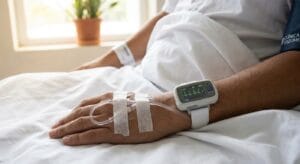
In reputable medical programs, ibogaine is not smoked, snorted, or taken as raw plant material. It is administered as a precisely measured oral capsule under continuous medical supervision.
Stepwise medical screening and preparation
Before you receive ibogaine in a clinical setting, you can expect a thorough screening process that usually includes:
- Comprehensive medical history and substance use history
- Blood tests and urine tests
- A 12 lead EKG to evaluate heart rhythm and detect QTc prolongation or other cardiac vulnerabilities [2]
Because ibogaine can block hERG potassium channels in the heart and lengthen the QT interval, this type of cardiac review is essential, even for protocols that use lower doses [3]. Some literature has suggested that a safe initial dose for humans may be closer to 0.87 mg per kilogram of body weight, significantly lower than many doses used in uncontrolled environments, and warns that higher first doses may keep morbidity and mortality risks unacceptably high [1].
In preparation for a flood dose, you are typically asked to fast for at least 8 to 12 hours. Fasting reduces nausea and vomiting and minimizes the chance that the medicine is lost before it is absorbed [4]. You may also be instructed to follow specific hydration guidelines, for example roughly 1 fluid ounce of electrolyte containing fluids like coconut water per kilogram of body weight in the 24 hours before treatment, during treatment, and for at least 72 hours afterward to maintain electrolyte balance [4].
Hydration, IV access, and anti nausea support
For a full dose or flood dose protocol, additional preparation is often used to reduce cardiac and blood pressure risks:
- Hydration with about 1 liter of lactated Ringer’s or normal saline plus magnesium sulfate, starting one hour before dosing and continuing until two hours after, to help prevent hypotension and reduce the risk of a specific arrhythmia called torsades de pointes [4]
- Establishment of an intravenous port so that fluids and emergency medication can be given quickly if needed, especially if vomiting or other complications make oral hydration difficult [4]
- Preventive anti nausea medication such as intramuscular diphenhydramine 25 to 50 mg, or sometimes alternatives like promethazine or ginger, with careful attention to avoid drugs that may further prolong QT interval or excessively lower heart rate [4]
All of these steps are part of a structured ibogaine treatment dosing protocol, not extras. They are central to why established clinics strongly discourage self administration without medical infrastructure [5].
Flood dose ibogaine treatment
A flood dose, sometimes called a saturation dose or full dose, is the approach most people associate with ibogaine treatment for opioid or other substance dependence. If you are exploring what a flood dose is, you may also want to review focused resources such as what is a flood dose ibogaine and ibogaine full dose treatment.
Typical dosing range and structure
Flood doses are usually calculated in milligrams per kilogram of body weight. Clinical and observational protocols have reported:
- Single oral doses around 500 to 1,000 mg for opioid dependent patients in supervised trials, with peak blood levels about 2 hours after ingestion and more than 90 percent eliminated at 24 hours [6]
- A Brazilian clinic using an average single dose of about 17 mg per kilogram combined with psychotherapy. Repeat doses were given months apart, which produced significant abstinence periods with mostly mild short term side effects under close supervision [6]
- Harm reduction guidelines advising that doses over 12 mg per kilogram are associated with higher cardiac risk and recommending an upper limit of 24 mg per kilogram in any 24 hour period [7]
Some practitioners divide the flood dose into segments over several hours or days, which has been proposed as a way to lower toxicity risk. Others use a small test dose of about 2 to 3 mg per kilogram at least 2 hours before the main dose to watch for unusual metabolism or allergic reactions, although not all providers consider this step necessary when screening is thorough [7].
Extremely overweight or underweight individuals may require adjusted mg per kilogram dosing that accounts for digestive system size rather than total body weight, and again this underscores why individualized medical oversight is so critical [7].
Purpose and effects of a flood dose
The goal of a flood dose is to create a kind of neurochemical reset. At doses around 10 to 20 mg per kilogram, ibogaine is believed to:
- Restore sensitivity of opioid receptors
- Upregulate GDNF, a neurotrophic factor important for dopaminergic function
- Dramatically reduce acute withdrawal and cravings in the short term [3]
You can expect a long, intense experience that often starts in the evening, lasts overnight, and can include visions, life review material, and profound psychological content. Heart rate and vital signs are monitored throughout so that emergency interventions can be deployed immediately if needed [5].
Post treatment, some centers use written agreements sometimes called a “life contract” that you sign before dosing. These agreements can include commitments like remaining in the safe space during the experience and choosing life in the event of a near death feeling. This framework has been described as helpful for containing extreme psychological reactions [7]. If you want more context on the subjective side of this approach, resources on the ibogaine flood dose experience can be useful.
Ibogaine microdosing protocols
In contrast to a single large flood dose, microdosing uses repeated, very small amounts of ibogaine. It is important to distinguish speculative or self directed microdosing from medically supervised protocols that use low doses as part of an aftercare plan.
Typical microdosing ranges and schedules
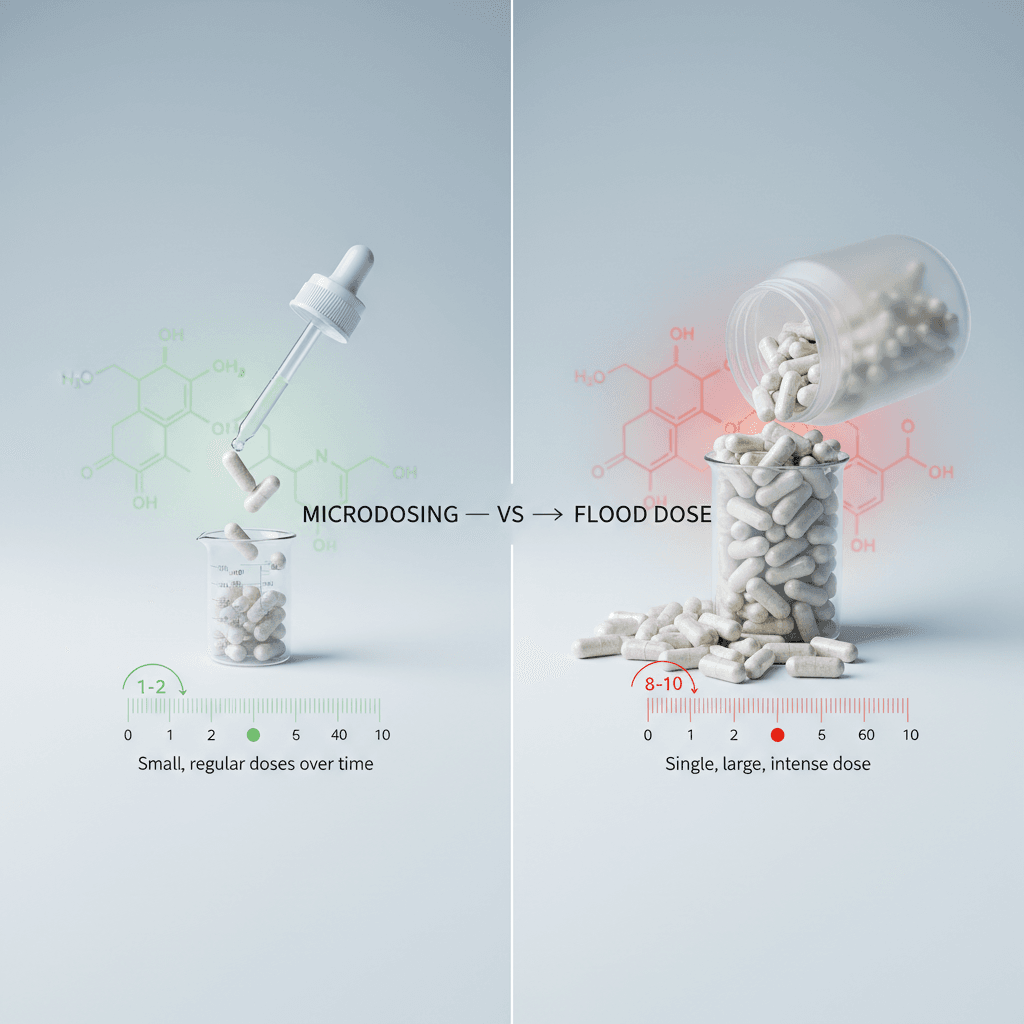
Microdosing protocols often refer to daily or intermittent doses between roughly 1 and 5 mg per kilogram of body weight, far below the 10 to 20 mg per kilogram used in a full flood dose. At these lower levels you do not usually experience visions or the acute intense effects that characterize full dose ibogaine sessions [3].
Some microdosing protocols use fixed capsule amounts repeated on specific days of the week, others adjust doses based on response and side effects. In any medically supervised microdosing approach, you should still expect baseline cardiac screening with a 12 lead EKG, careful review of all medications and supplements, and ongoing monitoring of heart rhythm because even low doses can prolong QTc by blocking hERG channels [3].
Clinics such as MindScape Retreat, for example, use ibogaine microdosing only as a part of medically supervised aftercare following a full flood dose. They offer individualized dosing plans and continuous monitoring within a time limited 90 day integration framework, and explicitly do not support self directed or stand alone microdosing without prior flood dose therapy [3].
If you are curious specifically about structured low dose protocols, you can explore ibogaine microdose therapy and ibogaine microdosing benefits as complementary resources.
Theoretical goals and mechanisms of microdosing
Microdosing is often framed as a way to support ongoing recovery or mood stabilization rather than as a primary detox tool. Proposed mechanisms, which remain theoretical in humans, include:
- Maintaining elevated GDNF levels that were originally increased by a prior flood dose
- Extending the mood stabilizing effect of noribogaine, the main ibogaine metabolite, by replenishing it over time
- Modulating opioid receptors in a gentler pattern that may help reduce relapse risk
- Regulating kappa opioid receptors that are involved in mood and pain responses [3]
You will sometimes see microdosing mistakenly promoted online as a substitute for a full detox or as a safe way to self treat active heavy opioid use. Current evidence does not support this idea. A dose of 1 to 5 mg per kilogram does not create the same neurochemical reset seen with a flood dose, and it is not sufficient by itself to manage intense physical withdrawal or rapidly interrupt longstanding dependence [3].
Key differences between microdosing and flood dose approaches
To make sense of the difference between ibogaine doses in real terms, it helps to compare purpose, dosing, effects, and safety needs side by side. You can find more context on this topic in difference between ibogaine doses, ibogaine dosage comparison, and ibogaine microdosing vs flood dose.
| Aspect | Flood dose | Microdosing |
|---|---|---|
| Primary goal | Acute detox, interruption of dependence, deep psychological reset | Maintenance support, mood stabilization, integration after prior flood dose |
| Typical dose range | About 10–20 mg per kg, often given as a single dose or split over hours [3] | About 1–5 mg per kg on a repeated schedule [3] |
| Subjective effects | Intense visions, altered consciousness, often overnight experience | Sub perceptual or mild, no classic visionary state intended |
| Setting | Inpatient or residential clinical setting with 24 hour monitoring | Usually clinic linked aftercare with structured follow up. Self directed use is discouraged |
| Monitoring | Continuous heart rate and rhythm monitoring, IV access, fasting and hydration protocols [8] | Baseline and periodic EKG, medication review, careful symptom monitoring due to ongoing cardiac risk [3] |
| Evidence base | Human observational and clinical data for substance dependence, plus substantial safety concerns [9] | Mostly theoretical mechanisms and extrapolation. Limited human data on long term microdosing outcomes |
Both approaches still require structured protocols because ibogaine’s pharmacokinetics are highly variable. It is metabolized mainly by CYP2D6, and individuals can differ widely in how quickly they clear the drug. Documented toxicities include cardiac arrhythmias and neurotoxic effects, which means that even low dose protocols are not inherently safe without medical guidance [6].
Clinical protocols and dose safety considerations
To grasp ibogaine dosing methods explained comprehensively, you need to look at how clinicians integrate these approaches into complete treatment plans and why they lean toward more conservative dosing in many cases.
Starting with lower doses
Animal toxicity data and human case reports have led some experts to argue that an initial oral dose under 1 mg per kilogram may be a safer starting point for new patients. Doses can then be carefully titrated upward if there is a clear therapeutic indication and the person tolerates the medicine well [10].
Some protocols use booster doses of 1 to 5 mg per kilogram, either a few hours after the main dose or a day or more later, to address residual withdrawal symptoms or extend benefits. These boosters must be used cautiously, especially in anyone with borderline cardiac findings, and they count toward the total 24 hour dose limit recommended by harm reduction guidelines [7].
Timing with withdrawal and medical status
If you are using ibogaine for opioid dependence, timing relative to withdrawal symptoms is critical. Generally, dosing is avoided when your vitals are unstable or when you are not yet in adequate withdrawal. Some guidelines recommend starting ibogaine when an Objective Opioid Withdrawal Score reaches around 3 to 7. This timing helps reduce the risk of precipitated withdrawal and allows better assessment of outcomes [7].
Severe medical compromise, uncontrolled heart disease, or incomplete detox from substances that also prolong QT interval can all increase risk to an unacceptable level. This is another reason self directed high dose trials are strongly discouraged, even for individuals who feel otherwise healthy.
Why self administration is discouraged
Throughout the clinical literature and harm reduction materials, you will find a consistent message. Ibogaine should not be self administered, whether as a flood dose or as “harmless” microdoses. Reasons include:
- The need for EKG and lab screening before each course of treatment
- The possibility of silent arrhythmias or conduction changes that only monitors can detect
- The interaction with many psychiatric and cardiac medications that may also lengthen QT or affect heart rate
- The inability to rapidly respond to seizures, arrhythmias, or severe vomiting without trained staff and IV access [11]
If you are comparing ibogaine dosing approaches because you are considering treatment, prioritizing programs that follow cautious, evidence informed protocols is essential. A reputable center will be transparent about its dosing ranges, monitoring practices, and medical staff.
You can deepen your understanding of how different programs structure treatment by reviewing resources on ibogaine treatment dosing protocol and related guides.
Choosing an approach for your situation
When you evaluate ibogaine for yourself or a loved one, try to move beyond simplified promises and focus on how each method fits your needs, health status, and support system.
- If your primary concern is acute detox and intense physical dependence, medical programs typically rely on a carefully monitored flood dose, sometimes combined with follow up boosters, psychotherapy, and longer term recovery planning.
- If your main interest is ongoing mood support, relapse prevention, or integration after a prior full treatment, a supervised microdosing protocol may be considered in some programs, but it is not usually used as a stand alone solution for severe active addiction.
Reading more about ibogaine dosage comparison and ibogaine microdosing vs flood dose can help you clarify which questions to bring to a prospective provider. In each case you will want to ask how they assess cardiac risk, what their maximum dose limits are, how they respond to emergencies on site, and how they integrate psychotherapy and aftercare into the overall plan.
Understanding ibogaine dosing methods explained in this level of detail can feel technical at first. Yet this knowledge gives you a clearer picture of what safe treatment should look like, how different protocols serve different purposes, and how to evaluate claims you see online against the realities of clinical practice and safety data.
References
- (PubMed)
- (Experience Ibogaine, MindScape Retreat)
- (MindScape Retreat)
- (Global Ibogaine Therapy Alliance)
- (Experience Ibogaine)
- (Drugs.com)
- (Global Ibogaine Therapy Alliance)
- (Experience Ibogaine, Global Ibogaine Therapy Alliance)
- (PubMed, Drugs.com)
- (Drugs.com, PubMed)
- (Experience Ibogaine, Drugs.com)