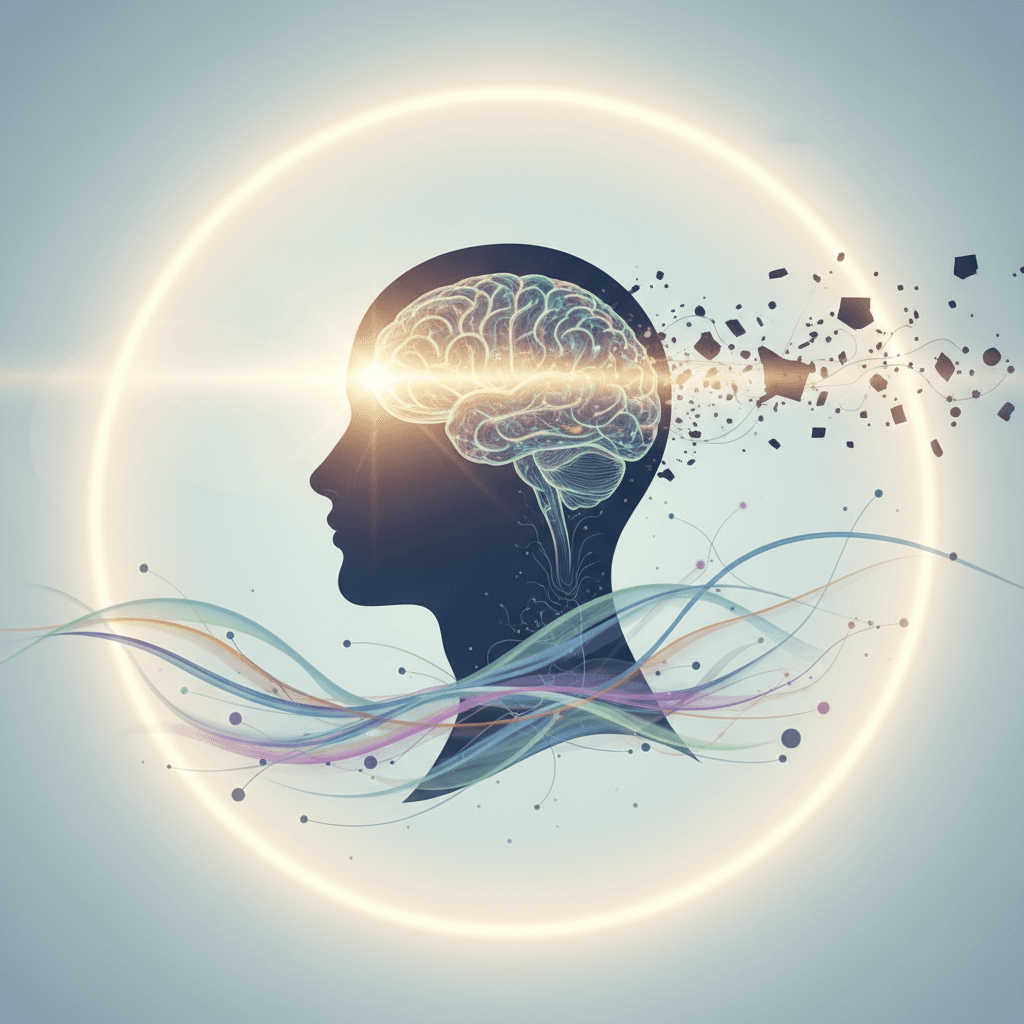
Ibogaine effects on cravings can be life changing if you are caught in a cycle of using, detoxing, and relapsing. Cravings are not just about willpower. They are driven by deep changes in your brain’s reward circuits, stress systems, and learning pathways. Understanding how ibogaine might affect those systems helps you see why some people describe it as a mental and neurological reset rather than just another detox tool.
In this guide, you will learn how ibogaine appears to reduce cravings, how that connects to compulsive behavior and relapse patterns, and why a single experience can sometimes lead to lasting behavioral change. You will also see where the evidence is strong, where it is still emerging, and how ibogaine fits into a broader recovery plan focused on long term healing.
Understanding cravings in addiction
Cravings are not just a desire to use. They are a full body and brain state. You might feel them as urgent thoughts, physical tension, emotional pressure, or a sense that nothing else matters until you use. Over time, repeated substance use reshapes your brain so that:
- Drug cues and triggers become tightly linked to reward
- Stress more quickly pushes you toward using
- Natural rewards like relationships or hobbies feel flat compared to the drug
Neuroscientists often talk about three systems that drive this process: reward, learning, and stress. With repeated use, the reward system becomes less responsive to normal experiences and more tuned to your substance. Your brain also learns powerful associations between certain situations and using, and it stores those as habits. At the same time, your stress system becomes overactive, which can make you feel on edge or empty when you are not using.
Ibogaine is being studied because it seems to act on all three of these systems. The reported ibogaine effects on cravings are not just about numbing urges for a few hours. Instead, ibogaine appears to interact with the underlying circuits that keep cravings and compulsions alive.
How ibogaine acts in your brain
Ibogaine is a psychoactive compound derived from the root bark of the African plant Tabernanthe iboga. It is not approved as a medication in the United States, and it carries real medical risks, especially to the heart, so any discussion of its benefits should be balanced with caution. At the same time, several decades of research and clinical observation suggest that ibogaine may influence addiction related brain systems in unique ways.
Multi receptor interaction and craving reduction
Unlike most medications that focus on a single receptor, ibogaine interacts with several targets involved in addiction. Clinical and preclinical evidence suggests that ibogaine affects:
- NMDA receptors, which are linked to glutamate signaling and learning
- κ and μ opioid receptors, which participate in pain relief, reward, and withdrawal
- Sigma 2 receptors, which may influence mood and cellular stress responses
In a clinical study of patients with opioid use disorder treated in the Netherlands between 2015 and 2017, a single 10 mg/kg dose of ibogaine was associated with reduced opioid withdrawal symptoms and decreased craving within 24 hours, although 3 of 14 patients resumed morphine during that period, which shows that responses can vary [1]. This suggests that ibogaine can ease craving and withdrawal in some people, but it is not universally effective on its own.
Animal research supports these findings. Meta analyses have shown that ibogaine reduces self administration of opiates and cocaine in animal models and decreases place preference for drugs, which means the animals are less drawn to drug associated environments [1]. This preclinical work provides a biological foundation for the anti craving reports seen in people.
Neurotrophic factors and reward system recovery
One of the most important ibogaine effects on cravings appears to come from its impact on neurotrophic factors. A 2025 narrative review found that ibogaine increases levels of glial cell line derived neurotrophic factor (GDNF), a protein that supports the health and growth of dopamine neurons [2]. These neurons are central to your brain’s reward system and are heavily damaged by chronic substance use.
Preclinical work indicates that ibogaine and its metabolite noribogaine promote survival of dopamine neurons in the ventral tegmental area and nucleus accumbens through GDNF induction [2]. This may help restore reward circuits that have been hijacked by drugs. When these circuits begin to function more normally again, your experience of reward can rebalance, which may reduce the intensity of drug focused cravings.
Glutamate, learning, and extinction of old patterns
Cravings are not just about reward signals, they are also about learned associations. You learn that certain people, places, and emotional states predict drug availability or relief. Ibogaine appears to influence this learning layer through glutamate signaling.
Research suggests ibogaine acts as a mild NMDA receptor antagonist and modulates metabotropic glutamate receptors (mGluR2/3). This combination can reduce excessive glutamate release and support extinction learning, which is the process of updating or weakening old reward and fear connections [2]. In practice, this may help your brain detach from some of the rigid patterns that keep you locked into automatic using responses.
When you combine this biological flexibility with intentional therapeutic work, such as ibogaine therapy for habit change, you create conditions where old triggers do not automatically lead to the same behaviors.
Ibogaine and the “mental reset” experience
Many people describe ibogaine as a mental reset. This does not mean that every problem disappears overnight. Instead, it refers to a shift in how you experience cravings, memories, and emotions in the days and weeks after treatment.
Neuroplasticity windows and new connections
Neuroplasticity is your brain’s ability to form new connections and reorganize itself. According to the 2025 review, ibogaine appears to reopen neuroplasticity windows, particularly in circuits related to reward, mood, and learning [2]. When these windows are open, you may have a period where:
- Old patterns feel less automatic
- New habits are easier to practice
- Therapy and insight work feel more powerful
This is one reason clinics often talk about an ibogaine brain reset for addiction. The ibogaine experience itself is important, but what you do afterward, in that window of enhanced plasticity, plays a major role in how much your life actually changes.
Noribogaine and sustained anti craving effects
Ibogaine is quickly transformed in your body into noribogaine, a metabolite that stays active for a longer period. Reports from clinical practice suggest that noribogaine contributes to ongoing anti craving and mood stabilizing effects after the acute psychoactive experience fades [3].
You might notice:
- Less obsessive thinking about using
- A more stable or lifted mood
- A wider gap between a trigger and your urge to act on it
This is one way ibogaine creates a bridge between a single treatment session and longer term behavioral change. The metabolite maintains support for your brain while you begin building new routines and supports into your life.
Evidence for ibogaine’s effects on cravings
Clinical research on ibogaine is still limited compared with conventional addiction treatments, but several human studies and surveys give insight into how powerful its impact on cravings can be for some people.
Opioid craving and withdrawal reduction
In a survey of 88 people treated with ibogaine in Mexico for problematic opioid use between 2012 and 2015, 50 percent reported a reduction in opioid craving that lasted at least one week. About 25 percent experienced reduced craving for three months or longer after treatment [4]. In the same program, 80 percent said ibogaine eliminated or drastically reduced withdrawal symptoms during the acute phase, which are tightly linked to intense cravings.
The survey also found that:
- 30 percent reported never using opioids again after treatment
- Among those who stayed abstinent, 54 percent remained abstinent for at least one year
- Even among people who did relapse, 48 percent used less than they did before ibogaine [4]
These numbers do not mean ibogaine guarantees long term abstinence. They do suggest that ibogaine can significantly shift craving intensity and use patterns in many people, especially when it is combined with intentional follow up care such as ibogaine for relapse prevention.
The role of insight and spiritual meaning
The same survey highlighted something important about how ibogaine changes behavior. People who reduced their opioid use more strongly agreed that their ibogaine experience gave them insight into the cause of their addiction and that the experience was spiritually meaningful, compared with those who did not change as much [4].
This suggests that ibogaine’s impact on cravings is not only biochemical. The intense psychological experience can help you:
- See your patterns more clearly
- Understand the pain or trauma beneath your use
- Reconnect with values or purposes that matter to you
When this type of insight work is combined with the neurobiological reset, you have both a shift in brain chemistry and a shift in how you relate to your life. That combination is often what allows cravings to lose some of their power.
From craving reduction to behavioral change
Craving reduction is important, but it is only part of recovery. You also need space to replace compulsive patterns with healthier habits and supports. Ibogaine’s unique profile may help you move from momentary relief to deeper behavioral change.
Interrupting addiction patterns
One central benefit of ibogaine is its ability to interrupt entrenched addiction patterns. Many people find that after treatment, their usual routines feel disrupted. You might find you:
- Wake up and do not automatically reach for your usual substance
- Walk into old triggering environments and feel more distance from them
- Have enough mental space to pause and choose a different response
This pattern interruption is part of what is meant by ibogaine addiction pattern interruption. Ibogaine does not do the long term work for you, but it can break through cycles that have felt unbreakable, which gives you a rare window to create new patterns.
Supporting new habits and coping strategies
As neuroplasticity increases and cravings decrease, you may find it easier to practice new habits. This could include:
- Attending therapy or support groups
- Building a daily routine that includes sleep, nutrition, and movement
- Reconnecting with family or community
- Exploring meaningful activities that are not connected to substances
When you combine ibogaine’s window of reduced cravings with intentional habit building and structured support, you strengthen the long term effect on compulsive behavior. This is where approaches like ibogaine therapy for compulsive behavior and ibogaine therapy for habit change fit in. They help you translate an acute experience into sustained change.
A single ibogaine treatment session can markedly reduce the symptoms of dependence, including intense cravings, by restoring neurotransmitter function and normalizing brain chemistry that has been disrupted by prolonged substance use, as described by clinical practitioners in 2024 [3].
Trauma, mood, and your craving cycle
Cravings are often intertwined with trauma, anxiety, depression, and cognitive problems. When you feel overwhelmed or numb, using can seem like the fastest way to change your state. Some of the most compelling ibogaine data comes from work with people whose addiction is linked to trauma and brain injury.
PTSD, anxiety, and depression improvements
A 2024 study of military veterans with traumatic brain injuries treated with ibogaine at a clinic in Mexico reported remarkable improvements one month after treatment. On average, veterans experienced:
- An 88 percent reduction in PTSD symptoms
- An 87 percent reduction in depression symptoms
- An 81 percent reduction in anxiety symptoms [5]
These changes were accompanied by improvements in cognitive functions like concentration, memory, and impulsivity. Functional disability scores on a World Health Organization scale dropped from mild to moderate disability to no disability on average [5].
Although this study focused on trauma rather than addiction alone, it highlights how ibogaine might reduce some of the emotional and cognitive pressures that feed cravings. When you are less anxious, less haunted by trauma, and better able to think clearly, the urge to use as a coping mechanism can weaken.
Neurophysiology and stress response
Researchers in the same study observed that ibogaine treatment increased theta brain waves, which are linked to cognitive flexibility, and reduced measures of cortical complexity associated with PTSD symptoms [5]. These changes suggest that ibogaine may recalibrate how your brain processes stress and threat.
For you, this can translate into:
- Feeling less driven by fight or flight responses
- Having more space between stressful events and the urge to use
- Experiencing internal states that are easier to tolerate without substances
When you pair these neurophysiological shifts with specific work on triggers, such as ibogaine treatment for addiction triggers, you gain tools to recognize and manage the situations that used to automatically send you back to use.
Limits, safety, and realistic expectations
Despite the promising data, ibogaine is not a cure, and it is not the right choice for everyone. It has medical risks, particularly related to heart rhythm, and must never be taken without medical screening and monitoring. In the veteran study mentioned above, ibogaine was combined with magnesium for heart protection, and no serious cardiac complications were observed, although mild side effects like headaches and nausea did occur [5].
You should also keep in mind:
- Ibogaine’s effects on cravings can be limited or short lived in some people. In the Dutch opioid study, 3 out of 14 patients resumed morphine within 24 hours despite treatment [1].
- Long term outcomes depend heavily on what support and structure you have after treatment.
- More research is needed to standardize dosing, screening, and integration support.
If you decide to explore ibogaine, choosing a medically supervised setting and a program that integrates psychological support is essential. Resources like ibogaine mental reset treatment and ibogaine craving reduction can help you understand what a comprehensive approach looks like.
Using ibogaine to support your recovery journey
When you look at the research together, a consistent picture emerges. Ibogaine effects on cravings matter because they reach deeper than symptom control. Through its complex actions on opioid, glutamate, and other receptor systems, its promotion of neurotrophic factors like GDNF, and its ability to reopen neuroplasticity windows, ibogaine can:
- Reduce withdrawal related and ongoing cravings in many people
- Restore parts of the reward system damaged by chronic use
- Support extinction of old, trigger driven patterns
- Improve mood, trauma symptoms, and cognitive function
- Create a window where new behaviors and insights can take root
Your role is to decide how to use that window. Ibogaine can interrupt your addiction patterns and reset some of the neurological drivers of craving. To turn that reset into long term freedom, you will still need structure, therapy, community, and practical changes that support the life you want to build.
If you are exploring treatment options and want to focus specifically on cravings and compulsive behavior, you may find it helpful to look into ibogaine for addiction cravings, ibogaine for relapse prevention, and ibogaine therapy for compulsive behavior. These resources can help you understand how ibogaine might fit into a broader recovery plan tailored to your needs.
Whatever path you choose, remembering that cravings are rooted in real brain changes, not personal failure, can help you approach your recovery with more compassion, clarity, and hope. Ibogaine is one emerging tool among many that aim to address those roots so that behavior change becomes more possible and more sustainable over time.