
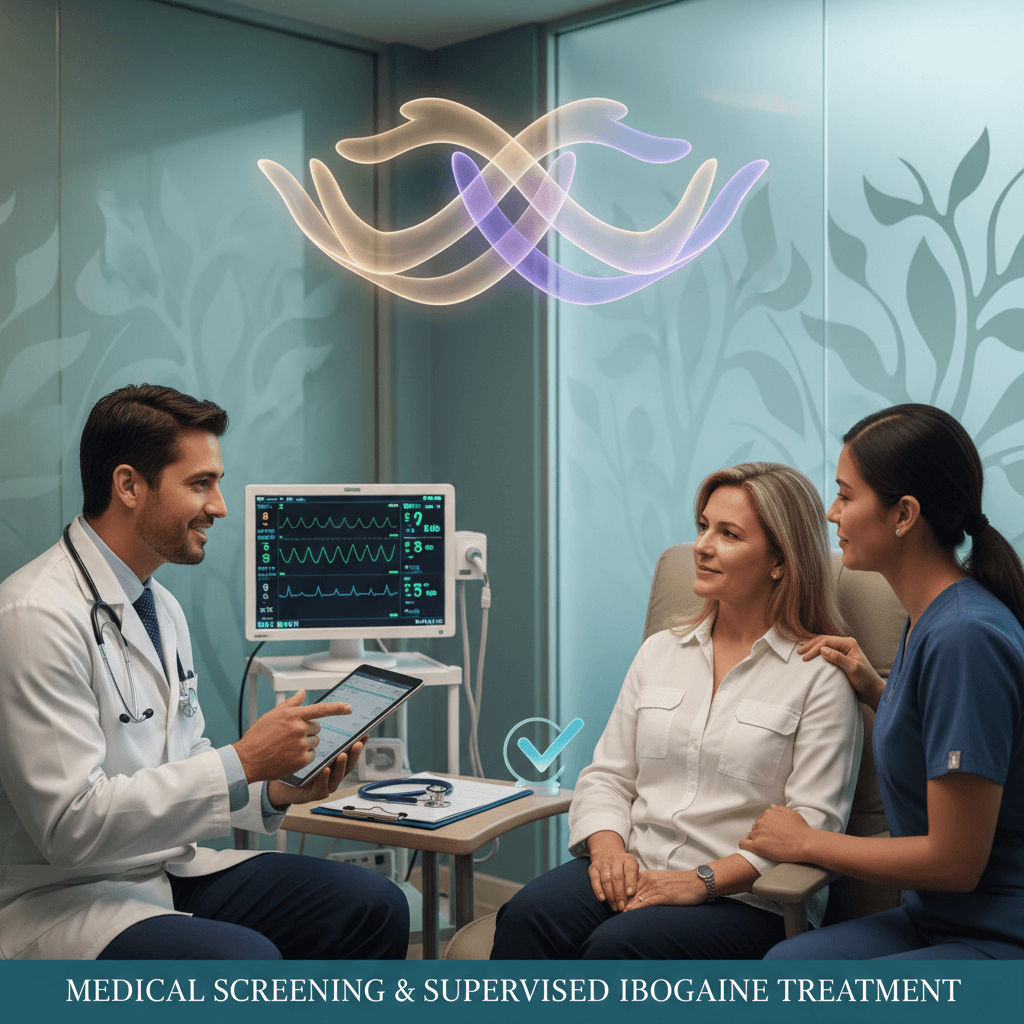
Understanding ibogaine and safety concerns
If you are asking yourself, “is ibogaine treatment safe for me,” you are not alone. Ibogaine is a powerful psychoactive alkaloid from the Tabernanthe iboga plant, and it affects multiple systems in your body, including your heart and nervous system [1]. Because of this, ibogaine is never a casual decision.
In the United States ibogaine is a Schedule I substance, so treatment typically occurs in other countries. The quality and safety standards of these clinics vary widely. Some operate with physician‑led teams, advanced cardiac monitoring, and clear protocols. Others offer little more than a bed and a dose. Your safety depends less on ibogaine alone and more on how carefully you are screened, monitored, and medically supervised.
This guide walks you through how reputable programs approach safety, what the research actually shows, and how you can evaluate if a clinic’s protocols are strong enough for you or your loved one. You can also explore related topics like how safe is ibogaine therapy and detailed ibogaine treatment safety protocols.
What the research really says about ibogaine safety
You will find both hopeful and concerning information when you start reading about ibogaine. Both sides matter. Understanding them in context can help you make a more informed decision instead of reacting to headlines.
Promising results in supervised clinical settings
Recent research suggests that ibogaine can produce profound mental health and functional gains when used with structured medical oversight. In a 2024 Stanford Medicine study of 30 military veterans with traumatic brain injury, a single ibogaine treatment combined with magnesium to protect the heart led to large reductions in PTSD, depression, and anxiety, along with better overall functioning one month later [2].
Follow up data from the same group reported:
- Average disability scores dropping from 30.2, which indicates mild to moderate disability, to 5.1, which indicates no disability, one month after treatment
- PTSD symptoms reduced by about 88 percent, depression by 87 percent, and anxiety by 81 percent [2]
In this study there were no serious side effects and no heart problems, in part because veterans were screened beforehand, treated in a medical clinic, and received magnesium to lower cardiac risk [2]. Reported side effects were limited to expected issues such as headache and nausea.
These results suggest that ibogaine can be used more safely when you have careful medical supervision during ibogaine treatment and a clear protocol around heart protection.
Real cardiac risks when safety protocols are weak
On the other hand, ibogaine clearly carries cardiac risk, especially when screening and monitoring are inadequate. A 2022 open label study in the Netherlands followed 14 patients with opioid use disorder who received ibogaine at 10 mg per kg of body weight. Despite excluding people with known cardiac disease or abnormal ECGs, half of the patients developed significant QTc prolongation over 500 ms, which is associated with a higher risk of dangerous arrhythmias [3].
In this study:
- The QTc changes were clinically relevant but reversible
- No torsades de pointes or fatal arrhythmias occurred during monitoring
- All patients developed transient severe cerebellar ataxia, meaning they could not walk without support, which resolved in 24 to 48 hours
- Mild bradycardia, around 50 beats per minute, and lower blood pressure occurred in the first 12 hours
- Psychomimetic effects like wakeful dreaming and reliving memories were common but generally tolerated [3]
The authors noted that ibogaine likely prolongs the QTc interval through hERG potassium channel inhibition, and that genetic differences in how you metabolize ibogaine may affect the degree of risk [3]. Because QTc prolongation persisted in some patients beyond 24 hours, the study concluded that ibogaine should only be used in controlled settings with strict cardiac monitoring.
Reviews of ibogaine cases have also found that deaths are often linked to hidden heart conditions, electrolyte imbalances, interactions with other drugs, or lack of medical supervision, rather than ibogaine alone. Comprehensive screening and in‑person monitoring can significantly reduce these risks [1].
How to interpret “is ibogaine treatment safe”
Based on current evidence, the more accurate question is not “is ibogaine treatment safe” in general but “under what conditions can ibogaine be used as safely as possible for you.”
The key factors that influence safety are:
- How thoroughly you are screened before treatment
- Whether your heart is evaluated and monitored with appropriate equipment
- The medical training of the team who prescribes, administers, and supervises your dose
- The protocols in place if something goes wrong
Reputable clinics treat ibogaine as a serious medical procedure, not a casual psychedelic session. Clinics like these typically follow structured ibogaine clinic safety standards that mirror hospital level precautions.
Why ibogaine requires strict medical screening
Ibogaine interacts with your cardiovascular system, nervous system, and liver. It also lingers in your body as noribogaine for days. Because of this, comprehensive screening is essential to decide if ibogaine is appropriate for you and how your dose should be tailored.
Core goals of ibogaine medical screening
A careful medical screening for ibogaine therapy aims to:
- Identify medical conditions that make ibogaine too risky
- Detect medications and substances that could interact with ibogaine
- Assess your cardiac risk through history, physical exam, and ECG
- Evaluate liver and kidney function, electrolyte balance, and general health
- Understand your substance use history and withdrawal risks
This is not a quick questionnaire. You should expect a structured ibogaine treatment risk assessment led by a physician or equivalent medical professional, often followed by lab testing and imaging.
What a thorough screening process looks like
While details vary, a robust ibogaine therapy medical screening process usually includes:
- Detailed medical history, including heart disease, fainting spells, seizures, liver or kidney issues, and family history of sudden cardiac death
- Comprehensive medication and supplement review, with special attention to drugs that affect the QT interval or CYP2D6 metabolism
- Physical exam, with blood pressure, heart rate, and full cardiovascular assessment
- Baseline ECG to measure your QTc interval and identify rhythm abnormalities
- Blood tests for electrolytes such as potassium and magnesium, liver enzymes, kidney function, blood counts, and sometimes specific cardiac markers
- In some cases, echocardiogram or additional cardiac imaging if there is any suspicion of underlying disease
People with known cardiac disease, prior QT prolongation, uncontrolled hypertension, severe liver disease, or unstable psychiatric conditions are often excluded from ibogaine treatment. This is a critical safety step, not a barrier to your care. In many cases, other treatment paths are safer alternatives.
Cardiac screening and continuous monitoring
Because QTc prolongation and arrhythmia are the most serious medical risks of ibogaine, dedicated ibogaine treatment cardiac screening is non‑negotiable in a high quality program.
Why the heart needs special attention
Ibogaine can interfere with cardiac ion channels and prolong your QT interval, which is the time your heart takes to electrically reset between beats. Prolonged QTc can trigger dangerous arrhythmias, especially if you have structural heart disease, electrolyte imbalances, or genetic vulnerabilities [3].
At the same time, the psychoactive phase can last 24 hours or more [1]. Your heart needs to be monitored for a long enough window to catch and treat potential problems. This is not a treatment that should ever be done at home or in facilities without medical monitors and emergency protocols.
What effective cardiac monitoring includes
A clinic that takes ibogaine cardiac monitoring treatment seriously generally provides:
- Pre‑treatment ECG and cardiac risk assessment
- Correction of low potassium or magnesium before dosing
- Dose adjustments based on age, weight, health status, and ECG findings
- Continuous ECG and vital sign monitoring during the acute ibogaine experience
- Frequent assessments for at least 24 hours after dosing, often longer
- Immediate access to medications and equipment to treat arrhythmias or blood pressure changes
Magnesium is sometimes co‑administered to help protect the heart, as in the Stanford study, and appears to be one factor in the low rate of serious cardiac events reported in that carefully monitored setting [2].
In short, you are safest when your heart is watched continuously by staff who know exactly what ibogaine does to cardiac rhythms and how to respond if the QTc begins to lengthen.
Medical supervision during detox and dosing
Another major safety question is how your detox and dosing are handled. If you are using opioids, alcohol, or benzodiazepines, there are two overlapping risk windows: withdrawal from the substance itself and the cardiovascular and neurologic effects of ibogaine.
Why physician led supervision matters
Ibogaine treatment is not just about the psychedelic experience. It is a complex medical intervention that overlaps with detoxification, hemodynamic changes, and intense psychological processing. Physician led ibogaine treatment doctor supervision adds several layers of protection:
- Ongoing evaluation of withdrawal risks and timing of your dose
- Real‑time adjustment of medications for comfort and safety
- Management of blood pressure, heart rate, and hydration
- Clinical oversight of neurological side effects like ataxia or confusion
- Rapid response if complications arise
In the Netherlands study, all patients experienced severe but temporary cerebellar ataxia, making them unable to walk without support for 24 to 48 hours [3]. Without trained staff and proper fall precautions, this alone can be dangerous.
Safe ibogaine detox protocols
A careful ibogaine detox medical supervision protocol will typically:
- Stabilize you before ibogaine, sometimes using tapering plans or bridging medications
- Avoid last minute use of substances that interact with ibogaine or increase cardiac risk
- Monitor you for withdrawal signs prior to dosing and adjust timing accordingly
- Provide comfort medications that are compatible with ibogaine and your heart profile
- Continue withdrawal management after ibogaine, if needed
A good clinic will explain each step clearly so you know what to expect and why specific medications are used or avoided.
What a strong ibogaine medical protocol looks like
If you are comparing clinics, one of the most important questions is how structured their ibogaine treatment medical protocol really is. Vague assurances are not enough. You should see evidence of systematic planning from the moment you inquire through your final day of observation.
A reputable ibogaine program treats your session like a medical procedure with psychiatric benefits, not a spiritual retreat that happens to use a powerful drug.
Although each team designs its own approach, safer protocols tend to follow a similar framework.
Before treatment
In the pre‑treatment phase you can expect:
- Detailed ibogaine therapy medical screening process and lab work
- Cardiac evaluation with at least one ECG, sometimes more
- Clear criteria for who is accepted or declined and why
- Adjustments to your medications weeks before treatment if they pose interaction risks
- Education for you and your family about expected benefits, risks, and alternatives
If your questions about “is ibogaine treatment safe for me” are dismissed or minimized at this stage, consider it a red flag.
During dosing
On the dosing day a structured protocol usually includes:
- Re‑check of vital signs and a confirmatory ECG if there has been a delay
- Weight based dosing with adjustments for age and medical status
- Administration of adjuncts like magnesium if appropriate [2]
- Continuous cardiac and vital sign monitoring
- One‑to‑one or very low staff to patient ratio, especially during the peak experience
- Quiet, controlled environment to reduce stress on your body and mind
Clinics that treat several people at once without enough staff, or that lack dedicated monitoring equipment, increase your risk unnecessarily.
Aftercare and observation
After the acute psychedelic phase, careful observation should continue:
- Ongoing ECG or telemetry monitoring for a specified period
- Frequent checks of blood pressure, heart rate, and neurological status
- Assessment of ataxia and support with mobility until you can walk safely
- Repletion of electrolytes and management of nausea or headaches
- Planning for integration therapy and follow up mental health support
This structured approach helps catch late arrhythmias and supports you as you begin processing what may be a very intense emotional and psychological experience.
How to evaluate whether ibogaine is safe for you
Your personal safety profile is just as important as a clinic’s protocol. Two people can receive the same dose in the same setting and face very different levels of risk.
Personal factors that affect risk
When you consider ibogaine you and your medical team should look at:
- Your age and overall cardiovascular health
- Any history of fainting, palpitations, or unexplained seizures
- Family history of sudden cardiac death or arrhythmia
- Current medications that prolong QT or affect heart rhythm
- Liver disease or conditions that slow drug metabolism
- Co‑occurring psychiatric conditions that might worsen with a long psychedelic experience
You also need to consider your pattern of substance use, what you have tried already, and what other evidence‑based options are available. For some people with severe, treatment resistant conditions, carefully supervised ibogaine may be a reasonable risk, especially when compared with the dangers of ongoing opioid use or unremitting PTSD. For others, especially those with fragile hearts or severe medical illness, the risk may be too high.
Questions to ask potential clinics
To translate research into real world safety, ask every program you contact very direct questions, such as:
- Who is the prescribing doctor and what is their training and license status
- What does your full screening process include
- How do you perform ibogaine treatment cardiac screening and monitoring
- What emergency equipment and medications are available on site
- What are your exclusion criteria and how often do you decline applicants
- Can you outline your protocol for medical supervision during ibogaine treatment from arrival through discharge
Clinics that follow robust ibogaine clinic medical safety protocol standards will be transparent and specific. They will also encourage you to discuss ibogaine with your own physician or cardiologist before making a final decision.
Putting it all together
Ibogaine is neither inherently safe nor inherently unsafe. Instead, its risk profile depends heavily on your health status, the rigor of your medical screening, and the quality of the clinic’s protocols. Research from medically supervised programs suggests that ibogaine can lead to substantial and sustained improvements in PTSD, depression, anxiety, and functional disability when combined with heart protection and continuous monitoring [2]. At the same time, studies in less controlled settings highlight real risks of QTc prolongation, ataxia, and hemodynamic changes that require hospital level vigilance [3].
As you explore whether ibogaine is appropriate for you, focus less on general claims and more on concrete safety measures. Look for programs that prioritize ibogaine treatment safety protocols, provide detailed medical screening for ibogaine therapy, and deliver continuous ibogaine cardiac monitoring treatment under experienced medical supervision.
You deserve clear information, honest risk assessment, and a team that treats your safety as the foundation of your healing, not an afterthought.