
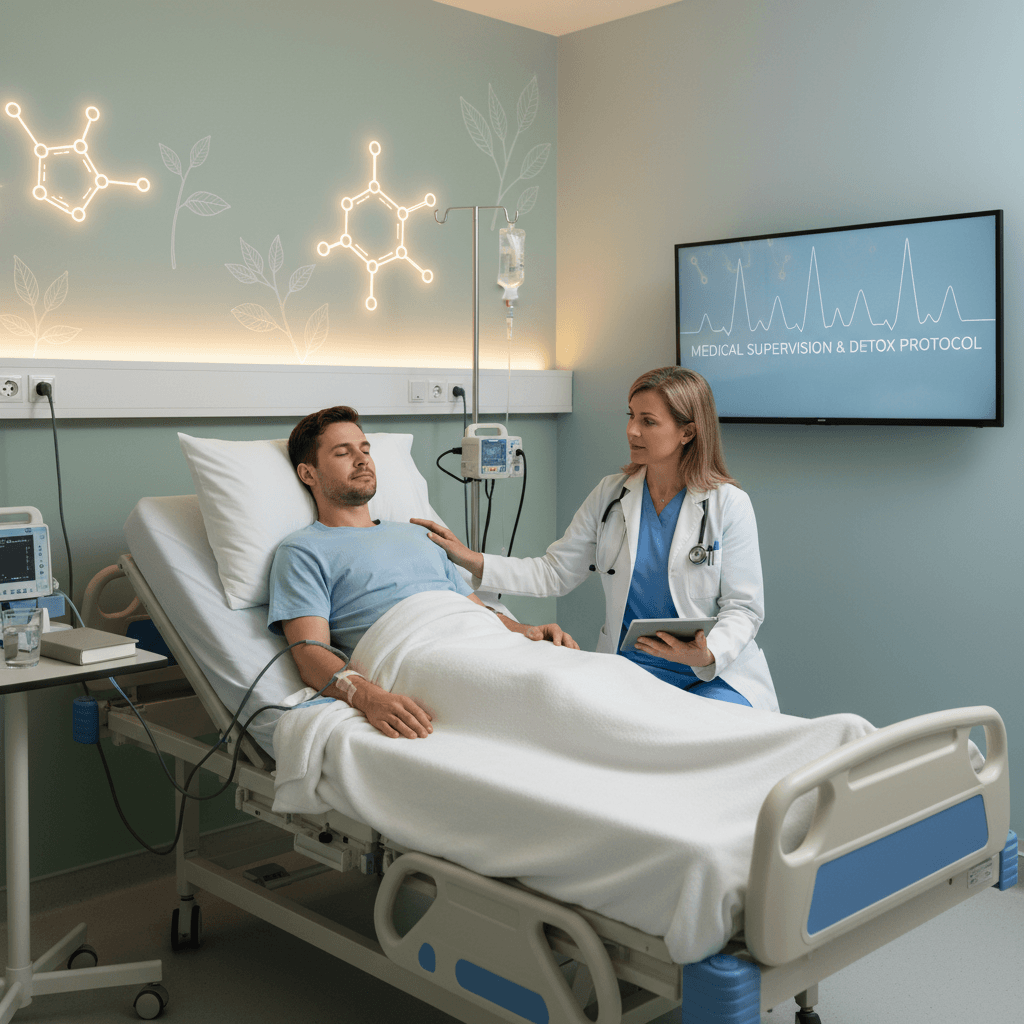
Why ibogaine detox medical supervision matters
If you are considering ibogaine for addiction or mental health treatment, safety is likely your primary concern. Ibogaine can interrupt withdrawal and cravings, but it also carries real medical risks, particularly to your heart. That is why ibogaine detox medical supervision is not optional. It is the central factor that determines whether treatment is as safe as possible or dangerously high risk.
Ibogaine is still experimental. In the United States it is not an FDA‑approved treatment, and the evidence for long‑term effectiveness is limited. Some clinics in countries like Mexico and New Zealand offer ibogaine detox programs, but outcomes and safety standards vary widely [1]. Your best protection is to understand what rigorous medical supervision should look like and to choose a clinic that actually follows those standards.
As you evaluate ibogaine centers, you can use this guide alongside resources such as ibogaine treatment safety protocols and ibogaine clinic safety standards to make a more informed decision for yourself or a loved one.
Understanding ibogaine risks and benefits
Ibogaine is a psychoactive compound that can produce powerful, often visionary experiences along with significant physical effects. Some people report rapid reductions in opioid withdrawal, cravings, PTSD symptoms, and depression. However, scientific support is still early and mixed, with only a small number of controlled trials in substance use disorders involving a total of 47 participants [1].
At the same time, ibogaine is associated with serious safety concerns:
- More than 30 deaths over about 40 years have been linked to ibogaine use, most often due to heart failure and sometimes in combination with other substances [1].
- Ibogaine can cause cardiac arrhythmias and significant changes in the heart’s electrical signaling.
- Neurological effects can include severe but transient coordination problems and intense sensory experiences.
- Over‑the‑counter or online ibogaine products are unregulated, which means dose, purity, and contaminants are unknown [1].
These realities do not automatically mean ibogaine is too dangerous for everyone. They do mean that unsupervised or poorly supervised ibogaine detox is unsafe, and that structured medical oversight is essential to reduce risks to an acceptable level. If you are asking yourself how safe is ibogaine therapy or is ibogaine treatment safe, the honest answer is that it depends heavily on the quality of screening, monitoring, and physician involvement.
Why medical supervision is non‑negotiable
Ibogaine affects multiple systems in your body at the same time. That is why medical supervision during detox is not simply about having a nurse present. It is an integrated protocol that starts before you arrive and continues well after dosing.
Reports of fatalities are a clear warning. In many cases, deaths occurred in informal or non‑medical settings, where there was no cardiac monitoring, inadequate pre‑screening, or concurrent use of other substances [1]. Because ibogaine can prolong the QT interval on an electrocardiogram (ECG), it can trigger lethal arrhythmias if you already have heart issues, are taking certain medications, or have low electrolytes like potassium or magnesium.
A well‑run clinic will have a defined ibogaine treatment medical protocol that addresses these risks head on. That protocol should be overseen by experienced physicians, not just facilitators or coaches. You should also expect a formal ibogaine treatment risk assessment that includes both medical and psychiatric factors, since ibogaine can briefly intensify psychological symptoms.
In short, ibogaine detox medical supervision exists to:
- Detect people who should not receive ibogaine at all
- Stabilize medical conditions and medications before dosing
- Monitor your heart, brain, and vital signs closely during and after treatment
- Respond quickly and effectively if complications occur
What comprehensive screening should include
Before you commit to a clinic, you should have a clear picture of how they screen you for safety. Quality programs treat medical screening for ibogaine therapy as a multi‑step process, not just a questionnaire.
Detailed medical and psychiatric history
Your intake should cover:
- Past and current heart disease, fainting spells, or unexplained seizures
- High blood pressure, diabetes, or other chronic illnesses
- Liver and kidney problems, since these organs metabolize and clear ibogaine
- Personal or family history of arrhythmias or sudden cardiac death
- Current medications and supplements, especially anything affecting heart rhythm or cytochrome P450 enzymes
- History of psychosis, bipolar disorder, or severe dissociation
- Previous head injuries, especially if they caused loss of consciousness
These details feed directly into an ibogaine treatment risk assessment. If the clinic does not ask in depth about these areas, your risk is already higher than it should be.
Physical examination and lab testing
A physician should perform a focused physical exam to assess your cardiovascular, neurological, and general health. In addition, reputable clinics commonly order baseline lab work such as:
- Complete blood count and metabolic panel
- Liver and kidney function tests
- Electrolytes, including potassium and magnesium
- Pregnancy test, if applicable
In some protocols, magnesium is used intentionally to reduce cardiac risk, but this should only be done with medical oversight and proper lab monitoring [1].
Cardiac screening and ECG
Because ibogaine’s most serious known risk is heart related, rigorous ibogaine treatment cardiac screening is essential. In one clinical study of 14 people with opioid use disorder, a single dose of ibogaine led to an average QTc prolongation of 95 ms, and half of participants developed QTc intervals greater than 500 ms. These changes were reversible, but they represent a level of risk that clearly requires careful ECG monitoring [2].
Before dosing, you should have:
- A 12‑lead ECG read by a qualified clinician
- Review of any prior cardiology records if you have a heart history
- Adjustment or discontinuation of any QT‑prolonging medications when feasible
If any significant abnormalities are found, a cardiology consultation or exclusion from ibogaine may be recommended. A responsible clinic will decline to treat you with ibogaine rather than proceed with known high risk.
Substance use assessment and detox planning
Ibogaine can interact with other substances, and mixing it with opioids, stimulants, alcohol, or certain medications can compound risk. A thorough ibogaine therapy medical screening process includes:
- Detailed inventory of substances used, doses, and timing
- Planning a safe taper or detox window before ibogaine dosing
- Screening for benzodiazepine or alcohol dependence that may require a separate, medically supervised detox first
This planning is central to safe ibogaine detox medical supervision, because it shapes when and how you can receive ibogaine without avoidable complications.
What safe, supervised ibogaine detox looks like
Once screening is complete and you are medically cleared, the focus shifts to how your detox and dosing are managed. High quality clinics follow structured ibogaine treatment safety protocols and ensure close medical supervision during ibogaine treatment from start to finish.
Pre‑dosing stabilization
Before you take ibogaine, your care team should:
- Confirm you have been substance‑free for the agreed period
- Recheck vital signs and, when indicated, repeat an ECG
- Review your last meal and fluid intake, since nausea and vomiting are common
- Confirm that all non‑essential QT‑prolonging medications have been paused
If you require additional stabilization, for example blood pressure control or electrolyte correction, this should be completed before dosing begins.
Physician‑led dosing and titration
On dosing day, ibogaine treatment doctor supervision means more than just being reachable by phone. An on‑site physician should determine:
- Your individual dose, typically weight‑based and adjusted for medical factors
- Whether to use a single full dose, a test dose followed by a main dose, or a fractionated approach
- How to manage any pre‑medications, such as magnesium, to reduce cardiac risk [3]
In the Netherlands observational study, patients were monitored for at least 24 hours after receiving 10 mg/kg ibogaine‑HCl. They experienced marked QTc prolongation and severe but reversible cerebellar ataxia, including an inability to walk without support, which resolved within 24 to 48 hours [2]. These findings highlight why direct, continuous medical oversight is necessary when dosing ibogaine.
Continuous cardiac monitoring and vital signs
During the 12 to 24 hours after dosing, you should expect structured ibogaine cardiac monitoring treatment:
- Continuous ECG or frequent ECGs, especially around peak effect
- Ongoing heart rate, blood pressure, and oxygen saturation monitoring
- Hands‑on nursing assessments of coordination, orientation, and mental status
In the Netherlands study, QTc changes were clinically significant but reversible, and neurological symptoms such as ataxia remitted within 1 to 2 days. Without medical supervision and ready access to emergency interventions, these same effects could be life‑threatening [2].
Psychological effects during treatment, such as “wakeful dreaming” and vivid memories that last several hours, are typically well tolerated in a calm, supportive setting and did not cause delirium in the monitored clinical study [2]. However, having trained staff present helps you feel safe while you move through these intense experiences.
Observation after the acute phase
Ibogaine’s effects do not end when the visions fade. You should be observed overnight at minimum, with:
- Repeated checks of walking, balance, and speech
- Ongoing ECG and vital sign assessments
- Support with hydration, food, and basic daily needs while your coordination normalizes
Some programs extend monitoring for 48 hours to ensure that cardiac and neurological effects have fully resolved before you are discharged.
Comparing clinical and informal ibogaine settings
You may encounter options that range from physician‑led clinics to informal “retreats” or private guides. Understanding the difference can help you avoid unsafe situations.
Ibogaine sold online is unregulated, without reliable quality control, accurate dosing, or medical oversight. Using these products at home or in non‑medical environments can be extremely hazardous. Informal detox attempts have been associated with fatalities, often because there was no screening for hidden cardiac issues or no capacity to respond to arrhythmias [1].
In contrast, medically supervised programs in clinical settings have demonstrated that ibogaine can be administered with a structured safety framework. For example:
- In a Netherlands observational study of 14 patients undergoing ibogaine‑assisted opioid detox under medical supervision, serious cardiac changes occurred, but they were detected and managed through continuous monitoring, and patients recovered fully within days [2].
- In a 2024 study of 30 military veterans with traumatic brain injuries treated at a Mexican clinic, ibogaine combined with magnesium under strict medical oversight produced large improvements in PTSD, depression, and anxiety one month after treatment. No serious side effects or heart problems were observed during the monitored treatments [4].
These studies do not prove ibogaine is safe for everyone or that long‑term outcomes are guaranteed. They do show that when ibogaine detox is integrated into a medically supervised environment with cardiac monitoring and careful dosing, serious risks can be detected and addressed more effectively.
If you are comparing options, resources like ibogaine clinic medical safety protocol and ibogaine clinic safety standards can help you differentiate a clinical program from a purely spiritual or informal retreat.
Questions to ask ibogaine clinics about supervision
Before committing to a program, it is reasonable and wise to ask detailed questions. The answers you receive can reveal a great deal about how seriously the clinic takes ibogaine detox medical supervision.
You might ask:
- Who leads your medical team, and what are their credentials and experience with ibogaine specifically
- What is included in your medical screening for ibogaine therapy, including labs and cardiac evaluations
- How do you handle ibogaine treatment cardiac screening for people with known or potential heart issues
- What type of ECG and vital sign monitoring do you use during and after dosing
- How do you manage interactions with my current medications and co‑occurring conditions
- What is your plan if a serious arrhythmia or other medical emergency occurs, and how quickly can you transfer to a higher level of care
- Do you have written ibogaine treatment safety protocols that you can share or summarize in detail
If a clinic minimizes your concerns, resists sharing details, or lacks clear answers, this is a sign to proceed with caution or to look elsewhere.
A trustworthy clinic welcomes your safety questions and is transparent about both the potential benefits and real risks of ibogaine.
Weighing ibogaine safely in your decision
Ibogaine is not a cure, and it is not the right choice for everyone. However, for some people, particularly those with severe substance use disorders or trauma that has not responded to other treatments, ibogaine can be part of a meaningful turning point when integrated into an ongoing recovery plan.
Your role is to protect yourself or your loved one by insisting on high standards of ibogaine detox medical supervision. You can do that by:
- Choosing a clinic with strong physician leadership and clear ibogaine treatment medical protocol
- Confirming that comprehensive cardiac and medical screening are mandatory for every patient
- Ensuring that continuous monitoring equipment, emergency medications, and transfer plans are in place
- Using resources such as medical supervision during ibogaine treatment and ibogaine treatment safety protocols to guide your questions
When you prioritize safety and structured medical oversight, you create the best possible conditions for ibogaine to support your recovery while keeping avoidable risks as low as possible.