Understanding ibogaine brain injury treatment
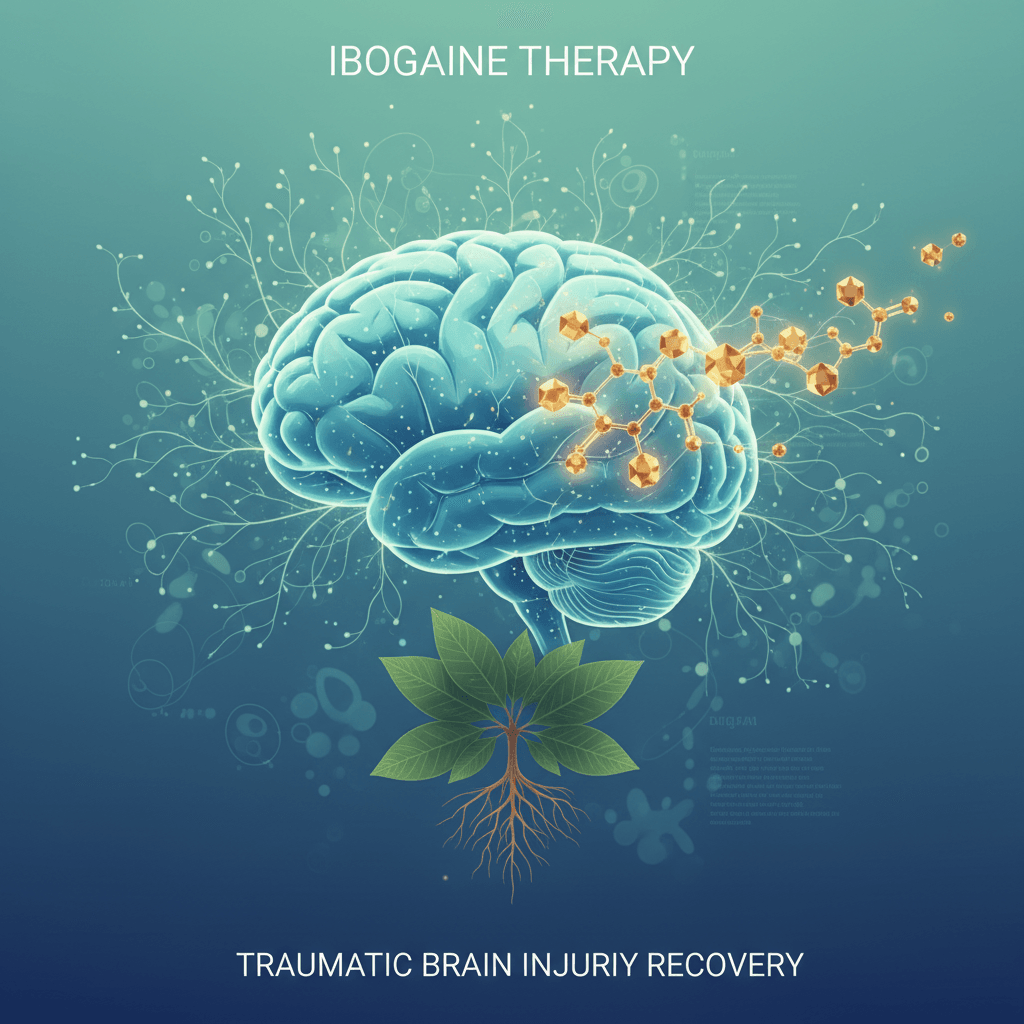
If you are living with the effects of a traumatic brain injury, it is natural to look beyond standard rehab and ask whether anything else could help your brain recover. Ibogaine brain injury treatment is an emerging approach that combines a powerful psychoactive medicine with careful medical monitoring to target both neurological healing and psychological symptoms.
Ibogaine is a compound derived from the African shrub Tabernanthe iboga. It has a long history of ceremonial use and has more recently been studied for addiction and trauma. In the context of brain trauma, researchers are exploring whether ibogaine, often paired with magnesium for safety, can support neuroplasticity, cognitive recovery, and relief from conditions such as PTSD, depression, and anxiety that frequently follow head injury.
You should know from the outset that ibogaine is not a mainstream or FDA‑approved treatment for traumatic brain injury. It is a promising but still experimental option. Your safest approach is to understand the evidence, the risks, and the structure of a high quality program before deciding if ibogaine treatment for traumatic brain injury might have a place in your recovery plan.
What current research actually shows
Recent research has begun to shift ibogaine from anecdote to data, particularly for veterans and others with TBI and severe psychological symptoms.
The MISTIC ibogaine and magnesium study
A key prospective observational study known as the MISTIC protocol (Magnesium–Ibogaine: Stanford Traumatic Injury to the CNS) followed 30 male Special Operations Forces veterans with predominantly mild TBI who were struggling with disability and psychiatric symptoms such as PTSD, depression, and anxiety. The protocol combined oral ibogaine at an average dose of 12.1 mg/kg with intravenous magnesium sulfate to reduce cardiac risk [1].
Researchers reported several important findings immediately after treatment and at a one month follow up:
- Disability scores on the WHO Disability Assessment Schedule 2.0 dropped significantly both right after treatment and one month later, with effect sizes that reflected meaningful functional improvement [1].
- PTSD, depression, and anxiety symptoms decreased sharply at one month, with large effect sizes on clinician rated scales such as CAPS‑5 for PTSD, MADRS for depression, and HAM‑A for anxiety [1].
- Neuropsychological testing showed statistically significant gains in processing speed, executive function, memory, and sustained attention, with effect sizes from small to large and no evidence of cognitive decline [1].
- No unexpected or serious treatment emergent adverse events were observed. Magnesium appeared to blunt known ibogaine cardiac risks such as QT interval prolongation. Transient issues like mild ataxia resolved within 24 hours [1].
While this was not a randomized controlled trial, the size of the changes and the combination of functional, emotional, and cognitive gains make the results noteworthy for you if you are considering ibogaine therapy for TBI.
Stanford Medicine findings in veterans with TBI
A related Stanford Medicine report described 30 military veterans with TBI who received ibogaine with magnesium in a medically supervised clinic. The results were striking:
- Average disability scores dropped from 30.2, which reflects mild to moderate disability, to 5.1, which is consistent with no disability, one month after treatment [2].
- PTSD symptoms decreased by about 88 percent, depression symptoms by about 87 percent, and anxiety symptoms by about 81 percent over that same timeframe [2].
- Neuroimaging pointed to increased theta brain wave activity linked with better executive function, and decreased cortical complexity associated with lower PTSD symptoms. These changes are interpreted as signs of enhanced neuroplasticity and a calmer stress response system [2].
- Side effects were generally mild, such as headaches and nausea, and there were no serious heart complications in this medically supervised setting with magnesium coadministration [2].
Based on this type of data, Texas approved a 50 million dollar initiative in 2024 to fund clinical trials of ibogaine for neuropsychiatric conditions, with the goal of ultimately seeking FDA review and approval for broader neuro rehabilitative use [2].
For you, this body of research suggests that ibogaine neurological therapy for TBI is not just about a psychedelic experience. It may have measurable effects on how your brain works and how you function day to day. At the same time, it is early evidence and should be weighed carefully with your medical team.
How ibogaine might help the injured brain
Researchers are still working to understand how ibogaine interacts with the brain, especially after trauma. Several mechanisms are being explored that are directly relevant to your recovery.
Supporting neuroplasticity and brain network repair
Traumatic brain injury can disrupt communication between regions of your brain, damage white matter tracts, and overload your stress circuitry. Ibogaine seems to interact with multiple neurotransmitter systems, including glutamate and serotonin, and may promote a temporary but intense period of neural flexibility.
Early data suggests:
- Changes in theta brain wave activity, which are linked to improved executive function and cognitive control, may reflect a re balancing of frontal networks [2].
- Decreased cortical complexity associated with PTSD improvements might indicate a more streamlined and less hyper vigilant stress response, something many people with TBI struggle with after trauma [2].
Clinics such as Experience Ibogaine also describe how ibogaine may enhance neuroplasticity and interact with hormonal pathways that increase oxytocin, sometimes called the bonding hormone. This combination is thought to support emotional processing and functional recovery rather than physically repairing tissue that has been destroyed [3].
In practical terms, if you pursue ibogaine brain repair therapy, the goal is not to magically regrow damaged brain regions. Instead, you are aiming to help your brain reorganize, form new pathways, and reduce the bottlenecks that keep you stuck in symptoms.
Addressing PTSD, depression, and anxiety after TBI
Many people with brain injuries, especially veterans and athletes, face a complex mix of neurological and psychological symptoms. Standard rehab often focuses on physical and cognitive exercises but may not touch the deepest layers of trauma, grief, or identity loss.
Ibogaine appears to reduce:
- Intrusive memories and hyperarousal associated with PTSD
- Persistent low mood, hopelessness, and withdrawal related to depression
- Excessive worry, panic, and physiological tension that characterize anxiety
In the MISTIC protocol and the Stanford report, symptom reductions in PTSD, depression, and anxiety were not only clinically significant, they were very large, with effect sizes over 2.0 on several scales [4]. While results can vary, this suggests that if you carry both brain trauma and deep psychological wounds, ibogaine therapy for traumatic brain injury symptoms could potentially impact both at once.
Potential role in substance use after injury
If your brain injury is tied up with pain medication, alcohol, or other substances, ibogaine has an additional angle. It has been studied for its potential to ease withdrawal and reduce cravings in a range of substance use disorders, including opioids, cocaine, alcohol, and possibly nicotine [5].
A 2022 review highlighted that ibogaine may be effective in these areas and may also improve depression and trauma symptoms, although some reports do describe toxicity [5]. For you, this means that ibogaine might help address both your brain injury related symptoms and any accompanying substance dependence, but only in a controlled, medically supervised setting.
What a structured ibogaine TBI program looks like
If you decide to explore ibogaine therapy for brain trauma, the details of the protocol matter. Reputable clinics integrate medical safeguards, careful dosing, and psychological support before, during, and after your ibogaine experience.
Comprehensive pre treatment medical evaluation
Clinics such as Experience Ibogaine emphasize extensive screening before you ever receive a dose [3]. This often includes:
- Detailed medical history, including heart disease, liver function, and psychiatric conditions
- Imaging when appropriate, to better understand your brain injury
- EKG to evaluate your heart rhythm and screen for QT interval issues
- Blood and urine tests to assess organ function and recent substance use
The goal is to personalize your dose and to reduce the risk of serious side effects. You should expect to spend time with both medical staff and mental health professionals to clarify your goals and prepare emotionally for the experience.
Test dosing and careful ibogaine administration
Safety protocols for ibogaine typically start with a small test dose of ibogaine hydrochloride, usually 2 to 3 mg/kg, given at least two hours before any larger dose [6]. This allows the team to monitor you for:
- Allergic reactions, for example rash or shortness of breath, which have been reported within 20 minutes in rare cases
- Metabolic differences such as CYP2D6 poor metabolizer status, which can alter how long ibogaine stays in your system [6]
For the main therapeutic dose, guidelines recommend not exceeding 12 mg/kg because of cardiac risks, and never going over 24 mg/kg in a 24 hour window [6]. Clinicians should ensure your:
- Vitals are stable
- Nutrition and hydration are adequate
- Recent drug use and withdrawal symptoms are within a safe range, often evaluated with scales such as the OOWS, where moderate scores are ideal before proceeding [6]
Some programs use booster doses of 1 to 5 mg/kg within a few hours of the initial dose or after 24 to 36 hours to manage residual withdrawal symptoms or emotional material. These boosters should only be considered after assessing other causes of discomfort such as dehydration or lack of sleep, to avoid subjecting your heart to unnecessary stress [6].
During administration, you should expect continuous cardiac and vital sign monitoring, as Stanford affiliated teams using intravenous magnesium to protect your heart [2].
The psycho spiritual journey and “life contract”
Many ibogaine protocols emphasize not only the pharmacology but the psychological and spiritual dimensions of the experience. Some programs incorporate a “life contract,” a practice described by the Global Ibogaine Therapy Alliance where you commit ahead of time to remain in the treatment setting during the session and, if you feel close to death, to choose to return and continue your life [6].
For you, this contract can function as:
- A psychological anchor during intense visions or emotional processing
- A way to clarify your intention to heal and stay alive
- An added safeguard that supports the medical team in guiding you through difficult moments
It is important to remember that ibogaine sessions are often long and physically demanding. Mild ataxia, nausea, and fatigue are common. In the MISTIC study, cerebellar side effects were transient and resolved within 24 hours, but you should plan for significant rest afterward [1].
Integration, counseling, and ongoing therapy
Ibogaine by itself, even with strong neuroplastic effects, is not enough. The period after your session is when new insights and neural connections either take root or fade. A thoughtful program, such as the five day psycho spiritual track described by Experience Ibogaine, will layer on:
- Individual counseling to help you make sense of what surfaced during your journey
- Group processing, when appropriate, with others who share brain injury and trauma histories
- Additional therapeutic modalities such as 5 MeO DMT sessions, mindfulness practices, or body based therapies, always within a structured plan [3]
For long term recovery, integration typically continues for weeks or months. You might work with a therapist at home who understands psychedelic experiences, or you might join structured support groups. This is where ibogaine therapy for brain injury healing becomes a bridge into ongoing rehabilitation, rather than a single event.
Potential benefits you might experience
Everyone responds differently, but based on current studies and clinical reports, you may be hoping for several categories of benefit from ibogaine treatment for TBI recovery.
Ibogaine is not a cure and it cannot reverse all brain damage. It is best understood as a catalyst that might open a window of change in your brain and your life, which you then need to support with continued rehab and healthy choices.
Functional and cognitive improvements
The MISTIC protocol and related reports suggest that some people may notice:
- Greater mental clarity and reduced “brain fog”
- Faster processing speed and better focus
- Improved memory and ability to sustain attention
- Better executive function, which can translate into easier planning, decision making, and follow through [1]
If you have felt stuck despite conventional therapies, even modest gains in these areas can change how you manage work, relationships, and daily responsibilities.
Emotional and psychological relief
If your TBI is entangled with combat trauma, accidents, or repeated sports injuries, the emotional load can be enormous. Ibogaine treatment has been associated with:
- Major reductions in PTSD symptoms such as flashbacks, nightmares, and hypervigilance
- Decreases in depression, including feelings of worthlessness and disconnection
- Lower anxiety, with less constant tension and catastrophic thinking [4]
You may also experience a shift in how you view your injury story, your identity, and your future. Many participants describe a new sense of meaning or purpose that supports their ongoing recovery efforts.
Reduced dependence on substances
If pain, insomnia, or emotional distress have led you into dependence on alcohol, opioids, or other drugs, ibogaine could potentially help you:
- Move through acute withdrawal more comfortably
- Experience reduced cravings in the weeks that follow
- Engage more fully with sober supports and therapies [5]
Any plan that uses ibogaine in this way should be tightly coordinated with addiction medicine professionals. Ibogaine is not a standalone detox and it carries its own risks.
Real risks and limitations you must weigh
While the potential upside of ibogaine treatment for brain injury recovery is compelling, it is critical to be realistic about safety and constraints.
Cardiac and neurological safety concerns
Ibogaine has been linked in the broader literature to serious side effects such as:
- Weakness and seizures
- Heart rhythm disturbances, including QT prolongation and a dangerous pattern called Torsade de pointes
- Respiratory failure and cardiac arrest in rare but documented cases, especially when not medically supervised [5]
Magnesium coadministration appears to reduce some of these cardiac risks, and in the MISTIC and Stanford studies no serious heart events were observed [4]. Even so, you should:
- Avoid clinics that do not provide continuous EKG monitoring
- Disclose all medications, especially those that affect heart rhythm
- Be cautious if you have any history of heart disease or unexplained fainting
If you have liver conditions such as Hepatitis C or HIV, ibogaine metabolism can be altered, leading to faster or prolonged effects. Guidelines recommend observing you for at least eight hours after a test dose in such cases and adjusting doses very carefully [6].
Legal availability and travel
In the United States, ibogaine is classified as a Schedule I controlled substance and is not legally available for clinical use as of late 2025 [5]. As a result, many people travel to countries such as Canada, where specialized clinics provide treatment.
This means you must:
- Factor in travel risks and logistics, especially with a brain injury
- Research clinics thoroughly before committing
- Understand that legal protections and regulatory oversight may differ from what you are used to at home
Because large financial commitments are often involved, it is wise to involve trusted family, friends, and medical professionals in your decision process.
Experimental status and expectations
Even with strong early data, ibogaine remains experimental for TBI. Randomized controlled trials are still needed. For you, that means:
- You should not abandon evidence based rehabilitation therapies such as cognitive rehab, physical therapy, occupational therapy, and psychotherapy.
- You should see ibogaine as a potential adjunct or accelerator, not a replacement.
- You need to prepare for the possibility that your response may be more modest than what you have read, or that benefits may fade without sustained follow up care.
Setting grounded expectations can protect you from disappointment and help you make the most of any gains.
Deciding if ibogaine belongs in your rehab plan
Choosing whether to pursue ibogaine therapy for brain injury healing is a deeply personal decision. You are balancing hope for significant relief against real medical and legal complexities.
You may be a stronger candidate to explore this path if:
- You have a documented TBI with persistent cognitive and emotional symptoms despite standard care.
- You also struggle with PTSD, depression, anxiety, or substance use that has not responded well to conventional treatment.
- You can access a clinic that follows rigorous medical protocols, uses test dosing, monitors your heart, and emphasizes integration support.
- You are willing to stay engaged with long term rehabilitation and therapy after your ibogaine experience.
If you move forward, consider framing ibogaine as one piece of a comprehensive plan that can include ibogaine therapy for brain injury healing alongside physical rehab, talk therapy, community support, and lifestyle changes.
As research expands and trials progress, the picture of ibogaine brain injury treatment will become clearer. For now, thoughtful consideration, strong medical guidance, and a realistic understanding of both promise and risk can help you choose the path that best supports your recovery and your life.