
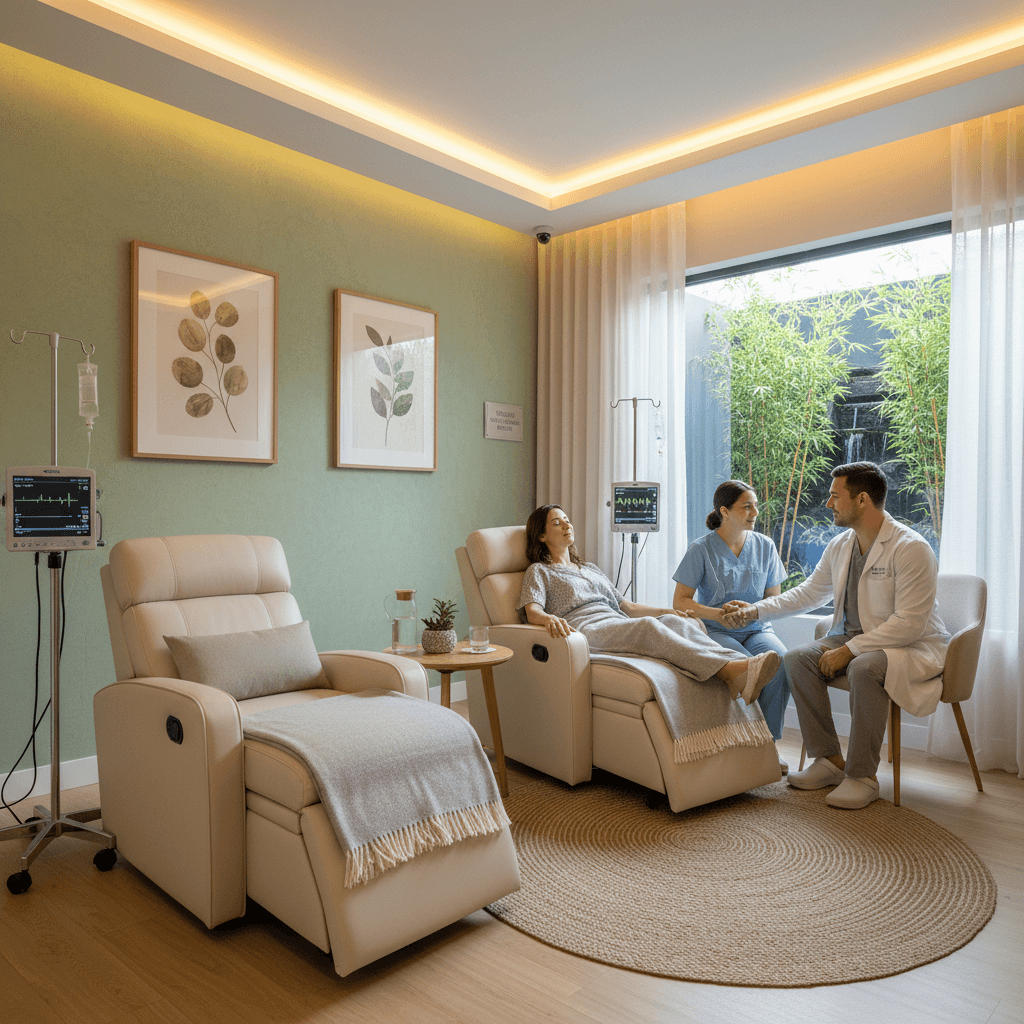
Understanding ibogaine detox facility setup
When you consider ibogaine therapy, the ibogaine detox facility setup is just as important as the medicine itself. Ibogaine can carry serious medical risks, so the environment, monitoring, and clinical standards behind your treatment play a central role in your safety and your chances of lasting change.
Because ibogaine is a Schedule I controlled substance in the United States, you typically travel to countries where it is legal, such as Mexico, Brazil, South Africa, or New Zealand, to receive treatment [1]. This makes it even more important to understand what a professional ibogaine treatment environment should look like before you commit.
As you explore what an ibogaine clinic is like, resources such as the ibogaine clinic setting and ibogaine therapy treatment environment pages can help you compare different providers more confidently.
Legal and regulatory foundations
Before you focus on comfort and amenities, you need to know that the ibogaine detox facility setup is legal where it operates and aligned with local health regulations.
Country-specific legal status
The legal status of ibogaine varies widely. This directly shapes the level of oversight and medical structure you should expect.
- In Mexico, ibogaine is not specifically regulated, which allows clinics to provide ibogaine treatment without direct drug law restrictions. This unregulated status has made Mexico, including border regions such as Tijuana, a major hub for ibogaine detox centers as of 2026 [2].
- In Brazil, ibogaine can be legally prescribed in hospital settings, and regulatory approvals are gradually expanding. This creates room for medically supervised ibogaine detox conducted under clinical governance [2].
- In South Africa, ibogaine is a Schedule 6 substance. It can be prescribed, but only with strict medical oversight, supporting highly regulated ibogaine detox centers that follow established medical protocols [2].
- In New Zealand, ibogaine is not classified as a controlled substance. Clinics can legally offer ibogaine-assisted therapy, which has encouraged the development of formal ibogaine detox facilities there [2].
Understanding where your chosen center sits in this legal landscape helps you gauge how seriously the clinic must take compliance, documentation, and medical standards.
Compliance and health regulation checks
Regardless of country, a professional ibogaine detox facility should:
- Be transparent about the local legal status of ibogaine
- Show how it complies with health, licensing, or clinical regulations
- Have clear medical protocols reviewed by licensed physicians
- Be willing to answer detailed questions about oversight and standards
Border locations, such as Tijuana, Mexico, where providers like Experience Ibogaine operate, should be especially thorough in documenting their legal and regulatory footing [2].
If a clinic avoids your questions about regulation, licensing, or medical governance, that is an important warning sign.
Medical risk and safety considerations
Ibogaine is not a standard detox medication. It is a powerful psychedelic medicine derived from Tabernanthe iboga and related plants, originally used ceremonially in Central Africa, and it can have serious side effects [3]. Because of this, ibogaine detox facilities must treat safety as their primary design principle.
Known medical risks of ibogaine
Research and case reports have identified significant potential risks, particularly involving the heart and nervous system:
- Ibogaine can cause cardiac arrhythmias, including QT interval prolongation and risk of torsades de pointes, which can lead to sudden cardiac death [3].
- Other reported complications include seizures and respiratory failure, especially in unsupervised or medically unmonitored settings [3].
- A clinical study in the Netherlands that monitored 14 patients during opioid detoxification found ibogaine caused a reversible QTc prolongation averaging 95 milliseconds. Half of the patients had QTc intervals above 500 milliseconds, a range associated with substantial arrhythmia risk, even though no torsades de pointes was observed during the 24-hour monitoring window [4].
- The same study documented severe transient cerebellar ataxia in all patients within 2 to 6 hours after ibogaine dosing. They needed support to walk, and full recovery took 24 to 48 hours [4].
These findings highlight why ibogaine detox should never happen at home or in non-clinical environments. A professional ibogaine detox facility setup must be built around continuous monitoring and rapid response.
Why a medically supervised environment is non‑negotiable
Due to these risks, safe ibogaine detox requires:
- Pre-screening to exclude patients with underlying cardiac disease
- Continuous cardiac monitoring, especially during and after dosing
- Onsite medical staff who can identify and respond to cardiac, neurological, or respiratory emergencies
- Protocols that take into account differences in ibogaine metabolism, such as variation in CYP2D6 enzyme activity [4]
Facilities that present ibogaine as a purely spiritual or “natural” experience without discussing these medical requirements are not aligned with current evidence.
To better understand what a truly professional ibogaine treatment environment should entail, you can compare how different centers describe their monitoring, equipment, and emergency protocols.
Core clinical infrastructure and equipment
If you visit or speak with a center, you should be able to clearly identify the clinical infrastructure behind the retreat-like exterior. A professional ibogaine detox facility setup typically integrates medical-grade equipment with a calm, therapeutic environment.
Essential diagnostic and monitoring tools
At a minimum, a medically sound ibogaine detox facility will have:
- EKG machines for pre-treatment screening and ongoing cardiac monitoring
- Continuous heart rate, blood pressure, and oxygen saturation monitors
- Emergency defibrillator equipment and resuscitation supplies
- Intravenous (IV) access supplies for fluids or medications if needed
In the Dutch observational study, patients underwent regular EKG monitoring and neurological assessments throughout their ibogaine experience. The authors concluded that ibogaine detoxification requires strict medical supervision, continuous cardiac and neurological monitoring, and careful exclusion of high-risk patients [4].
You should feel comfortable asking a clinic to walk you through its monitoring setup and where you will physically be during and after dosing.
Medical-grade environment within a therapeutic setting
A calming environment does not mean sacrificing clinical quality. Many centers combine:
- A dedicated medical wing or treatment area with full monitoring
- Comfortable patient rooms that can accommodate equipment if needed
- Clean, organized medication storage and dosing areas
- Clear separation between medical zones and communal or relaxation spaces
When you read about an ibogaine inpatient treatment experience, pay attention to how the facility balances comfort and clinical readiness. Both should be part of the design from the outset.
Qualified medical and therapeutic staff
Staffing is one of the most important elements of ibogaine detox facility setup. You are not just relying on the medicine. You are placing your safety in the hands of the team caring for you.
Medical providers and clinical leadership
A professional facility should have:
- Licensed physicians experienced with cardiac risk, detox medicine, and ibogaine-specific protocols
- Nurses present around the clock during your ibogaine stay
- Clear medical leadership responsible for approving or denying candidates for treatment
For example, Experience Ibogaine describes a treatment process that includes pre-treatment medical testing such as blood tests, urine tests, EKG, and liver function tests, followed by overnight ibogaine dosing with 24 / 7 medical care and post-treatment medical support [5]. This type of structure is aligned with the level of supervision recommended in clinical research.
If a facility cannot identify its medical director, or if physician involvement appears minimal or only symbolic, you should be cautious.
Mental health and therapeutic support
Beyond medical staff, you benefit from a multidisciplinary team that can support both the psychological and emotional aspects of your experience, including:
- Licensed therapists or counselors for individual sessions
- Group facilitators trained in trauma-informed care
- Support staff familiar with addiction, withdrawal, and integration work
Because ibogaine is a psychedelic medicine that can bring up intense memories and insights, you need qualified people to help you process what arises. The ibogaine clinic experience section of a provider’s website should explain how therapeutic support is integrated into your stay, not just offered as an optional add on.
Comprehensive screening and preparation
The processes that happen before you ever take ibogaine are central to safe treatment. A professional ibogaine detox facility setup is built around thorough screening and preparation, not quick access.
Medical and psychiatric intake
A robust intake process typically includes:
- Detailed medical history, including heart disease, seizures, or other serious conditions
- Review of all current medications and supplements for potential interactions
- Physical examination and diagnostic tests such as blood work, liver function tests, and EKG
- Psychiatric evaluation to identify severe mental health conditions that may complicate ibogaine use
Ibogaine is metabolized in the liver and can put strain on the cardiovascular system. This is why centers like Experience Ibogaine require pre-treatment testing before proceeding [5].
If a clinic offers to schedule you quickly without gathering detailed medical information, that is not consistent with best-practice ibogaine detox.
Treatment planning and detox logistics
Your preparation should also address:
- Tapering or stabilizing on certain substances before arrival, when appropriate
- Planning for acute withdrawal management if you are still using opioids, alcohol, or benzodiazepines
- Determining whether additional medications will be used before or after ibogaine to manage symptoms
Some facilities offer pre-ibogaine detox support and post-treatment medications, nutrition, and holistic therapies to help stabilize your body [5]. This structure can be especially important for opioids such as fentanyl or long-acting prescription medications.
Dosing, supervision, and continuous monitoring
The heart of the ibogaine detox facility setup is the dosing and monitoring environment. This is where your safety depends on how seriously the clinic takes its protocols.
Structured ibogaine dosing protocols
Evidence to date suggests that ibogaine may help reduce withdrawal symptoms and cravings for opioids, cocaine, alcohol, and nicotine, though existing studies are small and there are ongoing concerns about toxicity and long-term safety [3]. In response, professional facilities use structured protocols such as:
- Carefully weight-based dosing with a maximum ceiling
- Test doses when indicated to observe how you metabolize ibogaine
- Avoiding repeated high doses in short time frames
- Adjusting or postponing treatment if any cardiac or neurological concerns appear
The Dutch study that administered ibogaine-HCl at 10 mg per kilogram emphasized that even under controlled conditions, significant QTc prolongation and ataxia occurred, which reinforces the importance of conservative dosing and thorough monitoring [4].
Real-time supervision and risk management
During and after dosing, your facility should provide:
- One-on-one or close-to-one-on-one observation during the acute psychedelic phase
- Continuous cardiac monitoring for at least 24 hours, and often longer
- Neurological checks that watch for ataxia, confusion, or unusual agitation
- Clear protocols for escalating care, including transfer agreements with nearby hospitals
Severe transient ataxia that affects walking ability was observed in all participants in the Dutch study and resolved within 24 to 48 hours, which means you should not be expected to walk unassisted or navigate stairs during this phase [4].
You can learn more about what a high-quality ibogaine treatment supervision environment looks like by reviewing how different providers describe their monitoring and staffing during the dosing window.
Patient comfort, privacy, and therapeutic environment
Safety is fundamental, but the emotional and psychological environment you experience also shapes your treatment outcome. A thoughtful ibogaine detox facility setup supports comfort, privacy, and a sense of safety that helps you engage with the process.
Physical comfort and surroundings
Many ibogaine detox facilities, particularly in Mexico, combine medical supervision with comfortable or even luxury accommodations. Recovery.com notes that top-rated Mexican centers often offer private or semi-private rooms, comfortable surroundings, and integrated holistic therapies alongside ibogaine detox programs [6].
A supportive environment usually includes:
- Clean, quiet sleeping spaces where you can rest after treatment
- Temperature control, comfortable bedding, and easy bathroom access
- Nutritious meals tailored to support your recovery
- Limited external stimulation during the acute phase, while still ensuring you are monitored closely
When you explore what an ibogaine clinic is like, pay attention to how the facility integrates these elements into everyday patient experience, not just in promotional photos.
Privacy and boundaries
Privacy and clear boundaries help you feel emotionally safe while doing deep work. For example, Experience Ibogaine emphasizes strict access controls, patient-only environments, and full confidentiality of medical records to protect privacy [5]. Practices like this should be part of any modern ibogaine detox design.
You can ask a facility:
- How visitors and staff access patient areas
- How they protect your identity and medical records
- Whether you will be in shared or private rooms and how they manage roommate dynamics
A well-structured ibogaine therapy treatment environment will make these policies clear from the start.
Complementary therapies and integration support
Ibogaine by itself is not a complete addiction treatment. A professional ibogaine detox facility setup recognizes this and builds in support before and after dosing.
Holistic and psychological supports
Recovery.com reports that Mexican ibogaine centers frequently integrate group therapy, trauma processing, and mood disorder support with ibogaine detox. These programs also often include holistic methods such as yoga, meditation, or other wellness modalities [6].
As you evaluate a facility, consider whether it offers:
- Individual therapy sessions focused on your history and goals
- Group discussions that promote shared understanding and accountability
- Holistic activities to calm your nervous system and support emotional processing
Some centers, including Experience Ibogaine, add other carefully selected therapies such as 5-MeO-DMT in personalized treatment plans, although any additional medicines should be discussed in detail regarding safety and timing [5].
Post-treatment integration and follow up
Integration refers to the way you make sense of your ibogaine experience and apply insights to your daily life. Effective follow-up may include:
- Scheduled integration sessions in the days after dosing
- Written aftercare plans, including local therapy or support groups
- Education on relapse prevention and managing cravings
- Ongoing communication options for questions after you return home
Even if your stay is short, your ibogaine treatment environment should extend its concern for your well-being beyond the day you leave.
Cost, value, and evaluating your options
Finally, you need to weigh everything you have learned about ibogaine detox facility setup against cost, travel, and your personal situation.
Understanding typical cost ranges
Recovery.com identified 18 top-rated ibogaine treatment centers in Mexico, with program costs typically ranging from about 3,000 to 15,500 dollars, depending on length of stay and services included [6]. Prices reflect differences in:
- Medical intensity and staffing
- Accommodation level and amenities
- Program length and number of treatment days
- Integration and follow-up services
Lower cost does not always mean unsafe, but if a price seems far below regional norms and the clinic offers little detail about medical protocols, that is a reason to ask more questions.
Questions to ask before choosing a facility
As you compare different providers and learn more about the ibogaine clinic setting and ibogaine therapy setting explained, you can use questions like these to guide your decision:
- Who is the medical director, and what is their training and experience with ibogaine?
- What specific pre-treatment tests are required?
- How is cardiac and neurological monitoring handled during and after dosing?
- What happens in an emergency, and where is the nearest hospital?
- How are privacy and access to the facility controlled?
- What does the full program include besides the ibogaine session itself?
A professional ibogaine detox facility setup will answer these questions clearly and consistently.
A high-quality ibogaine detox facility is not defined by marketing language or scenery alone. It is built on legal clarity, medical rigor, continuous monitoring, and a therapeutic environment designed to support both your safety and your long-term recovery.
By focusing on these essential elements of ibogaine detox facility design, you give yourself a better chance of choosing a setting that protects your health and respects the depth of the work you are undertaking.