FAQ
Your Questions About Ibogaine Treatment Answered
Your Questions About Ibogaine Treatment Answered
We know that choosing ibogaine therapy is a significant decision. Below are the most important questions we hear from prospective patients and their families, answered with the transparency you deserve.
THE BASICS
About Ibogaine
What is ibogaine?
Ibogaine is a plant-based psychoactive medicine derived from the root bark of the Tabernanthe iboga shrub, native to West Africa. It’s used in medically supervised settings to treat addiction, PTSD, traumatic brain injury, depression, anxiety, several neurological conditions, and for personal optimization (cognitive clarity, performance, and deep personal growth).
Is ibogaine a drug or a medicine?
It’s a medicine when administered under medical supervision with cardiac monitoring. Used outside of that, it’s dangerous. We treat it like the powerful medical tool it is, with EKGs, IV access, continuous monitoring, and physicians on site.
Where does ibogaine come from?
The iboga shrub, native to Gabon and Cameroon. It’s been used ceremonially by the Bwiti people for centuries. Modern medical use began in the 1960s.
Is ibogaine the same as iboga?
Iboga is the whole plant root bark. Ibogaine is the primary active alkaloid extracted from it. Most clinical treatment uses purified ibogaine HCl for accurate dosing.
How is ibogaine different from other psychedelics?
Unlike psilocybin or MDMA, ibogaine isn’t just a guided experience, it physically resets brain chemistry. It interrupts opioid withdrawal within 24-36 hours, something no other psychedelic does. And it lasts: people report effects for weeks to months.
Is it like ayahuasca?
No. Ayahuasca is shorter, more emotional, and ceremony-driven. Ibogaine is longer (12+ hours of inner work, ~3 days total), more medical, and produces lasting brain changes. Different tool for a different job.
THE SCIENCE
How It Works
How does ibogaine actually work?
It promotes neuroplasticity, the growth of new neural connections, while resetting brain pathways involved in addiction, trauma, and mood. It acts on multiple neurotransmitter systems at once (dopamine, serotonin, NMDA, kappa-opioid).
What is neuroplasticity?
Your brain’s ability to form new connections and change. Ibogaine opens a window of heightened neuroplasticity, research shows this window lasts about 90 days post-treatment, which is why the first 3 months are critical for forming new habits.
What is noribogaine?
The long-acting metabolite ibogaine becomes in your body. It stays in your system for weeks and is part of why the anti-craving effects last so long.
Does it really reset the brain?
Yes, research using EEG and MRI scans shows measurable changes in brain function after a single treatment, with sustained improvements out to 12 months in Stanford’s veteran TBI study.
Will I be permanently changed?
Most clients report lasting changes, but the work doesn’t end when you leave. The first 90 days of integration determine whether the changes stick.
Conditions We Treat
What conditions do you treat?
Addiction (opioids, alcohol, stimulants, polysubstance), PTSD, treatment-resistant depression, anxiety rooted in trauma, complex grief, traumatic brain injury (TBI), post-concussion syndrome, suspected CTE, Parkinson’s disease, multiple sclerosis, neuropathic pain, fibromyalgia, and optimization (for high-performers and individuals pursuing deep personal growth, cognitive clarity, and peak performance).
Will ibogaine cure my addiction?
It’s not a cure, it’s a powerful tool that interrupts the physical dependence and gives you a fresh start. Long-term success depends on what you do after. Studies show 70-80% sustained abstinence at 6 months when paired with structured aftercare.
Does it work for opioids, heroin, fentanyl, oxy, methadone?
Yes. Clients dependent on opioids typically experience withdrawal elimination within 24-36 hours of administration. This is one of the most studied uses of ibogaine.
Does it work for fentanyl specifically?
Yes, though fentanyl has unique challenges. Our medical team handles the stabilization protocol carefully. Honest answer: fentanyl detox is harder than heroin detox, and we’ll talk through what to expect.
What about alcohol?
Clinical data shows roughly 70-80% reduction in alcohol cravings after treatment. We’ve treated many alcohol-dependent clients successfully.
Stimulants, cocaine, meth, Adderall?
Yes. Ibogaine resets the dopamine system, which is exactly what stimulant addiction disrupts.
Will it help with PTSD?
Stanford’s published research showed 88% reduction in PTSD symptoms one month after treatment, and 84% sustained remission at 12 months. Our PTSD clients are some of our most dramatic outcomes.
Will it help with TBI?
Yes. The same Stanford study with Special Operations veterans showed significant improvements in cognitive function, mood, and disability scores. TBI is personal for one of our founders, it’s part of why IWI exists.
Can ibogaine help Parkinson's?
Many of our Parkinson’s clients report significant tremor reduction, better motor control, improved sleep, and cognitive clarity. Ibogaine triggers GDNF production, a protein that protects dopamine neurons. It’s not a cure, but the results can be life-changing for the right candidate.
Multiple Sclerosis?
MS clients commonly report reduced inflammation, improved mobility, and decreased fatigue. We approach MS with low-dose protocols.
Depression that hasn't responded to anything?
Treatment-resistant depression, where SSRIs, SNRIs, ketamine, and ECT haven’t worked, is one of our specialties. The mechanism is fundamentally different from antidepressants.
Anxiety?
Yes, especially anxiety rooted in trauma. We’ll dig into the source during your screening.
Chronic pain or fibromyalgia?
Ibogaine’s NMDA receptor antagonism interrupts pain signaling. Many chronic pain clients see significant relief, especially those whose pain has driven them toward opioid dependence.
CTE from concussions?
CTE can only be definitively diagnosed post-mortem, but clients with suspected CTE often report symptom improvement and slowed deterioration.
Can it help with eating disorders?
Possibly, but we evaluate carefully. Eating disorders can cause electrolyte imbalances that are dangerous with ibogaine. Your medical team will assess.
THE CLINIC
About IWI
What is The Iboga Wellness Institute?
A medically supervised ibogaine treatment clinic specializing in addiction, PTSD, TBI, neurological conditions, and optimization. We’ve safely guided over 100 clients through transformation and refined our protocols across 3,000+ treatments.
Where are you located?
Our treatment facility is in Cozumel, Mexico. Corporate headquarters is in Columbus, Ohio.
Why Mexico?
Ibogaine is currently illegal in the United States (Schedule I). Mexico has a clear legal pathway for medically supervised ibogaine treatment. Plus Cozumel is one of the safest medical tourism destinations in the world.
Why Cozumel specifically?
Easy direct flights from the US (Houston, Dallas, Miami, Atlanta), English widely spoken, low crime, excellent medical infrastructure, calm Caribbean setting that supports healing.
How long has IWI been operating?
IWI itself is just over one year old. Our clinical team collectively brings more than 20 years of direct ibogaine experience, and the institute is the realization of that combined expertise.
Who founded IWI?
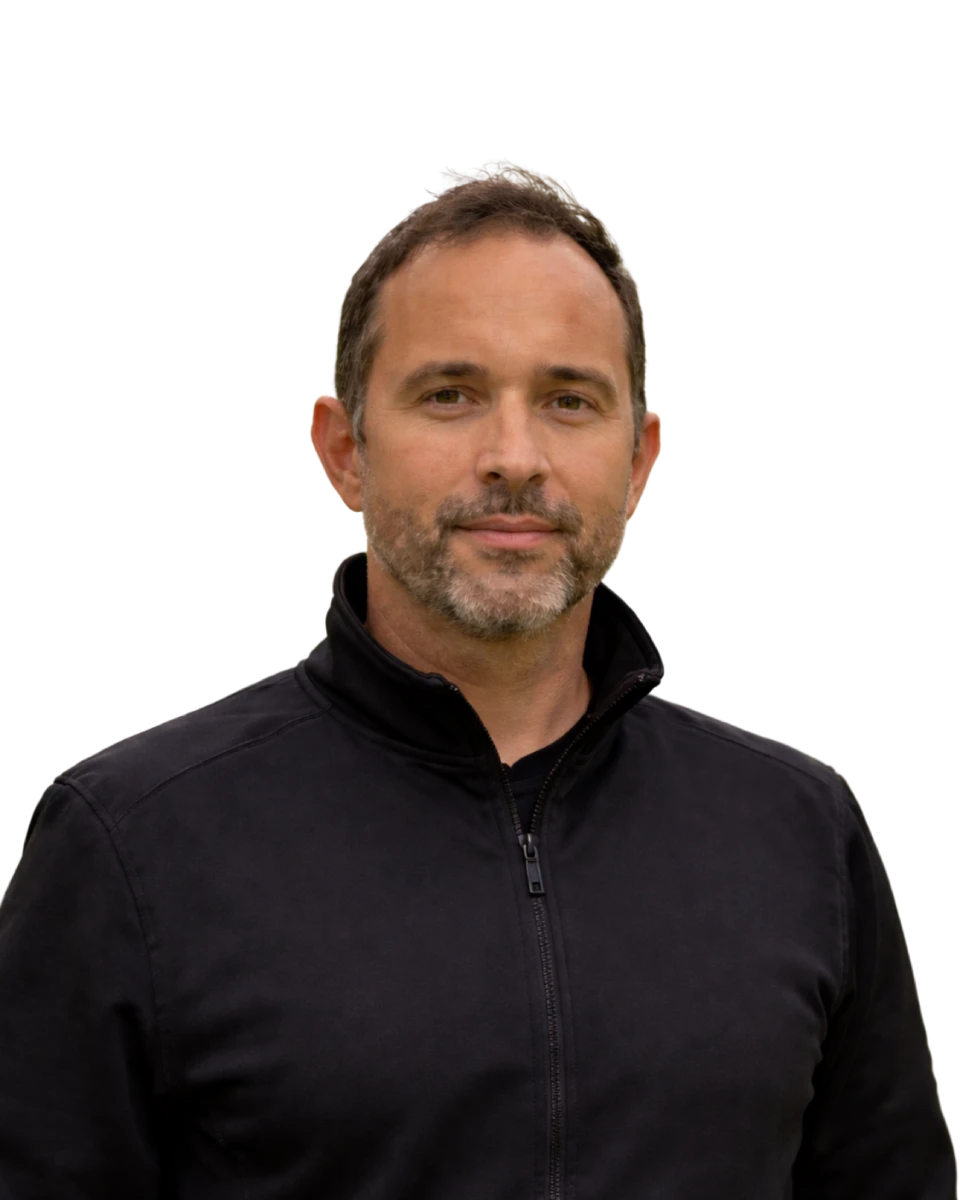
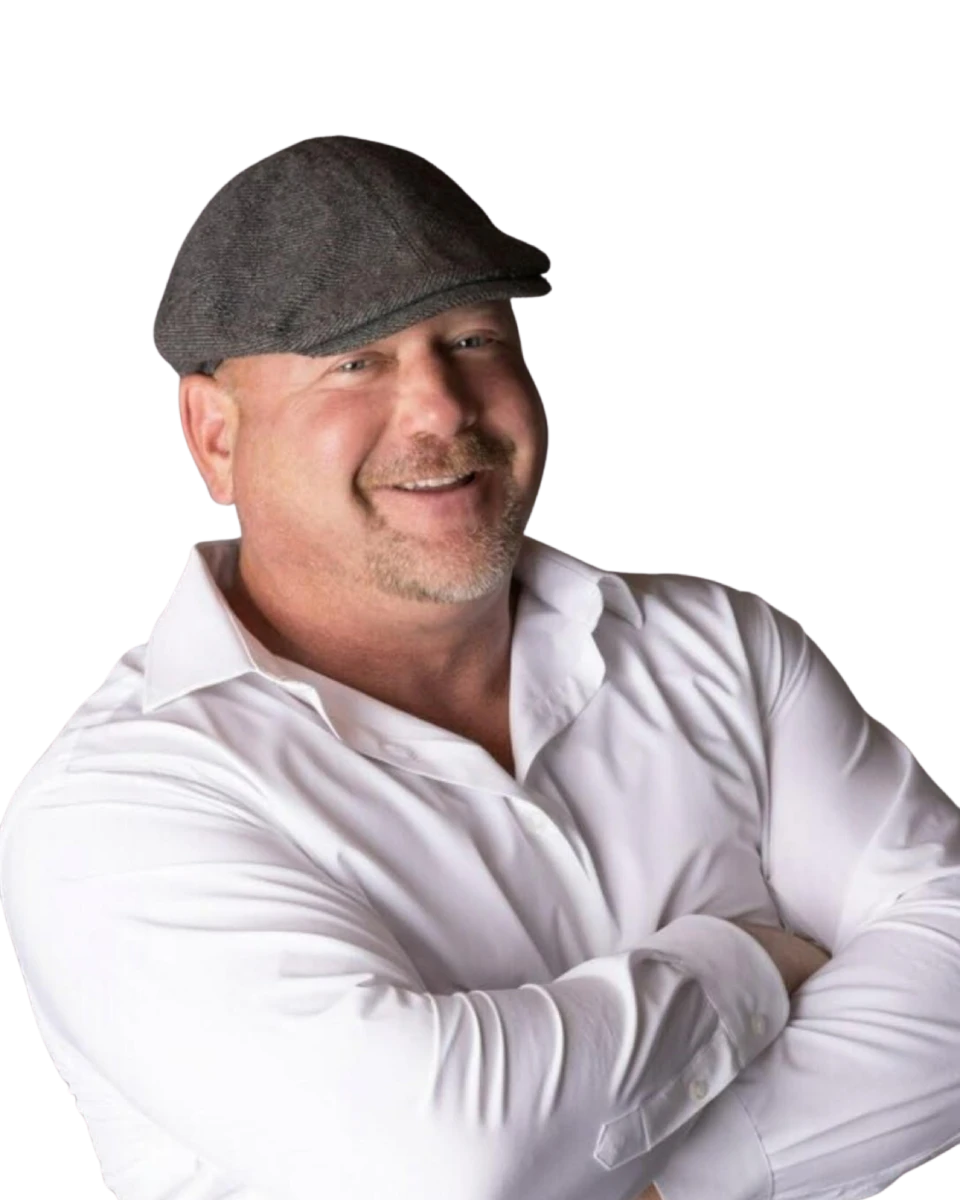
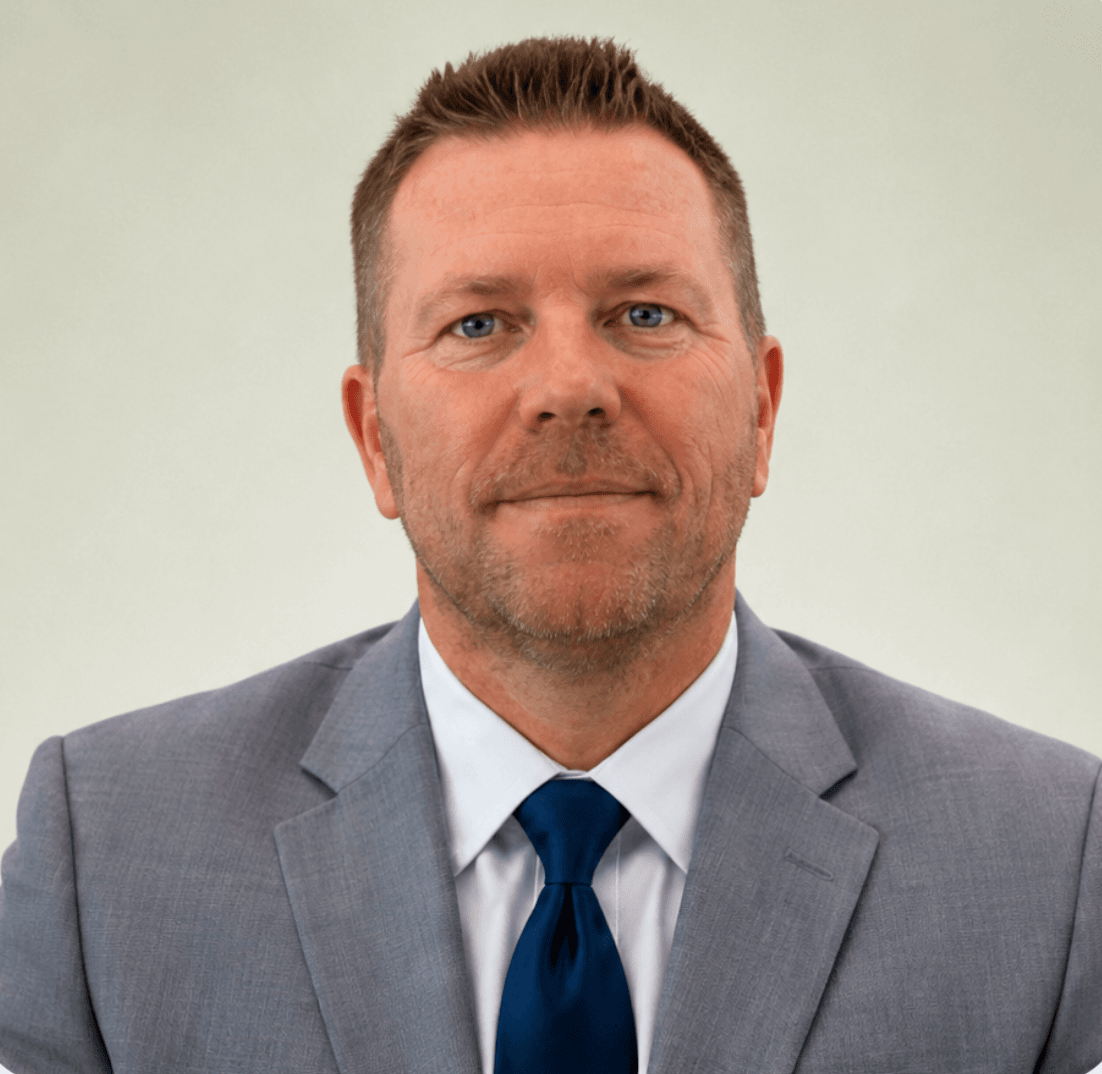
IWI was co-founded by Mike Powers, James Collins (Chief Executive Officer), and Guy Collins (Chief Financial Officer). Each brings complementary experience from outside the conventional psychedelic-medicine space, a perspective that shapes how IWI operates as both a clinical program and a serious business.
Are you a medical facility or a retreat?
Both. We’re a medical clinic with the comfort and serenity of a high-end retreat. Real doctors, real nurses, real EKGs, and beautiful surroundings that support healing.
How many clients do you treat at a time?
We keep groups small to ensure individual attention. Speak with our team for current capacity.
Our Team
Who's on the medical team?
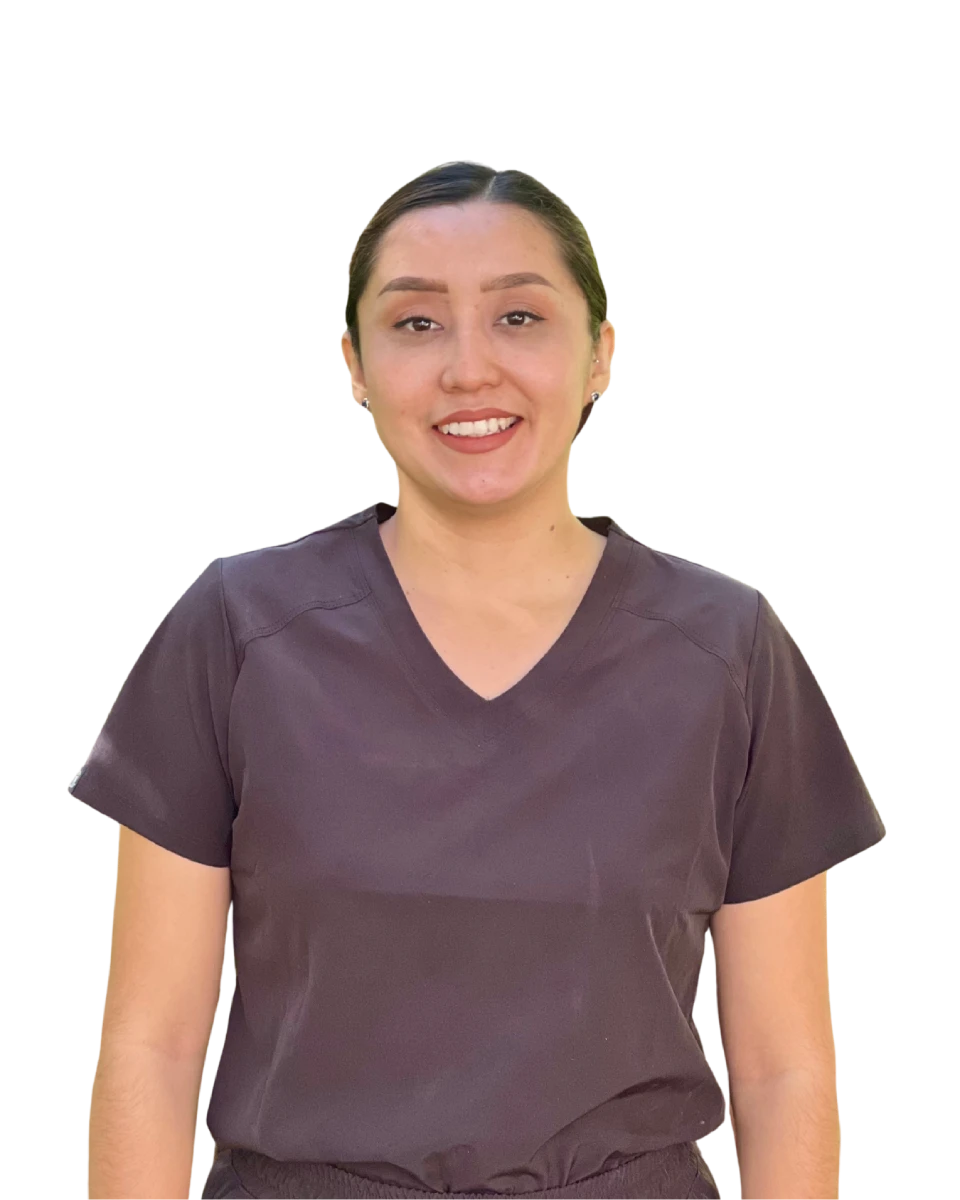
Our care team includes Luisa Cab, RN, Head Nurse; Daisy Silva, Clinical Director, Integration Specialist, and Nutritionist; and Ray Rodriguez, Psychedelic Integration Coach, certified through Being True To You. Physician-led medical oversight is part of every treatment plan.
Will I have my own guide?
You’ll be assigned a dedicated point of contact from our clinical team, with an integration coach available for therapeutic support and our physician-led medical team overseeing your medical care.
Is the doctor on-site during treatment?
Yes. Continuous medical supervision throughout the active treatment phase, with physician check-ins every 2-4 hours and the ability to respond to any emergency within 60 seconds.
Does your staff speak English?
Yes, all of our staff is fluent in English. You won’t run into language barriers with us, in transit, or at the airport. Cozumel is heavily English-speaking.
Programs & Treatment Options
What programs do you offer?
Six programs: Medical Conditions Program (Parkinson’s, MS, TBI, chronic pain), Mental Health Program (depression, anxiety, PTSD), Detoxification Program (opioids, alcohol, stimulants), Optimization Program (high-performers and executives seeking cognitive clarity, peak performance, and deep personal growth), 5-MeO-DMT Therapy, and Hyperbaric Oxygen Therapy (HBOT).
How do I know which program is right for me?
That’s exactly what your free 45-minute consultation is for. We’ll listen to what’s going on and recommend the right path.
How long is treatment?
Our published programs range from 7 to 21 days, depending on the clinical pathway and medical review. Brain Injury is 7–14 days. The standard Addiction & Substance Abuse program is 7 days. PTSD & Mental Health and Depression are 7–14 days. Chronic Neurological care is offered as a 14-day or 21-day program. Longer or medically complex programs are individually planned and quoted.
What does a typical day look like?
Mornings include light food, hydration, and group time. Treatment days include preparation, medical setup, the ibogaine session itself (~12 hours), and then 24-48 hours of close monitoring and integration. Non-treatment days include massage, meditation, breathwork, journaling, integration sessions, and rest.
Will I have one session or multiple?
Most clients have one flood dose treatment. Some conditions benefit from booster sessions or microdosing protocols, your medical team designs the plan around your goals.
What dosing approaches do you use?
Flood dose (full therapeutic dose for addiction and deep psychological work), low-dose (gentler for medical conditions or older clients), microdosing (extended treatment for neurological repair), and booster sessions for sustained results.
What is 5-MeO-DMT therapy?
A separate, shorter, more mystical experience offered as an add-on after ibogaine. We screen carefully for it, not everyone is a candidate.
What is hyperbaric oxygen therapy (HBOT)?
Pressurized oxygen treatment that helps tissue healing, brain recovery, and inflammation. Often added for TBI, post-concussion, MS, and chronic pain clients.
Safety & Medical Screening
Is ibogaine safe?
When done with proper screening, EKG monitoring, electrolyte protocols, and physician oversight, yes. The risk is real and we take it seriously. We’ve safely treated hundreds of clients without serious cardiac events. Done unsupervised? It’s dangerous. That’s why we exist.
What's the biggest medical risk?
Cardiac arrhythmia. Ibogaine prolongs the QT interval, which in rare cases can trigger Torsades de Pointes. Our entire screening and monitoring protocol is built around preventing and catching this.
What screening do you require before treatment?
A 12-lead EKG with QTc analysis, echocardiogram, comprehensive blood chemistry panel, liver function panel, electrolyte levels (magnesium, potassium, calcium), and additional tests based on your medical history.
Can I do the screening locally?
Yes, most clients complete their EKG and bloodwork with their own physician or a local lab before traveling. Our clinical team will provide a precise list of required tests and the timing.
How recent do my labs need to be?
All required lab work must be submitted to the clinic prior to your arrival. Our clinical team will provide a complete list of required tests and the timeline.
What happens during treatment monitoring?
Continuous real-time cardiac telemetry, automated QT analysis with alarms, ICU-trained nursing staff at bedside, IV access, physician checks every 2-4 hours, and immediate emergency response protocols.
Do you have emergency protocols?
Yes, IV magnesium sulfate on hand, electrical cardioversion capability, anti-seizure medications, benzodiazepine rescue meds, and a physician response time under 60 seconds.
Can ibogaine kill you?
In unsupervised, non-medical settings, fatal events occur in roughly 1 in 300 cases, almost always from undetected cardiac issues or drug interactions. With proper medical screening and monitoring like ours, the risk is dramatically lower.
Why do you use magnesium with ibogaine?
Research (Stanford 2024) showed that co-administering magnesium significantly reduces the cardiac risks of ibogaine. We use this protocol.
Will you turn me away if I'm not a candidate?
Yes. We’ve turned away clients with structural heart disease, certain medications, or other risks. Saying no when needed is part of taking this seriously.
Medications & Contraindications
What medications conflict with ibogaine?
Absolutely contraindicated: SSRIs/SNRIs (Prozac, Zoloft, Lexapro, Effexor), MAOIs (Nardil, Parnate), tricyclic antidepressants, antipsychotics (Haldol, Risperdal), benzodiazepines (Xanax, Klonopin, Valium), stimulants (Adderall, Ritalin), anti-arrhythmic meds (amiodarone, sotalol, quinidine), and certain anti-nausea meds (Zofran).
Do I have to stop my antidepressants?
Yes. SSRIs and SNRIs need to be tapered weeks before treatment to avoid serotonin syndrome, a potentially fatal interaction. Never stop on your own. Your medical team and prescribing doctor coordinate a taper schedule.
How long do I need to be off my SSRI before treatment?
Varies by medication, but typically 4-6 weeks. Our medical team will design the exact taper timeline in coordination with your prescribing physician.
I'm on Suboxone, what do I do?
Long-acting opioids like Suboxone and methadone need to be transitioned to short-acting opioids (like morphine sulfate) for about 8 days before ibogaine. We handle this onsite in our Detox Program.
I'm on methadone. Can you treat me?
Yes, but it requires the longest transition. Methadone needs to come down to roughly 2mg or less of residual dose before treatment.
I take blood pressure medication. Is that ok?
Usually yes, with adjustments. Your medical team reviews everything.
I have diabetes, can I do this?
Yes, with close monitoring during the fasting protocol. Your medical team manages it.
Who CAN'T have ibogaine?
Anyone with structural heart disease, recent heart attack/stroke, or arrhythmia history; significant liver or kidney disease; active psychosis or schizophrenia; severe bipolar Type I in active episode; pregnant or breastfeeding; uncontrolled high blood pressure; or some genetic conditions affecting QT interval.
Can I have ibogaine if I'm using kratom?
Kratom acts on opioid receptors and needs to be tapered before treatment. Our medical team will give you a schedule.
Can I have ibogaine with cannabis in my system?
Stop all cannabis at least 72 hours before treatment. Daily heavy users may need longer.
Application & Consultation
How do I start?
Three options: book a free 45-minute consultation at theibogainstitute.org, submit an application at theibogainstitute.org/client-application, or call 800-604-7294.
What's the consultation like?
A 45-minute video or phone call. We listen to what’s going on, answer questions, and figure out if ibogaine is a fit. No pressure, sometimes we tell people it’s not the right tool for them.
Is the consultation free?
Yes, completely free, no obligation.
What happens after the consultation?
If we’re a good fit and you want to move forward, you’ll formally apply and begin medical screening. Our care team will contact you with the next steps and timeline.
How long does the application process take?
Once you decide to move forward, most clients are ready to travel within 4-6 weeks, that’s the time needed for labs, medication tapering, and travel arrangements.
Do I need a referral from my doctor?
No referral required, but we may coordinate with your doctor for medication tapering and labs.
Will my regular doctor know?
Only if you tell them. We don’t contact anyone without your written consent.
Is everything confidential?
Yes. Medical confidentiality and discretion are core to how we operate.
Pricing & Payment
How much does treatment cost?
Pricing varies by program length and which services you need. Our consultation team will give you a specific quote during your free call. Industry-wide, ibogaine treatment in Mexico generally runs from $6,800 on the low end to $12,000+ on the premium end, we’ll be transparent about exactly what’s included in your program.
What's included in the price?
Pre-screening review, medical care during stay, the ibogaine medication, 24/7 physician supervision, all meals, accommodations, therapeutic services (massage, breathwork, meditation), integration sessions, airport pickup, and aftercare follow-ups.
Are there hidden fees?
No. Every quote you get from us is written and itemized. If something’s extra, we’ll tell you up front.
Do you accept insurance?
Some HSA options and very limited FSA options may apply. Check with your provider to see what’s eligible.
Do you offer financing?
Two ways to explore paying over time are personal-loan options through Credit Karma and Affirm on eligible IWI QuickBooks invoices after your program and final cost are confirmed. Availability, approval, rates, and terms vary.
What forms of payment do you accept?
Credit card, ACH, bank wire, Venmo, PayPal, and most other major payment methods.
Do you require a deposit?
Yes. Half of the total program fee is due at booking to reserve your spot. The remaining half is due before you arrive at the clinic.
What's your cancellation policy?
The full cancellation policy is detailed in our Service Agreement & Cancellation Form, which you will receive and sign as part of your enrollment paperwork. Please contact our team if you would like to review the terms in advance of committing.
Can I get a refund if I'm medically disqualified?
Yes, if you are medically disqualified, you receive a 100% refund. This is exactly why we require all lab work to be submitted and reviewed before you arrive at the clinic. If a client arrives without their required labs and is then disqualified on-site, the full program fee is non-refundable, since that spot could have been filled by another client on our waitlist.
COZUMEL
Travel & Logistics
What airport do I fly into?
Cozumel International Airport (CZM). Direct flights from Houston, Dallas, Miami, Atlanta. You can also connect through Cancún (CUN), 30-minute flight.
Do I need a passport?
Yes. Must be valid for at least 6 months beyond your departure date.
Do I need a visa?
US, Canadian, and EU citizens don’t need a visa for stays up to 180 days. You’ll get a Tourist Card (FMM) on your flight.
Will someone pick me up at the airport?
Yes, complimentary airport pickup is included. A staff member will be at arrivals holding an Iboga Wellness Institute sign. The drive to the facility is about 15-20 minutes.
What do I tell customs?
Purpose of visit: “Medical treatment” or “Wellness retreat.” Length of stay: your confirmed program length (published programs are typically 7–21 days; longer plans may be arranged after medical review). Where you’re staying: “Private medical facility in Cozumel.”
Is Cozumel safe?
Yes. Cozumel is one of the safest destinations in Mexico, extremely low crime, especially in the hotel and medical zones. It’s an established medical tourism hub.
What's the climate?
75-90°F year-round. Hurricane season is June-November but rarely affects Cozumel directly.
What's the time zone?
Eastern Time, same as New York, Miami, Toronto.
Do I need to bring cash?
Bring $100-200 USD for incidentals. Mexican Pesos are the local currency (typical rate 17-20 MXN/USD). Visa and Mastercard are widely accepted.
Should I get travel insurance?
Strongly recommended. Look for coverage that includes medical treatment, emergency evacuation, and trip cancellation.
Will I have phone and internet?
Yes, high-speed WiFi throughout the facility, so WhatsApp, FaceTime, and Skype all work cleanly. If you’d like cellular service while traveling, we recommend activating your carrier’s international plan before you depart (T-Mobile, Verizon, and AT&T all offer affordable Mexico day-pass or travel-add-on options).
When can I fly home after treatment?
We strongly recommend staying at the facility at least 24 hours after the active treatment phase ends before flying.
What if I have a family emergency and need to leave early?
Medical clearance is required before any departure. Our physicians will assess whether you’re safe to travel and may require additional monitoring.
What To Pack
What should I bring?
5-7 days of loose, breathable clothing; walking shoes, sandals, swimsuit; sunglasses and hat; SPF 50+ sunscreen and insect repellent; all prescription meds in original containers; journal, books or e-reader, headphones; phone and charger (Type A/B plugs, 110V); reusable water bottle, eye mask; comfortable layers for treatment day.
What should I NOT bring?
Expensive jewelry or watches; work laptop (this is healing time); excessive cash or valuables; recreational substances of any kind; heavy or formal clothing.
Can I bring my own supplements?
Limited quantities of personal supplements are fine, but tell us what you’re taking so we can check for interactions. Large quantities can raise customs flags.
What about my prescription meds?
Bring everything in original containers with prescription labels. Declare them at customs.
PREPARATION
Before You Arrive
What should I do in the weeks leading up?
Two weeks before: cut back on caffeine, processed foods, sugar, and artificial additives. Eat more whole foods, vegetables, lean protein, healthy fats. Sleep 7-9 hours nightly. Drink ~2 liters of water daily. Light exercise (walking, yoga, light swimming).
What should I avoid in the final 72 hours?
Alcohol, recreational drugs (cocaine, MDMA, cannabis), non-prescribed benzodiazepines or opioids, and stimulants. Detox program clients follow a separate stabilization protocol.
Do I need to fast before treatment?
Yes, on treatment day: 8-12 hours before no solid food, 4-6 hours before no liquids (small sips of water for essential meds only).
Why fasting?
A full stomach increases nausea risk and can interfere with absorption. IV hydration is maintained throughout.
Should I journal or set intentions?
Yes, clients with clear intentions for what they want to work on tend to have more focused experiences. Our team will help you prepare. We’ve also built the Journey Journal app, a journaling and creative-expression tool made specifically for IWI clients. Use it to journal during your stay and to create artwork that captures your experience. If you choose to share your artwork with us, selected pieces are displayed on the walls of the clinic, a living tribute to those who’ve walked this path before you.
Should I tell people I'm going?
Up to you. Some clients tell family and friends; some keep it private. We respect either choice.
During Treatment / What To Expect
What does the ibogaine experience feel like?
The acute experience lasts about 12 hours. Most people describe it as an “introspective dream-like state” where you revisit memories with unusual clarity and insight. With eyes closed, you’ll move through visions and reflections drawn from your own psyche.
Will I be conscious?
Yes, you’re not unconscious. You’re in a deeply inward state, but aware. You can communicate with the medical team if needed.
Will I hallucinate?
Many clients see vivid internal visions, especially with eyes closed. Most describe them as meaningful and personal, not random or scary.
Will it be scary?
It can be intense. Some moments are uncomfortable, especially when difficult memories surface. But you’re never alone, and we use grounding techniques and rescue medications if needed.
How long does the whole treatment day take?
About 24-36 hours of active monitoring. Day 1 starts with prep and the dose, the peak experience is hours 4-12, and the recovery phase continues into Day 2.
Will I sleep?
Not during the active experience. Sleep is often difficult for 24-48 hours afterward, this is normal and we manage it.
Will it be physically uncomfortable?
You may experience nausea, ataxia (unsteady coordination), and sensitivity to light/sound during the peak hours. These are managed.
What's a "grey day"?
The day after, many clients experience a low mood, fatigue, or emotional flatness. It typically lasts 24-72 hours and is part of the brain’s reset process. We support you through it.
Will withdrawal really stop?
For opioid clients: typically yes, within 24-36 hours. This is one of ibogaine’s most documented effects.
What if I freak out during treatment?
Our team is trained for this. We use grounding techniques, verbal support, and if needed, a benzodiazepine rescue medication. You’re safe.
Can I stop treatment if I want to?
Once dosed, ibogaine has to run its course, you can’t undo the dose. But every step before that is optional and consent-based.
After Treatment / Integration
What happens immediately after?
24-48 hours of continued monitoring, processing sessions, journaling, rest, and group sharing. We don’t rush you out.
What is integration?
The work of taking your insights and translating them into new habits, relationships, and choices. Treatment opens the door, integration is walking through it.
Why does integration matter so much?
The 90 days after treatment are a window of heightened neuroplasticity, your brain is biologically primed to form new patterns. What you do in those 90 days largely determines whether the changes stick.
What aftercare do you provide?
A personalized integration plan before you leave; check-in calls at 1 week, 1 month, and 3 months; access to integration therapists; peer support group connections; and booster treatment options if needed.
Who handles aftercare?
Our Clinical Director and dedicated integration coaches lead the aftercare side, with access to outside integration therapists as needed.
Will I relapse?
Honest answer: about half of addiction clients relapse at some point without strong aftercare. With structured aftercare, the numbers are dramatically better, 70-80% sustained abstinence at 6 months in published studies. Doing the work after treatment is critical.
Can I drink alcohol after?
No alcohol for at least 30 days post-treatment. Longer for some conditions. We’ll give you specific guidelines.
Can I use cannabis after?
We strongly recommend at least 30 days off to protect the neuroplastic window. Beyond that point, it’s a personal decision and outside the scope of our care.
Can I restart my SSRI after?
Possibly, but only after discussion with both your medical team and ours. Many clients find they no longer need it.
When can I exercise after?
Light walking is fine within days. Heavy exercise, wait 2-4 weeks depending on your condition and recovery.
Will I need a second treatment?
Some clients do, especially for severe addiction or specific neurological conditions. We’ll know more after watching how you respond.
What's a booster session?
A follow-up ibogaine treatment, usually at a lower dose, designed to extend or deepen the results. Many clients schedule one 6-12 months out.
Family, Companions & Support
Can my spouse/partner come with me?
Yes. Companions are welcome in Cozumel for emotional support. They book their own lodging at nearby hotels, our facility is dedicated exclusively to client care.
Where do companions stay?
We can recommend hotels and vacation rentals within 10-15 minutes of our facility.
Will my companion be allowed to visit during treatment?
Visitation is coordinated with your medical team and based on your treatment phase. We design it around what supports your healing.
Can my family call to check on me?
Yes, we coordinate updates with whoever you authorize. WhatsApp and phone work well over WiFi.
Can my family talk to the team beforehand?
Yes, with your written consent. Many families ask us questions before sending their loved one.
Veterans, First Responders & Athletes
Do you treat veterans?
Yes, veterans, especially those with PTSD and TBI, are a major part of our client population. Stanford’s groundbreaking study on ibogaine for Special Operations veterans showed dramatic improvements.
What kinds of trauma do veterans typically come to you for?
Combat-related PTSD, traumatic brain injury from blast exposure, moral injury, and the chronic depression and anxiety that often follow. Many veterans come to us after years of medications and traditional therapy that didn’t fully reach what was going on underneath.
Can the VA pay for this?
Not currently, ibogaine isn’t FDA approved, so the VA can’t fund it directly. Organizations like VETS Inc. provide scholarships specifically for vets.
Do you treat first responders?
Yes, police, fire, EMS, and dispatchers. Trauma is trauma, and we know this population.
Do you treat athletes with brain injuries?
Yes, football players, MMA fighters, hockey players, soccer players. This client population sits close to home for us. The lived understanding inside our team shapes how seriously we take this work, from intake through aftercare.
Legal Status
Is ibogaine legal?
In the United States, ibogaine is currently Schedule I, meaning it’s illegal for general use. In Mexico, it’s legal in medically supervised settings, which is why our clinic is there.
Will I get in trouble bringing it back?
You’re not bringing ibogaine home. The medicine is administered in our clinic in Mexico. Once it’s processed by your body, you’re not carrying anything illegal.
Did Trump's executive order legalize ibogaine?
Not yet. The April 2026 executive order directs the FDA and DEA to accelerate research and create a pathway for access under Right to Try, but ibogaine remains Schedule I until rescheduled. The order is a major signal but not legalization.
Is Colorado legalizing ibogaine?
Colorado is currently holding hearings on regulated psychedelic access, including ibogaine. IWI is engaged in that process. Stay tuned.
Will it ever be legal in the US?
The direction is positive. The executive order plus active state hearings plus Stanford-level research all point toward eventual rescheduling, but it’ll take years.
Comparisons & Alternatives
How is ibogaine different from Suboxone?
Suboxone replaces one opioid with another, you’re still dependent. Ibogaine interrupts dependence and resets the underlying brain chemistry. Different tool, different outcome.
How is it different from methadone clinics?
Methadone is daily maintenance, you have to keep taking it. Ibogaine is one treatment that aims to free you from dependence entirely.
Should I try traditional rehab first?
Many of our clients have. Most ibogaine candidates come to us after multiple rounds of conventional treatment didn’t stick. We’re often the option when other options haven’t worked.
How does ibogaine compare to ketamine therapy?
Ketamine is shorter-acting, more accessible, and less risky, but also less powerful for severe addiction. Ibogaine is bigger medicine for bigger problems.
How does it compare to psilocybin therapy?
Different mechanisms. Psilocybin is excellent for depression and end-of-life anxiety. Ibogaine has the unique ability to interrupt physical addiction. Some clients eventually do both.
What about ayahuasca retreats?
Ayahuasca is a beautiful tool for emotional processing and spiritual work, but it doesn’t reset the brain the way ibogaine does. It’s also not a withdrawal interrupter.
Common Concerns & Misconceptions
Is ibogaine just a placebo?
No. The mechanism is biological, measurable changes in EEG, MRI, and neurotransmitter activity. Stanford’s research documented effect sizes (Cohen’s d ≥ 2.18 at 12 months) far beyond placebo levels.
I'm not religious, will this be too spiritual?
We’re a medical clinic, not a religious one. Many clients describe the experience as spiritual, but you don’t need any belief system to benefit. Your experience is yours.
I'm afraid of psychedelics. Is this the right path?
That’s normal. The ibogaine experience is very different from recreational psychedelics, slower, more inward, more meaningful for most people. We’ll talk through it with you.
What if I have a bad trip?
Difficult moments happen, those are often where the most healing comes from. Our team is trained to support you through challenging passages, and we have rescue medications available.
Will I be different to the people who know me?
Many clients report feeling like a clearer, calmer version of themselves. Family and friends often describe positive changes within weeks.
What if I don't feel anything?
Rare with a flood dose. If it happens, we re-evaluate dosing and mechanism. Some clients are slow metabolizers and need adjustments.
Will I lose my personality?
No. Ibogaine doesn’t remove who you are, many clients say it helps them become more themselves.
Can ibogaine create new addictions?
No. Ibogaine is not addictive and has no recreational use. It’s the opposite of what an addictive substance does.
Will I have to "do the work" or does ibogaine do it for me?
Both. Ibogaine does heavy lifting your brain couldn’t do on its own. You still have to walk into the new life it opens up.
Life Inside The Clinic
What's the food like?
Three meals daily, prepared on-site by our in-house private chef using fresh, organic, locally sourced ingredients. Gluten-free, anti-inflammatory cuisine. Caffeine-free herbal teas, electrolyte hydration drinks with BCAAs, and daily supplements.
Can you accommodate food allergies/restrictions?
Yes, please let our team know in advance.
What are the rooms like?
Private bedrooms with sound machines, fans, heaters, room dividers, premium linens, blackout masks, and recovery items.
Is the facility quiet?
Yes. Tranquil garden setting, swimming pool, lush tropical gardens, designed for rest.
Will I have free time?
Some, depending on your program and treatment phase. Some programs include limited free time for beach walks or relaxation. But healing comes first, this isn’t a vacation.
Can I leave the facility during my stay?
Outings are coordinated with the medical team based on your treatment phase. We don’t lock anyone in, but for safety reasons, we plan time out together.
What therapeutic services are included?
Massage, reiki, guided meditation, mindful movement, breathwork, built into your daily schedule.
Are there other clients there at the same time?
Yes, in small groups. Many clients find peer connection healing; it’s part of the model.
Can I work from the clinic?
We strongly discourage it. Your job here is healing, not work email.
Will I have privacy?
Yes, private bedrooms, private time, and respect for your space.
Straight Talk / Harder Questions
What's your success rate?
For addiction: published studies of well-run ibogaine programs paired with strong aftercare show 70-80% sustained abstinence at 6 months, with 30% of clients reporting permanent cessation. For PTSD: Stanford data shows 84% sustained remission at 12 months. We track outcomes and stay honest about results.
Has anyone died at your clinic?
Our team has safely administered more than 3,000 ibogaine treatments without a single cardiac event. That record is the direct result of rigorous pre-treatment screening, continuous medical monitoring, and physician oversight at every stage of care.
What's the worst thing that happens here?
Most “worst” moments are emotional, clients confronting things they’ve avoided for years. Physically, the most common rough patches are nausea during treatment and a “grey day” after. Cardiac events are rare due to our screening, but it’s the reason we screen so hard.
Why is ibogaine illegal if it works?
History: it got swept into Schedule I in 1967 alongside other psychedelics during the war on drugs, before any of its medical uses were studied. The science has caught up. The law is catching up now.
Are there other clinics doing this?
Yes, there are clinics across Mexico. The differences come down to medical rigor, staff experience, and aftercare. We’d rather you do your homework on any clinic, including ours.
Why should I choose IWI over another clinic?
Three things: deep medical infrastructure (real EKG monitoring, ICU-trained nurses, and on-site physicians, not just guides); a dedicated integration program built in from day one, not bolted on as an afterthought; and the depth of experience our team brings to every client. We built IWI because we live this work.
What's your guarantee?
We don’t guarantee outcomes, anyone who does is lying. What we guarantee is medical rigor, honest assessment, and that we’ll never take a client we don’t believe we can help.
Can I talk to former clients?
Yes, we can connect you with clients who’ve agreed to share their experience. Many of our clients are open about their journey.
What if it doesn't work for me?
We’ll talk through what we saw and recommend next steps. Sometimes that’s a booster session. Sometimes it’s a different modality. We don’t disappear after treatment.
What if I get cold feet before I arrive?
Call us. We’d rather have an honest conversation than have you not show up. Cold feet are normal.
AI ASSISTANT
Rosie Specific
Are you a real person?
I’m Rosie, IWI’s AI assistant. I help answer questions and connect you with the right person on our team. For anything medical or specific to your situation, I’ll route you to one of our care coordinators.
Can you book my appointment?
Yes, I can text or send you the booking link for a free consultation with our team right now.
Can you tell me if I'm a candidate?
I can answer general questions about who’s a good candidate. Whether you specifically are a candidate has to come from our medical team after a real conversation. I can get you on their calendar.
Can you quote me a price?
General pricing ranges yes, exact pricing comes from your consultation, where the team builds a quote around your specific program and length of stay.
Can I just text you?
Yes, I work over SMS. Text us at 800-604-7294 and I’ll route you.
What languages do you speak?
English. The clinic team is fluent in English; some staff also speak Spanish.
Can you call my family for me?
I can send them information and a booking link. I don’t initiate outbound calls without your authorization.
Treatment Options & Protocols
What ibogaine treatment programs does The Iboga Wellness Institute offer?
We offer individualized, physician-directed pathways for several goals. Brain Injury is 7–14 days and starts at $8,500 USD. PTSD & Mental Health and Depression are 7–14 days; shorter plans start at $8,500 USD, and the full 14-day plan is $17,000 USD. The standard Addiction & Substance Abuse program is 7 days and starts at $8,500 USD. Chronic Neurological care is $17,000 USD for 14 days or $24,000 USD for 21 days. IWI Reserve / Optimization uses higher, individualized pricing provided after application and medical review; no amount is published online. Longer or medically complex programs are individually quoted and may exceed published starting prices.
What is the investment for treatment?
Published pricing is: Brain Injury (7–14 days), starting at $8,500 USD; standard Addiction & Substance Abuse (7 days), starting at $8,500 USD; PTSD & Mental Health and Depression (7–14 days), shorter plans starting at $8,500 USD and full 14-day plans at $17,000 USD; and Chronic Neurological care, $17,000 USD for 14 days and $24,000 USD for 21 days. IWI Reserve / Optimization is individually priced following application and medical review, with no public amount. Longer or medically complex programs are individually quoted and may exceed the published prices. Your consultation will confirm the appropriate program and final cost.
What's included in the cost of treatment?
Where does treatment take place?
Treatment takes place at our flagship facility in Cozumel, Mexico, the Ocean Sanctuary. Mexico is a legal jurisdiction for ibogaine administration. Our Cozumel location blends advanced ibogaine therapy with Caribbean tranquility. Comfortable healing suites, island setting, and peaceful surroundings create the ideal environment for transformation. The exact facility address is kept confidential to protect patient privacy; private drivers escort you from your arrival point.
Why do you administer ibogaine treatment in Mexico?
Ibogaine is currently classified as a Schedule I substance in the United States, making it federally illegal despite overwhelming clinical evidence of its therapeutic value. Mexico operates under different regulatory frameworks, allowing us to provide this life-changing treatment legally, safely, and to the medical standard it deserves. As a US-based institute, we provide all American consumer protections and legal safeguards while delivering care where ibogaine is unscheduled.
How long is the complete process from start to finish?
The full journey, from your initial inquiry through post-treatment integration, spans several weeks. After submitting your application and completing medical intake, most patients arrive at our facility within 2–4 weeks. The residential program itself runs 7–21 days depending on your program. Longer or medically complex programs may extend beyond these published durations and are individually planned and quoted after clinical review. Post-treatment integration support continues for weeks and months following your return home.
Is my treatment confidential?
Absolutely. Your privacy is protected at every stage. Facility locations remain confidential. Your medical records and treatment history are handled with the strictest clinical privacy standards. Many of our patients are professionals, veterans, first responders, and public figures, we understand what confidentiality means to you and we take it seriously.
Medical Oversight & Safety Standards
What are the risks associated with ibogaine treatment?
How is ibogaine administered?
What is the treatment environment like?
What if I have a difficult experience during treatment?
Health Screening & Eligibility
What medical tests are required before arrival?
Before treatment, every patient completes a comprehensive pre-screening that includes: a 12-lead EKG, echocardiogram (cardiac ultrasound), complete blood panel (CBC, metabolic panel, liver function, thyroid), and a full medication and supplement review. These tests must be completed within a specified window before arrival. Our clinical team reviews all results and may request additional testing based on your individual profile. This process protects you and ensures ibogaine is both safe and optimally effective for you.
Can I stay on my current medications?
Many medications require tapering or discontinuation before ibogaine treatment due to interaction risks, particularly medications that affect cardiac rhythm, serotonin levels, or liver metabolism. Our clinical team reviews your full medication list during intake and provides specific guidance for each patient. This process typically begins 2–4 weeks before your arrival date. Do not discontinue any medication without medical guidance.
Do I need to stop drinking alcohol before treatment?
Yes. Alcohol must be discontinued before treatment, your clinical team will provide specific timelines based on your history. Active alcohol consumption immediately before ibogaine treatment creates serious safety risks. If alcohol dependency is severe, we will guide you through a safe preparation protocol. Our Detoxification Program is specifically designed for individuals with substance dependency, including alcohol.
What if I'm on Suboxone or methadone?
Suboxone (buprenorphine) and methadone both require a transition protocol before ibogaine treatment. These medications occupy opioid receptors in ways that interact significantly with ibogaine. The timeline and protocol for transitioning off MAT medications varies by individual and requires careful medical management. This is one of the most important aspects of pre-treatment preparation for opioid-dependent patients, our team has extensive experience guiding this process safely.
What if I have a difficult experience during treatment?
Yes. Our Medical Conditions Program specifically addresses complex neurological conditions including Parkinson’s disease, multiple sclerosis, traumatic brain injury, fibromyalgia, neuropathic pain, and post-concussion syndrome. Ibogaine’s ability to promote neurogenesis, reduce neuroinflammation, and support repair of damaged neural pathways makes it uniquely suited for conditions that conventional neurology considers poorly treatable. Contact our clinical team to discuss your specific situation.
Getting Ready & Arrival Details
What are the steps to begin treatment?
The process begins with submitting an application at theibogainstitute.org. Our team reviews your intake and contacts you, typically within 1–2 business days, to discuss your situation, answer questions, and determine program fit. If approved, you’ll receive your medical screening requirements and a program timeline. Once medical clearance is confirmed, your arrival date is scheduled. Private transportation from the Cozumel airport to our facility is arranged by our team.
How do I prepare for treatment?
Preparation is essential and begins weeks before arrival. Key preparation elements include: completing all required medical tests, following medication tapering protocols under our guidance, dietary adjustments (specific guidelines are provided), physical preparation (rest, hydration, reducing stimulants), and psychological preparation, setting clear intentions and beginning to reflect on what you hope to heal. Your integration team will guide you through a structured pre-treatment preparation process.
What should I pack?
We provide a detailed packing list upon enrollment. In general: comfortable, loose-fitting clothing, personal items that bring comfort (journal, meaningful objects), any approved medications, comfortable shoes for gentle walks. Leave behind: heavy electronics, alcohol, recreational substances, and anything that might distract from the healing environment. Light, intentional packing reflects the spirit of the process.
How do I get to the clinic?
You fly into Cozumel International Airport (CZM). Our team arranges private transportation directly from the airport to our facility. The facility address is kept confidential until your arrival is confirmed, this is a privacy protection for all patients. You will receive complete arrival instructions well in advance. Many patients fly from major US cities with direct or one-connection routes to Cozumel.
Can I bring a companion or loved one?
We understand the desire for support during a significant healing journey. Companion arrangements are evaluated case by case, please discuss this with our intake team during your consultation. In most cases, companions are welcomed for the travel and can be accommodated nearby, with structured opportunities for connection between treatment sessions. The treatment itself requires solitude and internal focus.
Post-Treatment Support & Integration
What happens after treatment?
The ibogaine experience creates a window of neuroplastic openness, what you do with that window matters enormously. Immediately following treatment, you remain at our facility for observation, rest, and initial integration sessions. Before departure, your integration team establishes a post-treatment care plan. This includes scheduled integration coaching calls, peer community access, and clinical support resources to help you sustain the transformation.
Do you offer long-term support?
Yes. Our comprehensive aftercare program includes personalized integration coaching, ongoing clinical support, peer community access, and curated resources to help you navigate lasting change. Healing doesn’t end when you board your flight home. The weeks and months following treatment are a critical period for consolidating neurological change into new life patterns. We are committed to accompanying you through that process.
How long do ibogaine's effects last?
This is highly individual. Many patients report sustained effects, improved mood, reduced cravings, mental clarity, emotional resilience, for months to years following a single treatment. The neuroplastic changes ibogaine catalyzes create structural brain changes, not just temporary chemical shifts. That said, what you do after treatment significantly influences duration. Integration practices, lifestyle choices, and support structures all contribute to sustaining transformation. Our aftercare program exists precisely to support this.
Can I receive multiple treatments?
Yes. Some individuals benefit from more than one ibogaine treatment, particularly for complex or layered conditions. Each subsequent treatment is evaluated clinically and requires the same rigorous screening as the first. Many of our long-term community members have undergone multiple treatment courses as part of an ongoing commitment to neurological health and personal transformation. This is always a clinical decision made in partnership with our medical team.
What if I still have questions?
We welcome your questions, no matter how specific, sensitive, or unconventional. Call us at 800-604-7294. Your call will be received by our clinical team, not a call center. Every conversation is confidential. We know the decision to pursue ibogaine therapy is significant, and we are honored to help you navigate it thoughtfully.