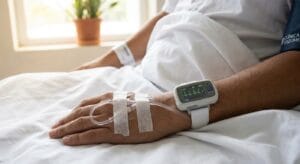

Why ibogaine treatment supervision environment quality matters
When you compare ibogaine providers, it can be tempting to focus on price, location, or how quickly you can get scheduled. However, the quality of the ibogaine treatment supervision environment is one of the most important factors you should evaluate.
Ibogaine affects your heart, blood pressure, balance, and perception. Clinical guidelines emphasize that patients must be continuously observed in a controlled medical setting during and after dosing so staff can respond immediately to complications such as dangerous heart rhythm changes or severe low blood pressure [1].
Understanding what a professional ibogaine treatment supervision environment looks like helps you sort safe, medically grounded clinics from risky operations. You can also use what you learn here alongside resources such as what an ibogaine clinic is like and ibogaine therapy setting explained to create a clear comparison of your options.
Understanding ibogaine’s risks and why supervision is critical
Ibogaine is not a mild substance. It can produce rapid and significant changes in your body that require trained medical oversight.
Cardiac and blood pressure risks
Clinical observations in an inpatient setting found that a single oral dose of ibogaine hydrochloride caused clinically relevant but reversible prolongation of the QTc interval, which is a heart rhythm measure on an ECG. In that study, 50 percent of participants exceeded a QTc of 500 ms, a level associated with risk for dangerous arrhythmias, during 24 hours of continuous cardiac monitoring [2].
Researchers also reported mild bradycardia, or slower heart rate, and decreased blood pressure in the first 12 hours after ibogaine ingestion. The combination of QTc prolongation, lower heart rate, and lower blood pressure further increases cardiac risk and makes continuous, real‑time cardiovascular monitoring essential [2].
If a clinic does not have equipment and staff to continuously monitor your heart rhythm and vital signs, it cannot respond quickly to these predictable physiological effects.
Motor and balance impairment
Ibogaine can temporarily affect your ability to walk and coordinate movement. In the same observational study, patients experienced severe transient cerebellar ataxia, meaning they could not walk without support, for 24 to 48 hours after dosing. All cases resolved, but only because they were managed in a supervised inpatient environment with support available at all times [2].
In a nonclinical setting, that level of impairment can lead to falls, injuries, or panic. This is one reason responsible providers insist you stay in bed or under direct supervision during the acute phase of treatment.
Psychological and perceptual effects
Ibogaine often produces intense inner experience rather than classic hallucinations. In a monitored clinical setting, patients reported wakeful dreaming and spatial disorientation that lasted 3 to 7 hours. These psychomimetic effects were mostly mild and transient, and no severe delirium occurred, which suggests that structured supervision helps you move through the experience more safely [2].
A calm, quiet room with dim lighting is recommended to reduce unnecessary stimulation and help you stay mentally settled as you process the experience [3]. When you tour or research an ibogaine treatment environment, you want to see those conditions clearly prioritized.
Core components of a safe ibogaine supervision environment
A credible ibogaine provider will build its entire program around safety. When you tour a facility or speak with staff, you should be able to identify several non‑negotiable elements in the ibogaine treatment supervision environment.
Comprehensive pre‑treatment medical screening
Before you are approved for ibogaine, the clinic should complete a thorough medical evaluation. Weak or superficial screening is a warning sign.
High quality programs typically include:
- Detailed medical and psychiatric history
- Review of all current and recent medications
- Physical examination
- Baseline vital signs
- Electrocardiogram (EKG) focused on QTc interval
- Blood tests for electrolytes such as potassium and magnesium, plus liver and kidney function
For example, Experience Ibogaine in Tijuana requires cardiovascular screening including an EKG within two weeks of treatment, as well as an on‑site EKG on arrival to recheck the QTc interval and electrolyte levels for potassium and magnesium [3]. Bassé Clinic screens for health history and current medications and excludes candidates with active diseases affecting the heart, lungs, or liver [4].
Responsible clinics also exclude people with epilepsy or seizure disorders, schizophrenia, severe bipolar disorder, or a recent heart attack due to higher risks for seizures, worsened mental health conditions, or cardiac events during ibogaine treatment [3].
If a provider accepts nearly everyone, minimizes your concerns, or does not ask for medical records, you should regard that as a serious red flag.
Continuous clinical monitoring during dosing
Once ibogaine is administered, you should be under uninterrupted observation. Guidelines supported by the Global Ibogaine Therapy Alliance recommend:
- Continuous heart monitoring using at least a 3‑lead ECG
- Frequent blood pressure and heart rate checks
- Ongoing checks of breathing, skin color, and responsiveness
- Access to oxygen and emergency medications
During the first 12 to 24 hours, at least two ACLS trained staff members should be present. One monitors cardiac changes and respiration while the other is ready to respond to emergencies until heart indicators normalize, typically within that 12 to 24 hour window [5].
A professional ibogaine detox facility setup will include this type of equipment, along with a clear protocol that staff can explain to you in straightforward language.
Ongoing supervision in the post‑acute phase
Even after the most intense effects have passed, you remain medically vulnerable. Noribogaine, ibogaine’s primary metabolite, stays in your system for weeks and can still interact with other substances. For at least 72 hours following the acute phase, you should receive regular supervision and vital sign checks approximately every 4 hours while you are awake, with at least one ACLS‑trained staff member accessible at all times [5].
Post‑treatment oversight typically includes:
- Monitoring for dizziness, tremors, chest pain, palpitations, or shortness of breath
- Encouraging and tracking fluid intake with electrolyte containing beverages
- Counseling on strict avoidance of contraindicated substances for several weeks
Experience Ibogaine specifically notes that post‑treatment supervision covers heart rate, blood pressure, and side effects such as tremors or dizziness, and that ongoing abstinence from contraindicated substances is required while noribogaine remains active in your system [3].
If you are offered a same‑day discharge or only a brief observation window, the supervision environment likely does not meet basic safety expectations.
What to look for in medical staff and credentials
The best ibogaine therapy setting is more than a comfortable room. You also need a skilled, interdisciplinary team focused on your safety from intake through discharge.
On‑site medical professionals
At a minimum, you should expect:
- Licensed physicians with current training in advanced cardiac life support
- Registered nurses present around the clock during dosing days
- Access to emergency medicine expertise and ambulance or hospital transfer if needed
Experience Ibogaine emphasizes 24/7 medical oversight by licensed physicians, nurses, and therapists as a core feature of their program [6]. Similarly, Bassé Clinic completes comprehensive assessments on arrival, including ECGs, vital signs, and blood chemistry panels, which are reviewed within 24 hours to create individualized safety plans [4].
You can ask specific questions such as:
- Which medical staff are physically present overnight during dosing?
- Who interprets ECGs and lab results?
- How quickly can you transfer a patient to a hospital if needed?
A clinic that provides clear, precise answers is usually better prepared than one that responds vaguely.
Safety protocols and emergency readiness
A qualified team does not rely on improvisation. They follow written procedures and rehearse emergency responses. As you evaluate an ibogaine clinic setting, you can ask to hear how they handle:
- Detection and response to arrhythmias or dangerously prolonged QTc
- Management of low blood pressure or slow heart rate
- Seizure protocols
- Adverse psychological reactions
Clinical guidelines also recommend placing an intravenous port or central line before treatment to manage dehydration and allow rapid administration of medications in the event of arrhythmia or seizure. Ideally, insertion and removal are done in a hospital setting [5].
If a clinic cannot describe these steps in detail, or if they say emergencies never happen, you should reconsider your options.
Physical environment, comfort, and privacy
Safety is non‑negotiable, but comfort also matters. You are more likely to relax and engage with the process fully in a calm, supportive environment.
Room design and amenities
An effective ibogaine treatment supervision environment typically includes:
- Private or semi‑private rooms with bathrooms
- Adjustable beds that support different positions during long sessions
- Clean, uncluttered spaces free from trip hazards
- Soothing natural light and the option to darken the room
- Temperature control and comfortable bedding
For example, Experience Ibogaine offers tranquil rooms with natural light and ocean views, along with amenities such as personalized meal plans, a steam room, and a jacuzzi to enhance relaxation and the overall healing environment [6]. While luxury is optional, basic cleanliness, comfort, and safety features are not.
A calm and safe environment with quiet, dim lighting is specifically recommended during ibogaine sessions to help you stay mentally calm and reflective while staff observe you closely [3].
Hydration and nutrition support
Proper hydration before, during, and for at least 72 hours after treatment is essential for maintaining electrolyte balance and reducing dehydration risks. Guidelines recommend fluids that contain electrolytes, such as coconut water, rather than plain water alone [5].
During your stay, you should have:
- Easy access to electrolyte containing drinks
- Light, balanced meals that do not upset your stomach
- Staff monitoring your fluid and food intake, especially if you feel nauseated
Some clinics document your intake as part of routine observation, which is a positive sign that they are following best practices.
Privacy and confidentiality
You may share deeply personal history and experiences during your preparation and integration sessions. A trustworthy clinic will commit to confidentiality and clear privacy policies.
Bassé Clinic states that all ibogaine treatment experiences and patient information are kept completely confidential to create a trusting environment for this experimental therapy [4]. When you visit or call a clinic, you can ask how they secure records and who has access to your information.
Psychological support and therapeutic care before, during, and after
Ibogaine is not a stand‑alone cure. It is a catalyst that can open a window for deep change when it is paired with meaningful psychological support.
Preparation and one‑on‑one therapy
Before dosing, you should have time to build rapport with therapists or counselors, clarify your intentions, and review any fears or questions you have. Structured preparation typically includes:
- One‑on‑one sessions to discuss your history and goals
- Education about what to expect physically and psychologically
- Planning for how you will apply insights after treatment
At Experience Ibogaine, therapy includes individualized one‑on‑one sessions with techniques such as Cognitive Behavioral Therapy, Dialectical Behavior Therapy, and mindfulness practices used before, during, and after ibogaine treatment in a safe, nurturing setting [6]. Bassé Clinic emphasizes psychological support, somatic therapy, bodywork, and group rituals designed to foster emotional safety and open communication throughout the healing process [4].
When you explore the ibogaine therapy treatment environment at different centers, pay attention to how much emphasis they place on this type of preparation.
Support during the acute experience
You may spend many hours lying down, eyes closed, engaging with intense inner imagery or emotions. During this time, staff should:
- Observe you without intruding unnecessarily
- Offer reassurance if you become frightened or disoriented
- Help you adjust physically for comfort and safety
- Encourage you to focus inward while they manage external needs
Patients should be continuously observed from clearance through discharge, with detailed records of breathing, behavior, skin color and elasticity, fluid and food intake, and any symptoms such as palpitations, chest pain, shortness of breath, or faintness [5]. This level of attention protects your safety and helps staff respond quickly to both emotional and medical issues.
Integration and follow‑up care
After the main effects subside, you are often physically tired but mentally clearer. This is a key time to begin integration.
High quality programs usually offer:
- Debriefing soon after the session to capture early insights
- Scheduled integration therapy sessions in the days following
- Continued support or referrals once you return home
Experience Ibogaine extends care with two additional therapy sessions after you have gone back to your home environment. These sessions help you integrate treatment insights and address new challenges that arise in your daily life [6].
Your ibogaine inpatient treatment experience should feel like the start of a broader recovery plan, not an isolated event.
Hydration, IV access, and additional safety measures
Beyond basic monitoring, advanced clinics implement specific medical safeguards designed around known ibogaine risks.
Hydration and electrolyte management
Because ibogaine can affect cardiac conduction and blood pressure, maintaining balanced electrolytes is essential. Clinical guidelines specify that patients should:
- Begin treatment well hydrated
- Continue drinking fluids containing electrolytes before, during, and for at least 72 hours after ibogaine
- Be monitored for signs of dehydration such as low urine output, dry mouth, or dizziness
The Global Ibogaine Therapy Alliance highlights the importance of electrolyte containing fluids, such as coconut water, to support safe recovery [5].
IV access and hospital collaboration
Establishing an intravenous port or central line before treatment serves two critical purposes. It protects against dehydration and provides immediate access for medications if arrhythmias or seizures occur. Best practice is to insert and remove the IV in a hospital setting with appropriate sterile technique and backup resources [5].
Some clinics maintain direct relationships with nearby hospitals to streamline any necessary transfers. When you ask about hospital access, you want to hear clear, specific information about:
- Distance and typical transfer times
- Whether clinics have formal agreements with hospitals
- How often they have needed to use those pathways
Providers who take these measures demonstrate a serious commitment to your safety.
How to evaluate clinics using a supervision environment checklist
When you narrow your choices, you can use a simple framework to compare the quality of each ibogaine treatment supervision environment. Combine what you learn here with deeper resources such as ibogaine therapy setting explained and professional ibogaine treatment environment to create a more complete picture.
Here is a concise checklist you can adapt when you speak with clinics or tour facilities:
Ibogaine supervision environment quick‑check:
Ask each clinic to walk you through, step by step, what happens from your first medical screening to at least 72 hours after dosing. Take notes on how closely their process matches established safety guidelines.
Key points to explore include:
- Screening and eligibility
- Do they require recent EKGs and lab work?
- Who reviews your medical history and medications?
- Which conditions automatically exclude you from treatment?
- On‑site medical capacity
- Are physicians and nurses on site 24/7 during dosing days?
- Do staff maintain ACLS certification?
- What monitoring equipment is in each treatment room?
- Monitoring and supervision
- Is there continuous cardiac monitoring for at least 12 to 24 hours?
- How often are vital signs checked after the acute phase, especially during the 72 hours that follow?
- How are your breathing, fluid intake, and behavior documented?
- Physical environment
- Are rooms quiet, clean, and free of trip hazards?
- Can they adjust light levels and room temperature easily?
- How do they manage hydration, meals, and nausea?
- Psychological and integration support
- What kind of preparation sessions are offered?
- Which therapeutic approaches do they use during your stay?
- Do they provide post‑treatment therapy or integration calls after you return home?
- Emergency preparedness
- Do they place IV access before treatment?
- How do they handle arrhythmias, seizures, or severe blood pressure changes?
- What is their plan for rapid hospital transfer?
As you gather answers, you will start to get a feel for the clinic’s overall level of professionalism. Comparing your impressions with information on the ibogaine clinic experience can help you decide whether a provider aligns with your needs and risk tolerance.
Bringing it all together for your decision
Choosing where to undergo ibogaine therapy is a significant decision. Cost, travel, and timing matter, but your safety and long‑term recovery prospects matter more. A high quality ibogaine treatment supervision environment rests on several pillars:
- Rigorous pre‑treatment medical screening with clear exclusion criteria
- Continuous cardiac and vital sign monitoring during the acute phase
- Structured observation and support for at least 72 hours afterward
- On‑site physicians, nurses, and ACLS‑trained staff throughout the process
- A calm, well equipped physical space that prioritizes comfort and safety
- Thoughtful psychological support, integration planning, and follow‑up
- Transparent emergency protocols and hospital collaborations
By focusing on the quality of the supervision environment rather than marketing promises alone, you put yourself in a stronger position to receive ibogaine therapy as safely and constructively as possible.