
Rehab in Columbus, Ohio: How to Judge a Program Before You Commit
You called three ibogaine clinics this week, and all three accepted your father’s case over the phone before asking for an ECG, a potassium level, or his current medication list. That is not confidence. That is a red flag. Here is how to tell the difference between a program that screens for safety and one that just wants to fill a bed.
If you are researching rehab in Columbus, Ohio because conventional detox and residential treatment have not helped someone you love, you are not looking for a miracle. You are looking for the truth, and you are terrified of being taken advantage of during the worst stretch of your family’s life. That fear is reasonable. The way you protect against it is not to find the program that sounds the most hopeful. It is to find the one that will tell you no when no is the honest answer.
This guide walks you through what real medical gatekeeping looks like, who should be in the room during treatment, how honest programs track their own results, and the exact questions that separate a serious clinical operation from polished marketing.
Will a Legitimate Program Actually Turn Your Case Away?
Yes, and that refusal is one of the clearest signs you have found a serious program. A legitimate provider screens people out when the medical risk is too high, even when the family is desperate and ready to pay. Ibogaine affects the heart’s electrical rhythm, so accepting someone without knowing their cardiac status is not compassion. It is negligence dressed up as hope.
Before Iboga Wellness Institute accepts anyone, every prospective patient completes a detailed medical history, a full medication review, laboratory testing, and a 12-lead ECG. The screening looks at cardiac rhythm, the QTc interval, electrolyte status, and liver and kidney function, along with a complete blood count. The targets are specific: a QTc below roughly 450 ms in men and 470 ms in women, with a hard line drawn at 460 ms, potassium held between 4.2 and 4.8 mmol/L, and magnesium at a minimum of 2.0 mg/dL. When significant structural heart disease, an uncontrolled arrhythmia, a prolonged QT, active psychosis, mania, or another uncontrolled illness pushes the risk past the benefit, the case is declined. That is not a loophole. That is the whole point.
Consider what happened with one patient the team treated. His pre-arrival records and ECG made him look like a potential candidate, and the plan was set. Then the standard repeat 12-lead ECG on the morning of his flood dose showed a significant new-onset arrhythmia that was not there before. The physician paused treatment on the spot and referred him for further cardiac evaluation instead of proceeding. Nobody rationalized it away because he had already traveled. The protocol was followed. A program that would have pushed ahead to avoid disappointing a paying family is a program that may eventually hurt someone. The gate feels like rejection when you are on the other side of it. It is actually the strongest evidence that safety comes before filling a bed.
Physician-Led Means the Doctor Is in the Room, Not on Call From a Hotel
Physician-led should mean a qualified doctor makes decisions during treatment, not a medical director whose name appears on a website while they sign off remotely. During a flood dose, the difference between a physician physically present and a physician reachable by phone can be significant.
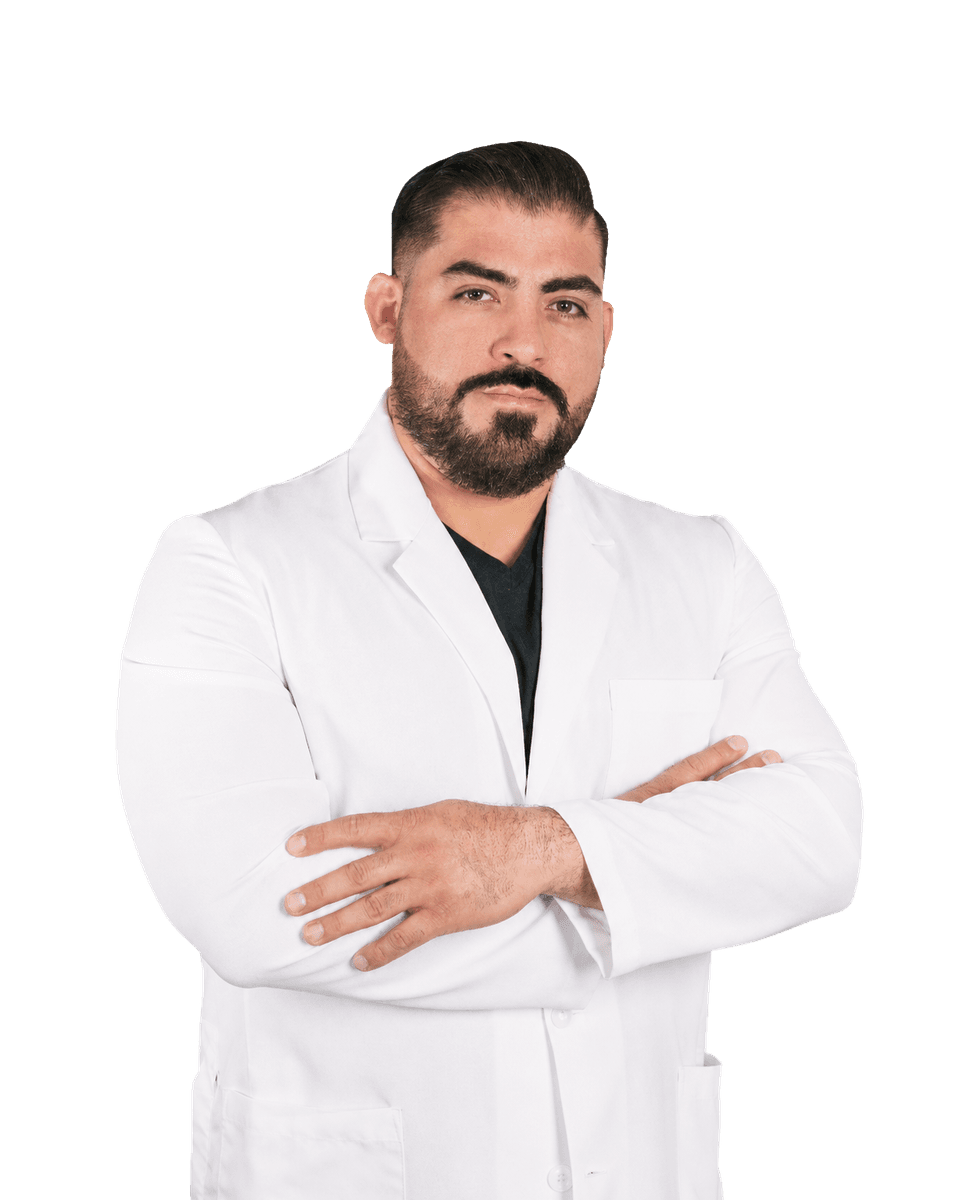
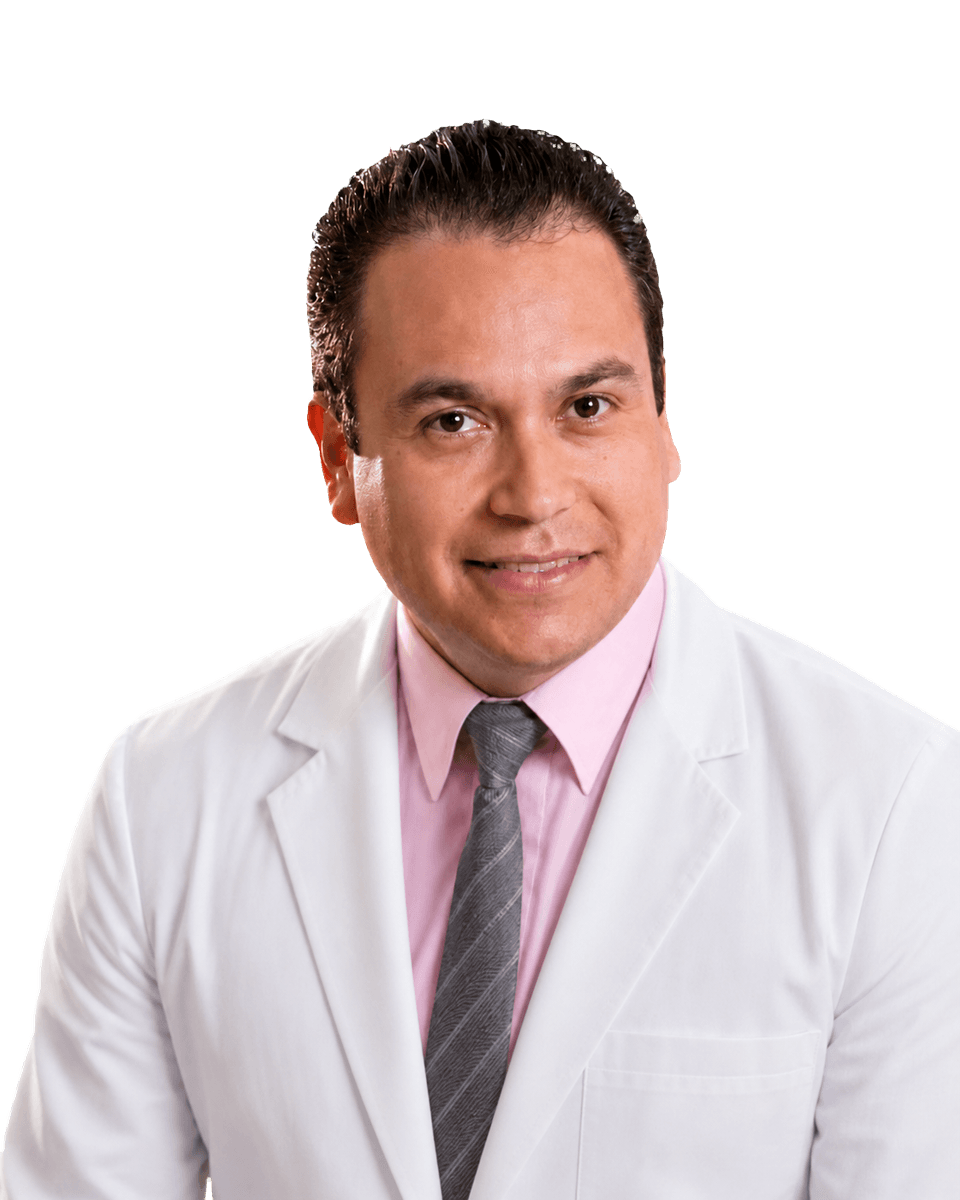
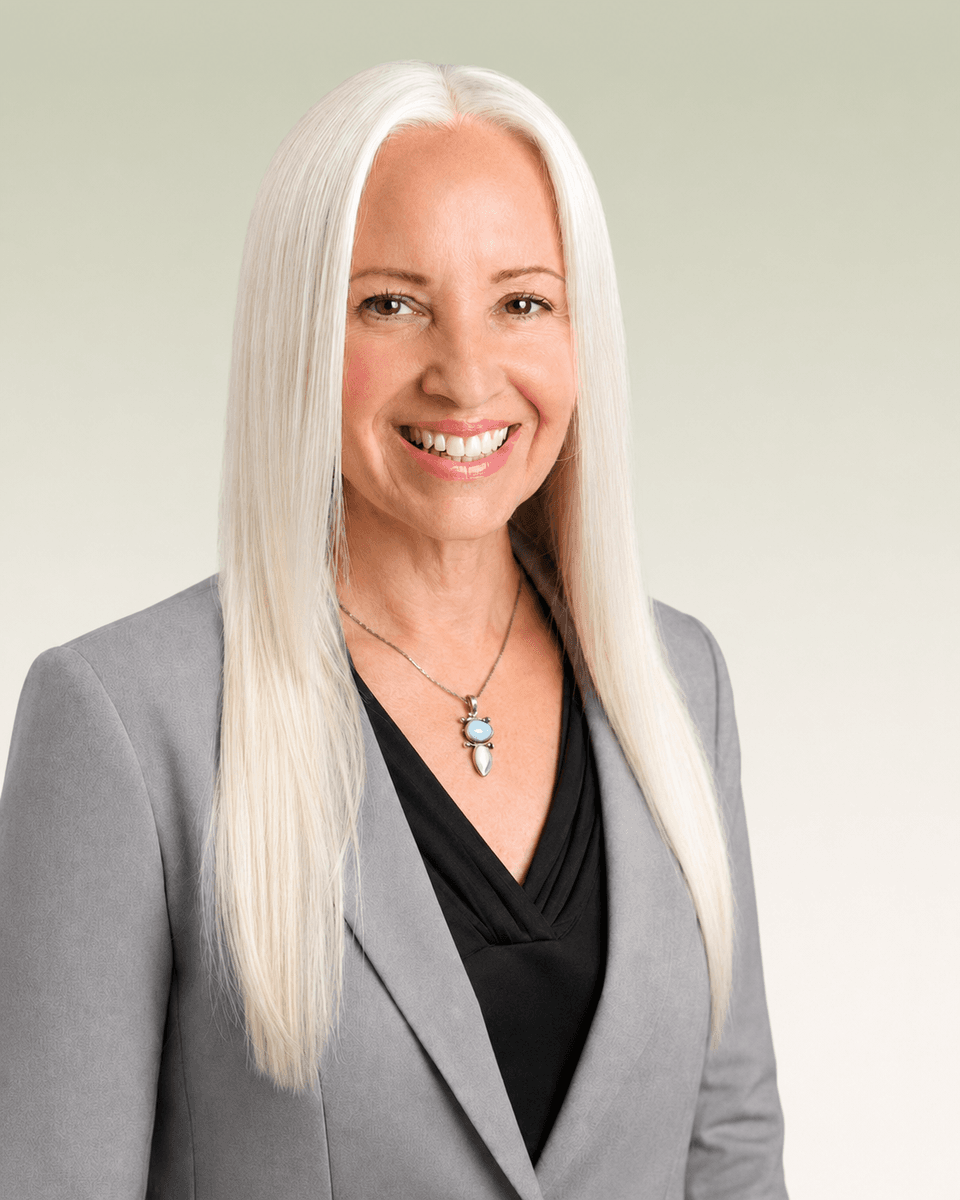
Ask any program you are considering a blunt question: during the high-risk hours of treatment, is a physician in the building, or on call from somewhere else? At Iboga Wellness Institute, the Chief Medical Director is Dr. Eduardo Rubio, an anesthesiologist, a specialty built around managing airways, sedation, and cardiac stability in real time. Dr. Lori Nation brings more than two decades of experience in addiction medicine and psychiatry, which matters because the people who arrive here are rarely dealing with substance use alone. The program runs with 24/7 nursing care and continuous cardiac telemetry, ICU-trained nurses at the bedside, and a physician immediately available rather than on call.
Continuous cardiac monitoring is not a phrase to skim past. It means the treatment team watches the heart’s rhythm in real time throughout the flood dose, so a change like the one seen in that patient’s morning ECG can be noticed when it appears, not discovered later. Many marketing pages promise “24/7 medical supervision” in the same reassuring language, and that phrase can mean anything from a doctor in scrubs at the bedside to a nurse who can call someone. You are allowed to demand the specific answer. If a program cannot tell you plainly who is watching the monitor and who makes the call in an emergency, treat the vagueness as your answer.
Where Does Relapse Prevention Actually Happen After the Flood Dose?
Relapse prevention happens in the weeks and months after the flood dose, not during it. The medicine may create an opening, but lasting recovery comes from the choices a person makes once they walk through it, and that work is called integration. A program that counts how many people showed up but never tracks who stayed engaged is measuring the wrong thing.
Integration is where the emotional and psychological work gets done: making sense of the experience, rebuilding routines, repairing relationships, and building a life a person no longer feels the need to escape from. At Iboga Wellness Institute, this program is led by licensed mental health professionals, including licensed clinical psychologists, licensed marriage and family therapists, licensed clinical social workers, and certified addiction professionals. Some carry psychedelic-assisted therapy training through recognized training pathways. Lindsey White, author of The Crown and the Root, leads the integration program. Those are verifiable credentials, not a stock photo of a “compassionate team.”
The honesty shows up in the numbers the program keeps on itself. Internally, it tracks that roughly 75 percent of clients complete the post-integration program through the first 12 weeks, and that return to use appears in about 25 percent of tracked cases within the first year. Those are not marketing claims polished to sound appealing. They are figures tracked honestly, including the part that admits some people experience relapse. When you evaluate any program, ask how they define success and how they follow people after discharge. A provider who can only offer a vague, high “success rate” with no method behind it is telling you they are not really looking.
A Program That Says Yes to Everyone Does Not Put Safety First
A program willing to accept every caller is not being generous. It is being reckless, because medical candidacy and personal willingness both have to be real before treatment makes sense. Iboga Wellness Institute works with people where conventional rehab has not helped, including challenging opioid and alcohol cases. Most people who reach out have already cycled through multiple detox programs, inpatient stays in and around Columbus, medications, and therapy, sometimes experiencing relapse more than once.
That history is exactly why the screening cannot be a formality. Fit is determined two ways. The first is medical candidacy, established through the comprehensive screening described above. The second is honest: the person has to want help and be willing to participate in their own recovery. This is hard for families to hear, because you cannot want it badly enough on someone else’s behalf. The team is direct about the limit. They cannot help someone who does not want help, and they cannot force recovery on an unwilling person. No ethical program can.
When you are vetting rehab options, watch how a provider responds to that reality. If the person on the phone assures you they can help your loved one regardless of whether he is ready, or promises an outcome without asking a single hard question, you are talking to a salesperson. Local resources exist for people at earlier stages too. The City of Columbus Alcohol and Drug Services and hospital-based programs such as Talbot Hall at Ohio State’s Wexner Medical Center are among the local options many families have already tried. Ibogaine is not a first step or a replacement for medical care someone needs now. It is an option for a specific person at a specific point, and a serious program will say so.
Can Rehab in Columbus, Ohio Legally Offer Ibogaine?
No. Ibogaine is a Schedule I controlled substance in the United States and is not FDA-approved, so it cannot be legally administered in Columbus or anywhere else in Ohio. Any provider claiming to give you ibogaine treatment at a facility inside the state is either misinformed or breaking the law, and neither is a place to hand over someone you love.
This is where searching for rehab in Columbus, Ohio gets confusing, because a legitimate ibogaine provider may still have a Columbus presence. Iboga Wellness Institute’s Columbus office handles admissions, screening, and aftercare coordination only. It is where the medical review happens, where your questions get answered, and where travel and follow-up are organized. It is not, and legally cannot be, a place where ibogaine is administered. All treatment takes place at the institute’s licensed medical clinic in Cozumel, Mexico, which operates within the Mexican healthcare system and maintains a relationship with COFEPRIS, Mexico’s federal authority for protection against health risks.
Distance makes careful vetting more important, not less. When treatment happens in another country, you cannot walk in and inspect the place on a whim, so the burden falls on verifying credentials, protocols, and regulatory standing before anyone books a flight. Ask where treatment legally occurs. Ask what regulatory body oversees the clinic. Ask who coordinates travel and what happens medically the moment your loved one lands. A program that answers these plainly is treating you like an informed adult. A program that blurs the line between a US office and where the medicine is actually given may be hiding something you need to see.
How Should a Program Talk About What Ibogaine Can and Cannot Do?
A trustworthy program talks about limits as openly as it talks about hope. It declines cases when the risk outweighs the benefit and explains why in plain language, rather than leaving you to guess. Honest communication is itself a safety feature, because a provider willing to tell you an uncomfortable truth before you pay is a provider who will tell you the truth once you are their patient.
Iboga Wellness Institute repeats testing on arrival instead of trusting outside labs, which is exactly how that patient’s arrhythmia was caught. It tracks engagement and relapse honestly instead of inflating results, and it holds to a single standard: safety comes before filling a bed, and they would rather turn someone away than compromise it. That posture extends to the science. The team’s protocols reference recent university research on magnesium co-administration, part of a growing body of work on protecting the heart during treatment. Ibogaine remains investigational and is not FDA-approved, and a serious provider will say that out loud rather than imply it is a proven treatment.
Watch how a program handles the word “guarantee.” No one can honestly promise your loved one will never use again, and anyone who does is selling you the thing you most want to hear. The realistic framing sounds different: this treatment may help some people, here is who it may be appropriate for, here is who it is not appropriate for, and here is the work required afterward for it to hold. That is not a downgrade from hope. That is what real hope sounds like when it is built on medicine instead of marketing.
What Should You Ask Before You Commit to Any Program?
Ask questions specific enough that a marketing script cannot answer them. Vague reassurance falls apart under precise questions, and precise questions are how you protect someone you love from a program that only looks legitimate. Bring these to every provider you consider, including this one.
- What specific lab values do you require before you accept a case, and what results cause you to decline? A real program will name QTc thresholds, potassium and magnesium ranges, and cardiac and organ-function testing without hesitating.
- Who is your medical director, what is their specialty, and will a physician be physically present during the flood dose or on call from elsewhere?
- How do you define and track success, what is your relapse rate, and how do you follow people after discharge?
- Can you describe a time you paused or declined a case for safety? A provider who cannot recall ever saying no is a provider who says yes to everyone.
- Where does treatment legally take place, and what regulatory body oversees the facility?
- What does integration look like, who leads it, how long does it run, and how many people actually complete it?
The answers you get will sort providers quickly. A serious program answers with specifics, names its physicians and clinicians, and admits its limits. A less ethical one leans on emotion, dodges the medical details, pressures you to commit before your questions are answered, and promises outcomes it cannot control. You already learned the hard way that hope alone is not a plan. The right questions turn your fear into a filter, and that filter is the best protection you have.
If you are researching rehab in Columbus, Ohio and want to understand whether ibogaine treatment could be appropriate for your situation, contact Iboga Wellness Institute’s Columbus admissions office to begin a comprehensive medical screening. The team will assess the case honestly, explain exactly what the process requires, and decline it if the medical risk is too high. Call to start the vetting process, not to get a yes at any cost.
Important legal and safety information: Ibogaine is not approved by the FDA and is not available as a legal medical treatment in the United States. Iboga Wellness Institute provides ibogaine treatment exclusively at its licensed medical clinic in Cozumel, Mexico, under medical supervision. US locations handle admissions, screening, and aftercare coordination only.
Ready to Ask the Right Questions?
Choosing a rehab program is too important to leave to guesswork or pressure. If you’re in Columbus and considering your options, our admissions team can walk you through what makes ibogaine treatment different, answer your questions about traveling to our Cozumel clinic, and help you understand whether this approach aligns with what you’re looking for. An honest conversation costs nothing and might bring the clarity you need.
Individual results vary considerably. Outcomes described reflect specific cases and internal tracking, not typical results or a guarantee of any particular outcome. Ibogaine is investigational, is not FDA-approved, and is a Schedule I substance in the United States.