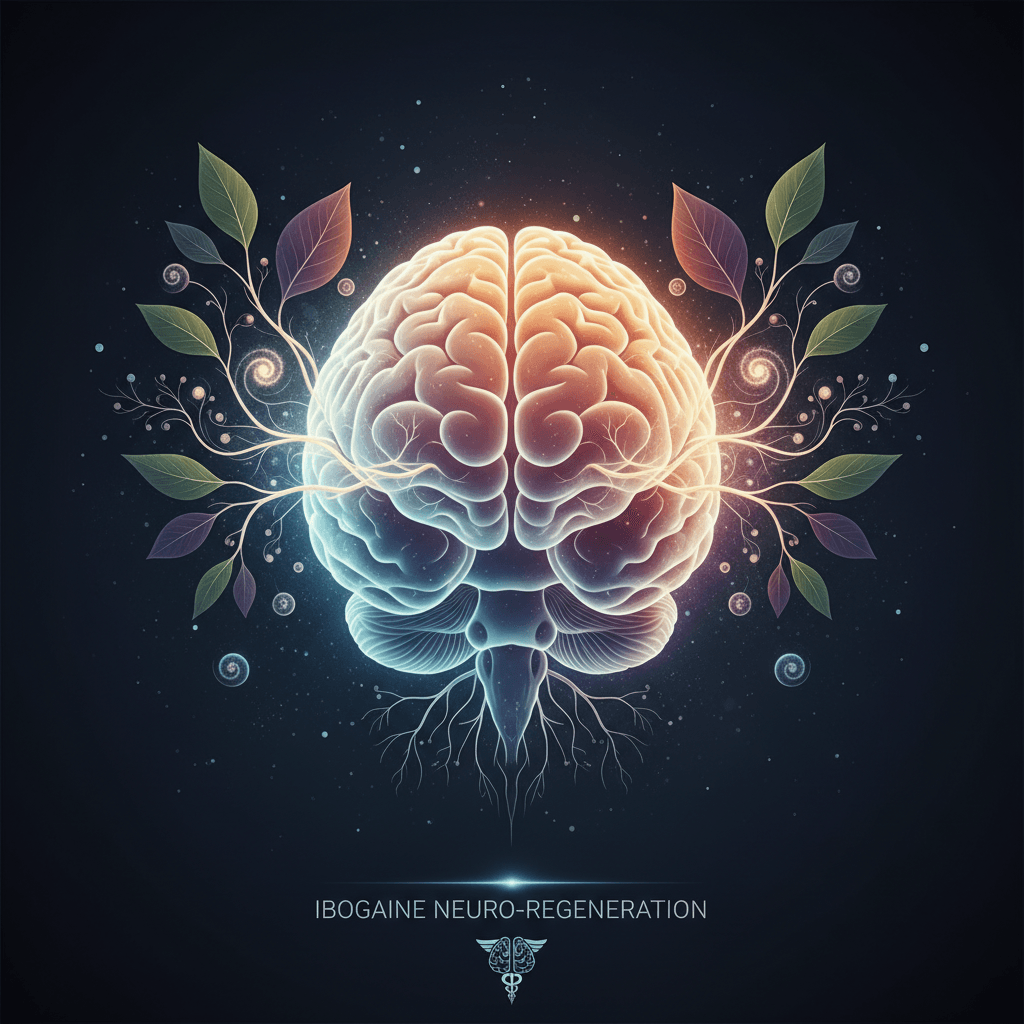
Understanding ibogaine brain repair therapy
If you are living with the effects of a traumatic brain injury, you may feel like you have tried everything. Standard rehabilitation can help, but lingering symptoms such as PTSD, anxiety, depression, cognitive fog, or emotional volatility often remain. Ibogaine brain repair therapy is an emerging, highly specialized approach that aims to help your brain heal on both neurological and psychological levels.
Ibogaine is a psychoactive alkaloid derived from the iboga shrub. It has been studied for its anti-addiction effects for decades, and more recently researchers and clinicians have begun exploring its potential in traumatic brain injury and other neurological conditions. In carefully controlled medical environments, regulated doses of ibogaine are combined with comprehensive preparation and integration to support brain function, mental health, and overall recovery [1].
Ibogaine brain repair therapy is not a quick fix or a guaranteed cure. It is a powerful intervention that needs to be understood clearly, approached cautiously, and viewed as part of a broader healing plan. By learning how it works, what the research shows, and what treatment actually looks like in practice, you can decide whether it belongs in your personal recovery path or in that of someone you love.
How traumatic brain injury affects your brain
Traumatic brain injury affects far more than memory or balance. It can disrupt the way your brain communicates, the chemistry that regulates mood, and the networks that manage stress, attention, and impulse control.
You might recognize some of these common TBI related challenges:
- Persistent headaches or head pressure
- Cognitive problems like poor focus, slowed thinking, or difficulty planning
- Emotional symptoms such as depression, anxiety, fear, or irritability
- PTSD symptoms including flashbacks, nightmares, or hypervigilance
- Changes in personality, motivation, or self-control
Standard TBI rehabilitation, including physical, occupational, and speech therapy, often focuses on regaining function and compensating for deficits. These approaches are essential, but they do not always fully address deeper neuropsychiatric symptoms, especially when you are also living with PTSD, addiction, or long-standing emotional trauma.
This is where interest in psychedelic-assisted approaches, including ibogaine therapy for TBI, has grown. The goal is not only to manage symptoms but to promote neuroplasticity and potentially repair or reorganize damaged neural circuits.
What is ibogaine and how might it support brain repair
Ibogaine is a monoterpenoid indole alkaloid first isolated in 1901, known mainly for its anti-addictive properties and its unique, often intense psycho-spiritual effects [2]. Although its exact biological mechanisms are not fully understood, several features make it relevant for brain trauma and neurological recovery.
Neuroplasticity and neurotrophic factors
Research in animals suggests that ibogaine can strongly influence factors involved in brain plasticity, the brain’s ability to reorganize and form new connections. A 2019 study in rats found that acute ibogaine administration increased levels of several neurotrophic factors, including:
- Glial Cell Derived Neurotrophic Factor (GDNF) in the ventral tegmental area
- Brain Derived Neurotrophic Factor (BDNF) mRNA in the nucleus accumbens, substantia nigra, and prefrontal cortex
- Nerve Growth Factor (NGF) mRNA in multiple dopaminergic regions [3]
These molecules support neuronal survival, synaptic growth, and circuit remodeling. The same study also noted an increase in proBDNF, which has different and sometimes opposing effects, suggesting that ibogaine’s modulation of neuroplasticity is complex rather than uniformly positive.
While these results are in rodents, they support the broader concept that ibogaine can rapidly reshape neurotrophic signaling, which is closely tied to both addiction and recovery from neurological injuries.
Psychological and emotional processing
For many people with TBI, the trauma is not only physical. It often includes psychological trauma from the injury itself, combat exposure, accidents, or repeated concussions. Ibogaine induces an extended altered state in which you may vividly revisit life experiences, emotional wounds, and core beliefs.
Clinically, this experience is used to help you:
- Confront traumatic memories with new perspective
- Reduce the emotional charge around past events
- See patterns in behavior, substance use, or self-sabotage
- Develop a stronger sense of meaning, purpose, and direction
When combined with structured preparation and integration, this psychological reset can complement the physical and cognitive aspects of ibogaine brain injury treatment.
Hormonal and receptor level effects
Emerging clinical work suggests that ibogaine may interact with hormonal pathways and receptor systems that increase oxytocin and promote bonding, trust, and emotional openness. These changes may support therapeutic processing and potentially contribute to neuroplasticity and improved mental health following TBI [1].
At the same time, a 2021 review highlights that ibogaine’s full mechanism of action is still poorly understood, particularly in humans [2]. This uncertainty is part of why ibogaine must be approached cautiously and only under expert medical supervision.
What current research shows about ibogaine for TBI
Human research on ibogaine for traumatic brain injury is still in its early stages, but recent findings are important if you are exploring ibogaine brain repair therapy.
A 2024 study from Stanford Medicine followed 30 veterans with TBI who received ibogaine combined with magnesium in a clinic. One month after treatment, the veterans showed:
- An average 88 percent reduction in PTSD symptoms
- An 87 percent reduction in depression symptoms
- An 81 percent reduction in anxiety symptoms
- A drop in disability ratings from mild to moderate (30.2) to no disability (5.1) on the WHO Disability Assessment Scale 2.0 [4]
Neuroimaging using EEG and MRI revealed that:
- Veterans who improved executive function showed increased theta brain wave activity, which may reflect enhanced neuroplasticity
- Those with reduced PTSD symptoms showed decreased complexity in cortical brain activity, suggesting a calmer and more regulated stress response [4]
Importantly, the study reported no serious adverse or cardiac events when ibogaine was co administered with magnesium. Only mild side effects such as headaches and nausea were noted among these special operations veterans [4].
These promising outcomes have helped drive a 50 million dollar state funded initiative in Texas to advance ibogaine as a potential neuro rehabilitation drug for TBI and related conditions, with an eye toward eventual FDA approval [4].
At this stage, you should view ibogaine as an experimental but hopeful option. More large scale, controlled studies are needed. If you pursue ibogaine therapy for brain trauma, you are choosing a path that is ahead of mainstream medicine and still under active investigation.
What ibogaine brain repair therapy looks like in practice
Programs focused on ibogaine brain repair therapy for TBI usually combine medical safety, psycho-spiritual work, and structured aftercare. While protocols vary by clinic, reputable centers follow a multi step process similar to the one described by Experience Ibogaine in Tijuana.
1. Comprehensive screening and preparation
Before you are accepted into treatment, you undergo detailed medical and psychological evaluations. This often includes:
- Full health history and current medication review
- Cardiac assessments such as EKG, since ibogaine can affect heart rhythm
- Neurological imaging or brain scans when indicated
- Baseline psychological testing and TBI symptom assessment
This screening is critical because certain heart conditions, medications, and medical issues make ibogaine unsafe. Transparent, conservative screening is a sign that a clinic takes your safety seriously and is not trying to fit every applicant into the same protocol.
2. Personalized dosing and monitored administration
If you are cleared for treatment, clinicians determine a personalized ibogaine dose based on your weight, health status, substance use history, and TBI profile. Treatment is then administered in a controlled medical environment with:
- Continuous cardiac and vital sign monitoring
- Medical staff present throughout the acute experience
- Supportive guides or therapists who help you stay calm and oriented
Some programs, including those for ibogaine neurological therapy for TBI, offer a 5 day comprehensive protocol that may combine ibogaine with other modalities such as 5 MeO DMT, counseling, and therapeutic reflection to address psycho spiritual, emotional, and cognitive dimensions of your injury [1].
3. Integration and early recovery support
The ibogaine experience can last many hours and may be followed by a multi day “afterglow” in which your thinking feels clearer and you are emotionally open. Integration support usually includes:
- Individual therapy sessions to process insights and traumatic memories
- Coaching on lifestyle changes, relationships, and triggers
- Planning for ongoing care at home, including therapy, support groups, and neurologic rehabilitation
Successful ibogaine treatment for brain injury recovery is not just about what happens in the treatment room. It depends heavily on how you translate the experience into concrete changes in your day to day life.
Potential benefits you might experience
Every person’s response is different, and no responsible program will promise specific outcomes. However, based on emerging research, clinical practice, and patient reports, ibogaine brain repair therapy may help:
- Reduce PTSD symptoms such as nightmares, flashbacks, and hypervigilance
- Ease depression and anxiety related to TBI
- Improve executive function, including planning, focus, and decision making
- Support emotional regulation and reduce sudden anger or emotional outbursts
- Change your relationship with substances if you have co occurring addiction issues
- Increase your sense of meaning, motivation, and connection
The Stanford study in veterans is especially encouraging, with very large symptom reductions one month after treatment [4]. For some people, this kind of shift feels like a rapid reset of patterns that have felt stuck for years.
At the same time, you should expect variability. Some people notice immediate and dramatic improvements, while others experience more subtle or delayed changes that unfold over weeks and months as they continue therapy and rehabilitation.
Ibogaine brain repair therapy is best viewed as a catalyst that may unlock new possibilities for healing, not as a stand alone solution or guaranteed cure.
Risks, safety considerations, and limitations
Ibogaine is a powerful medication with real medical risks. You should understand these risks clearly before considering ibogaine treatment for TBI recovery.
Cardiac and medical risks
Ibogaine can affect heart rhythm and has been associated with rare but serious cardiac events, especially when used in uncontrolled settings or combined with certain medications. In the Stanford TBI study, co administering magnesium and careful medical oversight prevented serious cardiac complications [4], but this level of protection depends on strict protocols.
You may not be a candidate for ibogaine if you have:
- Pre existing heart disease or arrhythmias
- Certain electrolyte imbalances
- Liver problems or other serious medical conditions
- Use of specific medications that interact with ibogaine
Only a full medical workup can clarify your individual risk.
Psychological intensity
The ibogaine experience can be long, intense, and emotionally demanding. You may confront painful memories, unresolved conflicts, or deep fears. For some people, this is healing. For others, it can be destabilizing if not properly prepared for and supported.
You should be prepared for:
- Vivid visions and internal experiences
- Strong emotional waves
- Physical discomfort such as nausea, at times headaches or fatigue
Structured preparation, clear expectations, and reliable therapeutic support are essential to help you navigate this experience safely.
Legal and regulatory status
In many countries, including the United States, ibogaine is not an approved medical treatment and is classified as a controlled substance. Clinical use is generally available only in jurisdictions where it is legal or tolerated under strict medical frameworks.
The Texas state initiative and related research may eventually lead toward regulated use in the US, but that process will take time [4]. Until then, you must weigh the benefits of seeking care abroad against the challenges of distance, continuity of care, and follow up at home.
How ibogaine fits into a broader brain trauma recovery plan
Even if you decide that ibogaine brain repair therapy is right for you, it should not replace conventional rehabilitation. The most effective recovery plans usually combine multiple approaches that work together.
You might think of your plan in layers:
- Medical and neurological care
This includes neurologist follow up, imaging as indicated, seizure management, and monitoring for any structural changes in the brain. - Rehabilitation therapies
Physical, occupational, speech, and cognitive rehabilitation remain central for restoring function and independence. Ibogaine may help you engage more fully in these therapies by reducing emotional and cognitive barriers. - Mental health and trauma therapy
Ongoing work with a therapist who understands both TBI and trauma can help you integrate whatever emerges during ibogaine therapy for traumatic brain injury symptoms. - Lifestyle and social support
Sleep, nutrition, exercise, relationships, and daily routine all influence your brain’s ability to heal. Ibogaine can provide motivation and clarity around these areas, but you still need concrete plans and accountability.
If you choose ibogaine therapy for brain injury healing, it becomes one intensive intervention within this broader framework. Its value increases significantly when you have strong support before, during, and after the experience.
Questions to ask if you are considering ibogaine brain repair therapy
If you are evaluating a clinic that offers ibogaine treatment for traumatic brain injury, it is important to ask specific, detailed questions. Consider exploring:
- What medical screening is required before treatment, and who reviews it?
- How is cardiac risk managed, including EKGs, lab work, and magnesium use?
- What is the clinical team’s experience with TBI specifically?
- How are ibogaine doses personalized for brain injury cases rather than only addiction?
- What integration and follow up support are provided after you return home?
- How do they coordinate, if at all, with your existing neurologist, therapist, or rehabilitation team?
Clear, evidence informed answers will help you distinguish serious, safety focused programs from those that are more superficial or risk tolerant.
Moving forward with informed choice
Living with traumatic brain injury can be exhausting, and the search for relief is often marked by frustration and false promises. Ibogaine brain repair therapy stands at an intersection of neuroscience, trauma healing, and psychedelic medicine. Early research, especially in veterans with TBI, suggests that it may rapidly and significantly reduce PTSD, depression, anxiety, and functional disability when delivered under careful medical supervision [4].
At the same time, ibogaine remains an experimental treatment with real medical risks and many unanswered questions about long term effects. Your safest path is to approach it as one potential tool among many, to insist on rigorous screening and monitoring, and to anchor your decision in honest conversations with trusted medical and mental health professionals.
If you are exploring options beyond conventional rehabilitation, learning more about ibogaine treatment for TBI recovery and related programs can help you decide whether this emerging approach aligns with your goals, risk tolerance, and overall recovery plan.
References
- (Experience Ibogaine)
- (NCBI)
- (PMC)
- (Stanford Medicine)