Understanding ibogaine neurological therapy for concussion
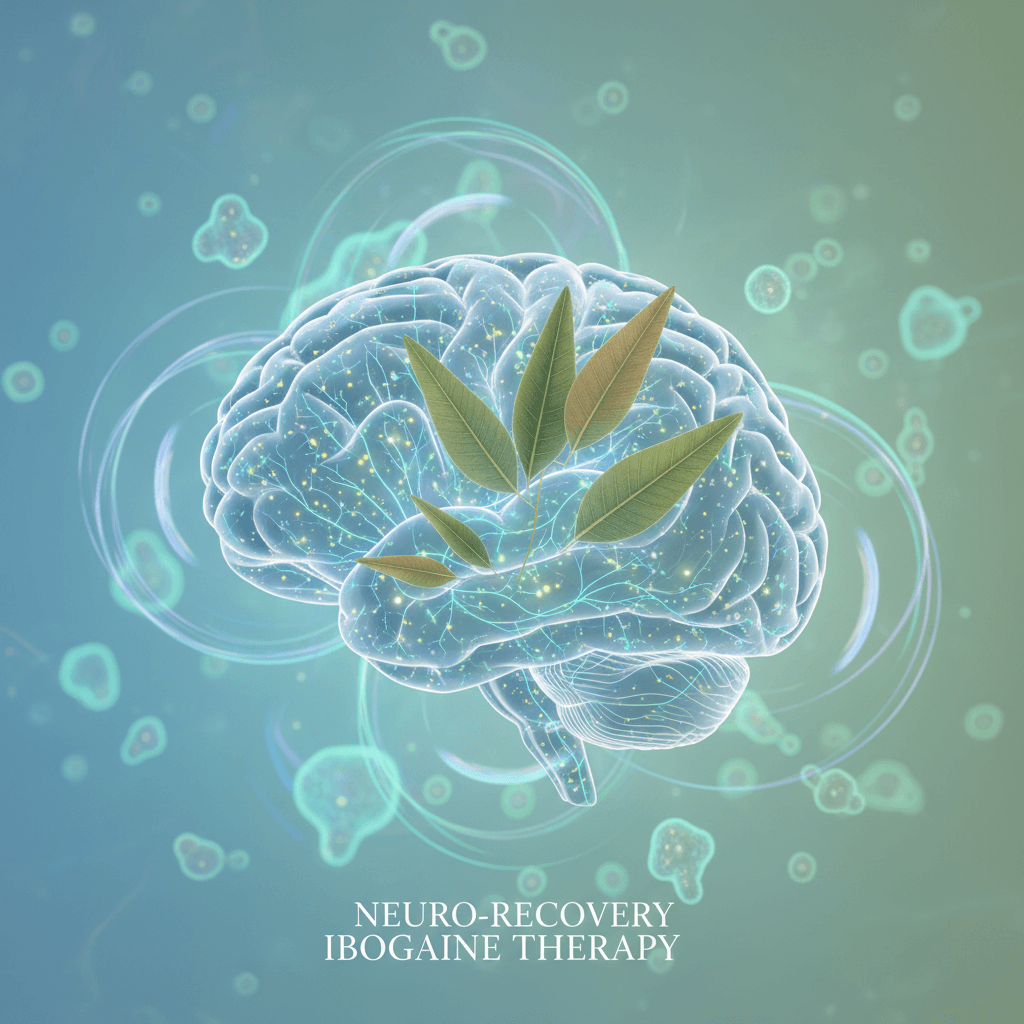
If you are living with lingering symptoms after a concussion, you might feel caught between “waiting it out” and trying one treatment after another without real relief. Ibogaine neurological therapy for concussion is an emerging, highly specialized approach that aims to support brain recovery, neuroplasticity, and symptom relief in people with post‑concussion disorders.
Ibogaine is a psychoactive compound derived from the root bark of the African shrub Tabernanthe iboga. It has been studied primarily for addiction, but recent research suggests it may also help with traumatic brain injury (TBI), post‑concussion syndrome, and related conditions, particularly when it is combined with medical safeguards such as magnesium and cardiac monitoring.
Ibogaine therapy is not a first‑line treatment and it is not appropriate for everyone. However, if you have tried standard options and are exploring advanced neurological recovery methods, understanding how ibogaine may affect the injured brain can help you make a more informed decision.
For a broader overview of how this fits into your options, you can also explore related resources such as ibogaine therapy for post concussion syndrome and ibogaine brain recovery after concussion.
How concussion and post‑concussion syndrome affect your brain
A concussion is a mild traumatic brain injury that disrupts normal brain function. Even when your initial CT or MRI looks “normal,” there can be microscopic and network‑level changes in the brain that explain why you still do not feel like yourself.
What happens in a concussion
When your head is hit or your body experiences rapid acceleration or deceleration, your brain moves and twists within the skull. This can cause:
- Temporary disruption of nerve signaling
- Stretching and shearing of axons, the long fibers that connect brain cells
- Chemical imbalances and altered blood flow
- Inflammation in vulnerable brain regions
For many people, these disruptions resolve within weeks. For others, symptoms persist and evolve into post‑concussion syndrome.
Why symptoms can linger
If you have post‑concussion syndrome, you might experience a mix of:
- Cognitive problems, such as difficulty concentrating, memory lapses, mental fatigue, and slower processing
- Emotional changes, including anxiety, depression, irritability, and increased stress sensitivity
- Physical complaints, such as headaches, dizziness, light or sound sensitivity, and sleep disruption
Persistent symptoms are thought to reflect ongoing issues such as:
- Disrupted connectivity in brain networks that handle attention, emotion regulation, and executive function
- Impaired “neuroplasticity,” the brain’s ability to adapt, rewire, and heal
- Chronic low‑grade inflammation and altered neurotransmitter systems
- Overactivation of threat and stress circuits
Standard care typically focuses on symptom management, graded activity, physical and vestibular therapy, and sometimes medications. Ibogaine therapy is being explored as a way to impact the underlying brain networks and neuroplasticity that drive these long‑term problems.
You can learn more about how this approach targets symptoms specifically in ibogaine treatment for concussion symptoms.
Why ibogaine is being studied for brain injury
Ibogaine has a complex pharmacology that affects multiple neurotransmitter systems and neurotrophic pathways. That complexity is part of why researchers have become interested in its potential role in brain injury and post‑concussion disorders.
Evidence from Special Operations veterans with TBI
One of the most important recent studies used a protocol called Magnesium–Ibogaine: Stanford Traumatic Injury to the CNS (MISTIC). In this open‑label trial, researchers treated 30 male Special Operations Forces veterans with predominantly mild TBI and severe, chronic symptoms including PTSD, depression, anxiety, and cognitive impairment.
The protocol combined ibogaine with intravenous magnesium and intensive medical monitoring. Key findings one month after treatment included:
- Disability scores on the World Health Organization Disability Assessment Schedule 2.0 dropped from an average of 30.2, which indicates mild to moderate disability, to 5.1, which indicates no disability [1]
- PTSD symptoms decreased by about 88 percent, depression by 87 percent, and anxiety by 81 percent on clinician‑rated scales, with high response and remission rates over 80 percent [1]
- Cognitive testing showed improvements in processing speed, executive functioning, memory, and sustained attention, with effect sizes ranging from small to large [2]
Importantly, no serious adverse cardiac events or dangerous arrhythmias were reported in this medically supervised setting using magnesium as a risk‑mitigation strategy. The most common side effects were transient, including headaches, nausea, and mild ataxia, which resolved within about 24 hours [1].
Although these results are promising, this was not a randomized controlled trial, and the participants were a very specific group. The findings do not prove that ibogaine will work the same way for everyone with post‑concussion syndrome, but they do show that intensive, medically supported ibogaine treatment can produce substantial improvements in people with chronic TBI‑related problems.
You can see how this evidence translates into practical applications in ibogaine therapy for traumatic concussion recovery.
How ibogaine may support neuroplasticity and brain repair
To understand why ibogaine neurological therapy for concussion is of interest, it helps to look at what it appears to do in the brain at the cellular and circuit level.
Neurotrophic factors and growth signals
Preclinical studies in animals show that ibogaine can dramatically change the expression of neurotrophic factors. These are proteins that support neuron survival, growth, and synaptic plasticity. After a single high dose of ibogaine in rats:
- Glial Cell Derived Neurotrophic Factor (GDNF) mRNA increased up to 12‑fold in the ventral tegmental area and 6‑fold in the substantia nigra at 24 hours, with a corresponding rise in mature GDNF protein specifically in the ventral tegmental area [3]
- Brain Derived Neurotrophic Factor (BDNF) mRNA rose dramatically, up to 220‑fold in the nucleus accumbens at a lower dose and 340‑fold at a higher dose, with significant increases in the prefrontal cortex, ventral tegmental area, and substantia nigra as well [3]
- Nerve Growth Factor (NGF) mRNA also increased in the prefrontal cortex, nucleus accumbens, ventral tegmental area, and substantia nigra, particularly at higher doses [3]
These changes suggest a surge of “growth‑supporting” signals that could help injured or dysregulated neural circuits reorganize. In the context of post‑concussion syndrome, this kind of neurotrophic upregulation might contribute to:
- Restoring connectivity in disrupted networks
- Supporting synaptic remodeling in brain areas involved in attention, mood, and executive function
- Enhancing the brain’s capacity to respond to rehabilitation and therapy
Brain waves, cognitive flexibility, and network dynamics
In the MISTIC study with Special Operations veterans, EEG and MRI analyses provided another clue. Veterans who showed improved executive function after ibogaine treatment exhibited increased theta brain wave activity. Theta oscillations are often associated with memory encoding, cognitive flexibility, and states that favor neuroplasticity [4].
This finding supports the idea that ibogaine may temporarily place the brain in a state that is more “plastic,” meaning more ready to weaken unhelpful patterns and strengthen healthier ones. For you, that could translate into:
- Better ability to learn and retain new coping strategies
- Greater flexibility in shifting away from ingrained patterns of hypervigilance, rumination, or avoidance
- More efficient recruitment of frontal brain regions for planning, problem‑solving, and impulse control
Behavioral changes and network “reset”
In animal models, ibogaine at higher doses has been associated with reduced novelty‑induced locomotor activity without signs of serotonin toxicity, which suggests it affects how motivational and motor circuits respond to new stimuli [3].
In human TBI and post‑concussion contexts, you might see this expressed as:
- Reduced reactivity to triggers that used to immediately provoke anxiety or headaches
- A sense that entrenched patterns, such as constant scanning for threat or perseverative thinking, are less “locked in”
- More bandwidth to engage in therapies and life changes that support recovery
For a deeper dive into how these mechanisms relate to your symptoms, you can read ibogaine therapy for brain injury after concussion.
Symptom areas ibogaine therapy may impact
Although research is still emerging, existing data and clinical experience suggest that ibogaine, when used in a structured neurological protocol, may influence several symptom domains that are common after concussion.
PTSD and trauma‑related symptoms
If your concussion occurred in a traumatic context, such as a car accident, assault, or combat, you may have overlapping TBI and PTSD. In the MISTIC protocol:
- PTSD symptoms showed an average reduction of about 88 percent one month after treatment [1]
Many participants reported less re‑experiencing, reduced hyperarousal, and improved emotional regulation. This dual impact, both on the psychological trauma and the neurological sequelae, is one reason ibogaine is being considered within psychedelic‑assisted neurology for concussion.
Depression, anxiety, and mood instability
Chronic post‑concussion symptoms often drive or worsen depression and anxiety. In the MISTIC trial:
- Depression decreased by about 87 percent and anxiety by 81 percent, measured with clinician‑administered scales [1]
Participants not only reported mood improvements but also greater motivation, clarity, and sense of purpose. When mood improves, you may find it easier to follow through on rehabilitation, sleep routines, and lifestyle changes that support brain recovery.
Cognitive function and “brain fog”
Perhaps most relevant to you as someone dealing with concussion fallout, the MISTIC protocol produced measurable cognitive gains:
- Improvements were seen in processing speed, executive functions such as inhibition and cognitive flexibility, working memory, problem solving, phonemic fluency, learning and memory, and sustained attention, with effect sizes up to 1.34 in some domains [2]
For you, this could look like:
- Less mental fatigue from simple tasks
- More consistent focus at work or school
- Better ability to switch between tasks or ideas without feeling overwhelmed
- Clearer recall of conversations, instructions, or events
If persistent cognitive issues are your main concern, you may find it helpful to review ibogaine treatment for persistent concussion symptoms as well.
Safety, risks, and the importance of medical supervision
Ibogaine is not risk‑free. In fact, outside of controlled medical settings, it has been associated with serious cardiac complications and deaths. Understanding the safety profile is essential before you consider this option.
Cardiac risks and QTc prolongation
A 2022 open‑label study in the Netherlands examined 14 patients with opioid use disorder who received a single oral dose of ibogaine‑HCl at 10 mg/kg. Despite careful outpatient monitoring:
- The average maximum increase in QTc interval was 95 ms, and half of the subjects had a QTc exceeding 500 ms, which is considered a high‑risk range for dangerous arrhythmias such as torsades de pointes [5]
The study also found that:
- QTc prolongation could persist beyond 24 hours, likely due to the long half‑life of noribogaine, ibogaine’s active metabolite, which continues to affect cardiac repolarization [5]
These data highlight that ibogaine can significantly stress your heart and that the risk is not confined to the hours you feel intoxicated.
Neurological and other side effects
In the same opioid use disorder study:
- All patients developed severe transient cerebellar ataxia, meaning they could not walk without support, which resolved within 24 hours [5]
- Psychomimetic effects, such as wakeful dreaming, vivid memories, and mild hallucinations, lasted about 3 to 7 hours but did not progress to full delirium in this monitored setting [5]
Other commonly reported effects include nausea, vomiting, headaches, and temporary blood pressure or heart rate changes.
How modern protocols aim to reduce risk
The MISTIC protocol and similar medically supervised approaches take several steps to mitigate these dangers:
- Pre‑treatment screening for cardiac disease, electrolyte abnormalities, and interacting medications
- Continuous ECG and vital sign monitoring during dosing
- Coadministration of magnesium sulfate to reduce ibogaine‑associated cardiac risks such as QT prolongation, which in the MISTIC study was associated with no serious cardiotoxic events or clinically meaningful arrhythmias [2]
Even with these precautions, ibogaine is considered a high‑risk intervention that should only be undertaken in a controlled medical environment experienced with this compound. The 2022 study specifically discourages use in underground or unregulated settings due to the severity of the cardiac risks [5].
If you decide to explore ibogaine neurological therapy for concussion, choosing a program that prioritizes comprehensive medical safety is non‑negotiable.
How ibogaine fits into your broader recovery plan
Ibogaine is not a stand‑alone cure, and it will not replace the fundamentals of concussion care. Instead, it may act as a powerful catalyst that needs to be embedded into an ongoing, structured rehabilitation plan.
Before treatment
You can expect to work with clinicians to:
- Clarify your specific symptom profile, goals, and prior treatment history
- Undergo neurological, psychiatric, and cardiac evaluation to assess your suitability
- Stabilize or adjust current medications, especially those that can prolong QTc or interact with ibogaine
This is also the time to refine your post‑treatment support plan so that any neurological gains are translated into real changes in your daily life.
During treatment
In a medically supervised protocol, ibogaine dosing generally occurs in a dedicated inpatient setting. You may experience:
- Several hours of intense introspective and perceptual changes
- Periods of emotional processing related to trauma or difficult life events
- Physical side effects that staff monitor and manage closely
Clinicians often provide psychological support during and immediately after the dosing period, using the heightened plasticity window to help consolidate insights and behavioral shifts.
After treatment
The most promising data show sustained improvements one month after treatment, which suggests that what you do after the ibogaine session matters a great deal. Post‑treatment care may include:
- Ongoing psychotherapy, such as trauma‑informed or cognitive approaches, to build on the shifts in perspective and emotional processing
- Structured cognitive rehabilitation to harness improved attention, memory, and executive function
- Lifestyle interventions, including sleep hygiene, anti‑inflammatory nutrition, and graded exercise, to support long‑term neuroplasticity
Viewed this way, ibogaine is one part of a comprehensive strategy that can include other advanced and conventional options. For help thinking through how this might address your unique symptom cluster, you can also review ibogaine treatment for post concussion syndrome.
Ibogaine is best understood as a high‑impact catalyst that may accelerate and deepen recovery processes your brain is already capable of, not as a magic fix on its own.
Deciding if ibogaine neurological therapy is right for you
Choosing whether to pursue ibogaine neurological therapy for concussion involves weighing potential benefits against significant risks and uncertainties. As you consider your options, you may want to reflect on a few key questions:
- How persistent and disabling are your symptoms despite standard care and rehabilitation?
- Do you have access to a medically regulated or research‑grade program that uses cardiac monitoring, magnesium coadministration, and comprehensive pre‑screening?
- Are you prepared for an intense psychological experience and for the work required to integrate any changes afterward?
- Do you have cardiac or other medical conditions, or medications, that could make ibogaine particularly dangerous for you?
Because this therapy touches both brain biology and deep psychological material, it can be helpful to discuss it with a multidisciplinary team that includes neurology, psychiatry, and cardiology.
If you are seeking a path forward after months or years of symptoms, it can be reassuring simply to know that new, scientifically informed options are emerging. Ibogaine neurological therapy for concussion is one of the most intensive and complex of those options, and it should be approached with clear information, realistic expectations, and strong medical support.
As you continue your research, resources such as ibogaine therapy for post concussion syndrome and ibogaine treatment for concussion symptoms can help you understand how this approach may relate to your specific challenges and goals.