The Ibogaine Medical Detox Program at Iboga Wellness Institute
You called the Columbus office expecting to schedule a detox admission next week, and the intake coordinator explained that the medical team needs lab work, an EKG, and a physician consultation first. She also explained that the actual ibogaine treatment happens in Cozumel, not Ohio, because ibogaine remains a Schedule I substance under federal law. That answer probably raised more questions than it settled. What you are trying to understand is what an ibogaine medical detox program actually means when the medicine itself is not FDA-approved, when the treatment requires international travel, and when a physician has to clear your loved one for a dose that lasts most of a day. This is our attempt to explain it plainly, without softening the parts that matter most.
We’re building a program that a family in crisis can consider for someone’s son, daughter, spouse, parent, sibling, or best friend. The clearest way to earn that trust is to tell you exactly how the medicine, the medical care, and the months that follow fit together.
What Is the Ibogaine Medical Detox Program at Iboga Wellness Institute?
The ibogaine medical detox program is a physician-directed, cardiac-monitored, multi-phase protocol that uses ibogaine to address opioid, heroin, kratom, benzodiazepine, and pain-pill dependence. It is not a standard three-to-seven-day nursing observation. It begins with weeks of comprehensive medical screening, moves to a supervised flood dose under continuous cardiac monitoring, and continues through months of structured integration after your loved one comes home.
The geography matters, and we say it up front because responsible providers should. Ibogaine is a Schedule I substance and is not approved for medical use in the United States. It is currently the subject of early research, including a first-in-the-nation study of ibogaine treatment for opioid use disorder, but that investigational status means no ibogaine is administered on American soil at our program. The Columbus, Ohio office coordinates intake, admissions, pre-treatment physician consultations, and post-treatment aftercare. The medicine is administered at the licensed medical clinic in Cozumel, Mexico. You will do the paperwork, the screening calls, and the follow-up from home, while your loved one travels for the treatment itself.
Most people receive the full flood dose protocol. A separate microdosing protocol, dosed twice daily by body weight, exists for patients with Parkinson’s disease, which a standard detox setting does not offer. What ties the whole model together is a simple idea: the goal is not only to stop someone from using a substance. The goal is to help them build a life they no longer feel the need to escape from. The medicine may support opening that door, but lasting recovery depends on the choices a person makes once they walk through it, and outcomes vary widely from person to person.
How Does the Pre-Treatment Medical Screening Keep Someone Safe?
Screening works to identify hidden risks before the medicine is ever given. It starts weeks before travel with a detailed medical history, a medication review, laboratory testing, and a 12-lead ECG, because ibogaine can prolong the QT interval and cause serious cardiac events. That cardiac risk is well documented in the medical literature on the safety of ibogaine administration in opioid detoxification, and it is the single most important reason our physicians spend so much time here.
The laboratory work looks at the complete blood count, comprehensive metabolic panel, kidney and liver function, and electrolytes. Physicians want potassium in a healthy range (around 4.2 to 4.8 mmol/L) and magnesium at roughly 2.0 mg/dL or higher, because those levels affect how the heart handles the medicine. On the ECG, they review rhythm, conduction, and the corrected QT interval, generally aiming below about 450 ms for men and 470 ms for women. We are honest that no single number decides everything. A QTc reading is interpreted alongside medications, electrolytes, and overall heart health. A prolonged QTc approaching the danger threshold, structural heart disease, uncontrolled diabetes, or an unstable psychiatric condition may postpone or exclude someone entirely.
When your loved one arrives in Cozumel, none of that outside testing is taken on faith. The critical testing is repeated: another physician exam, a repeat 12-lead ECG, updated labs, an electrolyte check, and urine toxicology. A second urine drug screen is done immediately before dosing. This is not busywork. Consider Mike, whose repeat pre-dose ECG caught a new arrhythmia that had not been there before, and treatment was paused. Or Jess, whose QTc had lengthened by arrival and was corrected with IV magnesium before it could become a dangerous rhythm. Those pauses are not failures of the process. They are the process working as designed. Safety will always come before filling a bed, and nobody is guaranteed a flood dose. Every patient has to earn medical clearance.
What Happens During the Ibogaine Flood Dose?
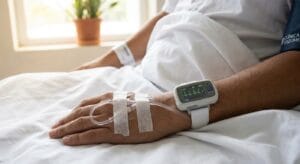
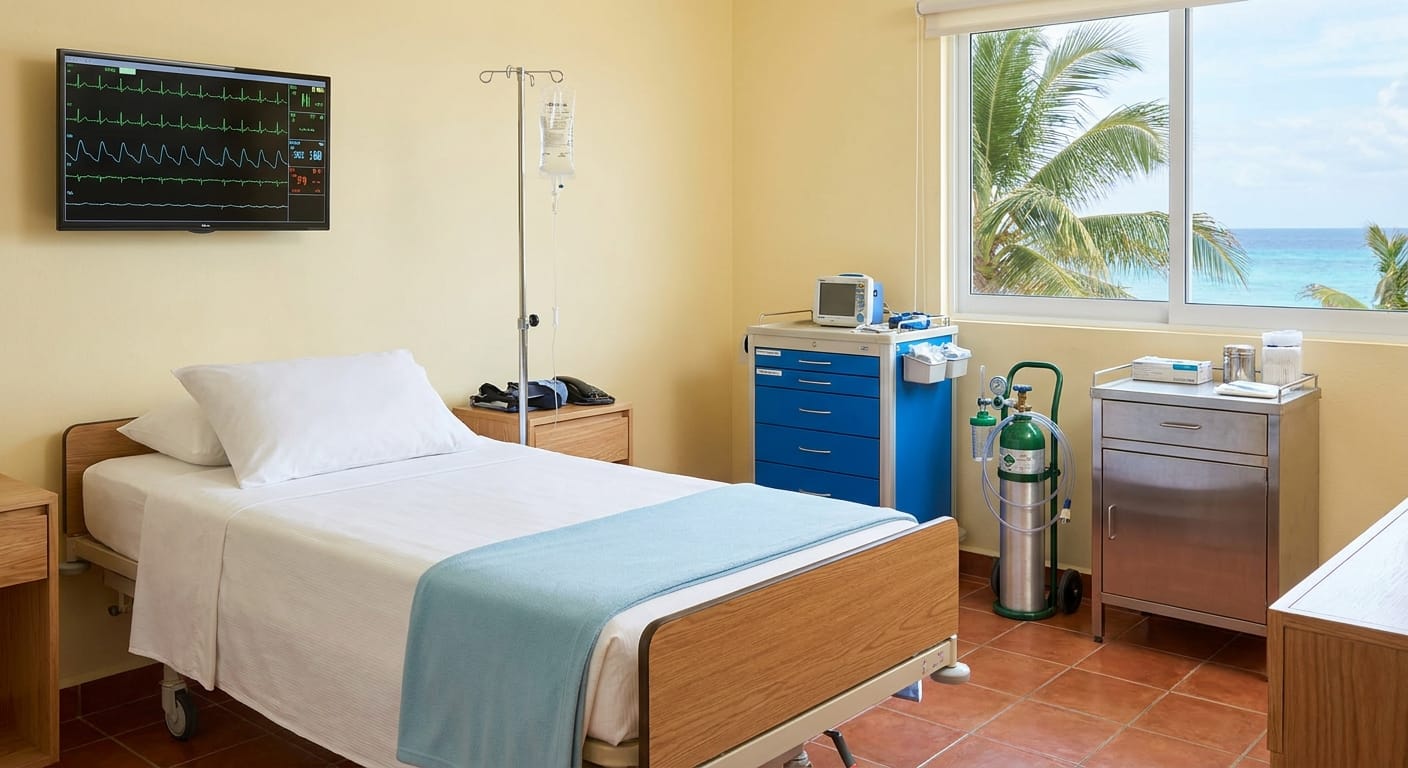
The flood dose lasts approximately 8 to 10 hours, and for that entire window the patient is under continuous cardiac monitoring with 24/7 one-on-one nursing care at the bedside. Physicians direct the medical care while nurses watch heart rhythm, heart rate, blood pressure, oxygen saturation, and respiratory status without interruption. The person is never left alone.
The treatment rooms are equipped for the worst case, not the expected one. That means oxygen, IV capability, emergency airway equipment, suction, a defibrillator, emergency medications, and a fully stocked crash cart, along with defined emergency-response protocols and a hospital-transfer plan if a higher level of care is ever needed. We prepare this way precisely because we respect the medicine enough to never grow complacent about its risks.
The most honest illustration of why all of that equipment exists is a patient who secretly used a narcotic before dosing and had to be stabilized through emergency medical management. That situation was handled because the team was staffed, equipped, and rehearsed for it. This is the difference between a supervised medical program and a retreat that hands someone a substance and hopes for the best. The comedown phase that follows the peak is treated as seriously as the dose itself. Medical monitoring continues while the team watches hydration, nutrition, sleep, comfort, and emotional regulation until the person is medically stable and the therapeutic work can begin.
Who Is Responsible for Your Loved One’s Care?
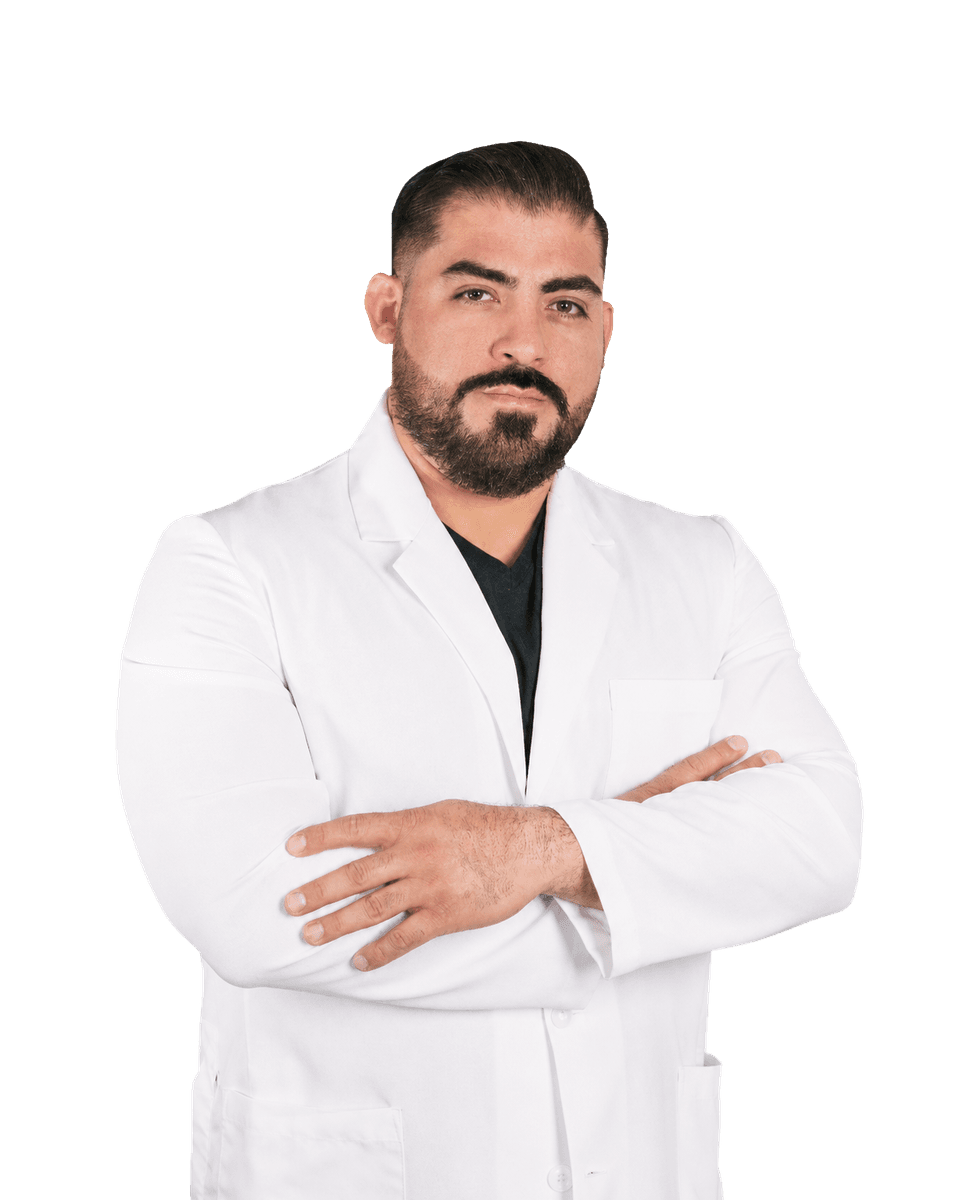
A multidisciplinary medical team is responsible, led by physicians, not a single facilitator. Chief Medical Director Dr. Eduardo Rubio Ruiz is a licensed Mexican physician and anesthesiologist with extensive experience in perioperative medicine, airway management, procedural sedation, emergency care, and advanced trauma. That background is what a medically complex treatment like ibogaine demands, because the risks live in the heart and the airway, and he has spent a career managing both.
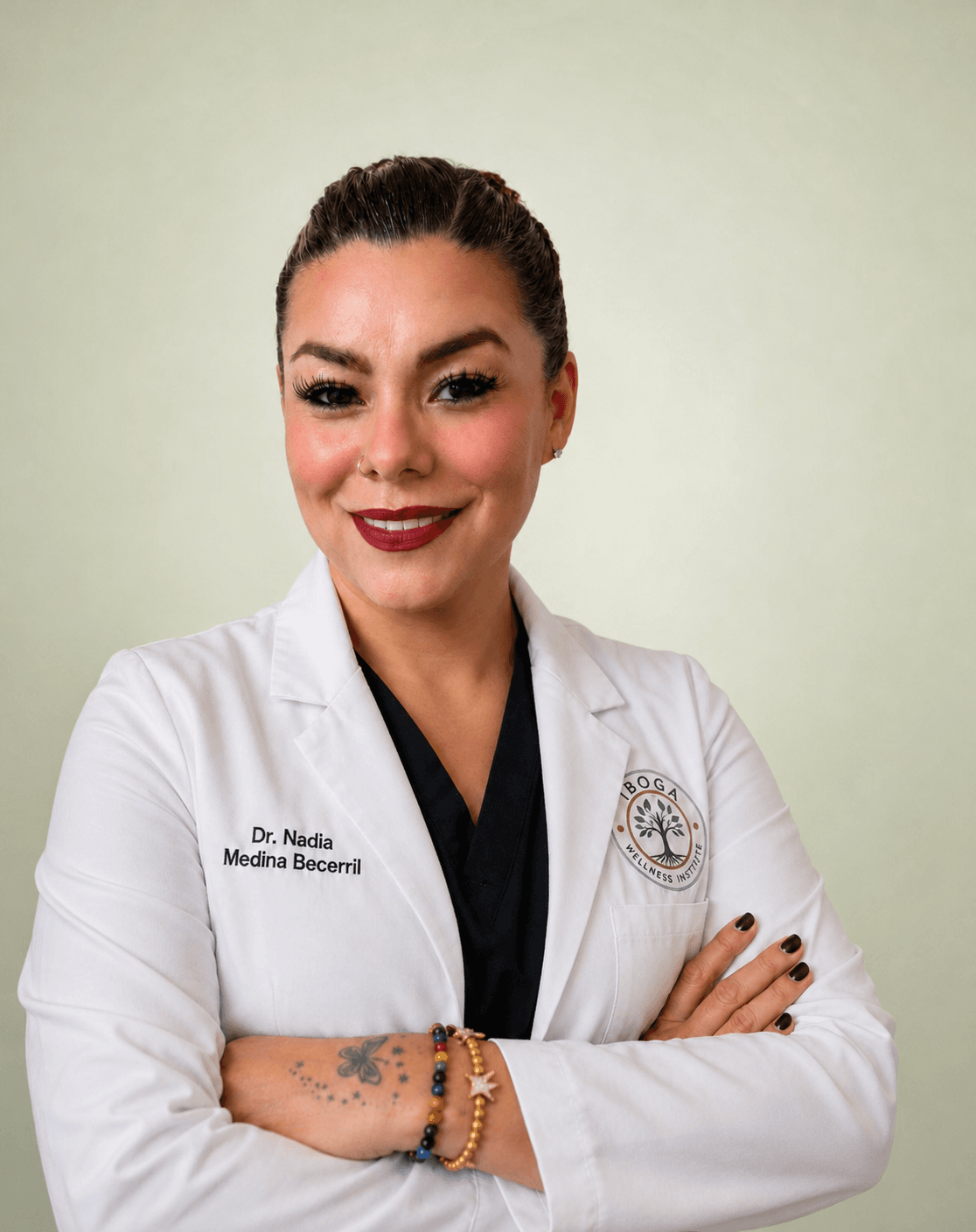
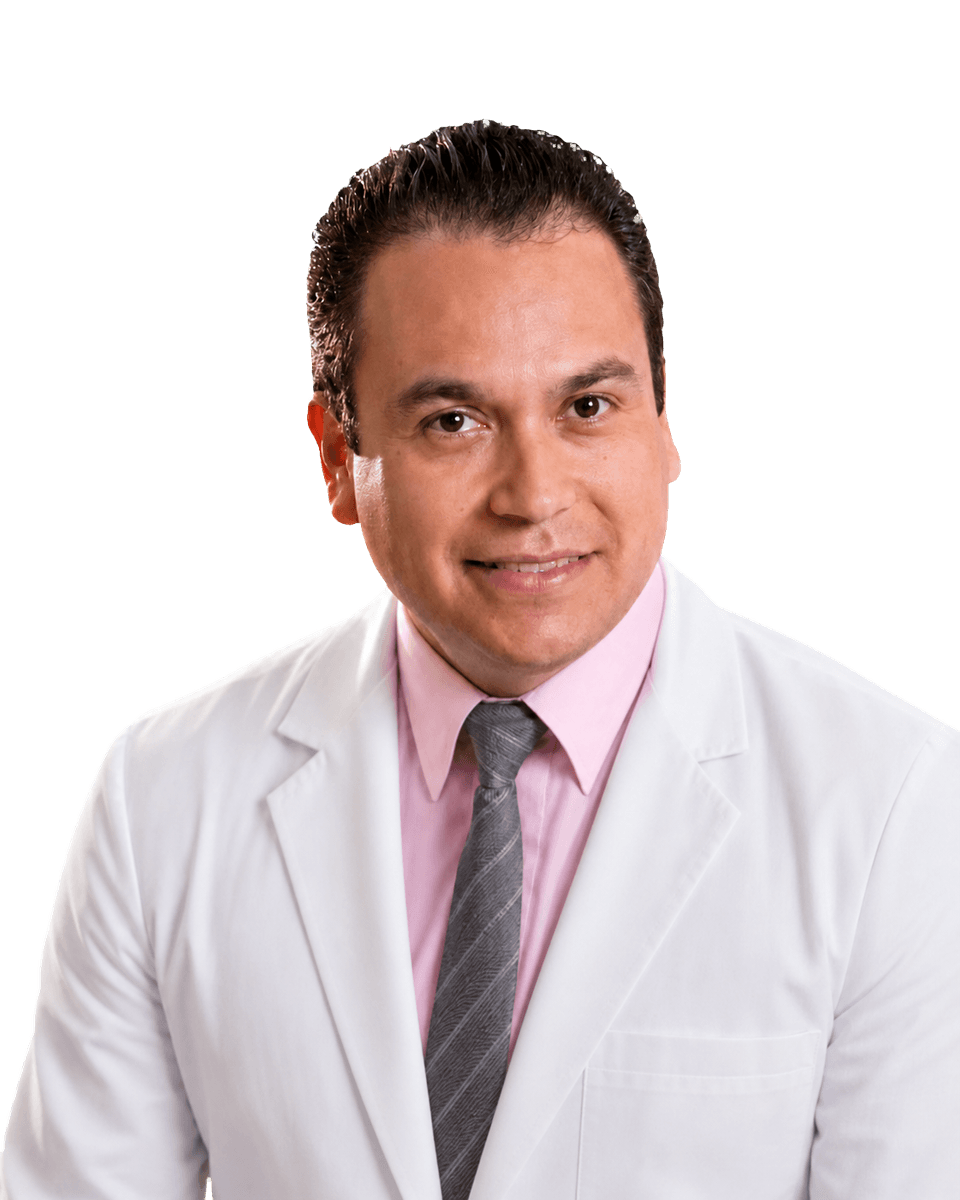
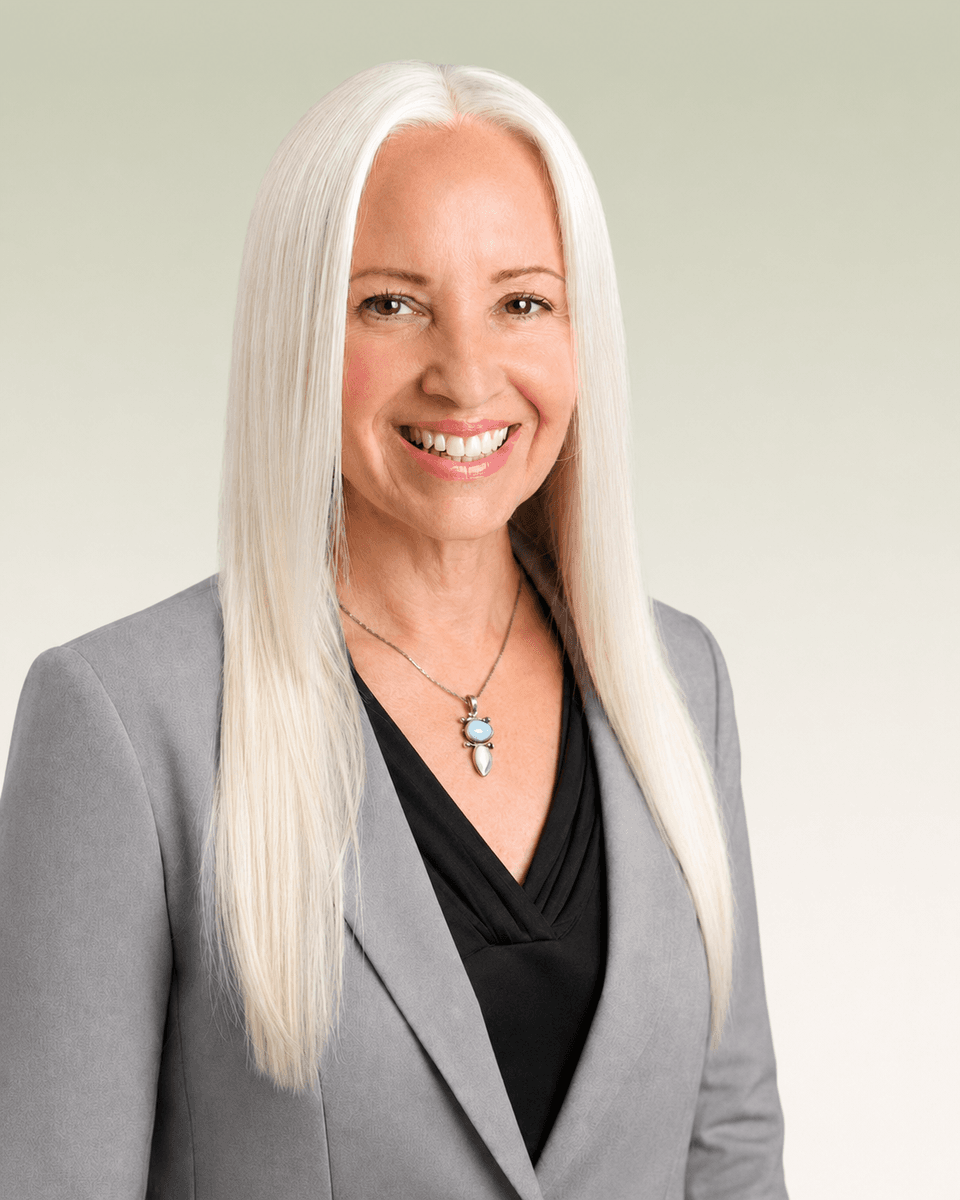
Working alongside him is Dr. Aldo Giovanni Diosdado Jaime, a licensed Mexican physician with experience in surgery, regenerative medicine, and longevity medicine. On the United States side, Dr. Lori Nation LeGrand is board certified in Addiction Medicine and Psychiatry, and she guides medication transitions with care. If your loved one is on methadone or buprenorphine, she assists with pre-arrival transition planning 14 to 30 days out, because those medications have long half-lives and cannot be rushed. She also guides benzodiazepine taper considerations, SSRI reviews, and psychiatric screening, and she helps decide when someone needs additional stabilization before ibogaine is appropriate at all.
The therapeutic side is led by Director of Integration Lindsey White, author of The Crown and the Root, a book focused on ibogaine and 5-MeO-DMT integration. She holds advanced training in psychedelic preparation and integration through the California Institute of Integral Studies (CIIS) along with MAPS-informed education. Around her is a team of licensed mental health professionals, including psychologists, licensed marriage and family therapists, and licensed clinical social workers, all practicing from a trauma-informed perspective. When you ask yourself whether you would trust this team with someone you love, you deserve to know their names and their credentials before you answer.
What Does Integration and Aftercare Look Like After Cozumel?
Integration is the structured therapeutic work that supports the process of translating a single treatment into sustained change, and it begins before the dose and continues long after your loved one returns to Columbus. It starts with preparation sessions before treatment, moves through daily psychotherapist sessions of roughly one hour each during the stay, and includes post-treatment journaling in the first hours to capture insights while they are fresh.
Every client leaves Cozumel with a personalized aftercare plan already in place, knowing their follow-up schedule and who they will be working with. The weekly post-integration program follows them home through virtual one-on-one or group sessions of about an hour each, recommended for at least the first 12 weeks. This is the part most programs skip, and it is the part that matters most, because the medicine may open the door but the choices a person makes afterward—and the support they receive—influence whether recovery holds, though individual responses vary.
Progress is tracked with structured follow-up at one week, one month, three months, six months, and one year, using validated outcome measures. Those include the PROMIS Global Health assessment, the WHO-5 Well-Being Index, the PHQ-9 for depression, the GAD-7 for anxiety, the Insomnia Severity Index for sleep, and the Brief Addiction Monitor. Using the same instruments over a full year lets everyone see honestly whether someone is showing improvement in mood, sleep, and substance use, or whether the plan needs to change. That is what accountability looks like when a family is trusting you with a life.
Why Do Families Turn Here After Rehab Has Failed Before?
Families come here after conventional rehab or MAT has not worked for them in prior attempts because this ibogaine medical detox program treats the medicine as one part of comprehensive medical and therapeutic care, not as a standalone event. When your loved one has come home from a third or fourth treatment and the same patterns start again within weeks, the question is not whether they tried hard enough. It is whether the approach ever reached what was actually driving the substance use, keeping in mind that no treatment approach works uniformly for all people.
The proof we point to first is our safety record. To date, we have never experienced a serious adverse medical incident during treatment. We do not say that to suggest the medicine is without risk, because ibogaine carries real risk, and that is exactly why we invest so heavily in comprehensive medical screening, physician oversight, continuous cardiac monitoring, 24/7 nursing, and proper emergency equipment and protocols. The record reflects the discipline, not the absence of danger. We would rather lose a patient by declining them than compromise the standard that keeps everyone else safe.
Outcomes after ibogaine vary widely, and no single treatment guarantees any result. Zach’s story is one documented case, not a promise. He has been sober more than seven months, returned to full-time work as a cook, rebuilt his family relationships, and stays engaged in weekly integration. He is not a slogan. He is a person who found his way to a life he no longer needs to escape from, and he stayed engaged with the work that made it last. That is what we work toward with every appropriate candidate: not a quiet week in Cozumel, but a family that gets their person back. Each person’s path and outcome will differ, and sustained recovery depends on the integration work and support that follow. If you are researching this at a low point, know that we will tell you honestly if ibogaine is not the right or safe path for your loved one, because being willing to say “not yet” or “not this” is part of what makes it responsible.
Questions Families Ask Before They Call
Why does treatment happen in Cozumel instead of Columbus?
Ibogaine is a Schedule I substance under federal law and is not FDA-approved in the United States, so the medicine cannot be administered here. The actual ibogaine treatment takes place at the licensed medical clinic in Cozumel, Mexico, while the Columbus office coordinates intake, pre-treatment consultations, and post-treatment aftercare.
What medical conditions prevent someone from receiving ibogaine treatment?
Serious cardiovascular conditions, a prolonged QTc interval, uncontrolled diabetes, obesity, electrolyte abnormalities, structural heart disease, certain psychiatric conditions, and unstable medical illness may postpone or exclude someone from treatment. Every case is reviewed individually by a physician.
How long does the ibogaine flood dose last and what happens during it?
The flood dose lasts approximately 8 to 10 hours under continuous cardiac monitoring with 24/7 nursing care. The treatment room is equipped with emergency medications, oxygen, airway management equipment, defibrillation capabilities, IV medications, and defined emergency-response protocols.
What happens after your loved one returns home from Cozumel?
Integration continues through a weekly post-integration program, offered as virtual one-on-one or group sessions and recommended for at least the first 12 weeks, plus a personalized aftercare plan. Structured follow-up occurs at one week, one month, three months, six months, and one year using validated outcome measures.
How do you know this ibogaine medical detox program is medically safe?
The program screens weeks in advance with specific lab targets and cardiac testing, repeats all critical testing on arrival, uses continuous cardiac monitoring during treatment, and maintains 24/7 nursing care and full emergency equipment. To date it has never experienced a serious adverse medical incident during treatment, a record that reflects the investment in screening and monitoring rather than an absence of risk.
Can someone receive ibogaine while on methadone or buprenorphine?
Often yes, but only with careful planning. Dr. Lori Nation LeGrand, a United States board-certified Addiction Medicine physician, assists with pre-arrival medication transition planning and personalized tapering plans 14 to 30 days in advance for methadone, buprenorphine, benzodiazepines, SSRIs, and other medications.
If your loved one is in immediate crisis, you can also reach the free, confidential national helpline for mental health and substance use at any hour.
Call the Columbus office at Iboga Wellness Institute to begin the pre-treatment medical screening process and speak with the intake team about whether an ibogaine medical detox program is appropriate for you or your loved one. When you call, have their current medication list and any recent ECG or lab results ready, because that is where the physician review starts and it is the fastest way to learn honestly whether this is a safe path forward.
Important legal and safety information: Ibogaine is not approved by the FDA and is not available as a legal medical treatment in the United States. Iboga Wellness Institute provides ibogaine treatment exclusively at its licensed medical clinic in Cozumel, Mexico, under medical supervision. US locations handle admissions, screening, and aftercare coordination only.
Individual responses to ibogaine vary widely; while some people experience sustained recovery, others may have limited or temporary benefit, and outcomes depend on many factors including underlying health, substance use history, engagement with aftercare, and individual circumstances beyond the treatment itself.