What Is Ibogaine Treatment? A Plain-English Explainer for Families
You’re scrolling past another testimonial video, and what you actually need is someone to tell you in plain English what the medicine is, how it works in the body, what happens during those long hours, and whether the cardiac risk and the legal gray area are worth it. The person you love has already survived four conventional detox stays, and you cannot afford to guess wrong this time.
So let’s answer the real question honestly. What is ibogaine treatment, and is it something you would trust with someone you love?
At Iboga Wellness Institute, we’re going to walk you through it the way we walk families through it on the phone: the medicine, the brain science, the cardiac risk we take seriously, how this differs from the rehabs you’ve already tried, who we treat, who we turn away, and who is actually in the room. No hype. No miracle-cure language. Just the truth about a serious medical process.
What Ibogaine Is, and What It Is Not: The Medicine No One Can Legally Give Your Loved One in the United States
Ibogaine is a naturally occurring alkaloid extracted from the root bark of the Tabernanthe iboga shrub. In the United States, it is a Schedule I controlled substance, which means it is not FDA-approved and cannot legally be given at any facility inside this country. That single fact reshapes everything about how responsible ibogaine care is delivered.
This is where families get confused, so we want to be direct. Iboga Wellness Institute keeps a Columbus, Ohio office, and if you call us, that is where your intake, your medical screening, and your long-term aftercare are coordinated. But the ibogaine flood dose itself does not happen in Ohio. It happens at our licensed medical clinic in Cozumel, Mexico, because federal law leaves no other lawful option. Any program telling you it provides ibogaine at a United States address is misrepresenting the law.
The legal picture is not frozen, either. Lawmakers have begun to move on this. Congress has introduced federal legislation on ibogaine, and Texas signed an ibogaine treatment research law at its Capitol to fund clinical study. That tells you where the science is heading, but it does not change what is legal today. Right now, safe treatment means a physician-led clinic outside US borders, paired with a Columbus team that carries you from the first phone call through the year that follows.
How Ibogaine Works in the Brain and Body: A Neurochemical Intervention
Ibogaine appears to interrupt acute opioid withdrawal within hours and may influence the brain’s reward chemistry, though individual responses vary considerably. Some people emerge from treatment without experiencing the full intensity of withdrawal symptoms that typically accompany conventional detox, though this is not universal and outcomes differ from person to person. That interruption is one reason families call us when other approaches have not worked for them.
Think of the brain’s reward system as wiring that years of opioid or alcohol use has worn into a deep groove. The medicine appears to act on opioid receptors and on the dopamine and serotonin systems at the same time, potentially quieting the withdrawal signal and, in plain terms, giving that circuitry a chance to sit at a different baseline. Some people describe walking out of the acute phase with less physical discomfort than they braced for, while others still experience significant challenges during and after treatment. That variability is the piece that families need to understand clearly, and it is the piece that has to be earned through careful medical work, not a shortcut around it.
The full flood dose is not a quiet nap. Most people experience an eight to ten hour visionary state, an intense inward experience. That is exactly why we at Iboga Wellness Institute prepare people for days beforehand with daily one-on-one sessions, and why a physician and nurses stay bedside the entire time. This is not something anyone should ever attempt alone or in a hotel room. And here is the truth we say to every family: the medicine may open a door for some people, but lasting changes in a person’s relationship with substances typically require ongoing work after treatment. An insight without action becomes just another memory.
The Cardiac Risk Every Family Must Understand Before You Say Yes
Ibogaine carries a real cardiac risk that we will not soften. It can prolong the QTc interval, which is the heart’s electrical recovery phase, and in a susceptible person that can trigger a dangerous arrhythmia. This is precisely why our screening at Iboga Wellness Institute starts weeks before anyone travels, and why we repeat everything on arrival.
Before your loved one ever boards a plane, one of our physicians at Iboga Wellness Institute reviews their full history: cardiac symptoms, fainting, palpitations, seizures, medications, prior arrhythmias, and any family history of sudden cardiac death. We require a 12-lead ECG to evaluate rhythm and the corrected QT interval, plus comprehensive labs covering electrolytes, kidney and liver function, and blood counts. Our physicians want electrolytes optimized, generally potassium in the 4.2 to 4.8 mmol/L range and magnesium at or above 2.0 mg/dL, because a low electrolyte makes the heart more vulnerable. We will not hand you a single QTc number that means an automatic yes or no, because that is not how our physicians practice medicine. The ECG is one piece of a whole clinical picture.
When your loved one lands in Cozumel, we at Iboga Wellness Institute essentially start over. We repeat the ECG, repeat the labs, run a urine drug screen on arrival and again immediately before dosing, and a physician clears them only after reviewing every finding. If something has changed, we pause, correct what is reversible under physician supervision, retest, and then either proceed safely or decline. During the flood dose itself, they are on continuous cardiac telemetry, watched for rhythm, QTc trends, heart rate, blood pressure, oxygen, and breathing, with emergency medications, oxygen, airway equipment, a defibrillator, and a hospital-transfer plan in the room. Our Chief Medical Director comes out of anesthesiology, airway management, and critical care, which is exactly the background that matters when a heart needs watching. We would rather lose a patient than compromise our standards. Safety will always come before filling a bed.
How Is Ibogaine Treatment Different From the Rehab and Suboxone You’ve Already Tried?
Ibogaine is not a 28-day calendar, and it is not a daily maintenance prescription like methadone or Suboxone. It is a single, physician-supervised flood dose wrapped inside real preparation and a full year of structured integration, which is a fundamentally different shape than anything conventional rehab offered you.
You may already know the pattern: a 28-day stay, a taper, a maintenance script, a relapse within weeks of discharge. The reason we at Iboga Wellness Institute structure treatment as preparation, flood dose, and integration, rather than a standalone dose, is that the medicine is only one part of a larger process. We are not just helping someone stop using a substance. We are helping them explore building a life they no longer feel the need to escape from, and that work happens in the months after Cozumel, not during them.
Here is how we hold ourselves accountable, and it is deliberately different from testimonial-only marketing. At Iboga Wellness Institute, we follow clients at roughly one week, one month, three months, six months, and one year using validated clinical tools: the PROMIS Global Health assessment, the WHO-5 Well-Being Index, the Patient Global Impression of Change, the PHQ-9 for depression, the GAD-7 for anxiety, the Insomnia Severity Index for sleep, and the Brief Addiction Monitor for substance use. We will also tell you plainly that our structured outcomes database is still young, and we refuse to quote polished percentages before a formal analysis exists. We would rather tell a family exactly what we know than hand them a number we cannot stand behind. That honesty is the point. We’re not looking for a miracle, and we won’t sell you one.
Who May Be Considered for Ibogaine Treatment, and Who We Turn Away
Ibogaine has been explored for opioid, heroin, fentanyl, kratom, and pain-pill dependence, for alcohol and stimulant use, and for co-occurring PTSD, trauma, and treatment-resistant depression, though responses vary widely. But it is not safe for everyone, and a responsible program says no when the risk outweighs the potential benefit. Our goal is not to treat every person who calls. It is to safely treat the people who are appropriate candidates.
At Iboga Wellness Institute, we screen out or postpone treatment for serious cardiovascular conditions, structural heart disease, uncontrolled arrhythmias, unstable medical illness, uncontrolled diabetes, significant electrolyte abnormalities, and psychiatric presentations such as active psychosis, mania, or type 2 bipolar disorder that need a different level of care first. When our physicians identify a risk that makes ibogaine unsafe, we postpone, we optimize what can be optimized, or we decline, and our medical director will personally call to explain why. No one is guaranteed a flood dose simply because they arrived in Cozumel. Every patient earns medical clearance through a full, repeat evaluation.
Benzodiazepines deserve their own warning, because families do not always know this. Abruptly stopping a benzodiazepine can cause seizures and life-threatening withdrawal, so ibogaine is never a shortcut around it. Someone dependent on benzodiazepines typically needs a medically supervised taper or stabilization before they can even be considered, and sometimes the safest path is a dedicated detox setting first. The person you love is someone’s son, daughter, spouse, parent, sibling, or best friend, and the only question that matters at the screening table is the one we ask ourselves every time: would we trust this with someone we love?
Who Is Actually in the Room? The Physician-Led Team Behind Medical-Grade Care
Medical-grade care means a defined multidisciplinary team, not one person wearing five hats, and that is the honest line between a real clinic and a retreat with a nurse on call. When you choose ibogaine treatment, you are choosing the people who will care for someone you love, so you deserve to know exactly who they are.
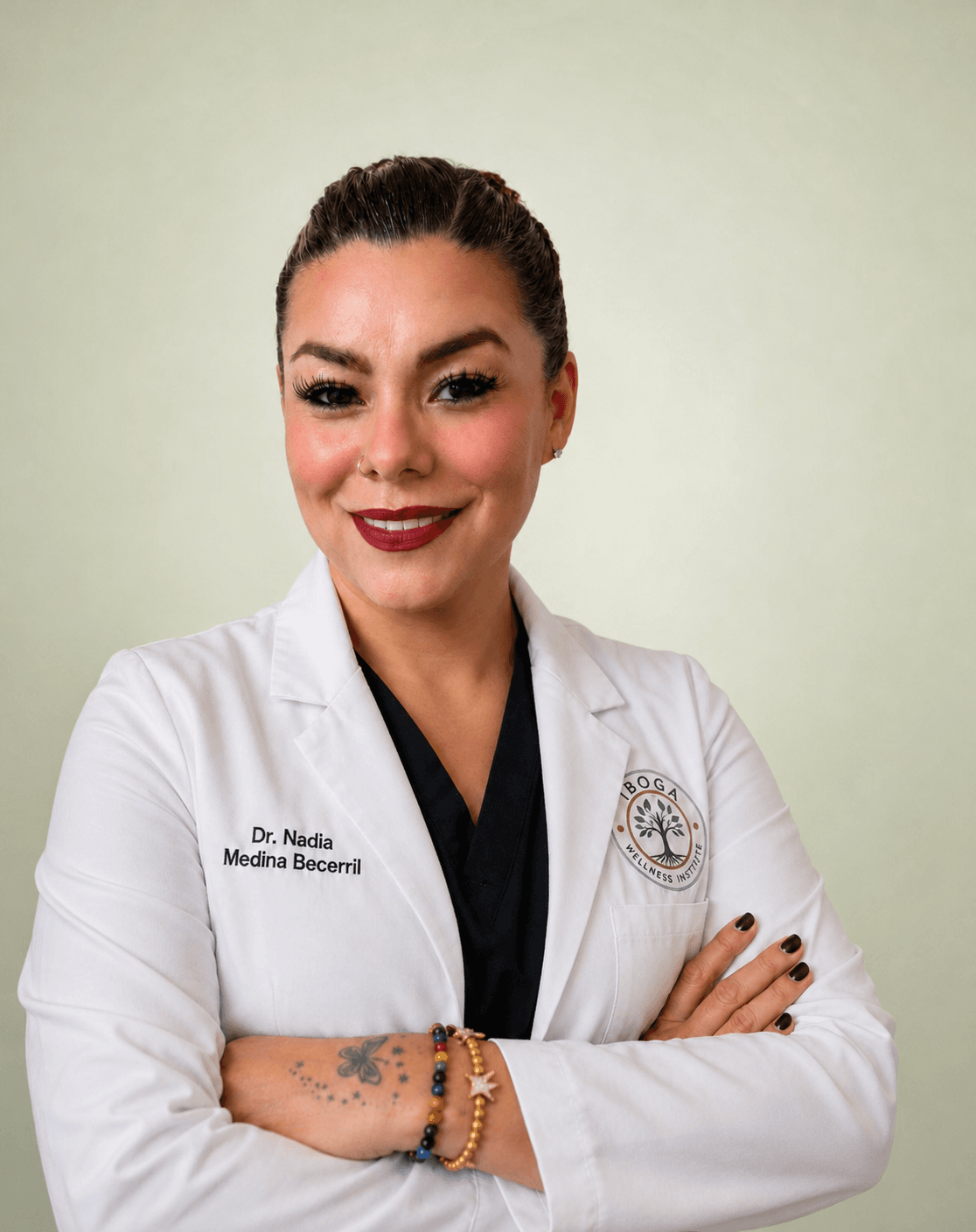
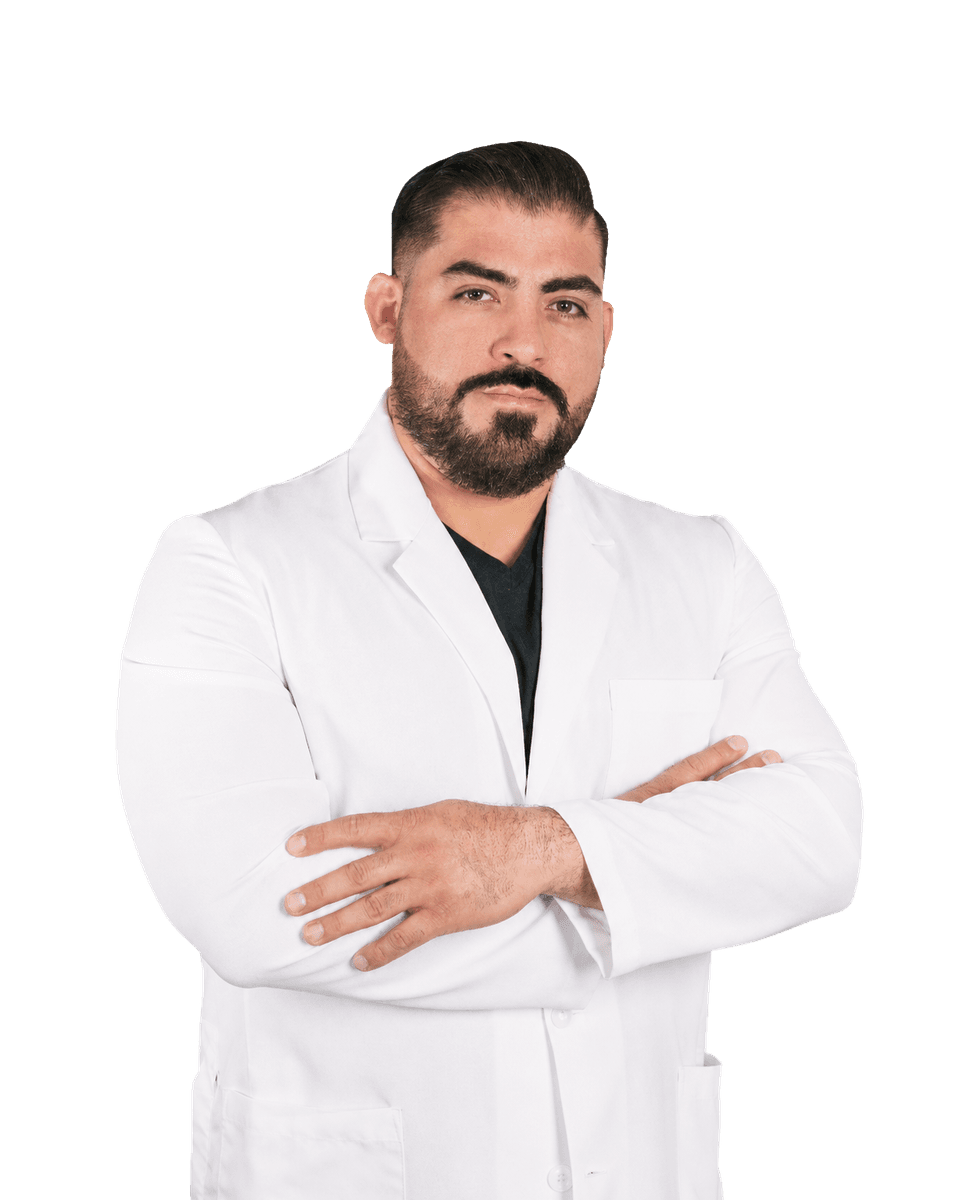
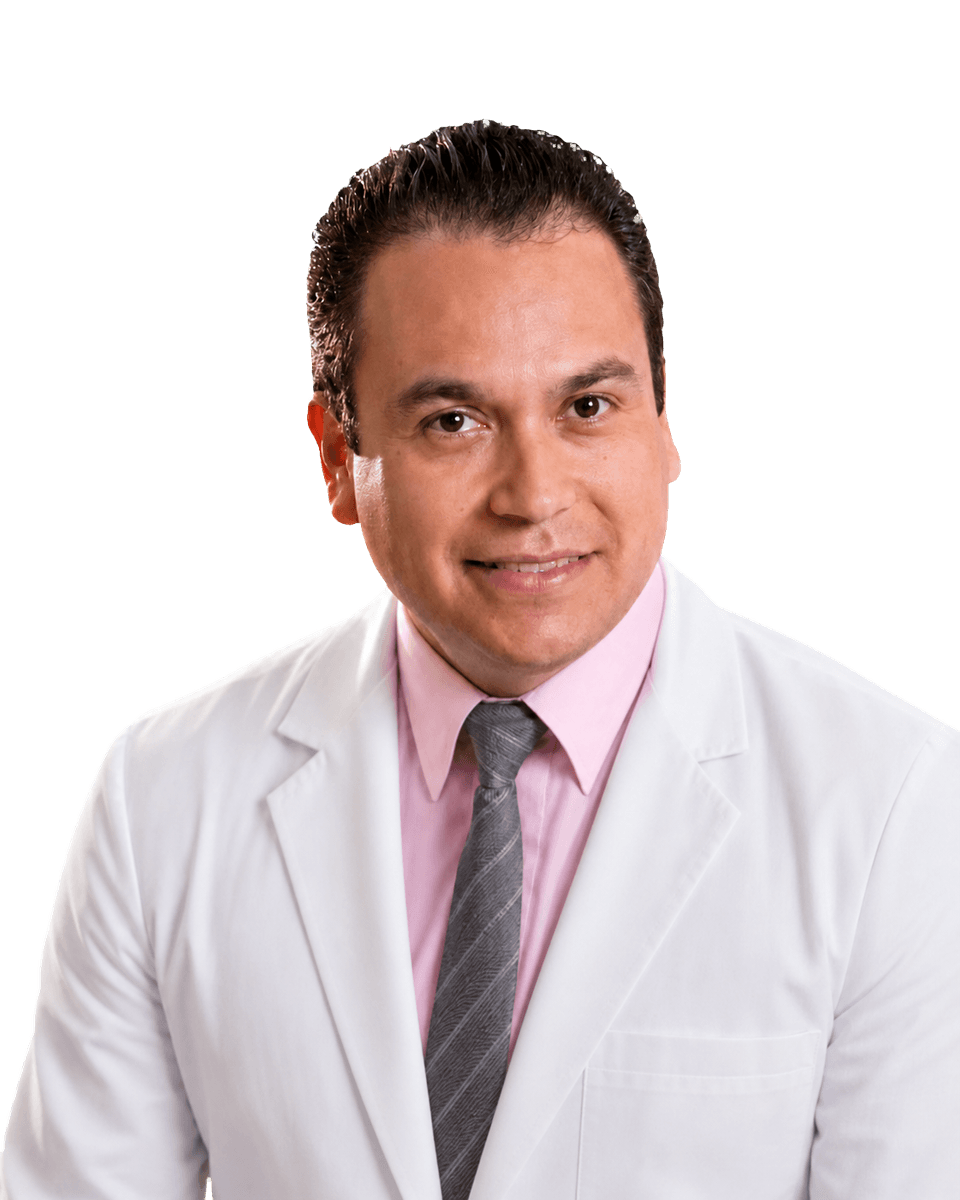
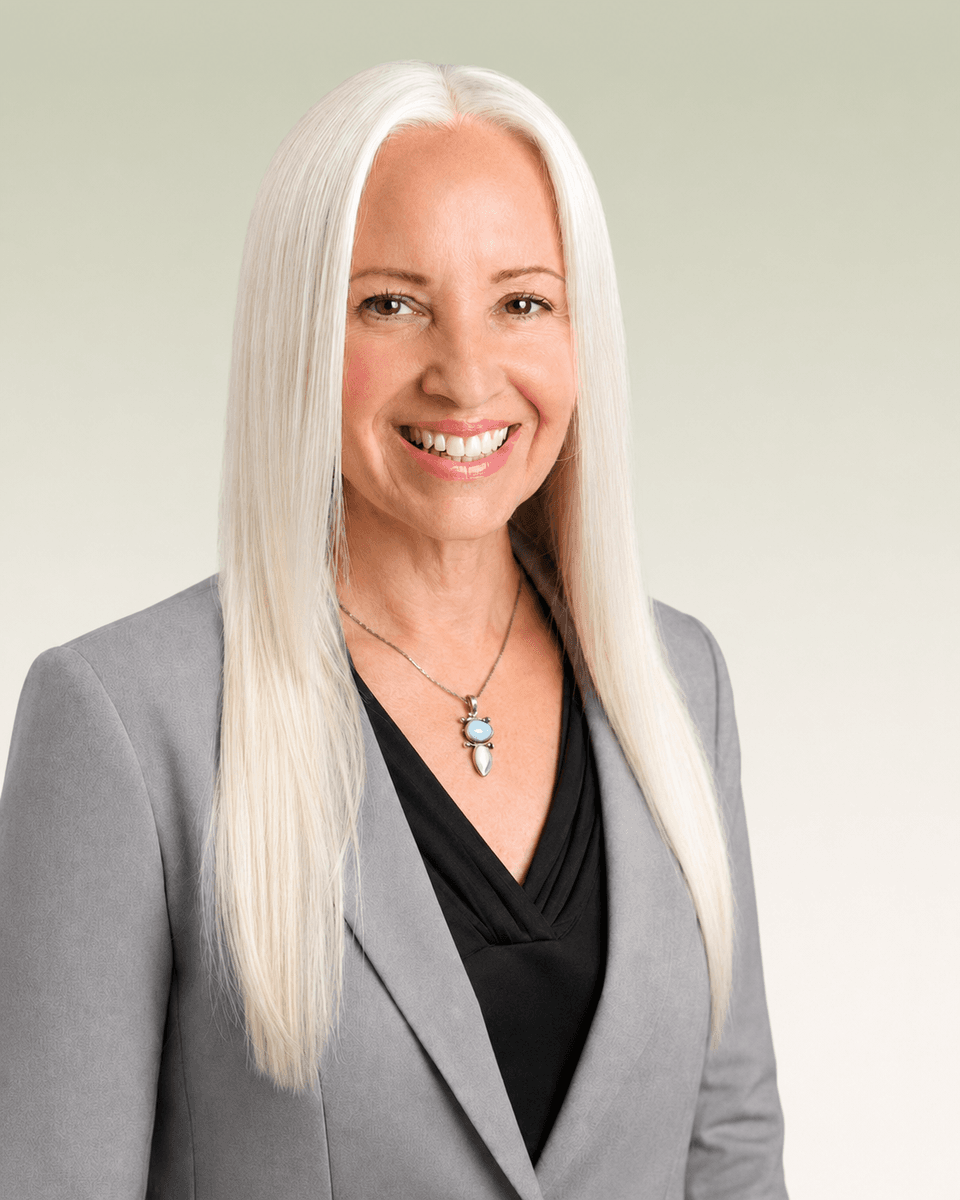
The Iboga Wellness Institute medical program is led by a Chief Medical Director whose anesthesiology and critical-care background is built for exactly the moments ibogaine demands. Alongside him, a second physician brings regenerative and longevity medicine, and a third, board-certified in Addiction Medicine and Psychiatry, handles complex medication management and evaluates patients before they ever travel. Nursing staff provide 24-hour bedside care, and a physician directs every treatment plan. Our Director of Integration is a published author on ibogaine and 5-MeO-DMT integration and completed advanced psychedelic-assisted therapy training through a recognized university-affiliated program. She leads a team of licensed psychologists, LMFTs, LCSWs, and addiction professionals.
We’re not just building a treatment center. Edward came to us with substance use challenges, severe PTSD, and suicidal thoughts. He engaged with the medical care, the therapy, and the integration work after he returned home, and roughly three months later he had joined the Iboga Wellness Institute follow-up team, calling new clients to share his experience. We are careful never to attribute his path to ibogaine alone or to suggest his experience will be replicated by others, as every person’s recovery journey is unique. Edward did the work, and his outcomes reflect his individual effort and circumstances. That is what one person’s recovery looked like, and it is part of why our program began in the first place, from an Army veteran friend who found a path forward and has remained free of active addiction for more than three years, though we recognize that each person’s trajectory differs.
Frequently Asked Questions
Is ibogaine legal in the United States?
No. Ibogaine is a Schedule I controlled substance under federal law and is not FDA-approved, which is why all treatment occurs at licensed medical clinics outside US borders. Lawmakers have begun to move on this, including a federal ibogaine bill in Congress, but nothing is legal for treatment in the US today.
How long does ibogaine treatment take?
The flood dose itself lasts about eight to ten hours, but the full model includes preparation, medical screening, daily therapy sessions, and a 12-month integration and follow-up program coordinated by the Iboga Wellness Institute Columbus team.
Is ibogaine safe for everyone with opioid dependence?
No. Our physicians screen out or postpone people with prolonged QTc, structural heart disease, uncontrolled diabetes, active psychosis, type 2 bipolar disorder, and unstable benzodiazepine use, because cardiac and medical risk require careful candidate selection.
What happens during the ibogaine flood dose?
Clients typically experience an eight to ten hour visionary state under continuous cardiac monitoring while the medicine appears to influence withdrawal processes and neurotransmitter systems, though the nature and intensity of these experiences vary considerably. A physician and nurses remain bedside the entire time.
Where does Iboga Wellness Institute provide ibogaine treatment?
Our Columbus, Ohio office handles intake, medical screening, and aftercare. The ibogaine flood dose occurs at our licensed medical clinic in Cozumel, Mexico, under continuous physician-led cardiac monitoring.
Does ibogaine provide lasting relief from addiction?
No treatment provides guaranteed lasting relief from addiction. Ibogaine may offer a neurochemical shift and reduce acute withdrawal symptoms for some people, but sustained changes in substance use depend on integration work, therapy, and ongoing aftercare support, and outcomes vary widely among individuals.
If your loved one has already survived multiple conventional detox stays and you are trying to decide whether ibogaine is a real medical option or another dead end, start with the one step that tells you the truth: the screening. Call our Columbus office to schedule a confidential medical screening call with our physician-led team, and we will give you a personalized, honest evaluation of whether ibogaine treatment may be medically appropriate for your situation, including an honest “not yet” or “not safe” if that is what the evaluation shows. That is the same standard we would want for someone we love.
Important legal and safety information: Ibogaine is not approved by the FDA and is not available as a legal medical treatment in the United States. Iboga Wellness Institute provides ibogaine treatment exclusively at its licensed medical clinic in Cozumel, Mexico, under medical supervision. US locations handle admissions, screening, and aftercare coordination only.
Ready to Learn More About Ibogaine Treatment?
If you’re wondering whether ibogaine could be right for your family member, you don’t have to figure it out alone. The team at Iboga Wellness Institute in Columbus, OH understands the questions and concerns families face when exploring unfamiliar treatment options. A conversation can help you understand how this approach might fit into your loved one’s recovery path.
Individual responses to ibogaine vary considerably, and no treatment approach works uniformly for all people. Outcomes depend on many factors including medical history, substance use patterns, psychiatric presentation, and commitment to aftercare.