Hyperbaric oxygen therapy for neuroplasticity sits at the intersection of two well-established biological realities: the brain’s ability to rewire itself and oxygen’s role as the primary fuel for that process. Understanding how HBOT works at a neural level, and where the evidence points, changes how you evaluate it as part of a recovery or treatment protocol.
What Is Hyperbaric Oxygen Therapy
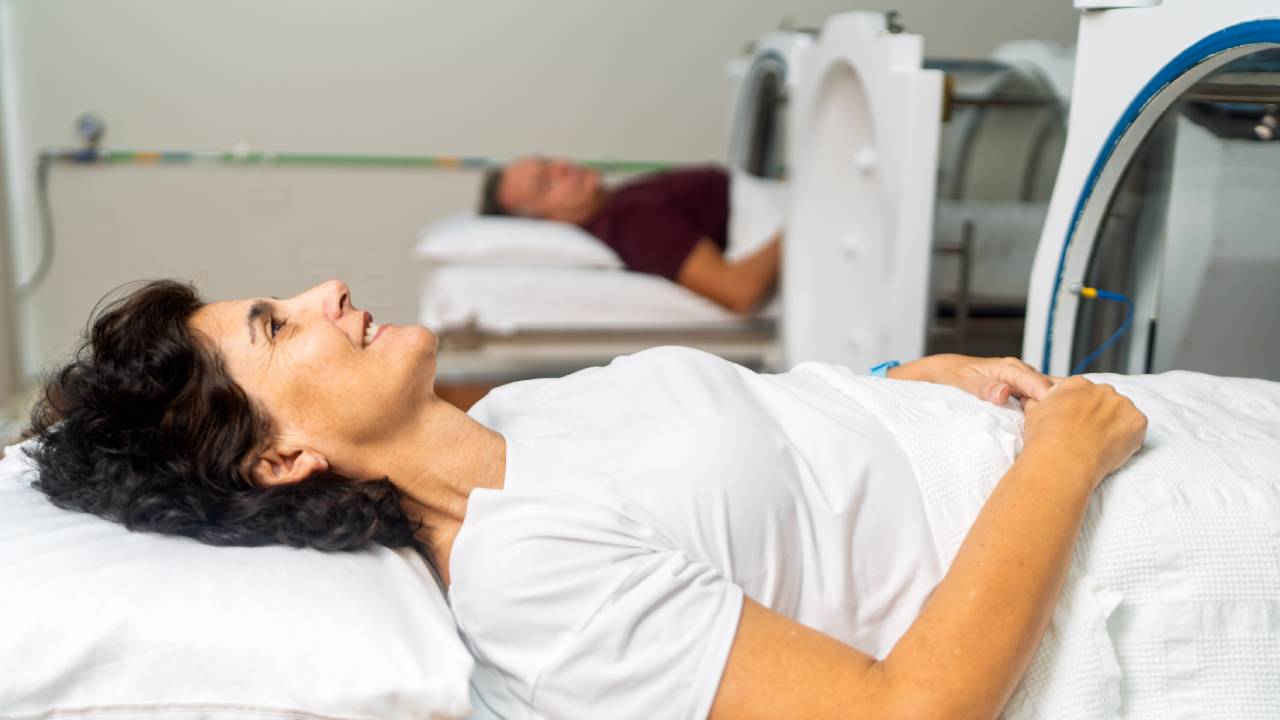
Hyperbaric oxygen therapy delivers 100% pure oxygen inside a pressurized chamber at 1.5 to 3 times normal atmospheric pressure. At sea level, your blood plasma carries a limited amount of dissolved oxygen, most of it bound to hemoglobin. Under hyperbaric pressure, oxygen saturates not just your red blood cells but your plasma, cerebrospinal fluid, and tissue fluid directly. The result is oxygen delivery to regions of the brain that normal circulation cannot adequately reach, including areas damaged by injury, inflammation, or vascular compromise.
The FDA has cleared HBOT for 13 conditions, including carbon monoxide poisoning, diabetic foot ulcers, radiation injury, and decompression sickness. Research into neurological applications has accelerated substantially over the past decade, supported by a growing body of randomized controlled trial data. What was once a niche intervention in diving medicine is now a legitimate adjunctive modality in neurological recovery settings.
How HBOT Changes the Brain at a Biological Level
A 2013 randomized controlled trial published in PLOS ONE (Efrati et al., 60 patients with chronic TBI) documented measurable changes in brain metabolic activity and blood flow following HBOT. The study confirmed what earlier mechanistic research had suggested: elevated oxygen delivery does not simply oxygenate existing tissue. It triggers a cascade of biological responses that include new vessel growth, reduced inflammation, and increased production of brain-derived neurotrophic factor (BDNF). For a brain recovering from injury, trauma, or chronic neurological stress, these are not incidental effects. They are the precise mechanisms that determine whether the brain reorganizes and heals or remains in a state of arrested function.
Oxygen and Angiogenesis: Building New Blood Vessel Networks
The 2013 Efrati PLOS ONE trial demonstrated that HBOT triggered angiogenesis, the growth of new blood vessels, in brain regions that had shown metabolic dormancy since the original injury. SPECT imaging confirmed restored regional cerebral blood flow in areas that standard MRI had not identified as structurally damaged but that were clearly underperforming.
What this means in practice: neurons that have been deprived of adequate oxygen do not necessarily die. They go quiet. New vessel growth restores the fuel delivery those neurons need to resume activity. The vascular changes are cumulative, building across a multi-session protocol rather than appearing after a single treatment. If you are evaluating HBOT for a neurological condition, understanding that the benefit compounds over a structured course of treatment is foundational to setting realistic expectations. Structured programs for brain health are designed around this accumulation principle, not individual session outcomes.
Neuroinflammation: The Brake That HBOT Releases
Chronic neuroinflammation is the primary barrier to neuroplasticity in TBI, PTSD, and conditions like post-COVID syndrome. Elevated levels of pro-inflammatory cytokines, specifically TNF-α and IL-1β, suppress synaptic remodeling and maintain neural tissue in a state that prioritizes defense over repair. Research on HBOT protocols consistently shows suppression of these cytokines in response to treatment.
The clinical translation is direct. When neuroinflammation decreases, the brain’s capacity to form new synaptic connections opens up. Cognitive improvements, mood stabilization, and reduced symptom burden that patients report following HBOT are not placebo effects. They reflect a measurable shift in the inflammatory environment of neural tissue. Understanding how hyperbaric pressure addresses this process clarifies why HBOT functions as more than supportive care in a neurological protocol.
BDNF and Synaptic Growth: The Fertilizer Analogy
BDNF is the protein that governs synaptic growth, consolidation, and the survival of existing neurons. Think of it as fertilizer for the neural connections your brain is trying to build or rebuild. HBOT protocols have been linked to elevated BDNF levels, and the clinical significance of this is substantial. Higher BDNF supports faster memory consolidation, improved emotional regulation, and greater capacity for learning and adaptation.
BDNF elevation following HBOT is time-sensitive. Levels peak in a window post-session. What you do during a treatment protocol, including cognitive engagement, therapeutic work, sleep quality, and nutrition, directly influences how much structural change takes hold during that elevated BDNF window.
HBOT for Traumatic Brain Injury
The CDC estimates that 1.5 million Americans sustain traumatic brain injury annually. Most receive acute stabilization and are discharged with minimal long-term support, despite persistent symptoms that can last years or decades.
The Efrati et al. 2013 PLOS ONE randomized controlled trial of 60 chronic TBI patients remains one of the most cited studies in this area. After 40 HBOT sessions at 1.5 ATA, 60% of patients showed significant neurological improvement, with SPECT imaging confirming restored blood flow to previously dormant brain regions. The implication is consequential: a neuron that has been offline for years is not necessarily a dead neuron. It is a neuron that has been waiting for adequate oxygen and reduced inflammation to resume function.
The imaging evidence converts improvement from anecdotal to measurable. For patients who have been told their recovery has plateaued, SPECT-confirmed restored blood flow represents a fundamentally different clinical picture than what structural MRI alone provides. The evidence base for HBOT in brain injury recovery continues to expand, with multiple RCTs now supporting what early mechanistic research predicted.
HBOT for Post-Concussion Syndrome
Post-concussion syndrome (PCS) is defined by symptoms, including headache, cognitive slowing, emotional dysregulation, and sleep disruption, that persist beyond three months despite no visible structural damage on standard imaging. The word “standard” is doing significant work in that sentence. Standard MRI resolution does not capture microvascular injury, which is precisely the pathology driving most PCS presentations.
The Boussi-Gross et al. 2013 trial enrolled 56 mild TBI and PCS patients in a randomized controlled design. Participants receiving HBOT showed significant improvements in cognitive function and quality of life compared to the control group. The mechanism is specific: HBOT addresses the microvascular damage that conventional imaging misses, restoring perfusion to tissue that is symptomatic precisely because it is underperfused.
If your standard neurological workup has returned normal results but symptoms persist, a SPECT or functional brain imaging evaluation alongside an HBOT candidacy assessment is a logical next step. Normal structural MRI does not rule out the pathology that HBOT is most effective at treating.
HBOT for PTSD and Trauma-Related Neurological Disruption
PTSD is not purely a psychological condition. Neuroimaging research has documented measurable changes in white matter microstructure, hippocampal volume, and prefrontal connectivity in individuals with chronic PTSD. The trauma is encoded in the architecture of the brain, not just in memory or behavior.
A 2022 randomized controlled trial published in PLOS ONE (Tal et al., 35 veterans with PTSD) found that HBOT produced significant reductions in PTSD symptom scores alongside MRI-confirmed improvements in brain microstructure. Veterans in the HBOT group showed changes in white matter integrity, the structural substrate of neural communication, that corresponded directly with symptom reduction.
The mechanism follows directly from HBOT’s angiogenic and anti-inflammatory effects. Dysfunctional white matter connectivity is a product of inflammation and ischemia. Reducing neuroinflammation and restoring cerebral blood flow addresses that damage at a structural level. This is why HBOT is integrated into trauma recovery protocols alongside interventions like ibogaine: each modality operates on a different layer of the same underlying neurological disruption. Where ibogaine drives neuroplasticity at the receptor and synaptic level, HBOT addresses the vascular and inflammatory environment that determines whether those plastic changes stabilize. The combination is clinically coherent in a way that neither intervention achieves independently.
HBOT for Stroke Recovery
Stroke creates two distinct zones of damage: the infarct core, where tissue death is irreversible, and the ischemic penumbra, the surrounding zone where neurons are injured but viable. Conventional medicine has historically focused on the acute window, treating stroke as a time-limited emergency rather than a condition with an ongoing recovery trajectory.
Research on HBOT and the ischemic penumbra challenges that framing. Studies have documented HBOT’s capacity to reactivate penumbra tissue even in chronic post-stroke patients, not just in the first hours after an event. The implication is that the recovery window is substantially longer than standard rehabilitation timelines assume. Late-stage improvement is not a ceiling. It is the starting point for a different category of intervention.
HBOT for Long COVID and Cognitive Impairment
A 2022 randomized controlled trial from Tel Aviv University enrolled 73 long COVID patients in a double-blind, crossover design. Participants receiving HBOT showed significant improvements in cognitive function, energy, sleep quality, and quality of life. MRI confirmed increased cerebral blood flow in the HBOT group, providing an objective mechanism for the subjective improvements patients reported.
Long COVID produces microclots and neuroinflammation that are functionally indistinguishable from the pathology HBOT was already established to treat. The brain fog, memory disruption, and fatigue characteristic of post-COVID syndrome are not diagnostic mysteries. They are the clinical presentation of microvascular injury and cytokine-driven inflammation, two processes that fall directly within HBOT’s documented mechanism of action.
If cognitive or neurological symptoms have persisted following COVID infection, a functional neurology evaluation that includes HBOT candidacy is a direct next step, not a last resort.
What the Evidence Does Not Yet Confirm
Intellectual honesty about the evidence is not the same as hedging on its direction. Most HBOT trials in neurological applications are small, with sample sizes ranging from 30 to 100 patients. Large-scale phase III randomized controlled trials remain limited. The FDA has not approved HBOT specifically for TBI, PTSD, or post-COVID neurological conditions, though it has cleared it for 13 other indications.
Absence of FDA approval reflects regulatory process timelines, not absence of evidence. Phase III trials are expensive and slow, and the financial incentives that drive pharmaceutical approval processes do not apply to a therapy that cannot be patented. The existing RCT evidence is methodologically sound. What it lacks is scale, not rigor.
The practical implication is this: access to HBOT through a credentialed clinical program with structured protocol design produces meaningfully different outcomes than accessing it independently through a wellness center or portable device. Protocol design, pressure selection, session frequency, and integration with other therapies determine whether you are working within the evidence base or outside it. What to expect from a structured clinical setting differs substantially from unguided access.
How HBOT Fits Into a Broader Neurological Recovery Protocol
HBOT does not produce optimal outcomes in isolation. The strongest documented results come from programs that pair HBOT with other neuroplasticity-supporting interventions: targeted cognitive rehabilitation, optimized sleep architecture, nutritional support for BDNF production, and where clinically appropriate, neuroplasticity-driving pharmacological interventions like ibogaine.
The mechanism explains why integration matters. HBOT opens a neuroplasticity window by reducing inflammation, increasing cerebral blood flow, and elevating BDNF. What gets done during and immediately after that window determines how much structural change consolidates. A patient undergoing HBOT in the context of a broader neurological recovery protocol is not getting more of the same effect. They are working within a designed sequence where each intervention amplifies the others. Protocol sequencing and combination design are where clinical outcomes separate from marginal improvement. How ibogaine and HBOT work together at a mechanistic level is worth understanding before committing to any single-modality approach.
Is HBOT Safe
Standard HBOT protocols at 1.5 to 2.4 ATA have a well-documented safety record in clinical settings. The adverse event rates in published RCTs are low, and serious complications are rare when appropriate screening is applied.
The real risks are specific: oxygen toxicity at pressures above 3 ATA, middle ear barotrauma from pressure equalization, and contraindications including untreated pneumothorax and certain restrictive lung conditions. Claustrophobia is a practical barrier for some patients in monoplace chambers, though many adapt across initial sessions.
Safety is a function of protocol design and pre-treatment screening, not an inherent property of the intervention. The right question to ask any HBOT provider is not whether the therapy is safe in general, but what screening protocol they use, what pressure they treat at, and how they monitor for adverse responses across a course of treatment. A provider who cannot answer those questions in specific terms is not operating within a clinical framework.
Baseline Imaging Before Committing to a Protocol
If you are evaluating neurological recovery options for TBI, PTSD, post-COVID symptoms, or a treatment-resistant condition, request a SPECT or functional brain imaging evaluation before committing to any protocol. Structural MRI identifies tissue loss. SPECT identifies perfusion deficits: the regions of your brain that are underperfused, metabolically suppressed, and potentially responsive to HBOT.
Knowing your baseline imaging does not just guide HBOT candidacy. It changes the conversation with every clinician you speak to, creates an objective pre-treatment benchmark, and allows you to measure the response to a protocol rather than relying on symptom self-report alone. That baseline is the most useful piece of information you can bring into an evaluation.