
Ibogaine Treatment: The Complete 2026 Guide to How It Works, Safety, and Outcomes
You just spent forty minutes reading testimonials and watching videos, and you still cannot answer the most basic question: what is ibogaine, what does it actually do inside the body during those eight to ten hours, and is the cardiac risk everyone mentions a theoretical problem or something that kills people in clinics without the right equipment and physician oversight?
That is the honest starting point for this ibogaine treatment guide. If you are reading this after your loved one has already been through detox two or three times, you are not looking for hype. You are looking for the truth. So we are going to walk through the whole arc: what ibogaine is, why it is not FDA-approved, the cardiac risk and the monitoring that addresses it, who we can safely treat and who we cannot, and what happens in the year after the medicine wears off.
One thing before we begin. At Iboga Wellness Institute, our Columbus, Ohio office handles admissions, medical screening, physician consultations, and long-term integration. All ibogaine treatment itself happens at our licensed medical clinic in Cozumel, Mexico, because ibogaine is a federally controlled substance in the United States. We will explain exactly why below.
What Does Ibogaine Actually Do Inside the Brain?
Ibogaine is a naturally occurring compound from the root bark of the iboga shrub, and peer-reviewed neuroscience research describes it as interacting with several receptor systems tied to addiction. That receptor interaction, not the visionary experience people talk about, is what researchers study when examining its role in addiction interruption.
Here is the part most testimonial videos skip. When someone has lived with opioid or alcohol dependence for years, the brain’s reward and pain systems have been rewired around the substance. Peer-reviewed neuroscience research describes ibogaine acting on the mu-opioid and kappa-opioid receptors and on the NMDA receptor, the same systems that drive craving, withdrawal, and the deep memory of using. Ibogaine also appears to increase glial cell-derived neurotrophic factor, a protein that supports the repair of dopamine-producing neurons. In plain terms, the medicine seems to help quiet some withdrawal and craving signals while supporting damaged reward circuits.
What follows is what researchers call a neuroplastic window. For days to weeks after a flood dose, the brain may be more open to forming new patterns. Many people who come to us report that some of the physical withdrawal they dreaded, the body aches, the restlessness, the gastrointestinal distress, appears less severe than what they experienced in previous detox attempts. That does not mean anyone feels perfect afterward. It means the door may be open in a way it was not before.
And that is the honest limit worth stating early. The medicine may open the door for some people, but lasting recovery comes from the choices a person makes once they walk through it. The reset alone does not build a new life. That is why everything after the flood dose matters as much as the flood dose itself.
Is Ibogaine Legal in the United States?
No. Ibogaine is a Schedule I controlled substance in the United States and is not approved by the FDA for any medical use, which is why our treatment does not happen on American soil. Our Columbus office is where the paperwork, screening, and aftercare live. The medicine is given only at our licensed medical clinic in Cozumel, Mexico, under Mexican healthcare and professional-licensing requirements.
We say this plainly because you deserve a clinic that does not blur the line. Any provider implying you can receive a legal ibogaine flood dose inside the United States is either confused or not being straight with you. We would rather you hear the truth from us and make an informed decision than be surprised later.
The legal picture is shifting, though, and it is worth understanding. Federal lawmakers have introduced the IBOGAINE Act in Congress to fund research into ibogaine for opioid use disorder, and Texas has already signed a state law creating a research initiative, as described in Governor Abbott’s announcement. That momentum matters, but it does not change today’s reality. As of now, the treatment itself is not legally available in Ohio or anywhere else in the country.
So when you call our Columbus number, you are starting a process that begins in Ohio and finishes in Cozumel. The screening, the physician consultations, the lab and ECG review, and the integration follow-up are all coordinated from home. The flood dose is not. We keep that geography clear because it is both a legal necessity and a sign of who we are.
Is the Cardiac Risk Real, and How Is It Managed?
Yes, the cardiac risk is real, not theoretical, and it is the single most important reason ibogaine should never be taken outside a physician-led medical setting. Ibogaine can prolong the QT interval, the electrical recovery time of the heart, and in certain conditions that can trigger a dangerous arrhythmia.
This is exactly where an unmonitored retreat or an underground session becomes a serious safety concern. That risk is not addressed with good intentions. It is addressed with equipment, testing, and trained people who do not leave the bedside. During the eight-to-ten-hour flood dose, every patient at our Cozumel clinic is on continuous cardiac telemetry with 24/7 nursing under physician oversight. The team tracks heart rhythm, heart rate, blood pressure, oxygen saturation, respiratory rate, neurological status, hydration, electrolytes, temperature, and comfort. A physician checks in throughout the experience and is immediately available. A defibrillator, a fully stocked emergency cart, oxygen, suction, airway-management supplies, and physician-controlled emergency medications are on hand in the treatment room.
The risk is also managed long before the medicine is ever given. Our physicians run a 12-lead ECG and a full lab panel, and they evaluate the corrected QT interval, cardiac rhythm, and electrolyte balance, including potassium and magnesium. General guidance on QT prolongation comes from the American Heart Association’s cardiac literature, but our physicians do not clear anyone on a single number. They read the whole clinical picture. If something is reversible, like dehydration or low electrolytes, they correct it, repeat the testing, and only move forward if the picture supports it safely.
Ask yourself the question we ask about every candidate: would we trust this with someone we love? If the honest answer is no, we do not proceed. Safety will always come before filling a bed.
Who Can Have Ibogaine Treatment, and Who Gets Screened Out?
Ibogaine treatment at our program is used for people experiencing opioid, heroin, fentanyl, kratom, benzodiazepine, and pain pill dependence, as well as for those struggling with alcohol addiction, because research suggests it interacts with multiple receptor systems rather than targeting a single drug. But candidacy is decided by medical safety, not by willingness to pay, and some people are screened out or asked to stabilize first.
We postpone or decline treatment when there is serious cardiovascular disease, a prolonged QT interval approaching the danger threshold, structural heart disease, or uncontrolled arrhythmias. We also step back for unstable medical illness, uncontrolled diabetes, significant obesity, uncorrected electrolyte abnormalities, and psychiatric conditions that need a different level of care first, such as bipolar type 2, active psychosis, or mania. These are not judgments about a person’s worth. They are honest limits about what can be done safely.
Benzodiazepine dependence is a good example of how we work. We do accept people with benzodiazepine dependence, but we do not rush someone with an active benzodiazepine dependence into a flood dose. Instead, a personalized taper of roughly 14 to 30 days under physician supervision comes first. Opioid maintenance is the same story. For someone on methadone or buprenorphine, Dr. Lori Nation LeGrand, a United States board-certified physician in Addiction Medicine and Psychiatry, builds an individualized medication-transition plan before travel, because those long-acting medications require patience, not a fixed timeline.
If a person cannot be safely optimized, we refer them for stabilization or we say no. We would rather lose a patient than compromise our standards. That is not a slogan. It is a rule we live by, and it is the reason families can trust the yes when we give it.
What the Pre-Treatment Screening and Physician Optimization Involve
Screening begins weeks before anyone travels, and it is thorough on purpose, because the point is to catch a problem in Columbus rather than discover it in Cozumel. It starts with a detailed medical history, a full medication and supplement review, laboratory work, and a 12-lead ECG.
The lab panel typically includes a complete blood count, a comprehensive metabolic panel, kidney and liver function, and electrolytes such as potassium, magnesium, calcium, and sodium. Our physicians review the ECG for rhythm, conduction, and the corrected QT interval, always in the context of the person’s medications and overall health rather than as an isolated value. When the history calls for it, they may request an echocardiogram or cardiology clearance before clearing someone to travel.
Then, when a patient arrives in Cozumel, the screening starts fresh. A person’s condition can change over the days between the pre-travel consult and arrival, so the team repeats the 12-lead ECG, updates the labs, reassesses electrolytes and withdrawal status, performs a physical exam, and runs a urine drug screen. A second urine screen is done immediately before dosing, so decisions rest on objective information rather than assumptions. This double-check is what caught a new medical issue for one of our patients whose repeat ECG prompted the physician to pause and refer him out before any medicine was given.
For complex opioid cases, this is where Dr. LeGrand’s work matters. Nobody is fit into a standard formula. The protocol is built around the patient. If someone is not medically ready today, then today is not the right day.
What Happens During the Flood Dose, Hour by Hour
During the flood dose, which lasts roughly eight to ten hours, the patient is never left alone and never off the monitor. This is the window where the medical team’s preparation matters most, and it is directed by a physician with experienced nursing at the bedside the entire time.
Dosing is individualized. We do not use one fixed milligram-per-kilogram formula for every person, because body composition, cardiac assessment, medication history, and clinical response all shape the decision. Safety, not hitting a target dose, guides every choice. Once dosing begins, the team continuously watches heart rhythm, blood pressure, oxygen saturation, respiratory status, and level of consciousness, with medical checkpoints logged through the day. If any finding suggests the person’s condition is changing in a way that raises risk, treatment is reassessed on the spot, and the physicians can pause, provide supportive care, or stop entirely.
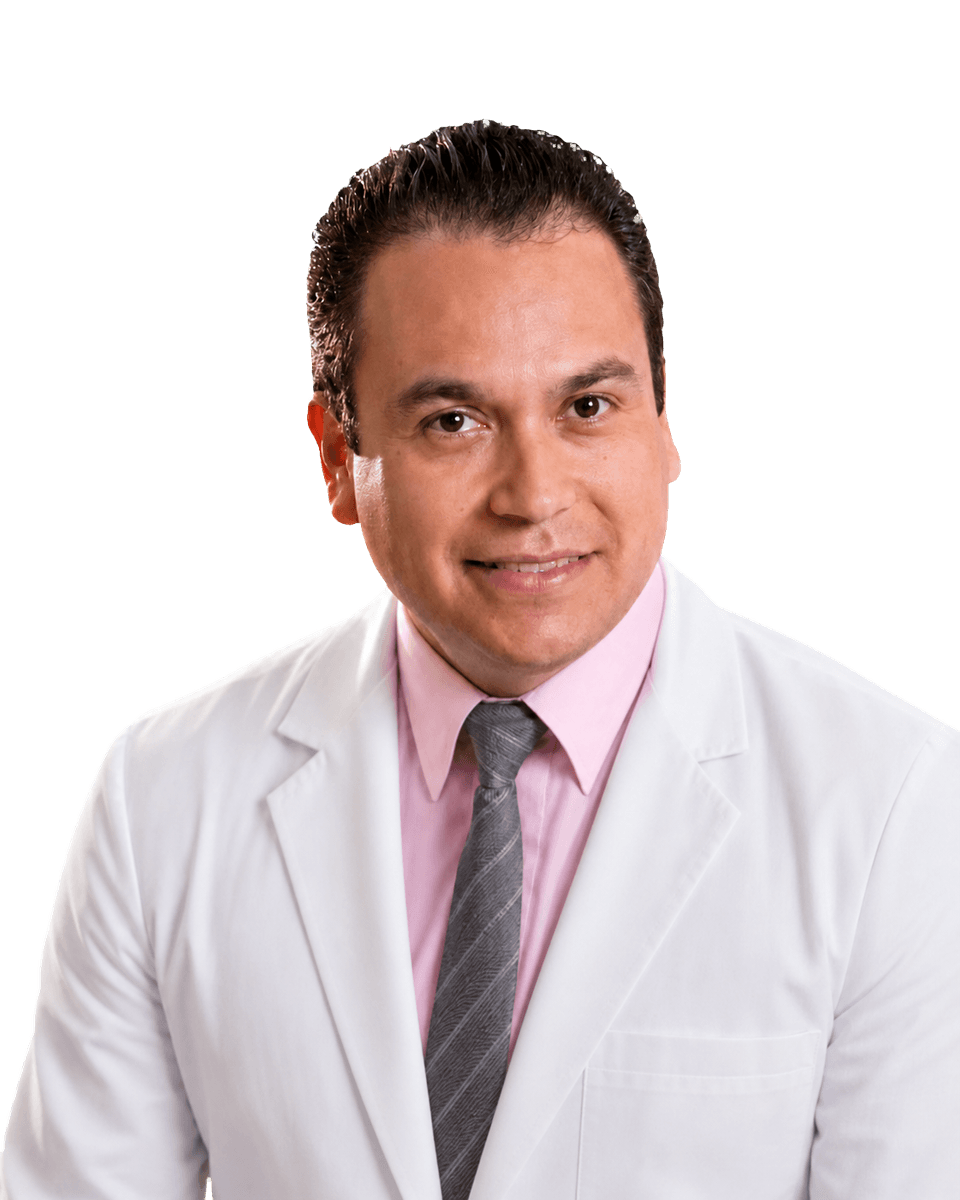
The people behind that care are the reason this works. Our Chief Medical Director, Dr. Eduardo Rubio Ruiz, is a licensed Mexican physician and anesthesiologist whose background spans perioperative medicine, airway management, sedation, emergency response, and advanced trauma care, and he has served as an Advanced Trauma Life Support instructor. Dr. Aldo Giovanni Diosdado Jaime, a licensed Mexican physician with experience in surgery and regenerative medicine, is part of the wider team. You can read more about our medically supervised approach in our opioid detox protocol.
Alongside the monitoring, the clinic maintains written emergency-response procedures and a defined hospital-transfer plan. No responsible clinic pretends it can handle every possible complication inside its own walls. The point is to catch a problem early, begin care immediately, and transfer without delay if hospital-level intervention is ever needed.
Why Integration Matters as Much as the Flood Dose
Integration is the structured therapeutic work before, during, and after the medicine, and in our experience it is where recovery is either strengthened or begins to fall apart. The flood dose may last a day. Integration is what may help decide whether that day becomes lasting change for some people.
The work starts before ibogaine is ever given. Each patient meets with a psychotherapist for daily sessions of about an hour, and those early meetings are not about the medicine at all. They use a trauma-informed approach that draws on cognitive behavioral therapy, motivational interviewing, somatic awareness, mindfulness, parts work when appropriate, and values-based goal setting. The aim is to help a person understand the patterns and unresolved experiences that may have fed the addiction, so they enter treatment with intention instead of fear.
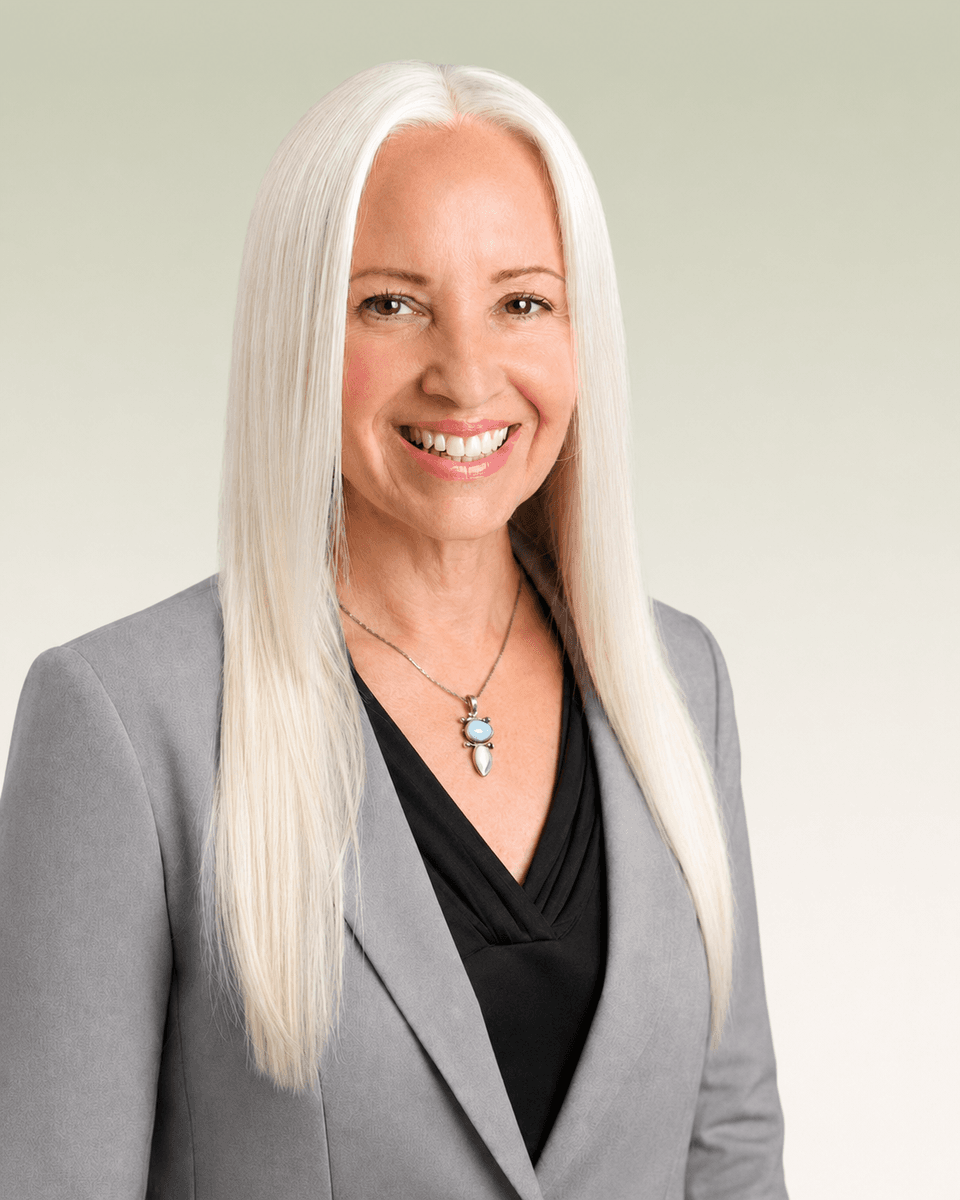
After the flood dose, the focus shifts to stabilization and then to real life. The first week centers on sleep, mood, emotional regulation, nutrition, and making sense of what surfaced. Then patients go home with a personalized aftercare plan and structured follow-up, not a handshake and good luck. Our Director of Integration, Lindsey White, author of The Crown and the Root, has shaped a model built on embodiment rather than insight alone. In other words, a powerful experience is not the goal. The goal is reached when those insights may support daily habits, healthier relationships, and a different way of living.
That philosophy is why we exist. We are not just building a treatment center. We are trying to help support someone as they build a life they no longer feel the need to escape from.
What Do the Outcomes and First Year Actually Look Like?
Recovery is not measured by a single week in Cozumel, so we track people over a full year and report what we see honestly, including relapse. At about one week, one month, three months, six months, and one year, we reconnect through structured follow-up sessions rather than a single phone call.
Those follow-ups use validated outcome tools so progress is measured objectively, not just by how someone feels on a given day. Depending on a person’s needs, that can include measures of general health, well-being, depression, anxiety, sleep, and a substance-use monitor built for exactly this kind of tracking. Neurological patients complete assessments specific to their diagnosis. The reason we invest in this is simple. Families and referring physicians deserve honesty about what we know, what we are still measuring, and where the limits are.
Here is the truthful part most clinics avoid. Relapse in the first year is real, and the people who stay engaged in the ongoing integration program appear to do better in our clinical experience than those who disengage. We do not promise anyone a cure. We never tell a family that one treatment alone will lead to lifelong recovery, because that is not true. What we tell them is that we will give their loved one the best possible chance to break a cycle that has defeated them before, and then keep walking beside them long after they leave.
We are not looking for a miracle. We are looking for a person who, six months later, may be present, sleeping, working, and reconnecting: someone’s son, daughter, spouse, parent, sibling, or best friend, back in their own life.
A Veteran’s Story: How Nate Approached His Recovery
Nate is a military veteran who came to us carrying far more than alcohol dependence. His drinking had become tangled up with years of unresolved PTSD, and alcohol had stopped being about a drink. It had become a way to numb memories, anxiety, hypervigilance, and pain.
When he arrived, you could see how worn down he was. He was exhausted, and he had lost confidence that life could ever feel normal again. Like everyone who comes to us, he went through a comprehensive medical evaluation, physician-led treatment, daily therapeutic work, and our structured integration program before he ever went home. Nothing about his path was rushed, and nothing was skipped.
What stands out about Nate is not only the week in Cozumel. It is what he did afterward. He stayed engaged with his integration work. He kept showing up for himself and stayed connected with our team. Roughly six months later, he has remained sober and is still moving forward. More than that, his family reports having their husband and father back. The relationships that years of PTSD and alcohol had strained are being rebuilt, and he is present in their lives again in a way they had not felt for a long time.
That is the outcome that matters most to us. Recovery for Nate was not simply the absence of alcohol. It was the return of purpose, relationships, and the ability to participate in life instead of trying to escape it.
How Do You Start With the Columbus Admissions Team?
You start with a phone call to our Columbus, Ohio office, which is where admissions, pre-travel physician consultations, lab and ECG review, and long-term integration follow-up are all coordinated. The treatment itself happens later, at our licensed medical clinic in Cozumel, because ibogaine is a federally controlled, non-FDA-approved substance in the United States.
When a scared parent or spouse calls, the process begins weeks before any travel with honest medical guidance, not promises. We ask detailed questions about substance use and medical history, we order the labs and the ECG, and a physician reviews everything before anyone is cleared. If we do not believe treatment can be done safely, we will tell you, and we will help you find the right next step. If you want to cross-check what real medical support should look like anywhere you are considering, the SAMHSA National Helpline is a free, confidential place to start.
Call the Columbus, Ohio admissions team at Iboga Wellness Institute to begin the medical screening process, review your medication history with a physician, and determine whether ibogaine treatment may be appropriate and safe for your situation. You can reach us through theibogainstitute.org. Bring your loved one’s medication list and any recent cardiac history to that first call, because the sooner our physicians see the full picture, the sooner we can tell you the truth about whether this may be the right path.
Frequently Asked Questions
Is ibogaine treatment legal in the United States?
No. Ibogaine is a Schedule I controlled substance and is not FDA-approved for any medical use in the United States. Our Columbus, Ohio office handles admissions, screening, and aftercare, while all treatment takes place at our licensed medical clinic in Cozumel, Mexico, under physician supervision.
What is the cardiac risk with ibogaine, and how is it managed?
Ibogaine can prolong the QT interval, which in certain conditions can trigger a dangerous heart rhythm. We address that risk with pre-treatment 12-lead ECG and lab screening, electrolyte optimization, continuous cardiac telemetry during the flood dose, 24/7 nursing, physician oversight, and emergency equipment including a defibrillator at the bedside.
How long does ibogaine treatment take from start to finish?
Medical screening begins weeks before travel. The flood dose lasts roughly eight to ten hours, the on-site stay is typically several days, and structured integration follow-up continues at one week, one month, three months, six months, and one year after treatment.
Does ibogaine work for alcohol addiction or just opioids?
Research suggests ibogaine interacts with multiple receptor systems, so it is used under medical supervision for people experiencing opioid, heroin, fentanyl, kratom, benzodiazepine, and pain pill dependence as well as alcohol addiction. Candidacy still depends on a full medical and cardiac screening.
What happens if someone relapses after ibogaine treatment?
Relapse in the first year is a real risk, and in our clinical experience, the people who stay engaged in our ongoing integration program appear to do better. Our structured follow-up is built to catch struggles early and re-engage a person in support rather than leaving them on their own.
Can someone have ibogaine treatment while on methadone or Suboxone?
Yes, with careful physician-supervised planning. Dr. Lori Nation LeGrand, a board-certified Addiction Medicine and Psychiatry physician, develops individualized medication-transition plans for methadone and buprenorphine before a patient ever travels, because those long-acting medications require patience rather than a fixed timeline.
Important legal and safety information: Ibogaine is not approved by the FDA and is not available as a legal medical treatment in the United States. Iboga Wellness Institute provides ibogaine treatment exclusively at its licensed medical clinic in Cozumel, Mexico, under medical supervision. US locations handle admissions, screening, and aftercare coordination only.
Ready to Learn More About Ibogaine Treatment?
If you’re considering ibogaine as part of your recovery journey, or if you have questions about whether this approach might be right for your situation, Iboga Wellness Institute in Columbus, OH is here to provide clear answers and compassionate guidance. Our team understands that exploring new treatment options can feel uncertain, and we’re committed to helping you make an informed decision based on your unique needs and health history. Reach out today to speak with someone who can walk you through the process.
Individual responses to ibogaine treatment vary widely, and outcomes depend on many factors including individual biology, engagement with integration work, social support, and personal circumstances. Some people experience significant benefit while others may not, and relapse remains a possibility regardless of treatment approach.