
Does Ibogaine Treatment Work for Fentanyl Detox and Are There Clinics Near Columbus?
You live in Columbus and you are searching “ibogaine for fentanyl” at 2 a.m. because your loved one has been through detox twice already, relapsed both times within a week of discharge, and you need to know whether ibogaine is a real medical option or just another thing the internet promises that will not work.
So let us answer the exact question you typed, plainly and without spin: does ibogaine treatment work for fentanyl detox and are there clinics near Columbus? Ibogaine has been used as part of fentanyl detox programs, but only when a physician manages the transition off fentanyl first and monitors the heart the entire way through. And no, there is no ibogaine clinic in Columbus, or anywhere else in the United States, because the law does not allow it.
We are an Ohio-based company, founded by people from Ohio who watched addiction move through their own families, and we will not blur that line for you. What follows is the truth about how this works, who delivers it, and what the path from your home to treatment and back actually looks like.
Why Is There No Ibogaine Clinic in Columbus or Anywhere in Ohio?
There is no ibogaine clinic in Columbus, Cleveland, Cincinnati, Dayton, or any other Ohio city because ibogaine remains a Schedule I controlled substance under U.S. federal law and is not approved by the FDA. That makes it illegal to administer as medical treatment anywhere in the country. Any facility claiming to give you a legal ibogaine flood dose on American soil is either misinformed or dishonest, and either answer should end the conversation.
Here is how Ohio families actually reach this treatment. Everything on the front end happens from home. Your first consultation, the medical history review, the medication list, the lab work, and the 12-lead ECG all get coordinated through our Ohio-based admissions team weeks before anyone books a flight. The ibogaine flood dose itself takes place at our licensed medical clinic in Cozumel, Mexico, which operates under COFEPRIS, Mexico’s federal health regulatory authority. The program is American-owned and delivered off-site for one reason: current U.S. law leaves no other lawful path.
We tell families this on the very first call because trust starts with honesty. When someone hands us their son, daughter, spouse, parent, sibling, or best friend, the least we owe them is the truth about where the medicine is given and why. We are not doing something in Ohio that we pretend happens somewhere else. We are helping you get from your home to a physician-led clinic and back, with the full picture in front of you the whole time.
Does Ibogaine Treatment Work for Fentanyl Detox, and Are There Clinics Near Columbus?
Ibogaine has been used as part of fentanyl detox programs, but never dosed directly on top of fentanyl. Fentanyl is highly potent and highly fat-soluble, meaning it settles into muscle and fatty tissue and clears on an unpredictable timeline that rarely matches the time of someone’s last use. Because of that, our physicians transition a person who is fentanyl-dependent onto a medically selected, shorter-acting stabilization medication first, let the fentanyl exposure resolve, and only then consider the flood dose. The clinics that skip this step are the ones you should be afraid of.
The clinical picture provides context for why some people pursue this approach when it is done with medical oversight. A systematic review of ibogaine and noribogaine in substance use disorders found signals of reduced opioid withdrawal and craving across some available studies, while being clear that the research and evidence base is still limited and individual patients’ responses vary widely (National Center for Biotechnology Information). An earlier study looking at how people described their own experiences reported meaningful drops in withdrawal severity and drug use after treatment in some cases (PMC). We do not read those studies as a promise. We read them as a reason to take this seriously and do it carefully.
Our fentanyl program is one of the more medically complex things we offer, and it runs longer than our standard wellness stay. Plan on roughly 10 days: arrival evaluation, several days of physician-directed stabilization while the fentanyl clears and the bridge medication is reduced, the flood dose once the heart and labs line up, then monitoring and recovery. A U.S.-based physician builds the tapering and preparation plan over telehealth before you ever travel.
We never guarantee the flood happens on a particular calendar day. We treat the patient, not the itinerary, and if someone is not ready, the treatment moves.
What Cardiac Safety Actually Looks Like Before and During the Flood Dose
The cardiac protocol is the part that separates a physician-led program from a facilitator sitting in a room with someone. Ibogaine can prolong the QT interval, slow the heart, and set the stage for dangerous arrhythmias, so we treat the flood dose as a serious medical procedure, not a psychedelic experience with a chaperone nearby. Every candidate must provide a real 12-lead ECG reviewed by a physician. A single-lead watch reading, or a note that simply says “EKG normal,” is not enough.
Here is the concrete framework. A QTc over 460 milliseconds is a hard threshold where treatment will not proceed, and a QTc near or above 500 is a major danger finding that ends the conversation. Before dosing we optimize electrolytes, targeting potassium around 4.2 to 4.8 and magnesium at or above 2.0, because low levels make the heart more vulnerable. We run an IV magnesium cardioprotective protocol, repeat the ECG immediately before dosing, keep continuous cardiac telemetry running through the entire flood, and hold monitoring for at least 24 to 72 hours afterward because the active metabolite noribogaine has a long half-life and the cardiac effects can outlast the visionary experience. ICU-trained nurses stay at the bedside, and physicians check in every two to four hours.
One person arrived cleared on paper, but his repeat pre-dose ECG caught a new-onset arrhythmia, so we paused. Another showed QTc lengthening that we corrected with IV magnesium before it became dangerous. Those are not failures. Those are the whole point.
The honest question we ask before every treatment is simple: would we trust this with someone we love? We would rather lose a patient than compromise our standards, and safety will always come before filling a bed.
Who Puts Their Hands on Your Loved One, and What Are Their Credentials?
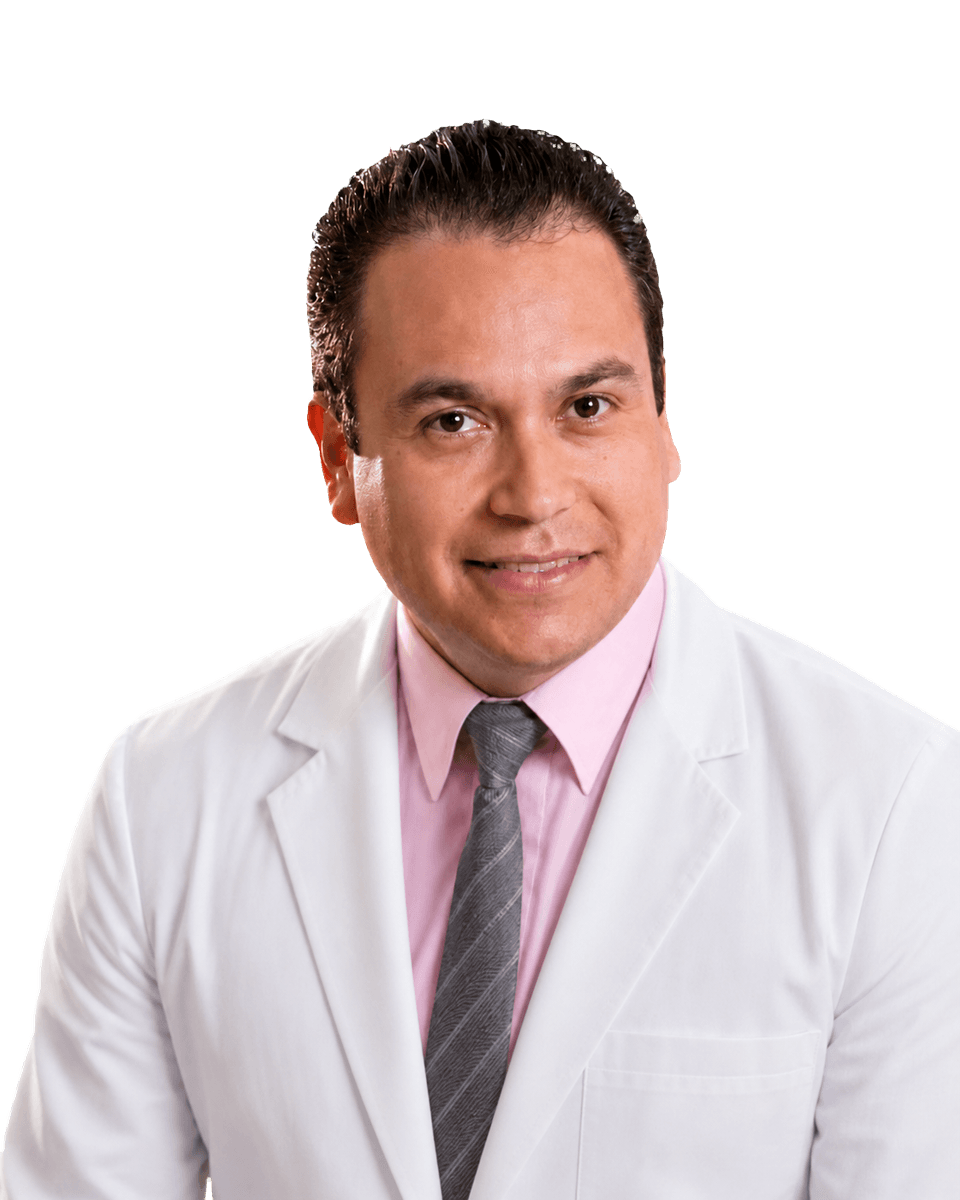
Real names and real credentials are what you should demand from any ibogaine provider, and here are ours. Our Chief Medical Director is Dr. Eduardo Rubio Ruiz, a licensed physician in Mexico and an experienced anesthesiologist whose background covers airway management, cardiovascular monitoring, emergency medicine, and service as an Advanced Trauma Life Support (ATLS) instructor. Every medical decision belongs to him. If he does not believe someone is safe to proceed, we do not proceed, no matter who has already traveled or what date is on the schedule.
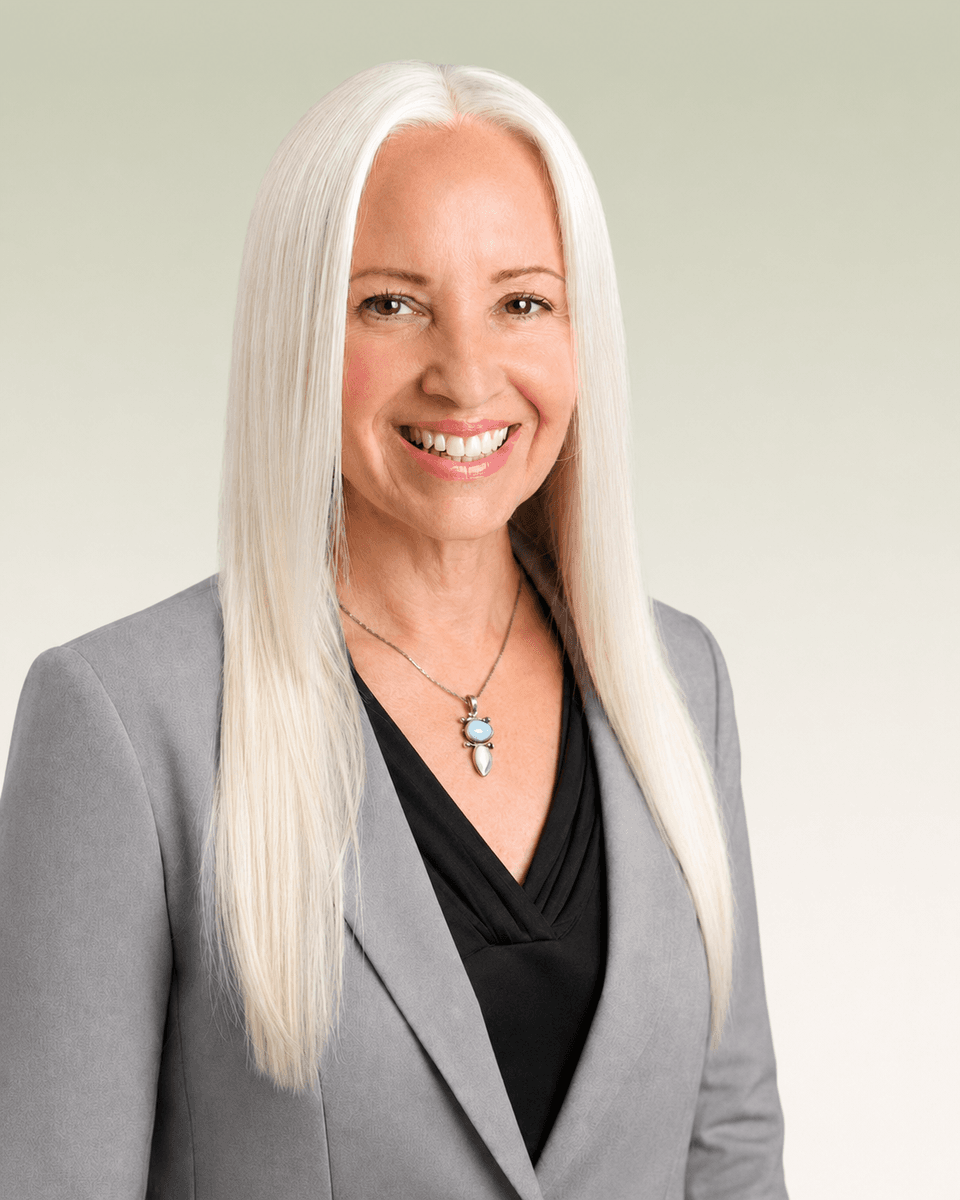
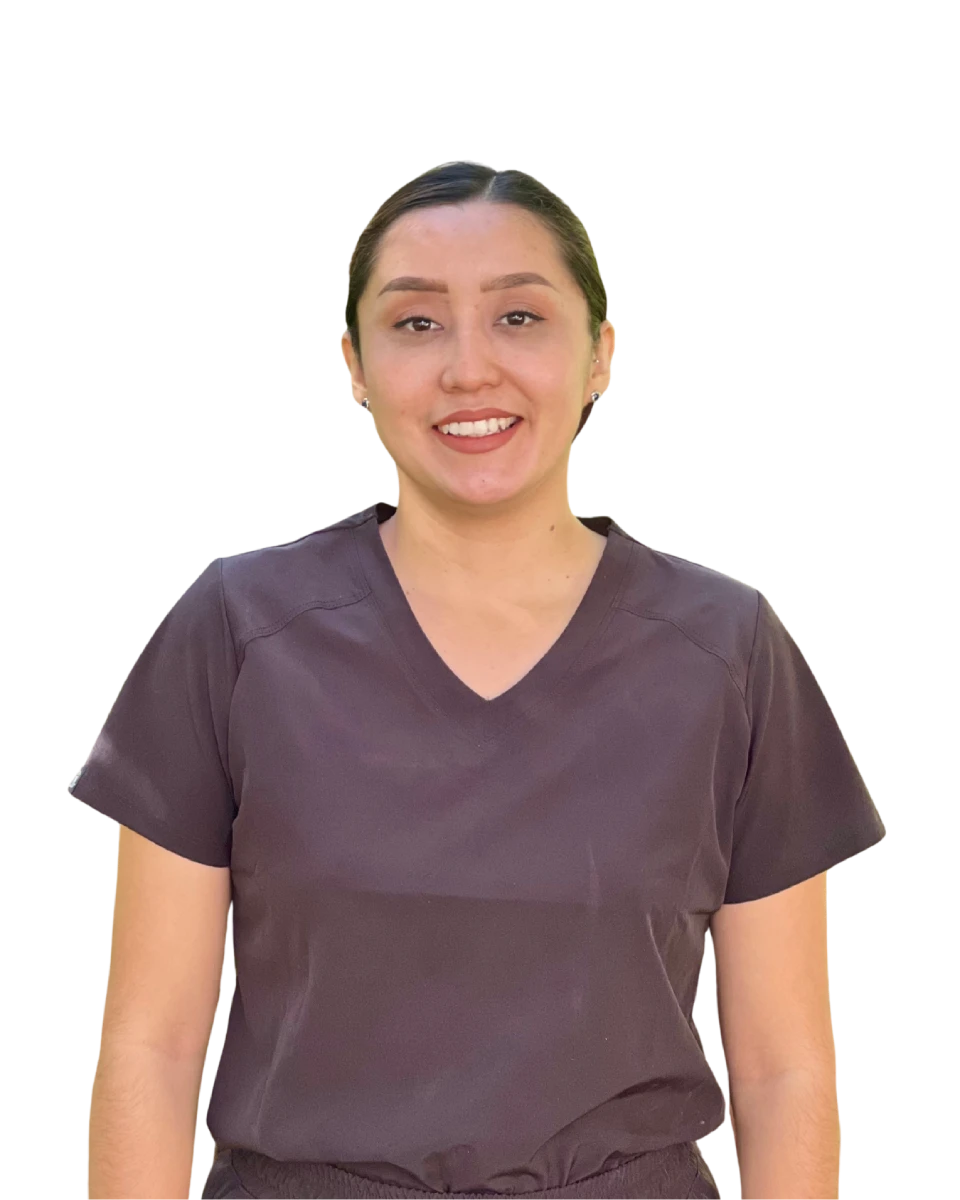
Working alongside him, Dr. Lori Nation Legrand brings more than 20 years in addiction medicine and psychiatry, which matters enormously when someone is transitioning off fentanyl, methadone, Suboxone, benzodiazepines, alcohol, or psychiatric medications. She helps build the individualized medication transition plan long before anyone lands in Cozumel. Our nursing department is led by Head Nurse Luisa, who oversees the 24-hour nursing staff that provides continuous observation, IV therapy, cardiac monitoring, and direct communication with the physicians whenever anything changes.
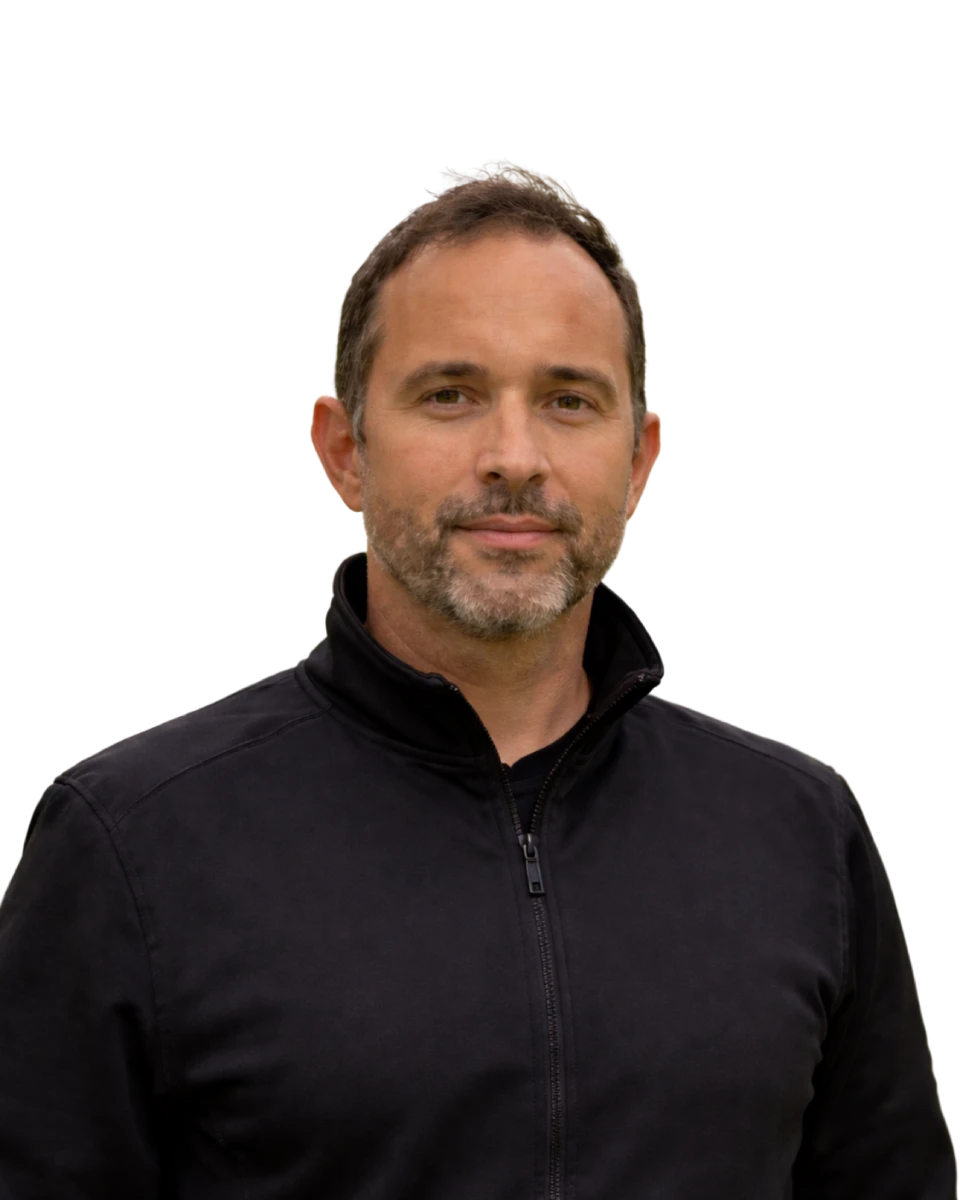
Our integration department is led by Lindsey White, M.Ed., a former psychotherapist who completed advanced psychedelic-integration training through the California Institute of Integral Studies, holds MAPS-informed training and Ketamine-Assisted Psychotherapy certification, and wrote The Crown and the Root, a book about integration after ibogaine and 5-MeO-DMT. Our clinic is licensed through COFEPRIS. Ask any clinic you are considering these same questions, and get every physician’s name. The answers tell you far more than any brochure.
What the Path From Columbus to Cozumel and Back Really Looks Like
The path starts with a free consultation and a detailed medical history review, done weeks before anyone travels. From your home in Columbus, you complete comprehensive pre-arrival screening: complete blood count, metabolic panel, liver and kidney function, electrolytes, and a 12-lead ECG done locally in Ohio. Our U.S.-based physician then runs telehealth consults to build the individualized tapering and preparation plan. Before treatment even begins there are four separate handoffs and six medical check-ins, including three structured integration sessions, a preparation session, and a medical session, so nothing about your loved one is a surprise on arrival.
When your loved one lands in Cozumel, our concierge team meets them at the airport. We repeat everything: a second 12-lead ECG, updated lab results, a urine toxicology screen, and a physician examination, because a test done three weeks ago does not tell us who is in front of us today. This matters most with fentanyl, where someone may have used again, picked up an unknown contaminant, or become dehydrated during withdrawal. Only when the cardiac picture, the electrolytes, the toxicology, and the withdrawal status all line up does the physician give the final go-ahead.
After the flood dose comes the day of rest, with continued cardiac monitoring, hydration, and electrolyte support, then daily psychotherapist sessions, psychospiritual integration, journaling, and nervous-system regulation work like massage, breathwork, and the sweat lodge for those medically cleared. Everyone leaves with a personalized aftercare plan and structured follow-up at one week, one month, three months, six months, and one year. A week in Cozumel does not guarantee protection from fentanyl back in Ohio, which is exactly why the plan for coming home is not optional.
What Happens After People Come Home to Columbus
The honest answer is that long-term recovery depends on what happens after the flood dose, not the flood dose alone. The medicine may open a door for some people, but lasting recovery comes from the choices a person makes once they walk through it. That is why our program is built around long-term integration, not a single week of treatment.
Roughly three of every four opioid clients stay engaged in the weekly post-integration program through the first 12 weeks, and among those who stay engaged we see return-to-use patterns in the first year in about one in four tracked cases. We share those numbers and data plainly because inflated success rates are how desperate families get hurt. We are not looking for a miracle, and we will not sell you one. In summary, ibogaine is not a standalone solution, and every person with a substance use disorder may benefit from continuing support after any medical intervention.
One man’s story illustrates what we are after. When he came to us, opioids had taken over his life and he had lost hope. He completed fentanyl detox, committed to the weekly integration work, and stayed engaged after returning home. Roughly six months later he reports being sober, back to full-time work, and now serves on our own follow-up team, calling other clients in early recovery. Watching someone go from needing help to helping others is what we work toward.
We are not just building a treatment center. We are trying to give each person the safest care and a meaningful opportunity to build a life they no longer feel the need to escape from.
Frequently Asked Questions About Ibogaine for Fentanyl Detox From Columbus
Can I get ibogaine treatment for fentanyl detox in Columbus or anywhere in Ohio?
No. Ibogaine is a Schedule I substance under U.S. federal law and cannot be legally administered as medical treatment anywhere in the United States. Ohio families coordinate everything through our Ohio-based admissions team and travel to our licensed clinic in Cozumel, Mexico. So when you ask whether ibogaine treatment works for fentanyl detox and whether there are clinics near Columbus, the honest answer is that the care is coordinated from Columbus but delivered abroad.
Has ibogaine been used specifically for fentanyl, or only for other opioids?
It has been used as part of fentanyl detox programs, but only after a physician-managed transition to a shorter-acting opioid first. Fentanyl’s high fat solubility, unpredictable washout from tissue, and the depth of physical dependence require medical stabilization before the flood dose is even considered.
What happens if the cardiac screening shows my loved one is not a safe candidate?
If the 12-lead ECG shows a QTc over 460 milliseconds, or lab work reveals electrolyte imbalances that cannot be corrected, treatment does not proceed. Our admissions team then helps coordinate a referral to alternative, evidence-based detox and treatment options. Safety always comes before filling a bed.
How much does treatment cost, and does insurance cover it?
We discuss the full program cost during the free initial consultation. Because ibogaine is not FDA-approved, U.S. health insurance plans do not cover it. Some families use health savings accounts or add financing options.
Does the person have to travel alone, or can a family member come to Cozumel?
A family member or support person can travel to Cozumel and stay nearby during treatment. They are not permitted in the treatment room during the flood dose itself, but our team helps coordinate travel logistics for both the client and any accompanying family.
What if the fentanyl supply is contaminated with xylazine or other substances?
Urine toxicology screening before the flood dose identifies contaminants, including xylazine, which is increasingly present in the illicit fentanyl supply and is not reversed by naloxone because it is not an opioid. Our medical team adjusts the protocol or the timeline whenever that finding requires it, and will decline treatment if safe detox is not possible.
If you are still asking whether ibogaine treatment has been used for fentanyl detox and whether there are clinics near Columbus, call or email the Iboga Wellness Institute Ohio-based admissions team for a free consultation. We will review your loved one’s medical history, walk you through the fentanyl transition protocol in detail, and tell you honestly whether this may be a safe and appropriate option before you make a single travel plan. The most important thing we can give you tonight is the truth, and the truth is that the right next step is a real medical screening, not a plane ticket.
FDA Off-Label Use Disclosure: Spravato (esketamine) is FDA-approved for treatment-resistant depression. Ketamine for other uses is prescribed off-label (outside its original FDA approval) based on clinical judgment. Talk with your medical team to understand whether this treatment is right for you.
Important legal and safety information: Ibogaine is not approved by the FDA and is not available as a legal medical treatment in the United States. Iboga Wellness Institute provides ibogaine treatment exclusively at its licensed medical clinic in Cozumel, Mexico, under medical supervision. US locations handle admissions, screening, and aftercare coordination only.
Take the First Step Toward Fentanyl Recovery
If you’ve been researching ibogaine treatment for fentanyl detox, you likely understand how challenging traditional methods can be. Iboga Wellness Institute offers evidence-based detoxification programs in Columbus designed to address the unique complexities of fentanyl withdrawal. We’re here to answer your questions and discuss whether our approach might be right for your situation.
Individual responses to ibogaine vary widely, and treatment does not guarantee specific outcomes or freedom from substance use. Long-term recovery typically depends on multiple factors including continued support, integration work, and individual commitment to change.