
You are reading the pre-admission packet that arrived after your intake call with Iboga Wellness Institute, and the phrase “medically supervised detoxification” keeps appearing. You need to know what that actually means beyond standard nursing checks, because the person you are trying to help has already been through three inpatient detox programs in Ohio, and none of them stopped the cycle long enough to build a different life. So you are trying to figure out one thing: is this ibogaine program genuinely different, or is it expensive marketing for the same 72-hour withdrawal protocol under a new name?
Here is the honest answer.
Iboga Wellness Institute is an American-owned program that coordinates care from Columbus, Ohio and delivers treatment at a licensed clinic in Cozumel, Mexico. A physician-led ibogaine medical detox program is not a weekend event, and the difference between it and the programs that already failed your loved one is not the marketing. It is what happens in the weeks before dosing, the hours during it, and the months after. This article walks you through exactly what our medical team does, what we screen for, when we refuse to proceed, and what some individuals’ recovery experiences have looked like on the other side.
What Does Medically Supervised Detoxification Actually Mean in Ibogaine Treatment?
In the ibogaine context, medically supervised detoxification is a multi-week, physician-directed protocol that begins 14 to 30 days before the flood dose. It is not a single day of dosing with a nurse watching vitals. That pre-treatment window is where much of the safety work happens, and it is the part most conventional detox pages never describe.
Once you complete intake, our team reviews the full medical record, coordinates physician evaluations, and starts a personalized detoxification and tapering plan. For someone dependent on more than one substance, including alcohol, or someone taking prescribed SSRIs and benzodiazepines, this step is essential. Certain medications interact dangerously with ibogaine, so our physicians work directly with the prescribing providers back home to taper those medications safely over that 14-to-30-day runway. You do not simply stop a benzodiazepine or heavy alcohol use cold, and we do not let anyone try, because unmanaged withdrawal symptoms from those substances can be life-threatening.
The word “supervised” carries real weight in our model. It does not mean a nurse checks a blood pressure cuff and logs a number. It means a physician has to clear every medical finding before treatment moves forward. If a lab value is off, it gets addressed and rechecked. If a medication creates cardiac risk, it gets reviewed and adjusted. Nothing about the process is automatic, and nobody receives a flood dose because they completed an application or booked a flight. Every patient has to earn their way to treatment through objective medical evaluation. That is the line between a genuine medical detox service and a facility that simply borrows the name.
What Cardiac Screening Does a Physician-Led Medical Detox Program Require?
Before any flood dose, we require a comprehensive medical screening built around cardiac safety, because ibogaine can prolong the QT interval and stress the heart. The centerpiece is a 12-lead ECG with corrected QT (QTc) analysis. We target below roughly 450 ms for men and 470 ms for women, and anything over 460 ms is a threshold where we will not proceed.
That screening does not stand alone. Our physicians order full laboratory testing: a complete blood count, a comprehensive metabolic panel, liver and kidney function, and electrolytes. We optimize electrolytes to specific targets, including potassium in the range of 4.2 to 4.8 mmol/L and magnesium of at least 2.0 mg/dL, because depleted electrolytes raise the risk of a dangerous rhythm. IV magnesium is often part of that preparation. When someone’s history suggests possible structural heart disease, such as years of heavy stimulant use, an abnormal ECG, a murmur, or unexplained shortness of breath, we may require an echocardiogram or full cardiology clearance before we make a decision.
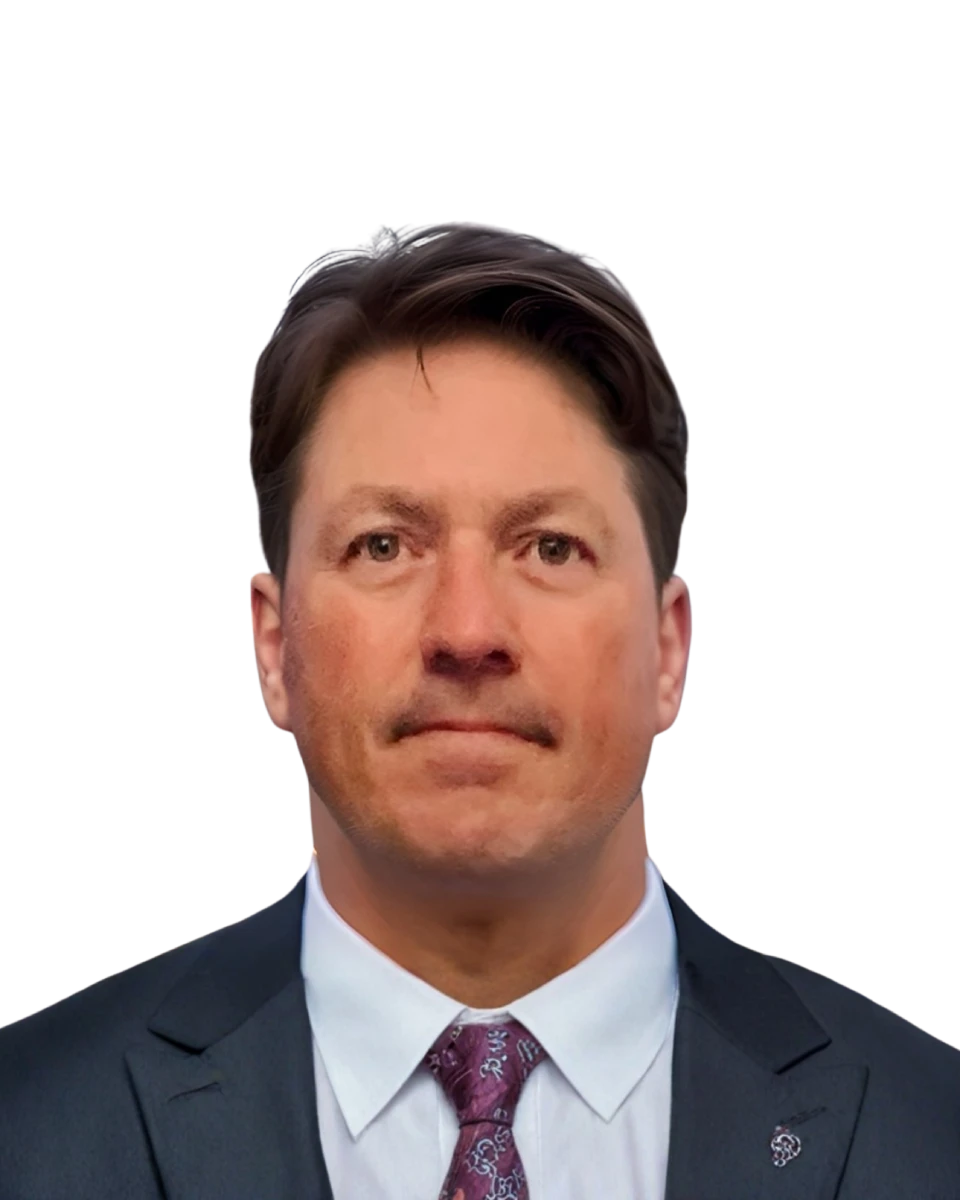
This level of scrutiny exists because of who leads the program. Our Chief Medical Director, Dr. Eduardo Rubio Ruiz, has an extensive background in anesthesiology, airway management, perioperative medicine, and emergency care. Those are precisely the skill sets you want in a setting where the heart has to be watched continuously and decisions sometimes have to be made in seconds. A conventional detox facility does not perform this depth of cardiac work, because it is not administering a substance with ibogaine’s arrhythmia profile. We ask ourselves one question about every candidate: would we trust this with someone we love? If the answer is no, we do not proceed.
What Happens During the 8 to 10 Hour Flood Dose?
The ibogaine flood dose lasts roughly 8 to 10 hours, and for that entire window every patient is on continuous cardiac telemetry so our medical team can watch heart rhythm in real time. Alongside the telemetry, we monitor heart rate, blood pressure, oxygen saturation, respiratory rate, neurological status, hydration, electrolytes, temperature, consciousness, nausea, mobility, and comfort, tracking any emerging symptoms as they appear.
Structure matters here. Medical checkpoints, including vitals and ECG or QT readings, are logged in the patient portal three times per day, and a physician checks in every two to four hours during the experience. Our treatment environment is equipped for what could go wrong: emergency medications, advanced airway equipment, a defibrillator, oxygen delivery systems, IV access, and a fully stocked emergency cart, with clearly defined emergency response protocols and established transfer procedures. We built the medical model around anticipation rather than reaction. The goal is to see a problem forming before it becomes a crisis.
That capability is not theoretical. Consider Jess, whose QTc lengthened during treatment. Because she was on continuous telemetry, the change was caught in real time and corrected with IV magnesium and electrolyte optimization while the physician managed the situation directly. That is the entire point of medical supervision at this level. A nursing-only detox model, checking vitals at intervals, cannot manage a developing arrhythmia the way a physician watching a live rhythm trace can. When someone’s son, daughter, spouse, parent, sibling, or best friend is under that dose, that difference is everything.
How Physicians Decide Whether Treatment Can Proceed or Must Wait
Our physicians decide based on the patient’s physiology on that specific day, not on the schedule. We treat according to physiology, not according to a calendar, and we are completely comfortable postponing or declining a flood dose when the medical picture does not support it.
Some conditions cause us to decline or postpone outright: a prolonged QTc over 460 ms that approaches a danger threshold, structural heart disease, uncontrolled diabetes, significant electrolyte abnormalities that cannot be corrected safely, unstable medical illness, and certain psychiatric conditions that need a different level of care first, such as type 2 bipolar disorder. Other issues are reversible. When someone arrives dehydrated, nutritionally depleted, or with low magnesium or potassium, we pause. The medical team provides IV fluids, nutritional support, and physician-directed electrolyte replacement, reviews medications that may raise cardiac risk, then repeats the labs and ECG. We only move forward when the objective findings confirm it is safe. Sometimes that adds a few hours, sometimes it adds a day or two, and sometimes the answer is that we do not proceed at all.
Substance use gets verified, not assumed. We run two urine drug screens, one at intake and a second immediately before the flood dose. In one case, an individual who was still actively using secretly ingested a narcotic before dosing. When the screening caught it, treatment was halted and the case shifted to emergency medical management. We do not verify by trusting what someone tells us. We verify with the screen. Safety will always come before filling a bed. We would rather lose a patient than compromise our standards.
What Some People’s Recovery Experiences Look Like After Discharge: Structured Integration and Aftercare
Medical supervision does not end when the flood dose does. Every patient leaves with a personalized aftercare plan, and the structured follow-up that begins at discharge is, in our observation, a significant factor in whether recovery from addiction lasts for many individuals. In our program, roughly three out of four people stay engaged in the recommended weekly post-integration program through the first twelve weeks, and among those who stay engaged we observe a first-year return-to-use rate near one in four.
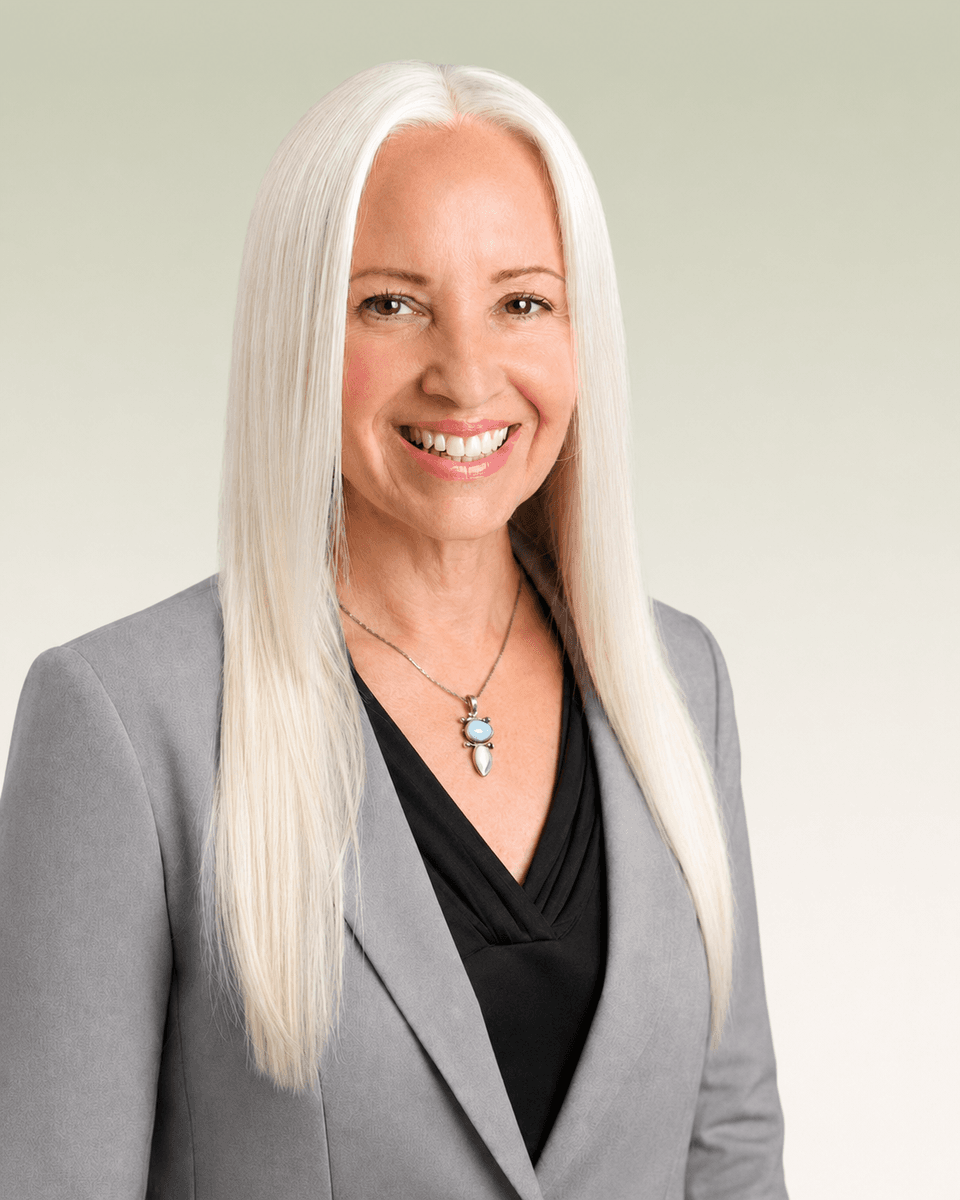
During treatment, every client meets one-on-one with a psychotherapist for about an hour each day. Those sessions are not only about the substance. They start surfacing the trauma, shame, relationship patterns, and beliefs that can fuel the cycle of abuse, so that by treatment day nobody is walking into it cold. After the experience, the focus shifts almost immediately to integration and journaling, building practical routines around sleep, nutrition, movement, relationships, and purpose. That ongoing work is led by our Director of Integration, Lindsey White, author of The Crown and the Root, whose core conviction shapes the whole program: the medicine may open the door, but lasting recovery for many people comes from the choices they make once they walk through it.
Zach’s story shows what that can look like for one person. He came to us carrying opioid dependence layered over years of anxiety and depression. He committed to the preparation and integration work, and he kept doing it after he left. More than seven months later he is sober, back to full-time work as a cook, with rebuilt family relationships and ongoing weekly integration. He describes his experience as the medicine giving him a chance to interrupt the pattern and see a different future, with the lasting change coming from the work he put in afterward. We recognize that each person’s path is different, and we focus on helping someone build a life they may no longer feel the need to escape from. If you are comparing programs, you can cross-check any facility’s aftercare claims against national resources like the SAMHSA treatment locators, which also help you understand coverage options such as insurance and Medicaid.
Why This Program Operates in Mexico and Coordinates From Columbus, Ohio
Ibogaine is a Schedule I substance in the United States and is not approved by the FDA, so medically supervised ibogaine treatment cannot legally happen at any U.S. location. Our treatment is delivered at a licensed medical clinic in Cozumel, Mexico, while our Columbus, Ohio office handles admissions, screening, pre-treatment coordination, and post-discharge integration support.
That structure is a feature, not a workaround. It lets Columbus families work with an American-owned medical detox program that applies the clinical rigor and long-term follow-up they expect, while accessing a treatment modality they cannot obtain legally in Ohio. Because ibogaine is not FDA-approved, families should also understand that it typically falls outside standard insurance and Medicaid coverage, and our admissions team can walk you through the financial planning involved. Your intake call, your medical record review, the 14-to-30-day medication tapering coordination with your prescribing providers, and your weekly integration after you come home are all run from Columbus. Our medical team travels with the patient to Cozumel for the supervised detox itself, so the physicians who screened you are the same people managing your care during the dose.
We are transparent about the legal reality because you deserve it before you spend another dollar or another ounce of hope. Any program telling you it offers legal ibogaine treatment inside the United States is not being honest with you. If you want to verify legitimate treatment options and cross-reference providers, government tools such as FindTreatment.gov can help you compare the broader landscape. We’re not just building a treatment center. We are trying to reach families who have already been let down, and that starts with telling the truth about where and how this care happens.
Common Questions About Physician-Led Ibogaine Detox
What makes medically supervised detoxification different from a standard detox program?
In the ibogaine context it includes 14 to 30 days of pre-treatment physician coordination, cardiac screening with QTc analysis, continuous telemetry during the flood dose, and structured weekly integration for twelve weeks. Those are capabilities a conventional medical detox program does not provide, because it does not administer a substance that requires this level of cardiac oversight.
What medical conditions prevent someone from receiving ibogaine treatment?
We decline or postpone cases with a QTc over 460 ms, structural heart disease, uncontrolled diabetes, type 2 bipolar disorder, and significant electrolyte abnormalities that cannot be corrected before dosing. Unstable medical illness and psychiatric conditions that need a different level of care first are also weighed. The goal is never to make someone fit the treatment. It is to decide whether the treatment fits the individual patient’s health picture.
How long does the actual ibogaine flood dose last, and what happens during it?
The flood dose lasts approximately 8 to 10 hours. Throughout it, the patient is on continuous cardiac telemetry with monitoring of heart rate, blood pressure, oxygen saturation, respiratory rate, neurological status, hydration, electrolytes, temperature, consciousness, nausea, mobility, and comfort, with a physician checking in every two to four hours and checkpoints logged three times per day.
What do the outcomes look like for people who complete ibogaine treatment?
Among patients who stay engaged in the weekly post-integration program through the first twelve weeks, we observe a first-year return-to-use rate near one in four, though individual responses vary widely and depend on many factors beyond the medicine itself. Those experiences are shaped by the daily psychotherapist sessions during treatment and the structured follow-up led by our Director of Integration, not by the medicine alone.
Why does the program operate in Mexico if the company is based in Columbus, Ohio?
Ibogaine is a U.S. Schedule I substance and is not FDA-approved, so medically supervised ibogaine treatment happens at the licensed medical clinic in Cozumel, Mexico. The Columbus office handles admissions, screening, pre-treatment coordination, and post-discharge integration support, and the medical team travels with the patient for the supervised detox.
What happens if screening reveals a heart rhythm problem or low electrolytes?
Our physicians pause treatment, administer IV fluids and electrolyte replacement, repeat the ECGs and labs, and only proceed when objective findings confirm safety. If the concern is not reversible, we postpone or decline. We treat according to physiology, not according to a schedule.
Call the Columbus, Ohio admissions team at Iboga Wellness Institute to schedule your pre-admission medical screening and find out whether a medically supervised ibogaine medical detox program may be a safe and appropriate option for you or your family member. Bring your loved one’s current medication list and any recent ECG or lab results to that first call, because the sooner our physicians can start the 14-to-30-day coordination window, the safer and more thorough the preparation will be.
Important legal and safety information: Ibogaine is not approved by the FDA and is not available as a legal medical treatment in the United States. Iboga Wellness Institute provides ibogaine treatment exclusively at its licensed medical clinic in Cozumel, Mexico, under medical supervision. US locations handle admissions, screening, and aftercare coordination only.
Take the First Step Toward Recovery with Professional Support
If you’ve been struggling with substance use and feel uncertain about what medical detox truly involves, you’re not alone in having questions. The Iboga Wellness Institute team understands that choosing physician-supervised treatment is a significant decision, and we’re here to provide clarity and compassionate care. Reach out today to speak with our Columbus team about how our medically supervised detoxification program can support your path forward.
Individual responses to ibogaine treatment vary considerably based on medical history, substance use patterns, psychiatric factors, engagement with aftercare, and many other variables that differ from person to person.