The Medical Conditions Ibogaine Program at Iboga Wellness Institute
You called expecting to book ibogaine treatment for Parkinson’s symptoms or chronic pain, and the intake coordinator asked whether you have had a 12-lead ECG in the past 30 days and what your last potassium level was. If your next thought was “I thought this was alternative medicine, so why does it sound like cardiology,” that confusion is actually the first good sign that you have found a medically serious program. The medical conditions ibogaine program at Iboga Wellness Institute is built around that exact reality: your physiology decides whether you can be treated, long before anyone talks about a dose or a date on the calendar.
Most sites you have read lead with the name of a condition and a promise. This one leads with a question we ask ourselves about every person who inquires: would we trust this with someone we love? If the honest answer is no, we say no.
Safety will always come before filling a bed.
What the Medical Conditions Ibogaine Program Actually Treats, and How It Decides Who Qualifies
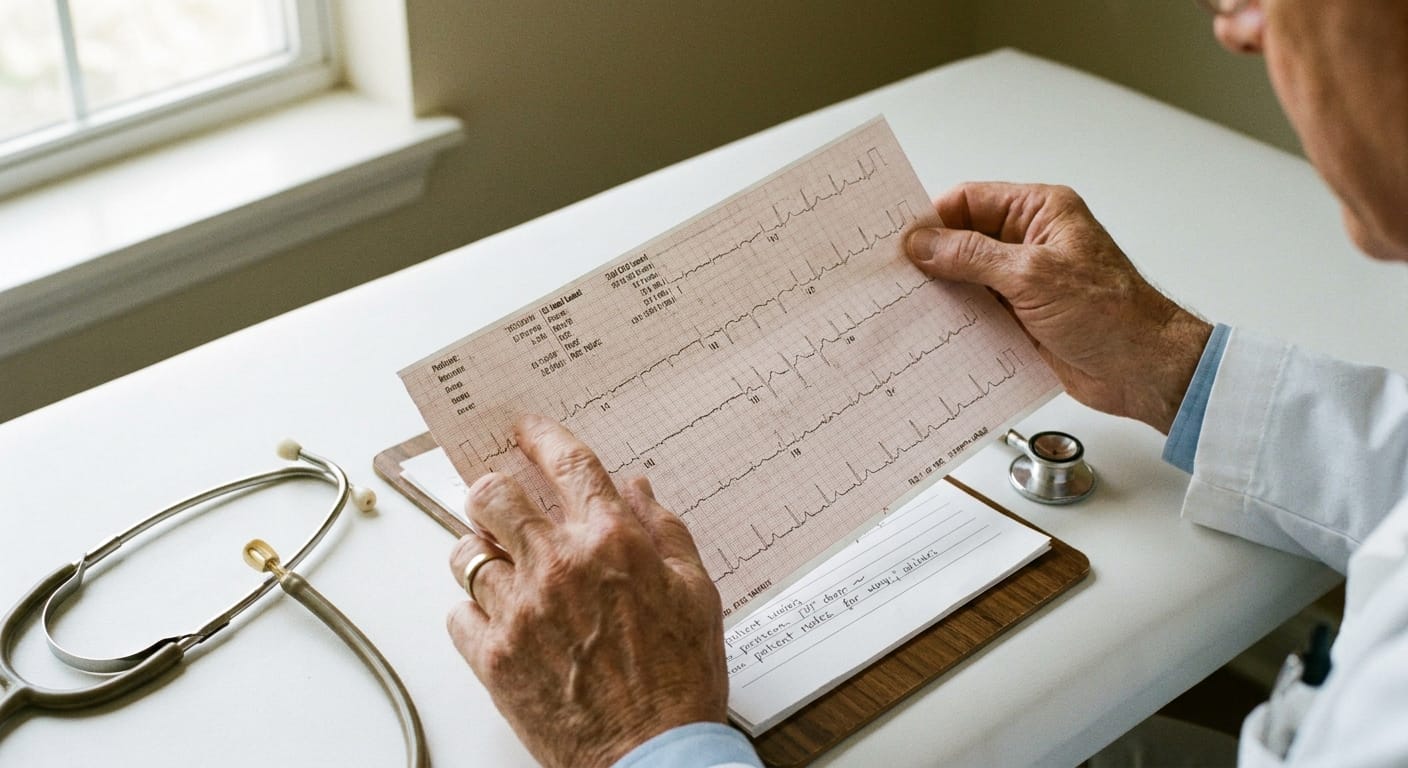
Medical screening determines acceptance, not the diagnosis on your paperwork and not your ability to pay. Before any acceptance decision, physicians evaluate your 12-lead ECG and QTc interval, your electrolytes, and your liver and kidney function, along with any sign of structural heart disease.
Here is what that means in plain terms. When you reach out about a condition like Parkinson’s, a mental health condition such as treatment-resistant depression, or the aftermath of a traumatic brain injury, the program is not accepting your diagnosis as a green light. It is asking whether your heart, your blood chemistry, and your organ function can safely tolerate ibogaine at all. Those are two different questions, and confusing them is how less careful providers get people hurt.
A physician reviews your cardiac rhythm and QTc interval, targeting below roughly 450 milliseconds in men and 470 in women, with a QTc over 460 milliseconds as the hard threshold where treatment does not proceed. Your electrolytes get read against real targets: potassium between 4.2 and 4.8 mmol/L and magnesium at least 2.0 mg/dL. If there is significant structural heart disease, an uncontrolled arrhythmia, or prolonged QT syndrome, an echocardiogram or full cardiology clearance may be required before anyone goes further.
One more thing matters here, and it is a geographic reality, not a preference. Ibogaine is a Schedule I drug in the United States and is not FDA-approved, so it cannot be legally administered in any state, including Ohio. The Columbus office coordinates admissions, screening, and aftercare. All ibogaine treatment in the medical conditions ibogaine program happens at the licensed medical clinic in Cozumel, Mexico. We would rather tell you that plainly now than let you assume your loved one gets treated down the street.
Why This Program Uses Microdosing Instead of a Flood Dose for Medical Conditions
For a person with a medical condition like Parkinson’s, the program uses a microdosing protocol given twice a day and dosed by milligrams per kilogram of body weight, rather than the single full flood dose used in addiction work. These are physiologically different interventions, not the same dose handed to different diagnoses.
The distinction is easy to miss, so let it land. In addiction work, a full flood dose is a large, single, carefully monitored administration meant to interrupt active dependence and blunt acute withdrawal over a long session. That is the right tool for that job. For a person living with Parkinson’s, the goal is different, so the tool is different. The measurable target here is a reduction in anxiety and depression. One patient in this protocol reported their symptoms dropping from very heavy to light-to-moderate levels. That shift happened gradually and cumulatively, achieved through small doses given twice daily over time rather than one dramatic session.
Early clinical research on ibogaine and related compounds has focused heavily on mood, mental health, neural recovery, and substance use disorders, and a Stanford Medicine study reported meaningful improvement in mood and function among veterans treated for traumatic brain injury, which is one reason careful, individualized dosing matters so much for medical-condition cases.
We say this openly because the medicine may open the door, but lasting recovery comes from the choices a person makes once they walk through it. A microdosing protocol is not a guaranteed path to symptom relief. It is a measured, repeated intervention supported by daily clinical work, and it asks patience of the patient and the family both, with response varying significantly from person to person.
The Screening That Stops Treatment Before It Turns Dangerous
The screening does not end when you are cleared before arrival. Physicians repeat a 12-lead ECG on arrival, run updated labs and urine toxicology, examine you again, and then repeat the ECG one more time immediately before dosing, because your physiology can change between the day you were cleared and the morning you are dosed.
Two real cases show why that repetition is not paperwork. One client we treated looked like an appropriate candidate on his pre-arrival records and ECG, but the standard here is to repeat a 12-lead ECG immediately before treatment no matter what earlier testing showed. On the morning of his scheduled flood dose, that repeat ECG revealed a new-onset arrhythmia that was not present in his earlier tracing. The physician paused treatment on the spot and referred him for further medical evaluation instead of proceeding. A provider leaning only on outside testing done days earlier could have missed that change entirely.
Another patient’s case is the other side of the same discipline. During treatment, her QTc kept lengthening beyond the comfortable range. The team paused, gave IV magnesium, verified her potassium, and did not resume until the numbers improved, catching the risk before a dangerous arrhythmia could develop.
Those targets are not vague. Potassium is held to 4.2 to 4.8 mmol/L, magnesium to at least 2.0 mg/dL, and a QTc over 460 milliseconds is a firm no-go. Independent reviews of ibogaine’s use in opioid detoxification have flagged cardiac events as the central safety concern, which is exactly why published safety analyses of ibogaine detoxification emphasize continuous cardiac monitoring rather than a single advance clearance. We would rather lose a patient to a cautious “not today” than compromise the standard that keeps them alive.
How Dose and Approach Follow Your Physiology, Not Your Diagnosis
The medical team decides your dose and approach individually, following your physiology rather than a fixed protocol tied to your diagnosis. The same condition in two people can lead to two different plans, because their hearts, their labs, and their medications are different.
That is why the medical conditions ibogaine program looks different from case to case. Addiction cases use a full flood dose. People living with Parkinson’s use the twice-daily microdosing protocol dosed by milligrams per kilogram. For stimulant dependence and stimulant abuse, ibogaine acts on the neurotransmitter systems tied to craving and mood rather than interrupting a physical dependence the body does not build the same way. For opioid use disorder, it interrupts active dependence and eases acute withdrawal. For alcohol, detox and thorough liver and cardiac screening gate whether treatment can happen at all.
The two biggest deciding factors across all of these are the medical screening results (the 12-lead ECG, QTc, and bloodwork) and whether the person can be safely titrated off their current medications, weighed against their whole medical history. When 5-MeO-DMT is appropriate, it is offered only as a separate add-on after ibogaine, decided one person at a time.
Every acceptance and every dosing decision is made by the medical team, not by admissions. The team pauses, delays, or stops whenever that is the safest call. This is not a program that treats a person as accepted the moment their payment clears. Physicians evaluate cardiac function, electrolytes, and organ status, never ability to pay.
Why Daily Psychotherapy Is Part of the Protocol, Not an Optional Extra
Daily psychotherapy, roughly one hour a day with a staff psychotherapist, is built into the microdosing protocol because gradual progress is emotionally hard to sit with. It is medical and behavioral care, not a spa amenity.
Picture the setting honestly. A person with Parkinson’s on a microdosing protocol is working toward measurable but slow changes in anxiety and depression, the kind that may move from very heavy to light-to-moderate over days for some patients, though the timeline and degree of change differs significantly from person to person. Meanwhile, in the same clinic, flood-dose clients may describe dramatic shifts in a single session. It is human to watch that and feel discouraged, to wonder why your own change is quieter. Left alone, that discouragement can pull a person out of the very protocol that may be working for them. The daily psychotherapist sessions exist to hold realistic expectations steady, to name the progress that is real when it happens even when it is gradual, and to keep a patient engaged and supported without overselling what the medicine can do.
We are not looking for guaranteed relief. We are building something a person can actually live inside once they go home: relationships that hold, purpose that returns, and health that may be genuinely better than it was. That takes the medicine and the daily work together.
What Happens in Columbus, What Happens in Cozumel, and Why the Geography Is Not Optional
The Columbus, Ohio office handles admissions, medical screening coordination, and aftercare planning and support. Every ibogaine administration in the medical conditions ibogaine program happens at the licensed medical clinic in Cozumel, Mexico. Your loved one travels because United States law requires it, not because of cost or convenience.
This is worth stating without any softening. Ibogaine is a Schedule I drug and is not FDA-approved in the United States, which means it cannot be legally administered as medical treatment in Ohio or any other state in the country. No credible provider can offer it inside the US, and any that claims to should end your search immediately. So the work is split by law. From Columbus, the team gathers your medical history, coordinates your 12-lead ECG and labs, reviews your medications, and helps plan the aftercare and community support that begins the day treatment ends. In Cozumel, the licensed clinic delivers the screening repeats, the continuous cardiac monitoring, the physician-led dosing, and the daily psychotherapy.
For a Columbus-area family, that means the person you are trying to help will get on a plane. We understand how that lands when you are already scared and tired. It is a legal reality of a Schedule I medicine, and we would rather be honest about it up front than let you discover it after you have gotten your hopes set on staying close to home.
Frequently Asked Questions
Does Iboga Wellness Institute treat Parkinson’s disease with ibogaine?
The program treats people with Parkinson’s who pass medical screening, using a twice-daily microdosing protocol aimed at addressing anxiety and depression, not at curing the Parkinson’s diagnosis itself. One patient in this protocol reported those symptoms dropping from very heavy to light-to-moderate levels, though individual response varies significantly.
What medical tests do I need before ibogaine treatment for a medical condition?
You need a 12-lead ECG, a comprehensive metabolic panel, liver and kidney function testing, a complete blood count, and electrolytes including potassium and magnesium. If there is any structural heart concern, an echocardiogram or cardiology clearance may also be required.
Can I get ibogaine treatment in Columbus, Ohio?
No. Ibogaine is a US Schedule I substance and cannot be legally administered in any state. The Columbus office coordinates admissions, screening, and aftercare, while all treatment happens at the licensed medical clinic in Cozumel, Mexico.
What happens if my tests show I am not safe for ibogaine?
The medical team declines treatment or pauses it until your physiology improves. Examples that stop treatment include a QTc over 460 milliseconds, low potassium or magnesium, a new arrhythmia, or structural heart disease.
Is ibogaine for medical conditions the same as ibogaine for addiction?
No. Addiction work typically uses a single flood dose, while medical conditions like Parkinson’s use a twice-daily microdosing protocol dosed by milligrams per kilogram, with different physiological targets.
Do I have to pay before I know if I am medically approved?
Medical screening determines acceptance before any financial commitment. Physicians evaluate your cardiac function, electrolytes, and liver and kidney status, not your ability to pay.
Contact Iboga Wellness Institute’s Columbus admissions office to begin the medical screening process and find out whether your physiology qualifies you for the medical conditions ibogaine program at the Cozumel clinic. That first talk is about your ECG, your labs, and your safety, and it is the honest place to start.
Important legal and safety information: Ibogaine is not approved by the FDA and is not available as a legal medical treatment in the United States. Iboga Wellness Institute provides ibogaine treatment exclusively at its licensed medical clinic in Cozumel, Mexico, under medical supervision. US locations handle admissions, screening, and aftercare coordination only.
Ready to Explore Whether Ibogaine Treatment Is Right for You?
If you’ve been searching for an approach that addresses the root causes of your condition rather than just managing symptoms, you’re asking the right questions. Our team in Columbus can walk you through what happens at our Cozumel clinic, answer your medical eligibility questions, and help you understand what to expect from the evaluation process. You don’t need all the answers before reaching out,that’s what this conversation is for.
Individual responses to ibogaine vary considerably. The experiences described here reflect individual cases and do not represent a typical or expected outcome for any particular person.