What’s the Difference Between Ibogaine Therapy and Traditional Rehab for Alcohol Addiction?
You drove your daughter to a 28-day inpatient program, sat through family weekend, watched her complete the step work, and three weeks after discharge she was drinking again. Now you are reading about ibogaine and trying to figure out whether this is truly different from what already failed, or just another version of rehab wearing a new name. So here is the honest place to start: what’s the difference between ibogaine therapy and traditional rehab for alcohol addiction, and does that difference actually matter for someone the standard model has already let down? At Iboga Wellness Institute, which provides ibogaine treatment at its licensed medical clinic in Cozumel, Mexico, with a corporate office in Columbus, Ohio, this is the question we help families work through every day.
The short answer is that they are two different kinds of intervention. One is a physician-directed medical session that acts on brain chemistry. The other is a multi-week behavioral program that teaches skills.
Both approaches have helped some people and proven insufficient for others, and individual responses vary widely.
But they are not the same tool, and the reason your daughter relapsed may have as much to do with which tool she was handed as with anything she did or failed to do.
What’s the Difference Between Ibogaine Therapy and Traditional Rehab for Alcohol Addiction on the Calendar?
Traditional alcohol rehab runs on a calendar. Ibogaine runs on a single supervised session. That is the first and most concrete difference between them.
Most conventional programs are built around a 28-day or 90-day timeline. Your daughter’s days there were structured around group therapy, one-on-one counseling, 12-step meetings, education about triggers, and relapse-prevention planning. That structure has real value, and for some people it provides meaningful support. The model assumes recovery is learned over weeks: you practice new habits, you build a support network, and you leave with a discharge plan you carry into the world.
Ibogaine does not follow that shape at all. After medical stabilization and full screening, treatment for alcohol dependence uses a single ibogaine flood dose administered in one supervised session. The active effects typically last 12 to 24 hours, and the medical team continues continuous cardiac monitoring for another 24 to 72 hours afterward, because noribogaine (the compound ibogaine converts into in the body) has a long half-life and cardiac effects can arrive late. There is no month-long class schedule. There is one medically intense event, surrounded by preparation before and integration after.
That is why comparing the two by “how long is the program” misses the point. A flood dose is not a compressed version of rehab. It is a different mechanism entirely, and the days that matter most are the hours in that room and the weeks of psychological work that follow once your daughter is home.
Does Ibogaine Change Brain Chemistry the Way Traditional Rehab Cannot?
Ibogaine acts directly on the brain systems that drive alcohol craving. Traditional rehab does not change brain chemistry at all: it teaches you to manage cravings that remain biologically intact. That is the core biological divide between the two approaches.
Alcohol dependence lives partly in neurotransmitter systems, including the serotonin, dopamine, and glutamate pathways tied to reward and compulsion. Ibogaine and noribogaine interact with these systems, and researchers studying ibogaine and noribogaine in the treatment of substance use disorders describe how the compounds act across multiple receptor targets rather than a single one. Some people who complete a flood dose describe a marked drop in the physical pull toward the substance, a kind of reset in the craving signal itself, though responses to treatment vary from person to person. This is what some people mean when they say ibogaine interrupts the cycle at the biological level.
Traditional rehab works from a different assumption. It treats the person as neurologically stable and teaches behavioral strategies: how to sit with a craving, how to avoid high-risk situations, how to reach for a phone instead of a bottle. Those are genuinely important skills. But if the craving itself is still firing at full strength, the person is being asked to out-willpower their own neurochemistry, day after day, often for the rest of their life. For someone who has relapsed repeatedly despite doing the work, that gap is worth understanding.
We want to be careful here, because the research is still developing, and a systematic review of clinical trials shows the evidence base is real but early. The medicine may open the door for some patients, but lasting recovery comes from the choices a person makes once they walk through it, and individual outcomes depend on many factors beyond any single treatment. What ibogaine may do for some individuals is quiet the biology long enough that the psychological work actually has a chance to land.
What Medical Screening Does Ibogaine Require That Rehab Does Not?
Ibogaine requires mandatory cardiac and liver screening with hard medical exclusions before treatment can proceed. Traditional rehab assumes you arrive medically stable and screens mainly for withdrawal risk. This is one of the most important safety differences a family can verify.
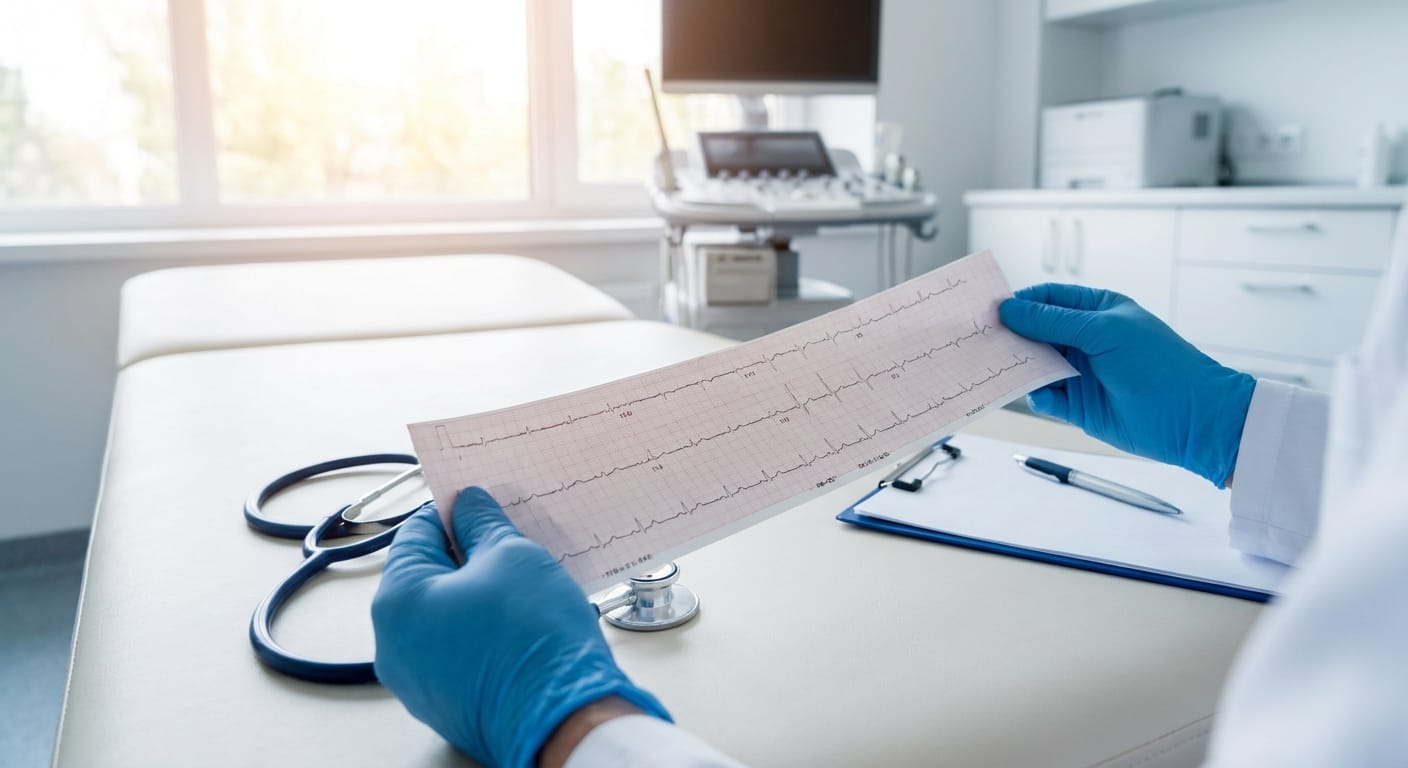
At Iboga Wellness Institute, before anyone is cleared, we require a 12-lead ECG with QTc analysis. A QTc reading over 460 ms is a hard line where we will not proceed, read with sex adjustment and confirmed on a repeat ECG right before dosing. We require a full electrolyte panel, with potassium in the 4.2 to 4.8 mmol/L range and magnesium at least 2.0 mg/dL, corrected with IV magnesium first if the levels are low. We run comprehensive bloodwork including liver enzymes, because ibogaine is cleared by the liver, and severe impairment such as cirrhosis lets the medicine build up. Traditional detox screens for withdrawal seizures and delirium tremens, which matters, but it does not require cardiac telemetry or electrolyte titration before admission.
This is not a checkbox. It is a decision-making function, and sometimes the decision is no.
Consider one patient, who arrived with pre-treatment records and an ECG that made him look like an appropriate candidate. Following our standard protocol of repeating a 12-lead ECG the morning of the flood dose, the repeat showed a significant change: a new-onset arrhythmia. The physician paused treatment immediately and referred him for further cardiac evaluation instead of proceeding. In another case, full history and cardiac screening revealed a significant underlying structural heart abnormality, more serious than we had first been told, which changed the question from how to make ibogaine happen to whether the person should receive it at all.
An approach without repeat screening and physician review would have gone forward in both cases. We did not, because safety will always come before filling a bed. We would rather decline a patient than compromise our standards. The question we ask before every treatment is simple: would we trust this with someone we love?
Why Ibogaine Cannot Be Given During Active Alcohol Withdrawal
Ibogaine is never administered while someone is still drinking or in acute alcohol withdrawal. Medical stabilization must come first. This is a firm rule, and it separates alcohol cases from the way ibogaine is often discussed for opioids.
Alcohol withdrawal carries its own serious dangers, including seizures and delirium tremens, which can be life-threatening if they are not managed properly. Acute alcohol withdrawal is a medical event that requires careful supervision, and if your daughter is drinking heavily right now, the first priority is safe stabilization, not ibogaine. That may mean medically supervised detox and medication tapering before ibogaine ever enters the conversation. If you are in that acute stage today, the free and confidential SAMHSA National Helpline can connect you to immediate detox resources while you plan the next step.
The stabilization window is not a fixed number of days. Our medical team sets it individually, based on drinking history, how the withdrawal is presenting, and the person’s liver and cardiac status. Two people with the same diagnosis can need very different timelines. Liver enzymes such as AST, ALT, and bilirubin are mandatory pre-treatment labs precisely because ibogaine is liver-metabolized, and the exclusion decision is a whole-picture clinical judgment rather than a single lab value.
A history of complicated withdrawal, including past delirium tremens or seizures, does not automatically disqualify someone. It shapes the screening and stabilization plan, assessed case by case. This is where alcohol is genuinely distinct from opioid cases, and where content that treats every substance the same gets it wrong. We treat according to physiology, not a calendar, and with alcohol the physiology deserves extra respect.
Who Is Actually in the Room During Treatment?
During an ibogaine session there are ICU-trained nurses at the bedside, continuous cardiac telemetry, and a physician making decisions in real time. In traditional rehab, daily care is delivered by counselors and social workers, with a doctor consulting on a scheduled basis rather than directing the session. That difference in staffing is not a detail. It is the whole reason the medical model exists.
Because ibogaine carries real cardiac risk, including QT prolongation and the rare but serious arrhythmia known as Torsades de Pointes, the monitoring during and after a flood dose is intensive. Continuous telemetry runs throughout the active session, ICU-trained nurses stay at the bedside, and monitoring continues for at least 24 to 72 hours afterward, because noribogaine’s long half-life means cardiac effects can be delayed. Clinical decisions are made by physicians in the moment, not deferred to a weekly check-in.
Medical oversight at Iboga Wellness Institute is provided by Dr. Eduardo Rubio, an anesthesiologist and our Chief Medical Director, and Dr. Lori Nation, who brings more than two decades of experience in addiction medicine and psychiatry. That combination matters: an anesthesiologist understands how the body responds under close physiological monitoring, and an addiction psychiatrist understands the person underneath the substance use. When a reading changes on the monitor, someone qualified to interpret it is standing right there.
Traditional rehab does not need this level of medical intensity because it is not administering a substance with cardiac risk. That is exactly the point. The two models require different rooms because they are doing different things. If a program offers ibogaine but describes its supervision the way a rehab describes its counseling staff, that is a warning sign worth asking hard questions about.
What Happens After Treatment: Integration Versus a Discharge Plan?
Traditional rehab ends with a discharge plan and perhaps a weekly aftercare group. Ibogaine treatment requires structured psychological integration to turn the neurological reset into lasting change, though individual outcomes depend on the work each person does and many other factors. Both care about what happens next, but ibogaine treats the aftermath as clinical work, not paperwork.
The reason is straightforward. If ibogaine quiets the craving and creates a window of clarity for some individuals, that window may close unless the person does something with it. This is why we say the medicine may open the door for some patients, but lasting recovery comes from the choices a person makes once they walk through it. A change in brain chemistry does not automatically rebuild a marriage, repair a career, or replace the reasons someone was drinking. Psychological work does that.
Our integration program is led by licensed mental health professionals, including clinical psychologists, LMFTs, LCSWs, and certified addiction professionals, some with psychedelic-assisted therapy training. It is directed by Lindsey White, author of The Crown and the Root, a book on ibogaine and 5-MeO-DMT integration. The goal is not a spa weekend. It is real clinical work aimed at helping someone build a life they no longer feel the need to escape from.
For your family, this means the treatment does not stop when your daughter leaves the clinic. There is preparation before, the medical session itself, and then ongoing integration and follow-up once she is home. That continuity is what may help turn a single powerful experience into sustained sobriety for some patients, and it is the part of the process a purely medical or purely retreat model tends to shortchange.
Is Ibogaine Legal in the United States, and Where Does Treatment Actually Happen?
Ibogaine is a Schedule I controlled substance in the United States and is not FDA-approved, so it cannot legally be administered at any US facility. All ibogaine treatment provided by Iboga Wellness Institute happens exclusively at our licensed medical clinic in Cozumel, Mexico. Traditional alcohol rehab, by contrast, is fully legal, licensed, and often insurance-covered inside the US.
This is the legal reality no family should learn late. Ibogaine appears on the US Drug Enforcement Administration’s Schedule I list, and no US state offers it as a legal medical treatment. Our Cozumel clinic operates within the Mexican healthcare system. That is where the medical screening, the flood dose, and the immediate post-dose monitoring take place.
Columbus, Ohio is our corporate office for admissions, screening coordination, and aftercare planning only. No ibogaine treatment happens in Ohio or anywhere in the US. For a Columbus-area family, choosing ibogaine means two things happening in two places: the pre-treatment preparation and the aftercare relationship run through the Columbus team, and the medical session itself requires travel to Cozumel. Ibogaine is not FDA-approved, its research base is still developing, and you deserve to weigh that openly rather than have it glossed over.
We are not just building a treatment center. We are asking whether ibogaine is a medically appropriate option for a real person, someone’s son, daughter, spouse, parent, sibling, or best friend, and sometimes the honest answer is no. That honesty is the whole point of the screening, and it is a large part of what’s the difference between ibogaine therapy and traditional rehab for alcohol addiction when you look past the marketing.
Frequently Asked Questions
Can ibogaine be administered in the United States, or do I have to travel to Mexico?
Ibogaine is a Schedule I controlled substance in the United States and cannot legally be administered at any US facility. All treatment provided by Iboga Wellness Institute happens at the licensed clinic in Cozumel, Mexico, while the Columbus office handles admissions, screening, and aftercare coordination.
How long does ibogaine treatment take compared to a 28-day rehab program?
Ibogaine is a single supervised medical session with roughly 12 to 24 hours of active effects, followed by 24 to 72 hours of continued cardiac monitoring. It is not a weeks-long behavioral program like a 28-day or 90-day rehab, though preparation before and integration after extend the full process.
What medical tests are required before ibogaine treatment for alcohol addiction?
Pre-treatment screening includes a 12-lead ECG with QTc analysis, a full electrolyte panel requiring specific potassium and magnesium levels with IV correction, and liver function testing. These are required because ibogaine carries cardiac risk and is metabolized by the liver.
Can someone receive ibogaine while still drinking or in alcohol withdrawal?
No. Ibogaine is never given during active drinking or acute alcohol withdrawal. Medical stabilization must come first, and the timing is set individually based on withdrawal presentation, liver status, and cardiac health, with no fixed timeline.
Does ibogaine treatment include aftercare like traditional rehab does?
Yes. Treatment includes structured integration led by licensed psychologists, LMFTs, LCSWs, and certified addiction professionals, because the neurological reset requires psychological work to translate into lasting recovery, though outcomes vary based on each person’s commitment and circumstances.
Who should not receive ibogaine treatment for alcohol use disorder?
Hard exclusions include a QTc over 460 ms on ECG, certain structural heart conditions, severe liver impairment that changes how the body clears ibogaine, and electrolyte imbalances that cannot be corrected. Every screening decision is made case by case by the medical team.
Contact the Iboga Wellness Institute admissions team in Columbus to begin pre-treatment screening, review your daughter’s medical history with the clinical team, and determine whether ibogaine is a medically appropriate option given her cardiac and liver health, withdrawal history, and prior treatment attempts. The first step is a conversation, not a commitment, and if the screening tells us ibogaine is not safe for her, we will tell you that directly.
Important legal and safety information: Ibogaine is not approved by the FDA and is not available as a legal medical treatment in the United States. Iboga Wellness Institute provides ibogaine treatment exclusively at its licensed medical clinic in Cozumel, Mexico, under medical supervision. US locations handle admissions, screening, and aftercare coordination only.
Ready to Learn More About Your Options?
If you’ve been weighing ibogaine therapy against traditional rehab and still have questions about which path might work for your situation, our admissions team can walk you through what treatment at our Cozumel clinic looks like in practice. We understand that choosing an approach for alcohol addiction means considering your history, your goals, and what feels right for you.
Individual responses to ibogaine treatment vary. Outcomes depend on many factors including medical history, substance use patterns, psychological work, and ongoing support.