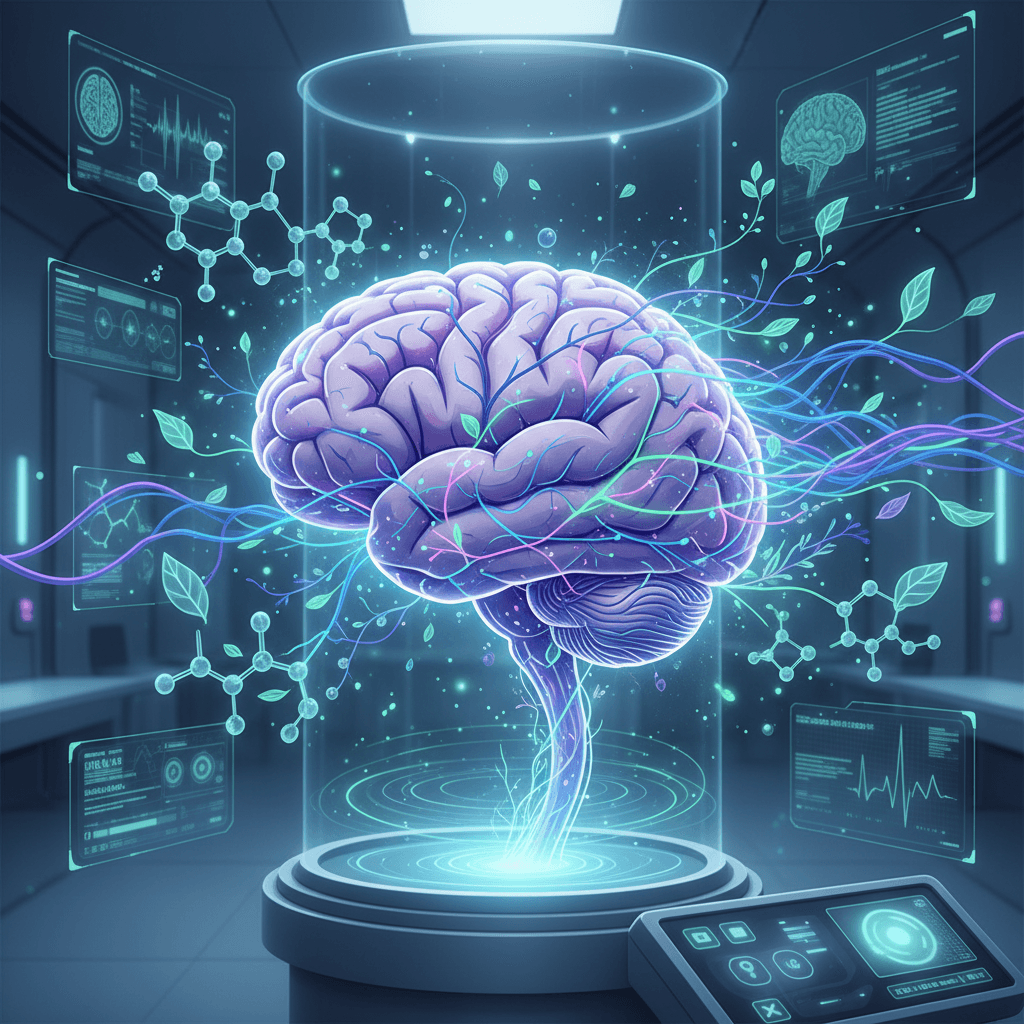
Ibogaine brain reset therapy is often described as a “hard reboot” for your nervous system. From a neuroscience perspective, that is an oversimplification. However, emerging research suggests that ibogaine may trigger a concentrated window of neuroplasticity, alter reward circuitry, and rapidly shift entrenched patterns of mood, craving, and cognition in ways that are unusual compared to conventional treatments.
If you are a biohacker, founder, or performance‑driven professional looking at ibogaine as a potential brain optimization tool, it is essential to separate hype from what the science currently supports. You also need to understand the very real medical risks and why this is not a do‑it‑yourself “brain hack.”
This overview walks you through how ibogaine brain reset therapy may work, what current neuroscience tells you about its effects, and what questions still remain.
Understanding ibogaine as a brain intervention
Ibogaine is an indole alkaloid derived from the West African shrub Tabernanthe iboga. Traditional use in Bwiti ceremonies involves lower doses for spiritual purposes. In contrast, modern ibogaine brain reset therapy generally means a single, high‑dose, medically supervised session aimed at rapidly interrupting addiction or severe psychological distress.
From a systems perspective, ibogaine is not a clean, single‑target compound. It interacts with several neurotransmitter systems at once, including:
- Serotonin transporters
- Dopamine and glutamate pathways
- NMDA receptors
- Opioid receptors
This polypharmacology is part of what makes ibogaine interesting and potentially powerful. It is also what makes safety more complex and why you see both promising outcomes and serious adverse event reports in the literature [1].
When people talk about ibogaine as a “brain reset,” they are usually referring to three broad effects:
- Rapid reduction of withdrawal and craving in substance dependence
- Significant short‑term shifts in mood, anxiety, and PTSD symptoms
- A potential neuroplasticity window where entrenched patterns can be re‑wired more effectively than usual
Each of these has some support in current research, although not yet with the level of evidence you see for FDA‑approved medications. If you want to go deeper into mechanisms, you can explore resources on ibogaine neuroscience research and ibogaine neuroplasticity therapy.
How ibogaine may “reset” brain circuits
You can think of ibogaine brain reset therapy as a short, high‑intensity intervention that combines pharmacological effects on the brain with an extended altered state of consciousness. The reset concept maps onto a few testable mechanisms.
Neurotrophic factor surge and synaptic remodeling
Several lines of preclinical research suggest that ibogaine upregulates key neurotrophic factors that support neuronal health and plasticity.
In rodent models, a 40 mg/kg ibogaine dose increased expression of Glial Cell Derived Neurotrophic Factor (GDNF) in the ventral tegmental area and substantia nigra by 12‑fold and 6‑fold respectively 24 hours after administration [2]. The same study found substantial increases in Brain Derived Neurotrophic Factor (BDNF) mRNA in the nucleus accumbens, substantia nigra, and prefrontal cortex, with up to a 340‑fold increase in BDNF mRNA in the nucleus accumbens at the higher dose, although this did not immediately translate into large changes in mature BDNF protein levels.
A separate narrative review ties these effects together. It suggests that ibogaine can induce GDNF, modulate dopamine and glutamate signaling, and reopen neuroplasticity windows in mesocorticolimbic reward circuits that are central to addiction and other psychiatric disorders [3].
Clinically, ibogaine has also been described as increasing GDNF and BDNF expression within 24 to 48 hours in humans, which may support brain restoration and regeneration after prolonged substance use [4].
For you, this suggests that ibogaine does not simply sedate or anesthetize the brain. Instead, it appears to push specific circuits into a more plastic, malleable state for a short window. That is exactly the kind of state that biohackers and clinicians aim to leverage when they talk about “resetting” patterns.
Modulation of reward and learning systems
Addiction and many maladaptive behaviors are rooted in distorted reward learning. Ibogaine appears to interact directly with core components of this system.
By increasing GDNF in the ventral tegmental area and nucleus accumbens, ibogaine may promote survival, dendritic growth, and synaptic remodeling of dopaminergic neurons that govern reward and motivation [3]. Preclinical data suggest that this upregulation can recalibrate disrupted reward circuits, which in theory could make previously compulsive rewards (such as opioids or stimulants) less compelling.
Ibogaine also interacts with NMDA receptors, which play a central role in synaptic plasticity, learning, and memory. This interaction may help reestablish healthier neural pathways disrupted by chronic drug use and may support the brain in updating maladaptive associations [4].
In animal studies, ibogaine affects locomotor activity and basal ganglia circuits. For example, higher ibogaine doses reduced locomotor activity 24 hours after administration without producing abnormal behaviors, which may reflect deeper neurochemical changes aligned with these plasticity effects [2].
From a functional perspective, ibogaine brain reset therapy aims to take advantage of this transient recalibration. You are not just muting symptoms. You may be changing how your brain encodes reward and salience.
Neurotransmitter “reset” and withdrawal relief
A core reason ibogaine became prominent in underground and international clinics is its apparent ability to rapidly reduce withdrawal symptoms and craving.
Clinical observations outside the United States, including in Mexico, the Netherlands, and New Zealand, describe a single ibogaine dose noticeably reducing opioid withdrawal discomfort and craving, sometimes with individuals maintaining abstinence for extended periods [3]. These studies are observational and not randomized, so interpret them cautiously. However, the consistency of reports across different settings is notable.
Mechanistically, you see at least two relevant components:
- Ibogaine appears to reset neurotransmitter function more broadly, which may help break rigid addiction patterns and significantly reduce dependency symptoms in a short time frame [4].
- Ibogaine binds to opioid receptors, especially kappa and mu subtypes, which likely contributes to reduced withdrawal symptoms and opioid craving during the acute phase of treatment [4].
Noribogaine, a long‑acting metabolite, stays in your system for an extended period and may maintain anti‑craving and mood‑stabilizing effects beyond the acute session [4].
If you are exploring ibogaine brain recovery treatment as a potential exit ramp from substance dependence, these mechanisms are central. They also help explain why ibogaine is often positioned not only as detox support but as a broader neuroplasticity intervention.
Cognitive performance, PTSD, and brain optimization
Although much of the earlier ibogaine literature focuses on addiction, newer research is beginning to explore its impact on cognition and trauma, which aligns more directly with brain optimization interests.
TBI, PTSD, and cognitive function
A recent study from Stanford Medicine examined ibogaine combined with magnesium in 30 special operations veterans with traumatic brain injury and significant PTSD, anxiety, and depression. The participants were treated at a clinic in Mexico with comprehensive cardiac monitoring and heart protection.
One month after ibogaine treatment, veterans reported:
- An average 88 percent reduction in PTSD symptoms
- An 87 percent reduction in depression symptoms
- An 81 percent reduction in anxiety symptoms
They also showed measurable improvements in cognitive functions including concentration and memory [5].
Brain imaging analyses added a mechanistic layer:
- Veterans with cognitive improvement showed increased theta brain wave activity, which is thought to support neuroplasticity and learning.
- Those with reduced PTSD symptoms showed decreased complexity in cortical brain activity, which researchers interpret as a potential reduction in maladaptive hyperarousal and stress response patterns [5].
Notably, there were no serious side effects or cardiac complications in this carefully managed cohort. Mild issues like headache and nausea did occur, which are typical of the ibogaine experience [5].
These results helped motivate a 50 million dollar initiative in Texas to fund clinical trials on ibogaine for neuropsychiatric conditions including traumatic brain injury, with the goal of eventually pursuing FDA approval if results remain promising [5].
For you, this means ibogaine brain reset therapy is not only being framed as an addiction intervention. It is increasingly being studied as a potential, albeit experimental, tool for complex brain injury and trauma that resist conventional treatment. If your interest leans toward ibogaine for brain healing or ibogaine cognitive benefits, this line of research is particularly relevant.
Mood, anxiety, and mental clarity
Beyond TBI, there is growing interest in how ibogaine and ibogaine‑inspired compounds may treat depression and anxiety.
Scientists at the University of California San Francisco, in collaboration with Yale and Duke, used virtual screening of 200 million molecular structures to design new compounds that target the serotonin transporter (SERT) similarly to ibogaine but with fewer off‑target effects. They narrowed this to 49 candidate molecules and tested them, identifying two potent, selective SERT inhibitors that reduced signs of addiction and depression in mice at very low doses [6].
One lead candidate, called “8090,” was confirmed via cryo‑electron microscopy to bind SERT in the predicted way and showed high potency and selectivity without influencing hundreds of other receptors. These molecules could enable therapeutic doses nearly 200 times lower than ibogaine itself, which might translate into fewer side effects and safer treatment windows for human patients [6].
While these are not ibogaine sessions in the traditional sense, they highlight that the field is moving toward ibogaine‑derived “precision” tools that preserve beneficial brain reset effects on mood and cognition while minimizing risk. If your interest is specifically in sustained clarity and mood regulation, you will likely see this reflected in next‑generation ibogaine neurological treatment approaches.
For now, people who undergo classic ibogaine experiences often report a period of increased mental clarity, reduced rumination, and more flexible thinking in the weeks following treatment. These subjective reports are consistent with the idea of a transient neuroplasticity window, and they map onto what clinics often describe as ibogaine mental clarity treatment.
Why ibogaine is called a “groundbreaking brain hack”
From a strict medical standpoint, “brain hack” is not a scientific term. Yet, for your purposes, it is a useful way to frame why ibogaine attracts attention in biohacking and performance circles.
Ibogaine stands out because:
- It appears to trigger large, rapid shifts in deeply ingrained behaviors and symptoms after a single administration instead of requiring months of daily dosing.
- It targets a convergence point of reward, mood, and plasticity systems that are central to how you learn, decide, and stay motivated.
- It seems to open a time‑limited plasticity window, during which therapy, habit change, and lifestyle adjustments may have an outsized effect.
If you compare this with most cognitive optimizations that add modest, incremental gains, ibogaine brain reset therapy is more like a high‑risk, high‑leverage system update.
However, it is essential to keep several caveats in view:
- The strongest evidence so far is in addiction and severe PTSD or TBI, not in relatively healthy high performers looking for marginal cognitive gains.
- Long‑term outcomes vary. Without follow‑up support and behavior change, some people relapse or lose much of the benefit over time.
- Safety risks are significant enough that ibogaine is not approved as a medicine in the United States, and many deaths reported in case literature involved cardiac issues or poly‑substance use [1].
In other words, ibogaine looks groundbreaking because it compresses what is normally months or years of neuropsychological change into days or weeks. Yet it is not a shortcut around the need for integration, therapy, and environmental redesign.
Safety, risks, and medical constraints
If you are evaluating ibogaine brain reset therapy, safety needs to be a primary filter, not an afterthought. The same mechanisms that make it powerful also make it hazardous without careful screening and monitoring.
Cardiac risks and serotonin interactions
Ibogaine is known to affect cardiac electrophysiology. It inhibits the hERG potassium channel, which can prolong the QT interval on an ECG. Prolonged QT increases your risk of dangerous arrhythmias and sudden death if not properly managed [1].
Because of this, ibogaine is particularly risky if you:
- Have underlying heart disease or structural abnormalities
- Are taking medications that also prolong the QT interval
- Have electrolyte imbalances, especially involving potassium or magnesium
Ibogaine may also increase serotonin levels. If you combine it with SSRIs, SNRIs, MAOIs, or other serotonergic agents, you could push serotonin to dangerous levels, with risks that include heart problems, seizures, and severe vomiting [1].
From 1994 to 2021, multiple case reports documented serious adverse events in people using ibogaine for opioid withdrawal, including arrhythmias, sudden death, and fatal outcomes [1]. Many of these involved inadequate medical screening, concurrent substances, or unsupervised environments. However, they are a clear signal that ibogaine is not benign.
A 2025 review emphasizes that safe use requires:
- Detailed cardiac evaluation and ECG screening
- Electrolyte monitoring before and during treatment
- Exclusion of people with cardiac conditions or contraindicated medications
- Consideration of genetic differences in CYP2D6 metabolism, which influence ibogaine levels and risk [3]
In effect, ibogaine is a potential tool for ibogaine neuroplasticity treatment, but it sits at the high‑risk end of the spectrum. If you are used to over‑the‑counter nootropics, this is several levels beyond that in both potency and risk profile.
Emerging safety protocols
The Stanford TBI/PTSD study illustrates what better safety practices can look like. Researchers combined ibogaine with magnesium to protect the heart, conducted treatment in a medical setting, and monitored participants continuously. Under those conditions, they reported no serious side effects or heart complications in 30 high‑risk patients [5].
This does not mean ibogaine is safe for everyone. It does suggest that risk can be significantly reduced with rigorous protocols. As more clinical trials roll out under initiatives like the Texas funding program, you will likely see clearer guidelines and risk stratification emerging.
If you are considering ibogaine brain reset therapy personally, a medically supervised environment that adheres to these kinds of protocols is non‑negotiable. Underground or minimally supervised sessions, especially combined with other substances, dramatically increase risk.
Integrating ibogaine into a broader brain strategy
If you approach your brain as a system to be optimized rather than simply “treated,” ibogaine should be seen as one potential, experimental tool, not a standalone solution.
You can frame ibogaine brain reset therapy in three phases:
-
Preparation
You stabilize physiology as much as possible before treatment. That includes sleep, nutrition, basic lab work, and tapering off contraindicated medications under medical guidance. Psychological preparation is equally important, with clear intentions and a framework for what you want to change. -
Acute reset
During the ibogaine experience, your brain enters an atypical state. You may have intense, oneirogenic (dreamlike) visions and autobiographical processing. At the same time, reward, mood, and plasticity circuits are shifting. The goal is not just to endure the experience, but to be positioned to extract insight and emotional completion from it. -
Plasticity window integration
In the days and weeks afterward, you inhabit a period of potentially increased flexibility. This is the time to implement new habits, therapy, and structural changes. If you simply return to the same environment and routines, much of the reset benefit may decay.
At a practical level, you might combine the post‑ibogaine window with:
- Intensive psychotherapy or coaching
- Protocols for sleep and circadian optimization
- Nutritional strategies that support synaptic plasticity
- Carefully chosen cognitive training or meditation practices
You can think of ibogaine as clearing a backlog of entrenched patterns and temporarily increasing your capacity to install new ones. What you actually install during that period is up to you.
For a more complete picture of what this looks like over time, it can be helpful to read about ibogaine for brain healing, ibogaine cognitive benefits, and related ibogaine neuroscience research.
What this means for you right now
If you are considering ibogaine brain reset therapy, or simply evaluating it as a concept in your broader strategy for brain optimization, it helps to keep a balanced frame:
- Ibogaine is one of the more compelling candidates in psychedelic medicine for rapidly shifting entrenched addiction and severe PTSD, and it may improve cognitive function in those contexts.
- Its mechanisms align with what you would expect from a “reset” intervention: neurotrophic factor upregulation, reward circuit recalibration, and plasticity‑linked changes in brain activity.
- Safety is the main constraint. Cardiac and serotonergic risks are real, and unsupervised use has caused deaths. You should treat ibogaine as a high‑risk medical intervention, not a recreational or casual biohack.
- For high‑functioning individuals without severe pathology, the risk‑to‑reward ratio is not yet well defined. Existing evidence is strongest in populations with significant suffering and limited options.
As clinical trials expand and ibogaine‑inspired molecules evolve, you will likely see more precise, safer approaches to targeting the same neuroplasticity pathways. Until then, ibogaine remains both a groundbreaking and a constrained option, one that demands rigorous medical context and a serious commitment to post‑reset integration if you choose to pursue it.