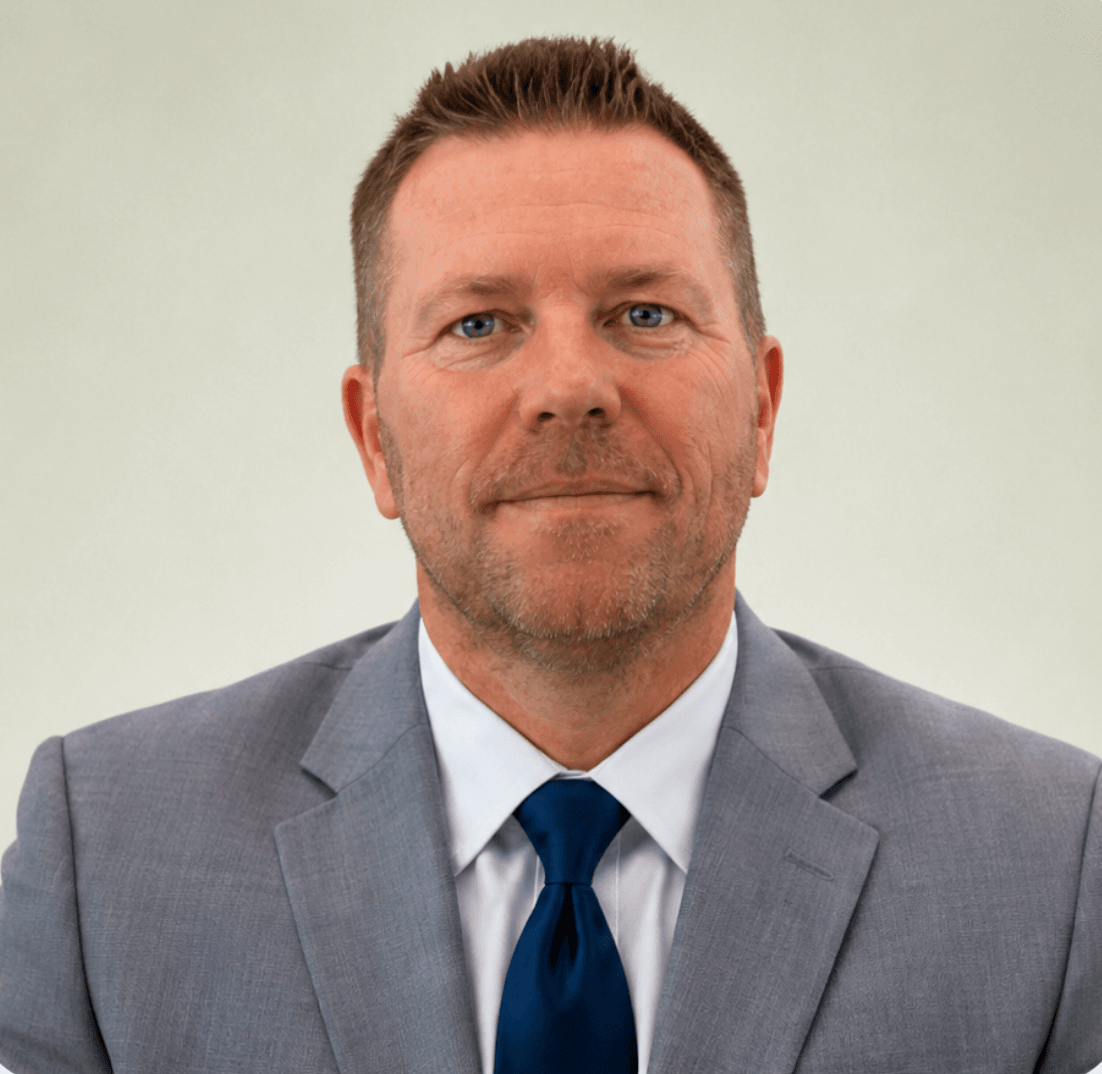
Expertise provided by James Collins, Owner
When a caller asks, “Can my brother do this in Ohio?”, a good admissions team starts with the plain legal answer: no, not in the United States. Ibogaine treatment in USA clinics is illegal, so families need a clear picture of the risks, what studies show, how ibogaine is used, and what the experience abroad actually involves. The better question is what a safe program does in the weeks before it ever says yes. If you typed “Are there any legal ibogaine treatment centers in the United States for opioid detox?” hoping to find something close to home, that is the honest answer, and Iboga Wellness Institute gives it to every family before anything else. The admissions team works out of Columbus, Ohio, but all ibogaine treatment happens at the institute’s licensed medical clinic in Cozumel, Mexico, and nowhere else.
That answer can land hard. You may have already watched someone you love go through detox, residential care, or long stretches on Suboxone or methadone, and now the one option that sounds different requires a passport.
This guide is meant to help make that next decision a more informed one.
It starts with the legal basics, then walks through five steps a medical program takes before anyone boards a plane. By the end, you will know what is legal, what stays local, what the safety checks look like, and what questions to ask about a program’s safety practices. You will not find a promise of results here. We are looking for a careful, medically supervised path for someone’s son, daughter, spouse, parent, sibling, or best friend.
Prerequisites: Is Ibogaine Treatment in USA Clinics Legal?
Ibogaine is a Schedule I controlled substance under US federal law, and it is not FDA-approved. That means no clinic in the United States can lawfully offer ibogaine as medical treatment for opioid detox today.
Schedule I is the strictest federal drug category. It covers substances the federal government treats as having no accepted medical use and a high potential for misuse. Ibogaine remains investigational, which means it is being studied, not prescribed. Your loved one cannot get a prescription for it, and a US doctor cannot legally give it to them as part of a detox plan.
Growing research interest can make this confusing for families. ARPA-H, a federal health research agency, lists an initiative called ASCENT-IBO that focuses on ibogaine-related research. In 2026, Maryland lawmakers heard testimony about an Ibogaine Clinical Research Grant Program. Both show that scientists and lawmakers are taking a serious look, but neither makes ibogaine a legal treatment at a US clinic today. Research is not approval. Studies may describe how ibogaine has been used and the experience of participants, but offering it at US clinics outside approved research is illegal, and the cardiac risks are real.
So hold onto one firm rule: any US center that claims to treat opioid detox with ibogaine is a red flag. It may be working outside the law, it may not have the heart monitoring ibogaine requires, and if something goes wrong, there may be no clear medical accountability.
| Question families ask | Plain answer |
|---|---|
| What is ibogaine’s federal status? | Schedule I controlled substance |
| Is ibogaine FDA-approved? | No. It remains investigational. |
| Can a US clinic legally treat opioid detox with it? | No |
| Is research happening? | Yes, at the federal and state level. Research is not approval. |
| Where does Iboga Wellness Institute provide treatment? | Only at its licensed medical clinic in Cozumel, Mexico |
| What does the Columbus, Ohio office do? | Admissions, screening, and aftercare coordination only |
| Does the institute accept insurance? | No. Treatment is cash-pay. |
Iboga Wellness Institute is built around these facts instead of working around them. The institute is American-owned, and ibogaine is administered openly in Cozumel under medical supervision, not in secret. The institute operates three private settings in Cozumel, and all three follow one clinical standard. The Iboga Wellness Institute Columbus office never provides ibogaine. It is where your first call, your loved one’s screening, and their aftercare planning happen.
Are There Any Legal Ibogaine Treatment Centers in the United States for Opioid Detox?
No. There are no legal ibogaine treatment centers in the United States for opioid detox, and Iboga Wellness Institute does not provide ibogaine at any US location. Clinics that offer it on US soil are operating illegally, and published studies on how ibogaine has been used point to cardiac risks that make the patient experience depend on careful medical oversight.
“Legal in Mexico” and “legal in the US” are two separate ideas. Ibogaine can be administered at a licensed medical clinic in Mexico, but that does not change its status at home. Being American-owned tells you who runs Iboga Wellness Institute. It does not carry US medical law across the border, and it does not mean US rules govern the care your loved one receives in Cozumel. When you talk to any program, notice whether it keeps those two ideas apart, because a program that blurs them may not be handling facts carefully.
Even so, a lot of the process stays close to home. Here is what happens on the US side with Iboga Wellness Institute:
- Phone screening with the admissions team in Columbus, Ohio
- Records review of medications, medical history, labs, and ECG results
- Pre-travel integration therapy with the integration team, so preparation starts before the flight
- Aftercare coordination once your loved one returns home
The institute is also adding a US-based physician to run telehealth consults and build a tapering and prep plan before travel. That role is not in place yet, so for now your loved one’s own doctor remains an important partner in any medication changes.
Travel is one of the biggest fears families name. You do not have to send your loved one alone: a spouse or friend can come along, and Iboga Wellness Institute admissions will confirm the details for your situation.
Money is the other fear, especially after you have already spent so much on care. Iboga Wellness Institute does not accept insurance, and treatment is cash-pay. Your own health plan still matters for care at home, though. HealthCare.gov explains that Marketplace plans must cover mental health and substance use disorder services, which may help with visits to your loved one’s own US doctors and counselors before and after travel. Check your plan’s benefits, and let admissions walk you through current program pricing on your first call. For a broader overview of how treatment works, see the complete guide to ibogaine treatment.
Step 1: How Do You Begin With Admissions Weeks Before Travel?
You begin with a phone call, not a flight booking. At Iboga Wellness Institute, admissions starts weeks before any travel, and no one is accepted until medical screening is complete.
Before acceptance, every person goes through the same comprehensive medical screening:
- Cardiac screening
- A 12-lead ECG
- Bloodwork
- A full medication and medical history review
Why weeks instead of days? Screening can find things that need time. Medication may need to change slowly, labs may need to be repeated, and records from past treatment may need to be gathered. A program that can take your loved one next Tuesday may have skipped something.
Acceptance is not guaranteed. The Iboga Wellness Institute team is clear that ibogaine is not a silver bullet, and they will tell you if your loved one is not a safe candidate. That may be the hardest thing a desperate family can hear, but it is also why a yes carries meaning. Safety comes before filling a bed.
Some people should not receive ibogaine at all. Iboga Wellness Institute does not treat people with psychosis or certain bipolar presentations, and it does not treat people with serious cardiovascular conditions. It also does not provide ibogaine during acute psychiatric emergencies or active suicidal crises. These are not judgments about anyone’s worth. They are safety lines intended to protect your loved one.
If your loved one needs other care first, please get it now. If anyone is in danger or thinking about suicide, call or text 988 to reach the Suicide and Crisis Lifeline. For help finding treatment in the US, the free and confidential National Helpline at 1-800-662-4357 answers 24 hours a day, every day. Ibogaine is never a reason to delay care someone needs today.
Step 2: How Does Your Opioid Type Change the Transition Plan?
Once screening is underway, the next question is what your loved one is taking, because the type of opioid changes the timeline more than almost anything else. Long-acting opioids, Suboxone, and methadone each require a physician-supervised transition before Iboga Wellness Institute will consider an ibogaine flood dose.
Here is how the institute approaches each one. Long-acting opioids are first moved to shorter-acting opioids under medical management. Suboxone requires a 30-day physician-supervised transition. Methadone requires a full transition to an approved shorter-acting opioid. This is general information, not a plan for your loved one. Talk to your doctor before changing any medication.
Please do not let your loved one stop or taper alone to “get ready.” Stopping opioids suddenly can bring on severe withdrawal, and if use starts again after tolerance drops, overdose risk can rise. A home taper done without a doctor can also change heart and blood readings in ways that affect safety later. Every one of these transitions belongs with a physician.
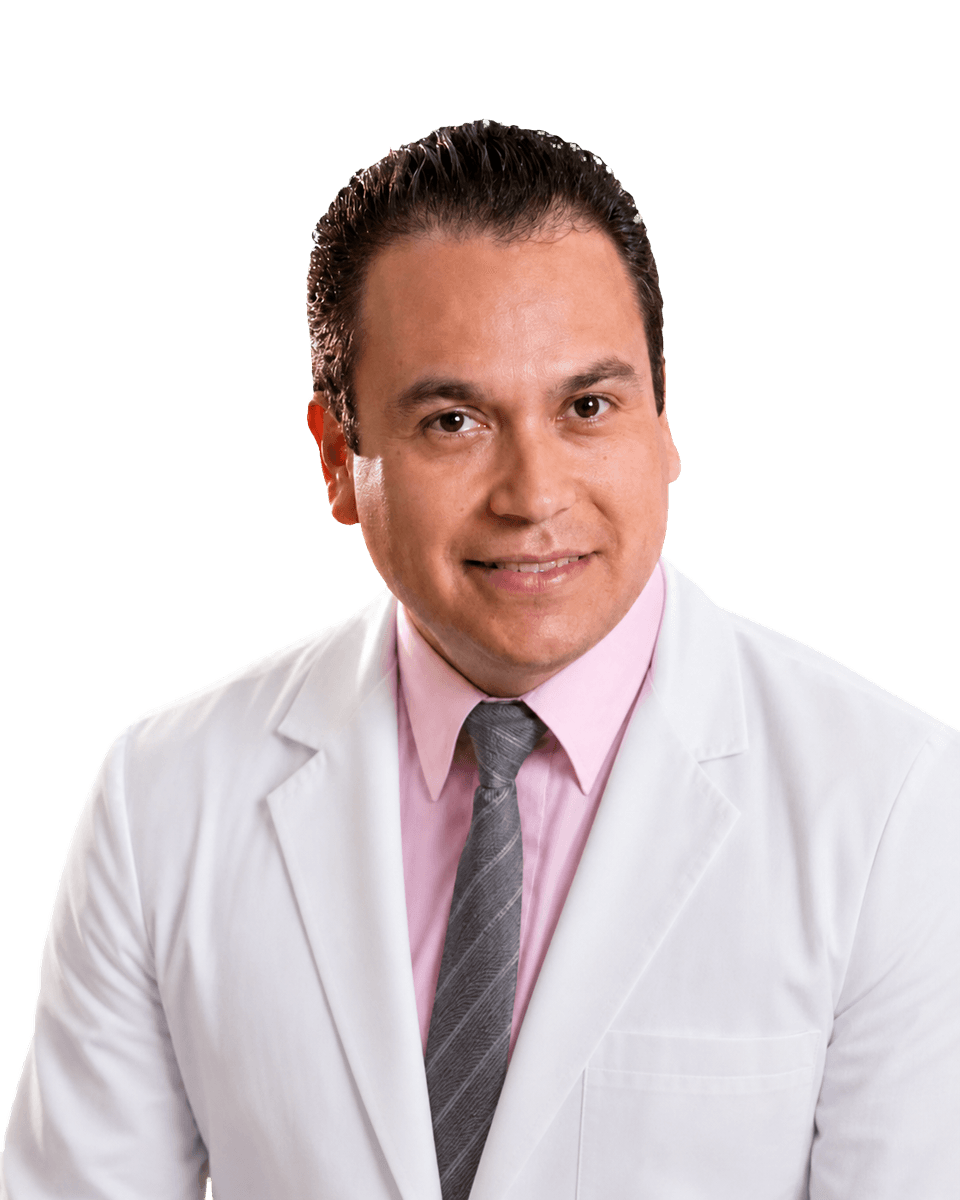
The calendar does not decide readiness. Finishing 30 days of a Suboxone transition does not clear anyone automatically. Picture it this way: your loved one reaches day 30 and feels ready to go, but the team still looks at that day’s heart readings, labs, medications, and withdrawal symptoms. Final clearance comes from Iboga Wellness Institute’s Chief Medical Director, Dr. Eduardo Rubio Ruiz, after he reviews the whole clinical picture that day, not from one number or one date.
The reason is simple. Withdrawal timing varies from person to person, and two people on the same dose can be in very different places on the same day. A fixed schedule treats them the same. A physician who looks at the full picture does not.
Step 3: What Safety Checks Happen on the Day of Treatment?
Even after a careful transition, treatment day brings its own checks. Iboga Wellness Institute repeats the heart and blood tests and will not give the ibogaine flood dose unless they pass. If the physician is not comfortable, the dose is delayed, even when a treatment date is already set.
Before dosing, the Iboga Wellness Institute team at the licensed clinic in Cozumel does all of the following:
- Repeats the 12-lead ECG and reviews the QTc interval. The team will not proceed if QTc is over roughly 460 ms.
- Verifies potassium is between 4.2 and 4.8 mmol/L.
- Verifies magnesium is at least 2.0 mg/dL.
- Corrects low potassium or magnesium, then rechecks before moving forward.
- Reviews every medication again.
- Completes a physician assessment.
- Runs a second urine drug screen.
- Confirms withdrawal is controlled and the patient is stable.
Each item is pass or fail, and a number that is close does not count as a pass. This is the line between a medical program and a retreat. A retreat may focus on setting, ceremony, and how ready someone feels, while a physician-led program looks at the heart tracing and the lab report first.
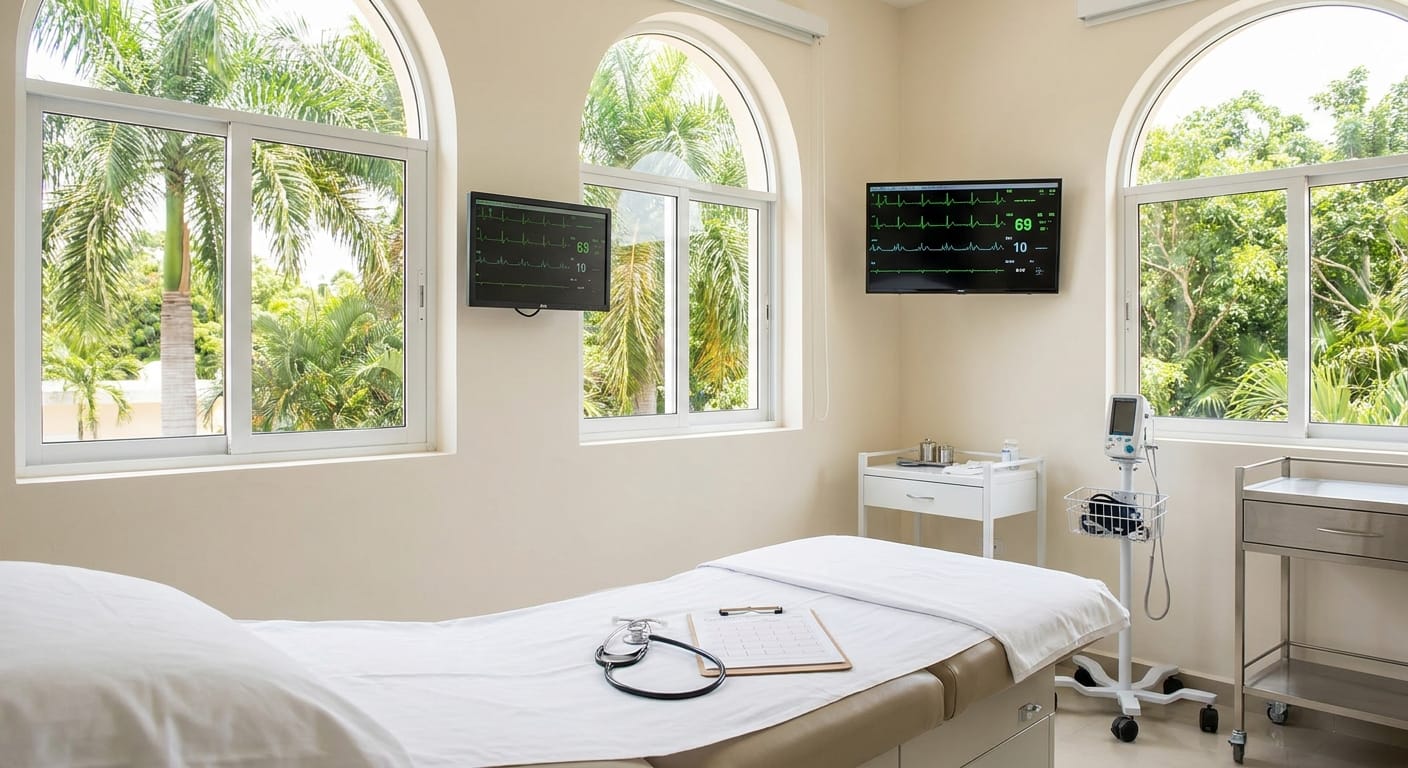
Monitoring continues through the whole treatment. A physician-led on-site Iboga Wellness Institute team of doctors, a physician assistant, and nurses watches over each patient, with 24/7 nursing, continuous cardiac monitoring, and a 4:1 staff-to-patient ratio. The team will not take an unnecessary risk just because someone already has a date on the calendar.
Why ibogaine and the heart require this level of caution
Ibogaine can prolong the QT interval and cause dangerous arrhythmias. The QT interval is the time it takes the heart’s electrical system to reset between beats, and QTc is that number adjusted for heart rate. When the reset takes too long, the heart can slip into an unsafe rhythm.
Potassium and magnesium help keep that electrical reset steady. When they run low, the heart has less room for error, which is why the team checks both, corrects them, and checks again. This is not a formality. It is a central part of how a flood dose is medically supervised.
Methadone also prolongs QT, so someone moving off methadone may arrive with a heart that is already under strain. That is why the transition in Step 2 and the checks in Step 3 work together. When you ask any program about safety, ask what number it will not go past. A careful program can answer right away.
Step 4: Why Is a Postponement a Sign the Screening Is Working?
All of those checks only matter if the program is willing to act on them. A postponement means the screening caught something, and a program that is willing to delay or decline is showing you what it would do if your loved one’s heart, labs, or medications were not ready.
Here is one example from Iboga Wellness Institute, with details changed and no identifying information. One person taking methadone felt ready and expected to start on their own timeline. The team reviewed their methadone use, medical history, medications, labs, and ECG, and taken together, those findings showed treatment on that timeline was not safe. The plan changed: the person would first need a medically supervised transition and more stabilization before ibogaine would be considered again.
The Iboga Wellness Institute physicians looked at the full picture, including methadone exposure, QTc and heart risk, electrolytes, and other medications. Remember that both methadone and ibogaine prolong QT. Stacking that risk on a rushed timeline is exactly the kind of problem careful screening is designed to catch.
A less cautious provider might focus mainly on motivation and withdrawal tolerance. Does the person want it badly enough? Can they handle feeling sick? Those questions matter, but they cannot read a heart tracing, and wanting to get better does not make a heart ready. When a case is close, Iboga Wellness Institute holds to one question: would we trust this with someone we love? As the team puts it, they would rather lose a patient than compromise their standards.
If a program has never postponed anyone, ask why.
Step 5: How Do You Verify the Clinical Team and Plan for Integration?
The last step before saying yes is knowing exactly who will care for your loved one and what happens after the treatment itself. Verify the clinical team by full name, medical school, and specialty, and confirm the integration plan before and after travel. At Iboga Wellness Institute, you can check both.
Ibogaine treatment at Iboga Wellness Institute is overseen by Chief Medical Director Dr. Eduardo Rubio Ruiz, a physician and anesthesiologist. He earned his medical degree at Universidad Michoacana de San Nicolás de Hidalgo and completed his anesthesiology specialty training at the National Autonomous University of Mexico (UNAM). Anesthesiology training centers on watching the heart, breathing, and vital signs while a patient is under the effects of powerful medicine.
Dr. Rubio is supported by Dr. Lori Nation Legrand, who earned her medical degree at the University of Louisville and completed the Triple Board residency at the University of Kentucky. Her role on the team is to add a psychiatric and addiction-focused perspective to Dr. Rubio’s medical oversight. Iboga Wellness Institute is clear that these are medical specialty credentials, not an ibogaine-specific certification, and you should expect that same honesty from any program. If a clinic claims a special ibogaine certification, ask who issued it and how you can check it.
Detox is the start, not the finish line. The National Institute on Drug Abuse describes addiction as treatable and stresses that care should fit the person. Integration is one place where that fit is addressed. At Iboga Wellness Institute, integration is led by Lindsey White, author of The Crown and the Root, a book on ibogaine and 5-MeO-DMT integration. Her team includes licensed clinical psychologists, LMFTs, LCSWs, and certified addiction professionals, and many have additional training in psychedelic-assisted therapy and integration.
Integration at Iboga Wellness Institute starts before travel and continues afterward. The aim is to support your loved one in rebuilding the parts of life that addiction wore down: relationships, purpose, and health. Recovery continues through the choices a person makes in the months after treatment, and results differ from person to person.
The medical side draws on research, too. The Iboga Wellness Institute team’s practice of giving magnesium alongside ibogaine mirrors published 2024 ibogaine research it references, so ask admissions for the paper and read it yourself. The Bwiti tradition informs the setting, and the clinical team sets the safety rules.
What Should You Check in Any Ibogaine Center in Mexico?
Because US treatment is off the table, most families end up comparing programs in Mexico. Check whether each program is physician-led, screens before acceptance, writes down its safety limits, monitors the heart continuously, and is willing to say no. “Legal in Mexico” does not tell you a program is safe.
Legal status tells you a clinic may operate. It does not tell you who reads the ECG, what happens if potassium is low, or whether anyone is watching the heart monitor overnight. Only the program can answer those questions, so ask them directly.
Use this checklist on any program you are considering, including ours:
- Physician-led care with named doctors whose schools and specialties you can verify
- Screening before acceptance that includes an ECG, bloodwork, and a full medication review
- Written QTc and electrolyte limits the program will not go past
- Continuous cardiac monitoring and a stated staff-to-patient ratio
- Willingness to postpone or decline when the medical picture is not right
- Documented integration and aftercare before travel and after return
- Honest language that makes no promise of results
When you call, ask questions that make vague answers hard to give. What QTc number stops treatment? What do you do if magnesium is low on treatment day? Who is awake and watching the monitor at 3 a.m.? Have you ever turned someone away, and why? A careful program answers clearly and without getting defensive.
Iboga Wellness Institute built its program around this checklist, and that is the standard behind the phrase “Clinical care without compromise.” We are building a program a family can question hard.
What Do Families Ask Before They Call?
Most families ask the same six questions before they pick up the phone. Here are the short, plain answers.
Is ibogaine legal in the United States?
No. Ibogaine is a Schedule I controlled substance and is not FDA-approved, so it cannot lawfully be offered as medical treatment for opioid detox anywhere in the US.
Are there any legal ibogaine treatment centers in the United States for opioid detox?
No. Treatment through Iboga Wellness Institute happens only at its licensed medical clinic in Cozumel, Mexico. The Columbus, Ohio office handles admissions, screening, and aftercare coordination only.
Are there ibogaine centers in Mexico that are safe?
Safety depends on the program, not the country. Use the checklist above, and look for physician-led care, cardiac screening, written QTc and electrolyte limits, continuous monitoring, and a willingness to decline.
Can my loved one stop Suboxone or methadone on their own before ibogaine?
No. Any transition off Suboxone, methadone, or long-acting opioids should be supervised by a physician. Talk to your doctor before changing any medication.
Can I come with my loved one to Mexico?
Yes. A spouse or friend can come along, and Iboga Wellness Institute admissions will confirm the details for your situation.
Does insurance cover ibogaine treatment?
Iboga Wellness Institute does not accept insurance, and treatment is cash-pay. Your own health plan may still help with US doctor and counseling visits before and after travel, and admissions can walk you through current pricing.
What Can You Realistically Expect From This Process?
If you follow these steps, you can expect a more informed decision and a clearer path forward. You should not expect a promised result, because no honest program can make one.
For some people, the process ends with a yes: screening comes back clear, the opioid transition goes as planned, and treatment-day checks pass. For others, it ends with “not yet,” or with a referral to care they need first. Either way, your family gains clearer information about what is legal, what the safety checks involve, and what comes next.
Some people who have tried other approaches look to ibogaine, and research into it is ongoing. The goals people hold are personal: time without opioid use, a sense of healing, and, over time, a life they no longer feel the need to escape from. Whether and how those goals are met differs for each person, and the work continues through months of integration and after the flight home.
When you are ready, call the Iboga Wellness Institute admissions team in Columbus, Ohio to start a confidential phone screening for the detoxification program. Begin with a medical review weeks before any travel, knowing the team will tell you honestly if ibogaine is not a safe fit. Before you call, gather one thing that will save time: a full list of every medication your loved one takes, including the exact methadone or Suboxone dose and when it was last taken, along with any recent labs or ECG results. That list is where screening begins.
Important legal and safety information: Ibogaine is not approved by the FDA and is not available as a legal medical treatment in the United States. Iboga Wellness Institute provides ibogaine treatment exclusively at its licensed medical clinic in Cozumel, Mexico, under medical supervision. US locations handle admissions, screening, and aftercare coordination only.
Questions About Your Options Beyond the U.S.
If you have been searching for a legal ibogaine option for opioid detox and feel unsure where to turn, you are not alone in that hesitation. Our Iboga Wellness Institute treatment takes place at our licensed medical clinic in Cozumel, Mexico, and our admissions team can walk you through screening, what the detox process involves, and how aftercare is coordinated. Reaching out is simply a conversation, a way to get clear answers before you decide anything.
Individual experiences and responses to treatment vary, and no outcome can be promised.