What ibogaine neurological treatment is
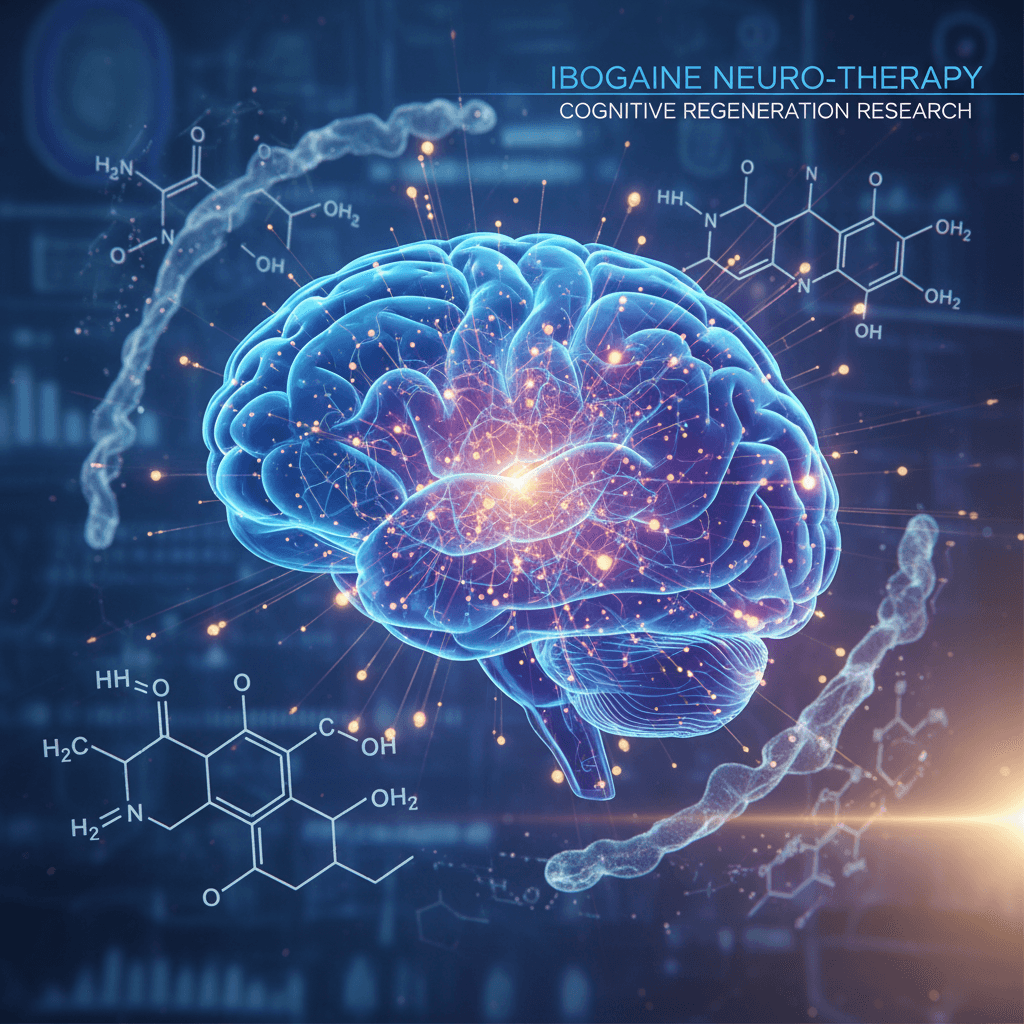
When you explore ibogaine neurological treatment, you are looking at a very specific use of a powerful plant‑derived psychoactive compound to influence your brain circuits, neuroplasticity, and cognitive function. Ibogaine is extracted from the root bark of the African shrub Tabernanthe iboga and has a long history of ceremonial use. In modern contexts, it is being investigated for its potential to interrupt addiction, ease mood symptoms, and potentially catalyze a rapid “reset” in brain networks.
In a medical setting, ibogaine neurological treatment typically involves a single high dose administered under intensive monitoring, followed by extended integration and recovery. You are not just chasing a psychedelic experience. The focus is on measurable changes in brain function, neural growth factors, and behavior. This is where concepts like ibogaine brain reset therapy, ibogaine neuroplasticity therapy, and ibogaine brain recovery treatment come into play.
For a high‑performance audience, the appeal is clear. If ibogaine can safely boost neuroplasticity, reorganize maladaptive patterns, and improve cognitive control, it could represent a radical intervention point for deeply ingrained habits and trauma responses. The key question is what the science actually supports right now and where the risks start to outweigh potential benefits.
How ibogaine acts on your brain
Ibogaine is pharmacologically “messy” in a way that is both promising and problematic. Instead of targeting a single receptor or pathway, it interacts with several systems that are central to mood, reward, and plasticity.
Multi‑receptor activity and “reset” potential
Ibogaine and its active metabolite, noribogaine, interact with:
- The serotonin transporter (SERT), similar to SSRIs but in a nonstandard way
- NMDA receptors, which are involved in learning, memory, and synaptic plasticity
- Opioid receptors, which modulate pain, reward, and withdrawal
- Sigma and nicotinic receptors, which influence arousal and cognition
This broad profile helps explain why ibogaine can impact addiction, depression, and anxiety simultaneously. At the same time, it makes prediction and safety management more complex compared to a cleaner, single‑target molecule.
Neurotrophic growth factors and plasticity
One of the most compelling lines of evidence for ibogaine neurological treatment lies in its effect on neurotrophic factors, which are essentially growth signals for your neurons. In a rat study that focused on addiction‑relevant brain regions, ibogaine administration produced substantial changes 24 hours after dosing:
- A 40 mg/kg dose selectively increased Glial Cell Derived Neurotrophic Factor (GDNF) mRNA and mature protein in the Ventral Tegmental Area (VTA), a key node in the dopaminergic reward circuit that regulates drug‑seeking behavior [1].
- Both 20 and 40 mg/kg doses triggered large increases in Brain Derived Neurotrophic Factor (BDNF) mRNA in the Nucleus Accumbens (NAcc), Substantia Nigra (SN), and Prefrontal Cortex (PFC), although mature BDNF protein did not significantly increase at that 24‑hour time point [1].
- Ibogaine significantly increased proBDNF protein specifically in the NAcc at both doses, suggesting a complex, stepwise regulation of BDNF maturation and plasticity processes [1].
- Nerve Growth Factor (NGF) mRNA was upregulated in all studied regions after the 40 mg/kg dose and selectively in PFC and VTA at 20 mg/kg, highlighting a broad neurotrophic effect beyond GDNF and BDNF [1].
If you are familiar with neuroplasticity, you can see the significance. GDNF, BDNF, and NGF support neuronal survival, synaptic remodeling, and long‑term changes in connectivity. The pattern of upregulation in reward and executive regions aligns with anecdotal reports of a “reset” in compulsive behaviors and emotional processing.
Interestingly, the same 40 mg/kg dose that produced strong neurotrophic changes also caused a significant reduction in novelty‑induced locomotor activity 24 hours after administration, but not at 3 hours, indicating delayed behavioral effects that track with the timing of neurotrophic shifts [1]. This delay suggests ibogaine’s most important neurological actions may unfold after the acute psychedelic phase.
Cognitive and emotional changes in humans
Animal data provides mechanistic insight, but what you likely care about are measurable changes in human cognition and mental health. A 2024 Stanford Medicine study offers some of the most detailed evidence to date.
Veterans, TBI, and PTSD: a case study
In this open‑label study of 30 military veterans with traumatic brain injuries, ibogaine was administered as a plant‑based psychoactive under medical supervision, with magnesium added to mitigate known cardiac risks. Results were striking:
- Participants showed large reductions in PTSD, depression, and anxiety symptoms one month after treatment, with average decreases of 88 percent for PTSD, 87 percent for depression, and 81 percent for anxiety [2].
- Cognitive function improved across domains like concentration, processing speed, memory, and impulsivity, all critical for everyday performance and executive control [2].
- Functioning on the WHO Disability Assessment Scale 2.0 shifted from an average of 30.2 (mild to moderate disability) before ibogaine to 5.1 one month later, a level consistent with no disability [2].
These are not marginal gains. In functional terms, the treatment moved a group of significantly impaired veterans to a level of daily capability similar to people without reported disability.
Brain wave and network changes
The same Stanford study also linked clinical improvements to objective brain changes:
- Gains in executive function correlated with increased theta brain wave rhythms, which are associated with focused attention, working memory, and coordination of distributed brain networks [2].
- Reductions in PTSD symptoms were associated with decreased complexity of cortical brain activity, suggesting a normalization or streamlining of overly chaotic or hypervigilant network states [2].
This supports the idea that ibogaine neurological treatment may not simply blunt symptoms. Instead, it may reorganize brain dynamics in a way that supports more efficient top‑down control and reduced threat reactivity.
Implications for performance and clarity
If you care about performance rather than just symptom relief, these findings translate into specific domains:
- Improved executive function and attentional control
- Decreased intrusive thoughts and hyperarousal
- More energy available for focused work instead of managing internal noise
These are the same capacities targeted by ibogaine mental clarity treatment and ibogaine cognitive benefits. While rigorous trials in high‑functioning, non‑clinical populations are not yet available, the TBI and PTSD data suggest that deeply dysregulated brains can move toward healthier, more efficient modes of operation after a single well‑managed ibogaine session.
Major neurological risks and safety concerns
Balanced decision‑making requires you to weigh ibogaine’s remarkable benefits against significant risks. The most serious concerns involve cardiac function, acute neurological side effects, and variability in how your body metabolizes the drug.
Cardiac risk and QTc prolongation
A descriptive open‑label study in the Netherlands followed 14 patients with opioid use disorder who received ibogaine‑HCl at 10 mg/kg during detoxification. The primary focus was safety:
- Ibogaine produced a clinically relevant but reversible QTc prolongation averaging 95 milliseconds. Half of the subjects exceeded a QTc of 500 milliseconds, a threshold associated with heightened risk for torsades de pointes and serious arrhythmias, though none were observed in this cohort [3].
- The compound induced significant bradycardia and decreased blood pressure within 12 hours of ingestion, reinforcing the need for continuous cardiac monitoring and readiness to intervene if arrhythmias appear [3].
The mechanism appears to involve inhibition of hERG potassium channels, which delays cardiac repolarization and lengthens QTc, even in people without known heart disease [3]. Noribogaine, the metabolite, may also contribute to QTc prolongation and has a longer half‑life, which extends the period of elevated risk.
From a risk‑management perspective, this means:
- You should not consider ibogaine outside of a setting with full ECG monitoring, emergency capability, and careful medication review.
- Baseline cardiac screening is essential, including looking for structural abnormalities, electrolyte disturbances, and interacting drugs.
Even in the 2024 Stanford study, where no serious heart problems occurred, ibogaine was given with magnesium to blunt known cardiac risks and administered under close supervision [2].
Acute neurological side effects
The same Netherlands study documented pronounced transient neurological effects:
- All patients experienced severe cerebellar ataxia, peaking 2 to 6 hours after ingestion and resolving within 24 to 48 hours [3].
- While similar ataxia in rodent studies at higher doses has been linked to cerebellar Purkinje cell toxicity, no long‑term neurological damage was detected in the human participants. The researchers noted, however, that cerebellar involvement could be tied to ibogaine’s anti‑addictive properties [3].
For you, this means that during the acute window you should expect significant motor and coordination impairment. It is not a “functional” psychedelic experience where you can move around freely or safely manage daily tasks. The treatment environment must be structured to prevent falls and accidents.
Metabolic variability and personalization
The Netherlands study also revealed pronounced interindividual variability in how long and how intensely QTc was prolonged, likely influenced by genetic differences in CYP2D6, the enzyme that converts ibogaine to noribogaine [3]. Slow metabolizers may experience higher or more prolonged exposure, which can increase both therapeutic and adverse effects.
If you are considering ibogaine neurological treatment, this has several implications:
- Genetic variability may influence your risk profile and optimal dosing window.
- A standardized dose is unlikely to be equally safe for everyone.
- Clinics that treat ibogaine as a casual or generic experience are ignoring a major variable in safety.
Emerging ibogaine‑inspired compounds
One direction that should interest you as a biohacker or performance‑focused individual is the development of ibogaine‑inspired molecules that keep the neurological upside while stripping out the dangerous liabilities.
Researchers from UCSF, Yale, and Duke used computational docking to screen about 200 million molecular structures and identify candidates that block SERT in a way that mimics ibogaine but with greater precision [4]. They then tested two of the most promising compounds in animal models:
- At very low doses, these new molecules reduced addiction‑like behaviors and symptoms of depression and anxiety in mice [4].
- Crucially, they did this without producing ibogaine’s known side effects, including heart arrhythmias and strong psychedelic experiences [4].
- One compound, nicknamed “8090,” was confirmed via cryo‑electron microscopy to bind SERT exactly as predicted, demonstrating a highly targeted mode of action distinct from ibogaine’s broad, “dirty” profile [4].
The goal is to harness ibogaine’s ability to disrupt maladaptive patterns and support neuroplasticity without exposing you to severe cardiac or neurological risks. The molecules have been submitted to Sigma Aldrich to encourage broader scientific testing, and they represent a promising future direction if you are looking for safer, more precise tools for brain optimization [4].
How to think about “brain reset” and neuroplasticity
When you hear about ibogaine brain reset therapy or ibogaine neuroplasticity treatment, it is easy to imagine a complete neural reboot. The reality is more nuanced but still compelling.
Reset as network reorganization, not erasure
Current evidence suggests that ibogaine does not “wipe” your brain. Instead, it appears to:
- Increase the capacity of key regions like the PFC, VTA, NAcc, and SN to remodel their connections, as indicated by GDNF, BDNF, and NGF expression changes [1].
- Alter global brain rhythm dynamics, such as theta rhythms and cortical complexity, in ways that correlate with better executive function and reduced PTSD symptoms [2].
- Provide a time‑limited window in which entrenched patterns, such as addictive behaviors or trauma responses, become more malleable.
This is less like a factory reset and more like an accelerated phase of neuroplastic potential. If you bring intentional structure, therapy, and behavior design into that window, you can leverage ibogaine for brain healing and consolidation of healthier habits.
Role of integration and environment
From a practical standpoint, ibogaine is the catalyst, not the full solution. The post‑treatment period is where new neural patterns stabilize. To make the most of it, you would want:
- Structured psychotherapy that targets the patterns you aim to change.
- A clean environment, free from major triggers, especially for addiction or trauma.
- Daily practices that support plasticity and consolidation, such as quality sleep, nutrition, stress management, and targeted cognitive or behavioral exercises.
This is the same logic behind dedicated ibogaine brain recovery treatment programs that emphasize both the acute intervention and the long‑term scaffolding around it.
If you treat ibogaine as a single, isolated event without deliberate integration, you are likely leaving a large portion of its neuroplastic potential untapped.
When ibogaine neurological treatment might be appropriate
Given the profile of benefits and risks, ibogaine is not a first‑line tool for casual cognitive enhancement. It is best thought of as a high‑leverage, high‑risk intervention for specific situations under professional supervision.
You might reasonably explore ibogaine neurological treatment if:
- You are dealing with treatment‑resistant PTSD, depression, or addiction and have exhausted conventional options.
- You have access to a medically rigorous program that monitors cardiac function, screens thoroughly, and provides long‑term integration.
- You understand that the goal is not primarily to “trip” but to reset dysfunctional circuits and then stabilize new patterns.
For a performance‑oriented individual without severe pathology, a more prudent strategy is to follow ibogaine‑inspired research through resources like ibogaine neuroscience research and ibogaine cognitive benefits, while experimenting first with safer, well‑characterized interventions that also promote neuroplasticity, such as exercise, sleep optimization, certain evidence‑backed medications, and non‑psychedelic neuromodulation.
Key takeaways for your decision‑making
To synthesize the landscape of ibogaine neurological treatment, it helps to see the upside and downside side by side.
| Dimension | Potential benefits | Documented risks / limits |
|---|---|---|
| Neuroplasticity | Increases GDNF, BDNF mRNA, and NGF in key brain regions tied to reward and control [1] | Unclear long‑term effects in humans, complex regulation of proBDNF vs mature BDNF |
| Cognitive & functional change | Large, durable improvements in PTSD, depression, anxiety, and disability scores in TBI veterans [2] | Evidence is mostly open‑label and small‑sample, placebo‑controlled trials are lacking |
| Brain dynamics | Shifts in theta rhythms and cortical complexity associated with better executive function and less PTSD [2] | Mechanisms not fully understood, cannot yet predict who will respond or how strongly |
| Addiction & behavior | Reduced drug‑seeking behavior in animal models, strong anecdotal data in humans | Risk of relapse if integration and environment changes are inadequate |
| Cardiac safety | No serious events in tightly managed TBI veteran study with magnesium co‑administration [2] | Significant QTc prolongation, bradycardia, and blood pressure drops in opioid detox study [3] |
| Neurological safety | No long‑term cerebellar damage detected in human detox study | Universal severe transient ataxia, fall risk, potential cerebellar toxicity in animals |
| Future directions | New ibogaine‑inspired SERT inhibitors with strong anti‑addictive and antidepressant effects in mice but no arrhythmias [4] | Still preclinical, not yet available for human use |
If you are considering ibogaine, anchor your decision in three filters:
- Severity and refractoriness of your condition
- Quality and medical rigor of the program
- Your willingness to engage in long‑term integration and behavior change
Used carelessly, ibogaine is a high‑risk experiment. Used deliberately in a robust clinical framework, it may be one of the most powerful tools currently available for reorganizing damaged or rigid brain networks. As the science advances, especially through ibogaine neuroplasticity therapy research and ibogaine‑inspired molecules, you can expect more precise, safer options that still tap into the same core promise of accelerated neuroplastic change.