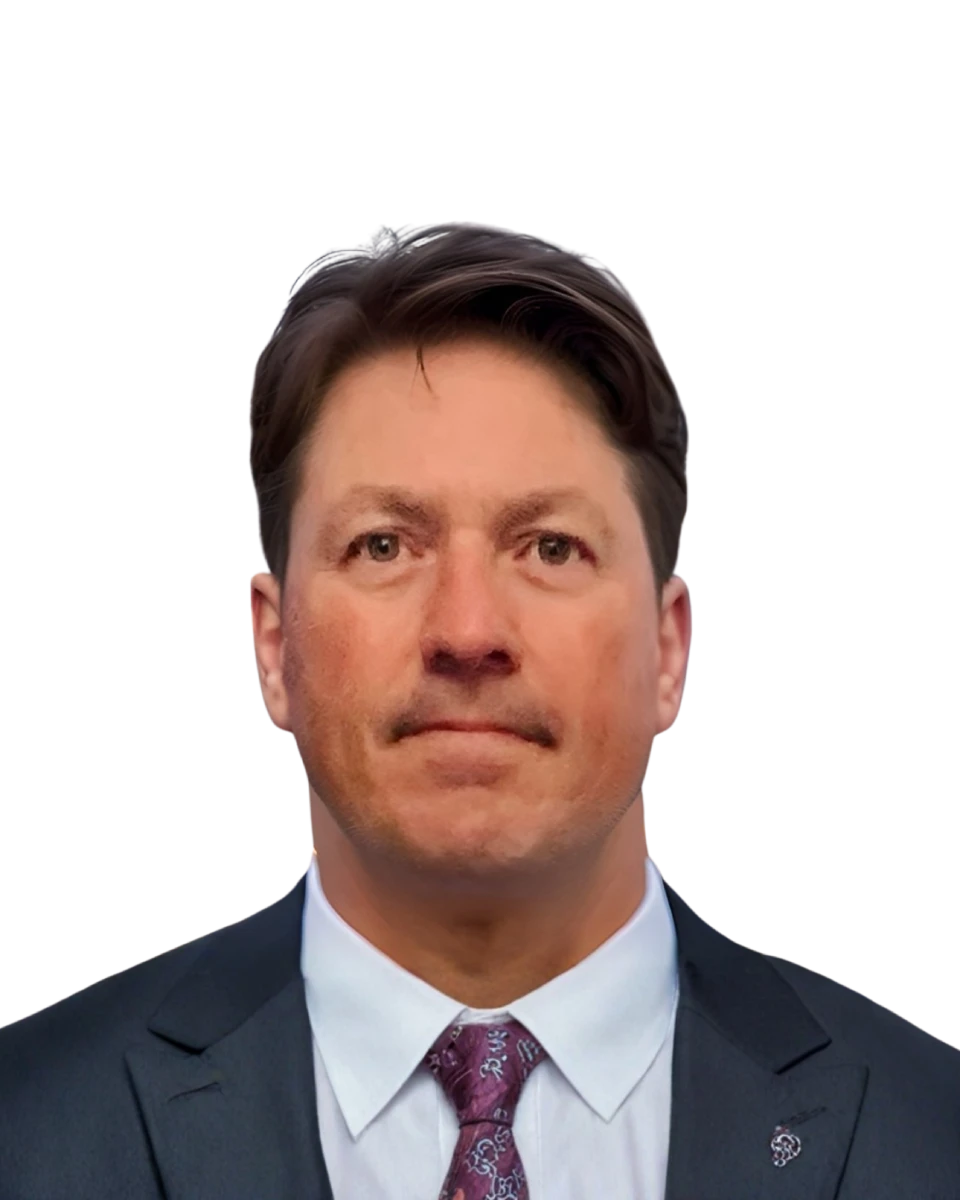

Expertise provided by James Collins, Owner
You have been awake for three days straight. Your heart pounds even when you sit still. When the high fades, the only thought louder than the shame is how to get more. Or maybe you are watching someone you love disappear into that cycle, and every program you found was built for opioids or alcohol. You are left wondering whether anything actually addresses what methamphetamine does to the brain. If you are researching ibogaine for meth addiction at Iboga Wellness Institute, you probably do not want another brochure. You want answers to three questions. Does this medicine do anything for a stimulant problem? Is it safe for a heart that methamphetamine has already strained? Would your loved one even qualify?
At Iboga Wellness Institute (IWI), one question comes before every clinical decision: Would we trust this with someone we love? Every person who reaches out is someone’s son, daughter, spouse, parent, sibling, or best friend. That is why this page covers what we know, what we do not know, and where the honest limits are.
We’re not looking for a miracle.
If you have been through three programs that promised a fresh start, you are probably not looking for one either. You are looking for the truth, and then a safe next step.
Does Ibogaine for Meth Addiction Actually Work?
Ibogaine may help some people with methamphetamine use disorder by quieting cravings and opening a window for change, though individual responses vary and no specific outcome can be predicted for any given person. The research is still early, though. Most of it comes from opioid studies, so we cannot predict whether ibogaine will help a specific person who uses meth.
Here is where the evidence stands. At IWI, we have seen people arrive after weeks of daily meth use, depleted and hopeless, and leave describing a noticeable shift in their cravings. Those are individual accounts, not a result anyone should expect. We do not yet have data showing what most patients can anticipate, and we have also treated people who felt almost no change at all. That variation is why we track outcomes with structured follow-up rather than promising a result by discharge. Methamphetamine has received far less direct study than opioids. A responsible program says so plainly instead of borrowing opioid results and stretching them to fit a stimulant problem.
Meth also raises a different question than heroin or fentanyl. According to the National Institute on Drug Abuse, methamphetamine works mainly by flooding the brain’s dopamine system, the circuitry tied to reward, motivation, and pleasure. Over time, heavy use can change how that system works. That is part of why so many families describe a loved one who seems flat, exhausted, and unable to enjoy anything once the drug wears off. Any medicine offered for meth has to be judged on whether it helps with that problem, not on whether it helps with opioid withdrawal.
At IWI, we do not decide who can be treated based on how desperate a family feels or how many years someone has used. Our physicians decide based on what comprehensive medical screening shows, including a 12-lead ECG and lab work. That can be hard to hear when you are frightened and out of options. Still, safety will always come before filling a bed.
When ibogaine does help, what it may do for one patient is offer a clearer starting point, though outcomes vary from person to person. The medicine may open the door, but lasting freedom comes from the choices a person makes, with support, once they walk through it.
How Does Ibogaine Interact With Meth at the Neurochemical Level?
Ibogaine appears to act on several brain systems at once, including dopamine, serotonin, and glutamate signaling, instead of working on a single receptor. That matters for meth. Methamphetamine does its main damage to the dopamine reward system, not to the opioid receptors that drive heroin and fentanyl dependence.
Start with the difference between the two. Opioids attach to opioid receptors, and the body adapts until it physically depends on them. Stopping leads to withdrawal that looks like a severe flu: sweating, vomiting, aching, and sleeplessness. Methamphetamine works another way. It pushes stored dopamine out of nerve cells and blocks the brain from clearing it. The result is a surge far larger than anything food, music, or love can produce. With repeated use, the brain turns down its own dopamine signaling to cope. When the drug stops, a person often crashes into exhaustion, heavy sleep, low mood, and a gray, joyless flatness. In that state, using again can feel like the only way to feel normal.
Ibogaine and its longer-lasting byproduct, noribogaine, interact with many targets in the brain. These include the dopamine and serotonin transporters, NMDA glutamate receptors, and kappa opioid receptors. In rodent studies, ibogaine has been linked to higher levels of GDNF, a protein that supports the health of dopamine-producing cells. This is where the idea of ibogaine’s neurorestorative potential comes from: the theory that it may help the brain become more flexible and better able to form new patterns. That is a promising theory. Whether it leads to measurable repair of meth-related damage in any given human patient remains unproven, and anyone who tells you otherwise is getting ahead of the science. IWI’s approach pairs the ancient Bwiti tradition behind iboga with modern neuroscience, and that means respecting both the medicine’s history and the current limits of the data. For a broader overview, see our complete guide to ibogaine treatment.
This shapes how IWI plans care for someone with a methamphetamine history. Our team watches closely for whether low energy, disrupted sleep, mood problems, or difficulty feeling pleasure are slowing recovery. We also ask what meth has been doing for that person. Did it keep them awake for work? Help them cope with trauma? Lift them out of depression, or make them feel socially connected? Removing the drug does not erase those reasons. Preparation and integration give us room to work on them, so the person can build a life they no longer feel the need to escape.
What Is the Ibogaine Treatment Process for Meth Addiction?
At IWI, the process moves in order. It starts with a confidential conversation and comprehensive medical screening. It continues through preparation, reaches an ibogaine flood dose at our licensed medical clinic in Cozumel, Mexico, and then moves into integration and follow-up after the person returns home. Iboga Wellness Institute’s Columbus office coordinates admissions, screening, and aftercare. All ibogaine treatment takes place in Cozumel.
The reason for that structure is legal, and you deserve to understand it clearly. In the United States, ibogaine is a Schedule I controlled substance. It has no FDA approval for any medical use and remains investigational. It cannot legally be given as a medical treatment in Ohio or any other state. For that reason, IWI provides ibogaine only in Cozumel, where care runs across three private settings held to one clinical standard. As a US-based institute, IWI also gives Columbus families the American consumer protections they would expect from a domestic provider.
Here is what the process looks like, step by step:
- A confidential first conversation. You or your loved one talks with our admissions team about substance use history, health, and what has and has not worked before. One practical point to know early: IWI does not accept insurance for treatment. Healing shouldn’t wait for financial readiness, so the team will go over costs with you directly and honestly from the start.
- Comprehensive medical screening. This includes a 12-lead ECG, laboratory testing, and a detailed review of heart, psychiatric, substance, and medication history. Iboga Wellness Institute’s physicians order additional evaluation when they believe it is needed.
- A medical decision. Physicians review the complete assessment. Some people are cleared. Some need more testing or time to stabilize first. For others, ibogaine is not the right fit, and the team explains why.
- Preparation. Before travel, the person works on realistic expectations, what meth has been doing in their life, and what support will be waiting at home.
- Arrival and repeat medical checks. Medical checks are repeated at Iboga Wellness Institute in Cozumel, because the decision has to reflect the person’s condition at the time of treatment, not weeks earlier.
- Ibogaine flood dose treatment. The dose is given under physician-led care, with 24/7 nursing, continuous cardiac monitoring, and a 4:1 staff-to-patient ratio. Iboga Wellness Institute’s physicians decide dosing for each person; it never follows a fixed protocol.
- Rest and discharge assessment. Before the person leaves, the team checks how they are feeling physically, emotionally, and in terms of cravings.
- Integration and follow-up at home. One-on-one and group integration sessions with Iboga Wellness Institute continue after the person returns, with planned follow-up at one week and one month, and ongoing contact after that.
Treatment at IWI follows the person’s physiology, not a calendar. Someone who arrives depleted after a multi-day binge with little sleep may need a different pace than someone who has been stable for weeks. That is what clinical care without compromise means in practice: decisions come from the medical picture, not a package schedule.
Public conversation about ibogaine is also growing. In 2026, testimony describing ibogaine’s promise for addiction and mental health was submitted to Maryland lawmakers. Interest in research is not the same as legal access, however. Until federal law changes, families in Columbus and across the country who choose ibogaine will need medically supervised care outside the United States. Our role in Columbus is to make that process clear, coordinated, and accountable from the first call through aftercare.
Who Is Medically Eligible for Ibogaine Treatment for Meth Addiction?
Eligibility depends on what a full medical review shows, not on how long someone has used or how badly they want help. IWI’s physicians decide after reviewing heart testing, lab work, psychiatric history, and the person’s condition on arrival.
The heart is where screening begins, and with methamphetamine there is good reason for that. Stimulants put real strain on the cardiovascular system, and ibogaine adds its own risk. During a December 2024 case review, Iboga Wellness Institute’s medical director flagged a 31-year-old patient whose baseline ECG showed a QTc of 448 milliseconds, within normal range, but whose history included four-day binges without sleep and chest tightness during the last run. The team ordered a cardiology consult before proceeding, not because the ECG alone disqualified him, but because the clinical picture demanded more information. That is why a 12-lead ECG is required and why cardiac monitoring continues throughout treatment.
Our team looks at the whole person. During screening, IWI reviews:
- Pattern of use: how often, how much, how it is taken, and when the person last used
- Other substances and medications, since combining meth with opioids, alcohol, benzodiazepines, or prescriptions changes the medical picture and can create dangerous interactions
- Heart history, including chest pain, fainting, palpitations, or any diagnosed heart condition (IWI does not treat serious cardiovascular conditions)
- 12-lead ECG and laboratory results, with more evaluation if physicians call for it
- Psychiatric history, especially any history of psychosis or mania, which meth use can bring on or worsen (IWI does not treat people with psychosis or certain bipolar disorder presentations)
- Current stability, since ibogaine is not given during acute psychiatric emergencies or active suicidal crises
- Sleep, nutrition, and overall health, which can be badly depleted after long binges
- Condition on arrival, confirmed by repeat medical checks in Cozumel
Many families expect a shorter history to mean an easier case. It does not. A person might have used meth for only a short stretch but used heavily, gone days without sleep, mixed substances, or developed serious psychiatric symptoms. Someone else might have years of use behind them yet arrive more stable and clearer about what has to change. At IWI, length of use shapes how the team plans preparation and aftercare, but it does not decide acceptance on its own. A long history, where meth is woven into routines, work, relationships, and stress, may call for more preparation and more sustained support afterward. It never means someone is beyond help.
You may want to know how many people with a meth history pass screening. We will not give you a made-up figure. IWI does not have verified data to say “seven out of ten” or “nine out of ten,” so we will not say it. The team does not assume someone will be disqualified just because they used meth, and it does not assume someone is suitable because they are young or feel fine. A reassuring ECG alone does not guarantee eligibility or safety, and screening lowers risk without removing it.
Sometimes the answer is “not right now.” Sometimes it is “ibogaine is not the right choice for you.” Those are different answers, and our team explains which one applies. If ibogaine is not appropriate, please do not stop looking for care. SAMHSA points families toward evidence-based treatment for stimulant use disorders, including behavioral approaches such as cognitive behavioral therapy and contingency management. A “no” from our physicians is a reason to choose a different path, not a reason to give up.
Does Ibogaine Eliminate Meth Withdrawal Symptoms?
No, and we cannot predict whether it will reduce them for a specific person. Some people report that cravings feel quieter after treatment, but fatigue, low mood, poor sleep, and emotional struggles can continue and deserve care of their own.
Meth withdrawal is mostly a crash of energy, mood, and motivation, not the intense physical sickness that comes with opioids. Most research on ibogaine and withdrawal involves opioids, which is a different situation. So when you hear claims that ibogaine “wipes out” withdrawal, ask which drug the claim is actually about.
IWI tracks cravings across time rather than promising a result by a set date. The team checks in before discharge, again at the one-week follow-up, and again at one month. Continued contact after that helps separate an encouraging early response from improvement that holds once someone is back in daily life. When a person says, “My cravings are much better,” the team asks what that looks like for them:
- Do thoughts about using come up less often?
- Are the urges weaker when they do come?
- Can they get through a stressful moment without reaching for meth in their mind?
- Can they call for support and ride out an urge without acting on it?
Those answers say far more than a simple yes or no. They also help families know what to watch for at home.
Cravings are only one part of recovery. Someone may feel far less pull toward meth and still wrestle with low motivation, broken sleep, or painful emotions. IWI treats those as concerns in their own right, which is why one-on-one and group integration are built in. Individual sessions give space to talk through triggers, relationships, and the situations that make using feel appealing. Group sessions keep people connected, let them hear how others handle hard moments, and make it easier to ask for help before isolation sets in.
If strong cravings persist, IWI does not want anyone waiting on an arbitrary milestone and hoping next month will be different. The person should tell the team and connect with their addiction clinician so care can be reassessed. Integration matters, but it does not replace evidence-based ongoing treatment. Without verified results from its own patients, IWI will not predict a specific timeline for when cravings might change for any individual.
Does Ibogaine for Meth Addiction Work Better Than for Cocaine or Crack?
Families often ask this next, especially when more than one stimulant is involved. There is no reliable evidence that ibogaine works better for methamphetamine than for cocaine or crack, or the other way around. IWI does not rank anyone’s chances by which stimulant they used.
Start with the substances. Cocaine and crack contain the same active drug. Route and pattern of use both matter during assessment, but crack is not a separate substance with its own proven ibogaine success rate. Published research also does not offer a solid head-to-head comparison. An observational study reporting improvements in cocaine cravings for some participants, for example, cannot tell you whether someone who uses methamphetamine would do better or worse.
Then there is the word “success,” which can mean very different things. Fewer cravings, better emotional functioning, and sustained abstinence are separate outcomes. Feeling much better at discharge is encouraging, but a family also needs to know how their loved one is doing at one month, three months, and six months. A fair comparison between stimulants would require the same definition of success and the same follow-up periods for every patient. Until IWI has documented outcomes on that basis, it cannot say one stimulant responds better than another.
What does shape recovery is the individual. IWI looks at how often someone used, whether they went on prolonged binges, how much they slept, whether other substances were involved, what mental health concerns are present, and what environment they are returning to. With methamphetamine, the team pays particular attention to low energy, sleep disruption, mood difficulties, and trouble finding enjoyment. With cocaine or crack, the team also explores the people, places, access to money, and emotional triggers around repeated use. These are areas to assess, not fixed categories, and either person can struggle with any of them.
That is why integration continues after treatment no matter which stimulant brought someone in. Individual work helps a person pinpoint their own triggers and build practical responses. Group support offers connection and accountability when motivation dips. Persistent symptoms need proper clinical care alongside both.
What Else Should You Know Before You Call?
The short answers below are starting points. A complete medical screening is the only way to know what applies to your loved one.
Does ibogaine get rid of withdrawals?
Not reliably, and individual experiences vary. Some people report fewer cravings after treatment. Most of the research on ibogaine and withdrawal involves opioids, and meth withdrawal is a different experience. IWI treats ibogaine as one part of a medically supervised plan, not as a standalone solution.
What addictions does ibogaine treat?
Ibogaine research has focused most heavily on opioid use disorder, with smaller studies on alcohol, cocaine, and methamphetamine. At IWI, physicians evaluate people with opioid, pain pill, kratom, and benzo addiction, and assess people with stimulant use one at a time. Every case depends on medical screening.
How long does it take for cravings to drop after ibogaine treatment for meth?
We cannot predict a specific timeline for any individual. IWI’s typical approach is to check in on cravings before discharge, at one week, and at one month, with continued follow-up as part of integration. If strong cravings remain at any point, the person should tell the team and their addiction clinician right away instead of waiting.
Can someone with a long history of meth use still qualify for ibogaine?
Possibly. Length of use does not decide eligibility by itself. Heart findings, psychiatric stability, other substances, and current health do. A long history may mean more preparation and more support afterward, and IWI never assumes someone is beyond help because of their timeline.
Why does ibogaine treatment for meth happen in Mexico instead of Columbus?
Ibogaine is a Schedule I substance in the United States and is not FDA-approved, so it cannot legally be given as medical treatment in Ohio. IWI’s Columbus office coordinates admissions, screening, and aftercare. Treatment happens only at the licensed medical clinic in Cozumel, Mexico, under physician-led care with 24/7 nursing and continuous cardiac monitoring.
Does ibogaine reset dopamine receptors damaged by meth?
We do not know whether it does this for any specific person, and no one can honestly promise that it will. Animal research suggests ibogaine may support dopamine cell health and brain flexibility, but whether this translates to measurable changes in people with meth-related dopamine damage remains unproven. IWI describes neuroplastic healing as a possibility being studied, not a guaranteed result.
What Is the Safest Next Step for Your Family?
The safest next step is a confidential medical screening, not a commitment to treatment. It tells you whether ibogaine is even an option before you spend more hope, money, or time.
You have probably made a lot of calls already. Some programs promised too much. Others never asked the hard medical questions. A physician-led, medically supervised program should ask more questions than you do, and it should be willing to say no when no is the safer answer. Considering ibogaine for meth addiction should start with that kind of honesty, including a clear answer up front that insurance is not accepted for treatment.
Contact Iboga Wellness Institute in Columbus to begin your journey with a confidential medical screening and learn whether ibogaine treatment in Cozumel may be appropriate for your situation.
Before you call, take ten minutes to write down what you know: how often your loved one uses, how they take it, when they last used, any other substances or medications, any chest pain, fainting, or palpitations, how they have been sleeping and eating, and any history of psychosis, mania, or crisis. Those are the details Iboga Wellness Institute’s physicians review first. Having them ready makes the first conversation faster, more honest, and far more useful to the person you are trying to help.
Important legal and safety information: Ibogaine is not approved by the FDA and is not available as a legal medical treatment in the United States. Iboga Wellness Institute provides ibogaine treatment exclusively at its licensed medical clinic in Cozumel, Mexico, under medical supervision. US locations handle admissions, screening, and aftercare coordination only.
- Ibogaine is a Schedule I controlled substance in the United States and is not approved by the FDA for any medical use.
- It is considered investigational.
- Iboga Wellness Institute provides ibogaine only at its licensed medical clinic in Cozumel, Mexico, after comprehensive medical screening.
- Eligibility and individual outcomes cannot be guaranteed.
- This article is for education and is not medical advice.
- Iboga Wellness Institute does not provide emergency psychiatric care.
- If you or someone you love is in immediate danger, call emergency services or the 988 Suicide & Crisis Lifeline right away.
Take the First Step Toward Breaking Free from Meth
If you’ve been searching for a real alternative after traditional rehab hasn’t worked, you’re not alone in wondering whether ibogaine could make the difference. Iboga Wellness Institute’s team understands the unique challenges of stimulant dependence and can walk you through what medically supervised ibogaine treatment at our licensed clinic in Cozumel, Mexico looks like for your situation. A confidential conversation with our admissions team can help you understand whether this approach aligns with where you are in your recovery journey.