
The Iboga Wellness Institute

Ibogaine vs Suboxone Treatment: A Balanced Look at Long-Term Outcomes

ibogaine vs suboxone treatment

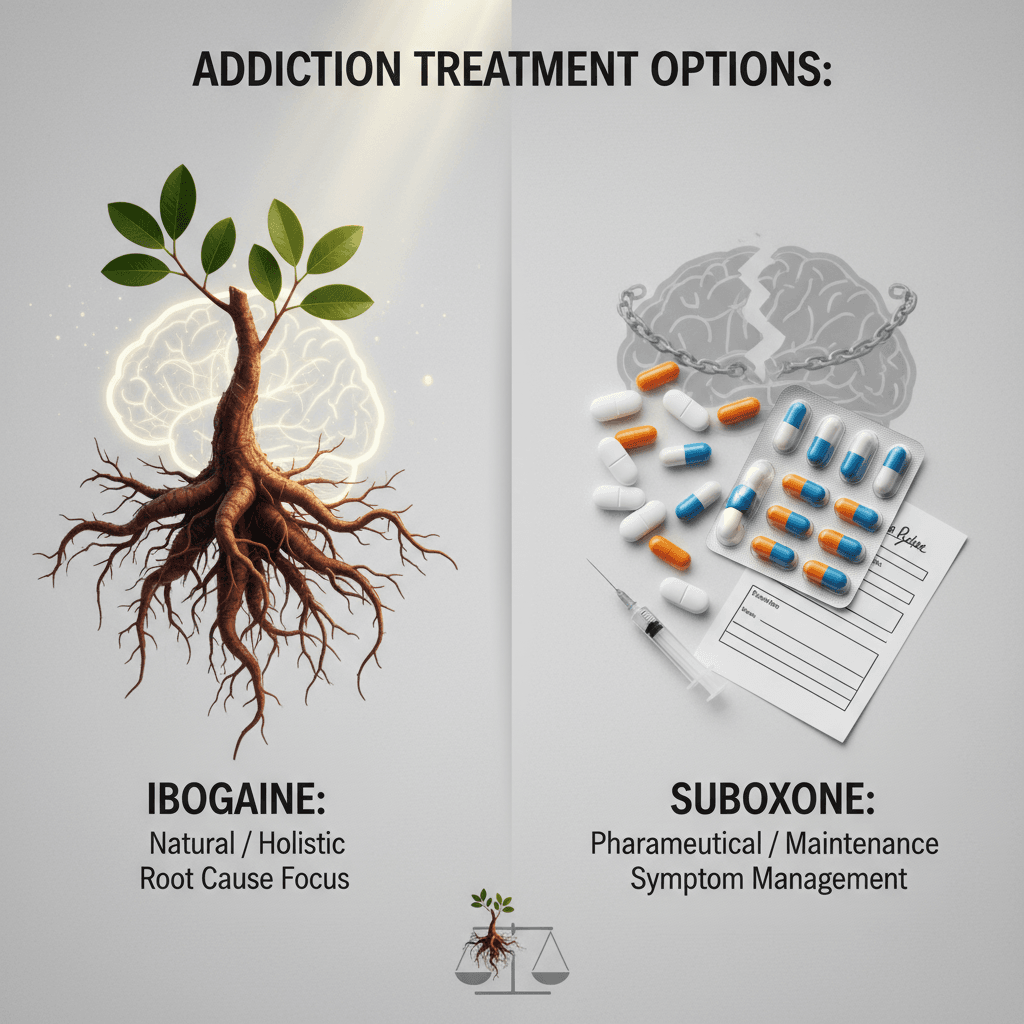
Understanding ibogaine vs Suboxone treatment

When you look at ibogaine vs Suboxone treatment, you are really comparing two very different approaches to opioid addiction. Both aim to reduce withdrawal and cravings, yet they differ in legality, safety, how they work in your brain, and what long‑term recovery might look like.

Ibogaine is a psychoactive substance from the iboga plant native to West Africa. In traditional contexts it has been used for healing and rituals and at low doses it acts as a stimulant while at higher doses it produces powerful psychedelic effects [1]. Because of those properties and its safety concerns, it is controversial as a treatment for opioid dependence.

Suboxone, on the other hand, is a medication that combines buprenorphine and naloxone. It is an FDA‑approved, office‑based treatment for opioid use disorder with a large research base and standardized medical protocols [2].

Understanding how each option works, what the evidence really shows, and what risks you accept is essential before you decide what might fit into your recovery path.

If you are also looking at other options such as methadone, ketamine, ayahuasca, or residential rehab, you may find it helpful to compare them through resources like ibogaine vs methadone treatment, ibogaine vs ketamine therapy, ibogaine vs ayahuasca for addiction, or ibogaine vs traditional rehab.

How ibogaine treatment works

Mechanism and experience

Ibogaine appears to affect multiple neurotransmitter systems, including opioid receptors. It is believed to temporarily reset opioid receptors toward their pre‑addiction state, which may sharply reduce or even stop withdrawal and cravings when taken in high doses [1].

At treatment doses, you can expect:

  • A single high‑dose session, usually in a retreat or clinic setting
  • A psychedelic or “wakeful dreaming” experience lasting many hours
  • Periods of vivid memories and psychological insight that some people describe as life‑review or spiritual

In a 2022 open‑label observational study in the Netherlands, people with opioid use disorder on prior maintenance treatment received a single 10 mg/kg dose of ibogaine‑HCl. They experienced wakeful dreaming and vivid memories, yet not frank delirium, and these psychomimetic effects were generally mild and tolerated [3].

Short‑term effects on withdrawal and cravings

Across observational data you see a consistent pattern. Many people report rapid improvement in acute withdrawal and cravings after ibogaine.

  • A survey of 88 people treated with ibogaine in Mexico found that 80 percent said it eliminated or drastically reduced opioid withdrawal symptoms and 50 percent reported reduced cravings, with a quarter of those maintaining reduced cravings for at least 3 months [4].
  • In the Dutch study, most participants experienced only mild withdrawal during the first 24 hours after ibogaine. Only 3 of 14 needed to return to morphine maintenance in that period [3].
  • A Johns Hopkins observational study, cited by The Recovery Village, reported that 80 percent of 88 subjects experienced drastic or total reduction of withdrawal symptoms and 30 percent remained opioid‑free for years after ibogaine treatment [1].

These are not randomized controlled trials, so you cannot assume the same results for yourself. However, they do suggest ibogaine has real potential to ease acute detox and can, for some people, be a catalyst for long‑term change.

Psychological and spiritual impact

Ibogaine treatment is not only pharmacological. Many people describe it as among the most meaningful experiences of their lives.

In the 2012–2015 Mexican cohort:

  • People who responded well to treatment had lower depression and anxiety and higher subjective well‑being than non‑responders
  • Responders were more likely to rate the experience as spiritually meaningful and as providing insight into the roots of their addiction [4]

For some, this psychological and spiritual component becomes a turning point, providing motivation and clarity to pursue new behaviors, therapy, or lifestyle changes after the session.

Long‑term outcomes and limitations

In terms of long‑term opioid use:

  • In the Mexican study, 30 percent of participants never used opioids again after ibogaine. Among those abstainers, 54 percent had at least 1 year of abstinence and 31 percent reported 2 or more years [4].
  • Across all participants, 41 percent reported more than 6 months of abstinence at the time of the survey, and even among those who relapsed, nearly half said their use remained lower than before treatment [4].

These numbers are promising, yet there are key caveats:

  • Studies are observational and often rely on self‑reported data
  • There are no large randomized controlled trials directly comparing ibogaine with Suboxone, methadone, or other medications
  • People who travel to receive ibogaine may be unusually motivated or different from the average person with opioid use disorder

Researchers emphasize that although ibogaine offers a potential single‑dose intervention that rapidly reduces withdrawal and craving and can provide meaningful psychological insight, evidence is still limited and does not replace established treatments such as Suboxone [4].

How Suboxone treatment works

Medication components and brain effects

Suboxone is a combination of:

  • Buprenorphine, a partial agonist at the µ‑opioid receptor
  • Naloxone, an opioid antagonist that helps deter injection misuse

Buprenorphine partially activates opioid receptors but with a ceiling effect, so its risk of overdose is lower than full agonists. It reduces withdrawal symptoms and cravings while blocking or blunting the effects of other opioids [2]. This is why Suboxone can stabilize your brain chemistry and help you function while you rebuild your life.

Dosing, duration, and medical setting

Suboxone is usually taken daily as a sublingual tablet or film. Treatment usually involves three phases:

  1. Induction as you transition off short‑acting opioids
  2. Stabilization while your dose is adjusted
  3. Maintenance and tapering, which may last months or years

Office‑based treatment with buprenorphine has expanded rapidly. Between 2002 and 2009, prescriptions increased from about 50,000 to over 5.7 million, treating more than 330,000 people in the United States [2]. This shift brought effective opioid treatment out of specialty methadone clinics and into more regular medical settings.

Effectiveness for relapse prevention

Clinical research shows buprenorphine can be as effective as methadone in reducing illicit opioid use and suppressing withdrawal, with less overdose risk and fewer toxic side effects [2].

For detox:

  • Short‑term buprenorphine tapers of 7 days were not inferior to 28‑day tapers for immediate detox outcomes
  • However, long‑term maintenance on buprenorphine over months is more effective at preventing relapse than short detox protocols [2]

In practice, this means Suboxone works best when you think of it not only as a detox aid but as a longer‑term medication‑assisted treatment that supports stability, engagement in therapy, and lifestyle changes.

Safety and risks: Ibogaine vs Suboxone

When you weigh ibogaine vs Suboxone treatment, safety is one of the starkest differences.

Ibogaine safety profile

Ibogaine is classified by the U.S. Drug Enforcement Administration as a Schedule I substance, which means it is considered to have high potential for abuse and no approved medical use in the United States [1]. As a result, people seeking ibogaine often travel to foreign or unregulated clinics, which may vary greatly in medical standards.

Known risks include:

  • Cardiac problems such as QTc prolongation and risk of arrhythmias
  • Bradycardia, or slowed heart rate
  • Neurological effects like severe ataxia and tremors
  • Hallucinations and psychological distress
  • A documented number of deaths

A review cited by The Recovery Village reported 19 deaths linked to ibogaine between 1990 and 2008, often associated with preexisting conditions, drug interactions, or lack of medical oversight [1].

In the 2022 Dutch study of people on opioid substitution therapy:

  • A single 10 mg/kg dose of ibogaine‑HCl caused clinically relevant QTc prolongation. Half of participants exceeded 500 ms QTc, which indicates a real risk of torsades de pointes, a potentially fatal arrhythmia, even though none were actually observed during monitoring.
  • All participants experienced transient severe ataxia that impaired walking. This resolved within 24 to 48 hours.
  • Cardiac changes were reversible with careful monitoring [3].

The authors concluded that because of ibogaine’s significant cardiac risks and transient neurological effects, it should be restricted to tightly controlled medical settings with strict cardiac monitoring, especially given how metabolism differences and interactions with other QT‑prolonging or CYP2D6‑inhibiting medications can further elevate risk [3].

Suboxone safety profile

Suboxone is not risk‑free, yet its safety profile is better-characterized and more manageable in routine care.

Recognized benefits and limitations include:

  • Buprenorphine has a ceiling effect that reduces the chance of fatal respiratory depression, so overdose risk is lower than many full‑agonist opioids [2].
  • It can still be misused or diverted. There is risk of accidental poisoning, especially in children, which newer delivery methods like long‑acting implants aim to reduce [2].
  • Suboxone is reported to be the least abused opioid in the United States, but illicit use, particularly by injection, carries serious risks including infection and blood‑borne disease [5].

Long‑term use can have its own side effects:

  • Physical issues such as changes in weight or appetite, sleep disturbances, constipation, headaches, and stress on the liver. Ongoing monitoring of liver enzymes is recommended [6].
  • Psychological effects such as mood swings, anxiety, depression, and possible cognitive issues with memory or concentration [6].

Stopping Suboxone abruptly after long‑term use may trigger withdrawal, including nausea, muscle aches, and anxiety, which is why a medically supervised taper and comprehensive treatment support are important [6].

Both Indiana Center for Recovery and Maryland Recovery highlight that while Suboxone is effective, it carries dependency risks of its own and works best as part of a structured, professionally monitored plan rather than an indefinite, unmanaged prescription [7].

Comparing mechanisms, duration, and recovery approach

Looking at ibogaine vs Suboxone treatment side by side can help you see the trade‑offs more clearly.

Aspect Ibogaine Suboxone
Legal status (US) Schedule I, no approved medical use, not legally available in standard clinics [1] FDA‑approved medication for opioid use disorder [2]
Primary mechanism Multi‑receptor psychedelic that may reset opioid receptors and reduce withdrawal and craving in a single high‑dose session Partial opioid agonist plus antagonist that steadily reduces withdrawal, cravings, and opioid reward over time
Treatment duration Typically 1 main session plus integration, sometimes with follow‑ups Daily medication for months or years with medically supervised taper
Evidence base Observational and survey studies, no large randomized head‑to‑head trials vs MAT [4] Robust clinical trial and real‑world data for detox and maintenance [2]
Safety Significant cardiac risk, ataxia, potential for death without strict monitoring [3] Lower overdose risk than full agonists, but dependence, diversion, and side effects are concerns
Psychological component Intense psychedelic, spiritual, and insight‑oriented experience Primarily pharmacologic stabilization, psychological work added through therapy and counseling
Long‑term pattern Potential one‑time “reset,” but often requires ongoing therapy, support, and lifestyle changes Steady maintenance and gradual behavior change supported by medication and psychosocial care

If you would like to explore how ibogaine compares to other medication‑assisted approaches in more detail, resources such as ibogaine vs medication assisted treatment, ibogaine vs buprenorphine treatment, and ibogaine vs detox medication treatment can provide additional context.

Long‑term outcomes: What you can realistically expect

Ibogaine: Potential benefits and unknowns

Long‑term outcomes after ibogaine vary widely. Some people report complete abstinence for years and profound life change. Others relapse quickly or require multiple treatments.

Available data suggest:

  • Significant short‑term relief from withdrawal and craving for many
  • Around one‑third may maintain long‑term abstinence in some cohorts
  • Many others see partial benefit such as reduced use or improved mental health [8]

However, without controlled comparative trials, you cannot say with confidence that ibogaine produces better long‑term outcomes than Suboxone. What you can say is that for a subset of people who tolerate the treatment safely and integrate the experience through therapy, peer support, and lifestyle change, it can be a powerful catalyst.

Suboxone: Stability and gradual change

Long‑term recovery on Suboxone often looks less dramatic but more stable. You may:

  • Experience gradual reduction in cravings and illicit opioid use
  • Stabilize work, relationships, and daily functioning
  • Use the “breathing room” created by medication to focus on therapy and rebuilding your life

Research shows that longer maintenance on buprenorphine is more effective than brief detox when it comes to preventing relapse [2]. The trade‑off is that you may be on a medication that itself can create physical dependence and can be hard to taper, especially if underlying trauma, mental health conditions, or social stressors remain unaddressed.

Maryland Recovery notes that Suboxone and similar medications are often most useful in the detox and early stabilization phases and should be paired with a structured, personalized treatment plan rather than viewed as the only long‑term solution [5].

How to decide what fits your situation

When you weigh ibogaine vs Suboxone treatment, the “right” choice depends on your history, risk tolerance, resources, and goals.

Questions you might ask yourself include:

  • How severe is your current opioid use and withdrawal risk?
  • Have you tried Suboxone or methadone before? What worked, what did not?
  • Do you have medical conditions or medications that increase cardiac risk, which would make ibogaine especially dangerous?
  • Are you prepared to engage in therapy, peer support, or structured rehab after any detox or psychedelic experience?
  • How do you feel about daily medication versus a one‑time or occasional psychedelic intervention?

If you are considering ibogaine, it is especially important to:

  • Understand that in the United States it is illegal and unregulated
  • Recognize the real possibility of serious cardiac events
  • Prioritize clinics that provide careful screening, on‑site cardiac monitoring, and full medical backup if you choose to travel

If you are leaning toward Suboxone or other medications, you may want to speak with a provider who understands the full spectrum of options, from methadone and Suboxone to newer long‑acting formulations. Resources such as ibogaine vs methadone detox, ibogaine vs detox centers, and ibogaine vs rehab programs can help you see how medication fits within broader treatment systems.

You might also explore how ibogaine compares with other psychedelic approaches in ibogaine vs psychedelic therapy for addiction if you are drawn to that style of healing.

Integrating any treatment into a long‑term recovery plan

No matter which path you choose, long‑term outcomes depend less on the specific detox method and more on what you put in place around it.

You will strengthen your chances of sustained recovery if you:

  • Combine medical treatment with evidence‑based therapies, such as cognitive behavioral therapy or trauma‑informed counseling
  • Build social support through peer groups, family work, or community recovery networks
  • Address co‑occurring mental health conditions like depression, anxiety, or PTSD
  • Make concrete changes in your environment, relationships, and daily routines that previously supported opioid use

Ibogaine may offer a powerful reset that helps you see your life differently. Suboxone may offer steady stability that lets you rebuild from the ground up. In both cases you still need a plan for the months and years after detox.

If you treat ibogaine vs Suboxone treatment not as a one‑time choice but as part of a larger recovery strategy, you are more likely to find a combination of tools that supports your own version of long‑term healing.


References

  1. (The Recovery Village)
  2. (PMC)
  3. (Addiction)
  4. (PMC – NCBI)
  5. (Maryland Recovery)
  6. (Treatment Indiana)
  7. (Treatment Indiana, Maryland Recovery)
  8. (PMC – NCBI, The Recovery Village)
Facebook
Twitter
LinkedIn

Speak with our team about your goals, safety, preparation, and next steps. 45 min on Google Meet/phone.

Daisy Silva

Clinical Director, Integration Specialist, Nutritionist

Daisy serves as the Clinical Director at Iboga Wellness Institute, where she oversees the coordination of patient care, treatment preparation, and post-experience integration to ensure each individual receives comprehensive, compassionate, and medically aligned support throughout their healing journey. With a multidisciplinary background that combines clinical coordination, integrative wellness, and advanced nutritional practice, Daisy plays a central role in bridging medical treatment with sustainable lifestyle transformation. 

As Clinical Director, Daisy manages the continuum of care from initial intake through post-treatment follow-up. She works closely with the medical team, led by Dr. Omar A. Calderón, to ensure that every client is properly prepared—physically, emotionally, and nutritionally—for ibogaine therapy. Her responsibilities include reviewing health histories, coordinating pre-treatment requirements, guiding clients through preparation protocols, and ensuring that each case is handled with precision, discretion, and individualized attention. 

In her role as an Integration Specialist, Daisy helps clients translate their ibogaine experience into meaningful, lasting change. She provides structured pre-integration education and post-treatment support designed to help individuals process insights, stabilize routines, and build healthy behavioral patterns that reinforce neurological reset and emotional healing. Her approach emphasizes grounding, accountability, and practical application, allowing clients to return home with clear strategies for maintaining progress. Daisy understands that ibogaine is not a standalone solution, but rather a catalyst for transformation that must be supported through intentional integration and lifestyle alignment. 

Daisy is also a highly experienced Nutritionist, specializing in therapeutic nutrition that supports neuroregulation, metabolic restoration, and overall physiological balance. She designs individualized nutritional plans that focus on replenishment, inflammation reduction, gut health optimization, and micronutrient support—critical elements for patients recovering from substance use, chronic stress, or neurological dysregulation. Her programs incorporate whole-food strategies, targeted supplementation guidance, and education on sustainable dietary habits that extend far beyond a client’s stay at the Institute. 

Her philosophy centers on the understanding that true healing requires alignment of body, mind, and environment. By integrating clinical structure with holistic wellness principles, Daisy ensures that each client is not only medically safe during treatment but also empowered with the tools necessary to sustain long-term recovery and vitality. 

Known for her meticulous organization, warm presence, and unwavering dedication to patient advocacy, Daisy has become a trusted guide for clients navigating some of the most pivotal moments of their lives. She brings both professionalism and empathy to every interaction, creating an atmosphere where individuals feel supported, informed, and confident in their path forward. 

At The Iboga Wellness Institute, Daisy’s leadership helps define the standard of care—one that unites medical excellence, integrative support, and nutritional science to foster lasting transformation and whole-person wellness.

Luisa Cab, RN

HEAD NURSE

Luisa Cab, RN, is the Head Nurse at Iboga Wellness Institute, where she serves as a cornerstone of our medical team and is proudly practicing full-time within our medical program. With a strong background in Western nursing and several years of hands-on experience working with ibogaine therapy, Luisa brings a rare and essential combination of traditional medical expertise and specialized knowledge in plant-medicine–assisted care. 

As a Registered Nurse, Luisa is deeply committed to maintaining the highest standards of patient safety, clinical monitoring, and ethical medical practice. At Iboga Wellness Institute, she oversees critical aspects of the treatment process, including medical preparation, continuous observation, vital sign assessment, and post-treatment care. Her training in conventional healthcare allows her to apply rigorous nursing protocols while ensuring that each guest receives attentive, individualized support throughout their healing journey. 

Luisa has developed extensive experience working specifically with ibogaine over the years, understanding both its physiological demands and its transformative therapeutic potential. She plays an integral role in creating a safe, structured environment where medical oversight and compassionate care work hand in hand. Her ability to seamlessly integrate Western clinical standards with the unique needs of ibogaine treatment helps ensure that every guest is supported with professionalism, stability, and reassurance. 

Known for her warm demeanor and calming presence, Luisa provides far more than clinical supervision—she offers genuine comfort and human connection. Guests consistently find reassurance in her attentiveness, kindness, and ability to anticipate their needs during vulnerable moments. Her compassionate approach allows individuals to feel secure enough to fully engage in the healing process. 

Luisa’s dedication, experience, and heartfelt commitment to patient-centered care make her an invaluable leader within Iboga Wellness Institute. She embodies our mission of delivering medically responsible, safe, and transformative treatment while honoring the dignity and well-being of every person we serve.

Ray Rodriguez

Psychedelic Integration Coach & Recovery Mentor

Ray Rodriguez serves as a Psychedelic Integration Coach and Recovery Mentor at Iboga Wellness Institute, bringing over a decade of direct, hands-on experience supporting individuals and families navigating addiction recovery, personal transformation, and long-term post-treatment integration. His work is grounded in both professional training and lived experience, allowing him to guide clients with authenticity, empathy, and practical insight. 

Certified through Being True To You, Ray has worked extensively within family systems and recovery-oriented frameworks, helping clients prepare for treatment, navigate the depth of their therapeutic experience, and translate insights into meaningful, sustainable life changes. He spent five years working one-on-one within one of the first viable ibogaine therapeutic aftercare programs, where he provided structured reintegration support for individuals transitioning from clinical treatment back into everyday life. This experience shaped his specialization in stabilization, accountability, and long-term success beyond the acute treatment phase. 

Ray’s personal journey includes recovery from opiate addiction, an experience that informs his compassionate, nonjudgmental approach. His own healing path led him to explore plant medicine as a catalyst for deeper change, and he has since supported individuals working with modalities including ibogaine, ayahuasca, kambo, and bufo. His philosophy prioritizes safety, preparation, and responsibility—emphasizing that true healing is not defined by peak experiences, but by the ability to integrate those experiences into lasting behavioral, emotional, and relational transformation. 

Well-versed in multiple recovery models, Ray works fluidly within both 12-Step programs and SMART Recovery, meeting clients within their chosen framework without imposing ideology. His coaching style is collaborative and client-centered, honoring each individual’s worldview, belief system, and stage of readiness while providing grounded structure and accountability. 

In addition to his integration and recovery work, Ray is a Certified Holographic Sound Practitioner, incorporating harmonic and sound-based modalities when appropriate to support nervous system regulation and emotional processing. His methodology weaves together embodiment practices, yoga, nature-based experiences, frequency work, and structured integration strategies designed to help clients anchor insights into daily living. 

Areas of Specialization 

Pre-ibogaine preparation and intention setting 
Post-treatment integration and stabilization
Therapeutic aftercare and recovery support 
Family systems education and alignment 
Addiction recovery coaching and relapse prevention 
Nervous system regulation and embodiment practices 
Bridging traditional recovery models with psychedelic-assisted healing 

At The Iboga Wellness Institute, Ray plays a vital role in ensuring that healing extends far beyond the clinical setting. His work focuses on helping individuals transform profound therapeutic experiences into sustainable, embodied change—supporting them as they rebuild lives rooted in clarity, resilience, and purpose.

Dr. Omar A. Calderón

Chief Medical Director

Dr. Omar A. Calderón is a licensed Medical Doctor and serves as the Chief Medical Director at Iboga Wellness Institute, where he leads all medical oversight, patient safety protocols, and clinical treatment standards. With more than 10 years of experience in emergency medicine, Dr. Calderón brings extensive expertise in acute care, cardiovascular monitoring, pharmacology, and critical patient management—an essential foundation for the safe administration of ibogaine therapy. 

Throughout his decade of service in the Emergency Room, Dr. Calderón treated a wide range of complex and high-risk medical conditions, developing a disciplined, detail-oriented approach to diagnostics, stabilization, and continuous monitoring. This experience directly informs his rigorous medical model at Iboga Wellness Institute, where safety, screening, and individualized care remain the highest priorities. 

For over five years, Dr. Calderón has specialized in the clinical application of ibogaine within structured, medically supervised environments. He is highly experienced in comprehensive pre-treatment evaluations, EKG and QTc analysis, medication management, risk stratification, and medically guided dosing protocols. His work focuses on supporting individuals facing substance dependence, neurological conditions, and trauma-related challenges through responsible, evidence-informed care. 

A native of Cozumel, Dr. Calderón offers a unique integration of local cultural understanding and international medical standards. His leadership helps ensure that Iboga Wellness Institute maintains a model that combines compassionate healing with hospital-level medical diligence, ethical stewardship, and continuous patient monitoring. 

Dr. Calderón is widely respected for his calm clinical presence, precision, and unwavering commitment to patient well-being. He believes that innovative therapies must be delivered with the highest level of medical responsibility, ensuring that every patient receives care that is safe, ethical, and deeply supportive of long-term recovery and transformation.

Mike Powers

Co-Founder

Mike Powers is a Co-Founder of Iboga Wellness Institute, where he combines his personal journey of recovery with a strong background in business leadership and entrepreneurship to help guide the organization’s mission of delivering safe, innovative, and compassionate care. Mike’s path to this work is rooted in both extraordinary athletic achievement and firsthand experience with the long-term consequences of high-impact sports. 

As a standout collegiate football player, Mike , earned the distinction of being a two-time national champion and receiving prestigious All-American honors. His athletic career was defined by discipline, perseverance, and an unrelenting commitment to performance—traits that later became essential as he faced the physical toll of the game. After sustaining multiple concussions, Mike began to experience the cumulative neurological effects associated with traumatic brain injury and, ultimately, Chronic Traumatic Encephalopathy (CTE). Like many former athletes, he encountered limited treatment options within conventional Western medicine that addressed symptoms but failed to offer meaningful restoration or healing. 

Determined to find answers beyond traditional models of care, Mike began exploring alternative therapies. This search led him to ibogaine treatment, an experience that proved to be profoundly transformative. Through this process, Mike experienced significant improvements in clarity, emotional well-being, and overall quality of life—an outcome that reshaped not only his health, but also his sense of purpose. The experience ignited a deep commitment to helping others who were facing similar neurological, psychological, and substance-related challenges discover pathways to healing that had previously seemed out of reach. 

Motivated by this mission, Mike co-founded Iboga Wellness Institute to create a medically responsible, ethically grounded environment where individuals could access ibogaine therapy within a structured framework that prioritizes safety, clinical oversight, and whole-person care. His vision has been instrumental in shaping the Institute’s focus on supporting individuals suffering from traumatic brain injuries, addiction, and other complex conditions through integrative, evidence-informed approaches. 

In addition to his work in the health and wellness space, Mike is a seasoned American entrepreneur who has been a part of multiple businesses across diverse industries. This extensive business experience provides the operational foundation necessary to build sustainable treatment environments that meet rigorous professional standards. 

Mike brings a unique combination of lived experience, executive leadership, and unwavering compassion to The Iboga Wellness Institute. His journey from elite athlete to advocate for innovative healing allows him to connect deeply with those seeking recovery and renewal. Through his work, Mike remains dedicated to expanding awareness, accessibility, and responsible delivery of ibogaine therapy offering hope to individuals and families searching for meaningful solutions beyond conventional care.

James Collins

Co-Founder and Chief Executive Officer

James Collins is the Co-Founder and Chief Executive Officer of Iboga Wellness Institute, where he has played an integral role in the vision, development, and operational launch of the organization. With a diverse entrepreneurial background and decades of experience owning and operating multiple businesses throughout the United States, James brings a unique blend of executive leadership, operational strategy, and client-centered service to the rapidly evolving field of ibogaine-assisted therapy. 

Before co-founding Iboga Wellness Institute, James built a successful career across several industries, including real estate development , hospitality, sales, and business development. His extensive experience in launching, scaling, and managing companies has equipped him with the operational discipline and financial oversight necessary to build sustainable, compliant, and patient-focused wellness environments. His entrepreneurial track record reflects a consistent ability to transform vision into structured, results-driven organizations. 

James also possesses a strong background in marketing and brand development, having led strategic initiatives that positioned businesses for growth in competitive markets. This expertise has been instrumental in shaping the identity and outreach of Iboga Wellness Institute, helping to elevate awareness of ibogaine therapy while maintaining a professional, ethical, and medically responsible presence. 

Throughout his lengthy career in sales and customer service, James cultivated a deep understanding of client relationships and the importance of trust, transparency, and individualized care. These principles now guide the Institute’s patient experience model, ensuring that every individual who walks through the doors is treated with dignity, compassion, and the highest level of support. 

Known for his dedication, integrity, and hands-on leadership style, James is deeply committed to advancing the responsible integration of plant-based medicines into modern therapeutic frameworks. He is a passionate advocate for the ibogaine movement, working to expand safe, structured access not only but worldwide. His mission is to help bridge the gap between traditional healing knowledge and contemporary medical standards, creating pathways for individuals seeking recovery, neurological support, and personal transformation. 

At the core of James’s work is a sincere belief in healing through compassion, structure, and innovation. His leadership continues to drive Iboga Wellness Institute’s growth as a center focused on safety, education, and meaningful outcomes for those seeking lasting change.

Neurological Conditions & Chronic Pain

Repair Mechanisms Medicine Considers Impossible

Conventional neurology treats most conditions as irreversible—managing symptoms while accepting inevitable decline. Ibogaine challenges that assumption by stimulating neurological repair processes that modern medicine barely understands.

Parkinson's Disease

Multiple clinical studies document significant tremor reduction following ibogaine treatment. Patients report improved motor control, reduced rigidity, better sleep, and cognitive clarity. The mechanism involves GDNF (glial cell line-derived neurotrophic factor) production—a protein that protects dopamine neurons and may slow disease progression.

Multiple Sclerosis

MS patients report reduced inflammation, improved mobility, decreased fatigue, and symptom stabilization. While not a cure, ibogaine appears to interrupt the neuroinflammatory cascade driving MS progression and potentially support remyelination.

Traumatic Brain Injury & Post-Concussion Syndrome

Veterans with blast exposure, athletes with multiple concussions, accident survivors with persistent TBI symptoms—patients given no hope for improvement beyond “wait and see”—experience headache reduction, cognitive fog lifting, mood stabilization, and functional recovery.

Chronic Traumatic Encephalopathy (CTE)

While CTE can only be definitively diagnosed post-mortem, patients with suspected CTE (multiple concussions, progressive symptoms, cognitive decline) report symptom improvement and slowed deterioration following ibogaine therapy.

Neuropathic Pain

Pain from nerve damage that opioids can’t touch without creating dependency. Fibromyalgia. Complex regional pain syndrome. Chronic pain driving addiction. Ibogaine’s NMDA receptor antagonism interrupts pain signaling at the source—offering relief that conventional treatments cannot provide.

The Neuroplasticity Factor

Medical training teaches that neurological damage is permanent. Ibogaine contradicts that dogma. The evidence base is growing but still limited by ibogaine’s legal status preventing large-scale trials. Clinical outcomes documented by providers like us consistently show improvement that shouldn’t be possible according to conventional neurology.

Treatment-Resistant Mental Health & Trauma

Accessing What Therapy Cannot Reach

Traditional mental health treatment works for many people. For those it doesn’t help—patients who’ve tried multiple medications, years of therapy, and every recommended approach without relief—ibogaine offers a different path.

PTSD & Combat Trauma

Clinical trials show 60-88% reduction in PTSD symptoms following ibogaine therapy. Veterans with treatment-resistant combat trauma, first responders with cumulative stress, survivors of assault or abuse—patients who’ve exhausted VA resources and traditional trauma therapy report breakthrough that seemed impossible.

Treatment-Resistant Depression

When SSRIs, SNRIs, tricyclics, MAOIs, ketamine, and ECT haven’t worked—when years of therapy produce no improvement—ibogaine’s neurotransmitter reset creates changes that conventional antidepressants cannot achieve. Patients describe lifting of depression that’s persisted for decades.

Anxiety Rooted in Trauma

Surface-level anxiety management (breathing exercises, cognitive reframing, medication) doesn’t address trauma-based anxiety. Ibogaine allows patients to process the traumatic material driving their anxiety—material that conscious therapy often cannot access.

Complex Grief

Loss that therapy can’t resolve. Grief that’s become pathological. Mourning that’s stolen years of life. Ibogaine facilitates emotional processing that talk therapy reaches only intellectually—allowing patients to actually feel, process, and begin releasing what they’ve carried.

Why It Works Differently

Ibogaine creates a unique psychological state where deeply buried memories, traumas, and patterns surface for processing. It’s not talk therapy—it’s direct access to subconscious material, allowing patients to confront and process what’s been driving symptoms for years or decades.

What Patients Report

Clarity about trauma origins. Emotional release that feels complete rather than temporary. Reduced hypervigilance. Improved sleep. Ability to connect with others. Freedom from symptoms that defined their existence.

Addiction & Substance Dependency

Neurological Interruption, Not Maintenance

Ibogaine fundamentally differs from traditional addiction treatment. Instead of substituting one substance for another or requiring lifelong management, ibogaine interrupts dependency at the neurological level—resetting brain chemistry and eliminating the physical chains of addiction.

Opioid Addiction

Patients dependent on heroin, fentanyl, prescription painkillers, methadone, or Suboxone experience withdrawal elimination within 24-36 hours of ibogaine administration. Physical cravings are dramatically reduced or completely absent. This isn’t suppression—it’s neurological reset.

Alcohol Dependency

Clinical data shows 70-80% reduction in alcohol cravings following ibogaine treatment. Patients who’ve failed multiple rehabs, experienced dangerous withdrawal attempts, or struggled with decades of dependency report freedom they never thought possible.

Stimulant Addiction

Cocaine, methamphetamine, and prescription stimulant (Adderall, Ritalin) dependencies respond to ibogaine’s dopamine system reset. The compulsive drive that traditional therapy can’t touch is interrupted at its neurological source.

Polysubstance Use

Many patients aren’t addicted to a single substance—they’re managing multiple dependencies simultaneously. Ibogaine addresses the underlying neurological patterns driving all substance use, not just one drug at a time.

Why Traditional Treatment Fails

Methadone and Suboxone are opioids—they maintain dependency while managing symptoms. Rehab addresses behavioral patterns but not neurological addiction. Willpower fails because addiction isn’t a character flaw—it’s brain chemistry. Ibogaine changes that chemistry.

What Research Shows

Studies consistently demonstrate ibogaine’s ability to eliminate withdrawal symptoms, reduce cravings for extended periods (months to years), and create the neurological space necessary for sustained recovery. Success rates far exceed traditional treatment modalities.

Who Should Not Use Hyperbaric Oxygen Therapy

Important Safety Information

Hyperbaric oxygen therapy is generally safe when properly administered, but certain medical conditions create serious risks and disqualify patients from treatment. The following contraindications must be carefully evaluated:

Untreated Pneumothorax (Collapsed Lung)

The single most critical contraindication. Pressure changes in the hyperbaric chamber can worsen a pneumothorax, potentially causing life-threatening tension pneumothorax. Even resolved pneumothorax requires careful evaluation—history of spontaneous pneumothorax significantly increases risk of recurrence under pressure.

Certain Chemotherapy Drugs

Bleomycin, Doxorubicin (Adriamycin), Cisplatin, and Disulfiram (Antabuse) create dangerous interactions with hyperbaric oxygen. These medications must be discontinued with adequate clearance periods before HBOT. Patients currently undergoing chemotherapy with these agents cannot receive hyperbaric therapy.

Severe COPD or Emphysema

Advanced chronic obstructive pulmonary disease with CO2 retention or air trapping creates pulmonary complication risks. Patients may be unable to tolerate oxygen toxicity prevention protocols (air breaks). Each case requires individual pulmonologist evaluation.

Uncontrolled High Fever

Fever above 101°F increases metabolic rate and oxygen consumption, raising seizure risk from oxygen toxicity. Treatment must be postponed until fever resolves and underlying infection is addressed.

Uncontrolled Seizure Disorders

High-pressure oxygen can lower seizure threshold in susceptible individuals. Well-controlled epilepsy on stable medication may be acceptable, but uncontrolled seizures or recent seizure activity requires neurologist clearance.

Upper Respiratory Infections

Active sinus infections, severe congestion, or ear infections prevent safe pressure equalization. Treatment postponed until infection clears. Inability to equalize ear pressure creates barotrauma risk (ruptured eardrum, severe pain).

Recent Ear Surgery or Eustachian Tube Dysfunction

Surgical ear procedures within 3-6 months, perforated eardrum, or inability to equalize pressure safely creates barotrauma risk. ENT evaluation required before HBOT approval.

Severe Claustrophobia or Panic Disorder

While our chambers are spacious and clear, some patients cannot tolerate enclosed spaces under any circumstances. Severe anxiety during sessions compromises safety and prevents pressure equalization. Mild anxiety often manageable with preparation and support.

Pregnancy Status: Exercise Caution

HBOT effects on fetal development aren’t fully understood. While not absolutely contraindicated, treatment during pregnancy requires:

  • Compelling medical necessity (life/limb threatening condition)
  • Informed consent acknowledging unknown fetal risks
  • OB/GYN consultation and approval
  • Benefits clearly outweighing theoretical risks

Most elective HBOT (TBI recovery, PTSD, addiction support) should be postponed until after pregnancy and breastfeeding.

Medications Requiring Adjustment or Discontinuation

Steroids (Prednisone, Dexamethasone):
May impair wound healing that HBOT aims to enhance. Doesn’t prohibit treatment but may reduce effectiveness.

Diabetes Medications:
HBOT can lower blood sugar. Diabetic patients require careful glucose monitoring and possible insulin/medication adjustments during treatment course.

Blood Pressure Medications:

Hyperbaric oxygen can affect blood pressure. Antihypertensive medications may need adjustment.

Recent Heart Attack (within 3 months):
Cardiovascular system needs stabilization before additional physiological stress from hyperbaric treatment.

Uncontrolled Congestive Heart Failure:
Fluid status must be optimized. Severe CHF creates pulmonary edema risk under hyperbaric conditions.

Pacemakers/Implanted Devices:
Not contraindicated but require verification that devices are pressure-rated and MRI-compatible (some monitoring equipment uses magnets).

Cataracts:
HBOT can accelerate cataract progression in susceptible individuals. Not a contraindication but patients should be informed. Cataract surgery may be needed sooner.

History of Optic Neuritis:
Increased risk of vision changes. Ophthalmology consultation recommended before starting HBOT.

Recent Eye Surgery:
Intraocular pressure changes during compression/decompression. Wait 6-8 weeks post-surgery before HBOT.

Children:
HBOT is safe for pediatric patients but requires age-appropriate chamber (multiplace with parent present) and ability to cooperate with ear equalization instructions.

Elderly Patients:
Age alone is not a contraindication. However, comorbid conditions common in elderly (COPD, heart disease, sensory deficits) require careful screening.

Patients with Implants:
Most implants (joint replacements, surgical hardware, dental work) are safe. Certain older devices or experimental implants require manufacturer verification of pressure tolerance.

Even without contraindications, all patients should understand potential side effects:

Barotrauma (Middle Ear/Sinus)

Most common complication. Caused by inability to equalize pressure. Ranges from mild discomfort to ruptured eardrum. Prevented through proper equalization techniques taught before treatment.

Temporary Vision Changes

Reversible myopia (nearsightedness) affects 20% of patients after 20+ treatments. Vision returns to baseline 6-8 weeks after HBOT ends.

Oxygen Toxicity

Rare when air breaks are properly administered. Symptoms: muscle twitching, nausea, dizziness, seizures (extremely rare). Prevented through treatment protocol design.

Pulmonary Oxygen Toxicity

Very rare with standard protocols (60-90 minute sessions). Would require many hours of continuous oxygen exposure.

Fatigue

Common. Many patients feel tired after sessions—body is working hard to heal. Usually improves as treatment course progresses.

Before any patient begins HBOT, our physicians conduct:

  • Complete medical and surgical history review
  • Pulmonary function assessment
  • Cardiovascular evaluation
  • Ear, nose, throat examination
  • Medication review for interactions
  • Informed consent discussion of all risks
  • Ear equalization training and practice

We err on the side of extreme caution. If there’s any question about safety, we decline to provide therapy until concerns are resolved.

When in Doubt, We Say No

Your safety matters more than providing a requested service. If our medical team determines HBOT presents unacceptable risk—even if you’ve traveled for ibogaine treatment—we won’t proceed with hyperbaric therapy.

This isn’t about excluding people. It’s about protecting lives.

Still Have Questions ? Talk to our Medical Team

Who Should Not Use 5-MeO-DMT

Important Safety Information

5-MeO-DMT is a powerful entheogenic medicine that is not safe or appropriate for everyone. The following conditions create serious risks and disqualify patients from this therapy:

ACTIVE PSYCHOSIS OR SCHIZOPHRENIA

Current psychotic symptoms or diagnosed schizophrenia spectrum disorders create extreme risk of psychological destabilization, prolonged psychotic episodes, or permanent worsening of condition. Even if currently stable on medication, the intensity of 5-MeO-DMT can trigger acute psychotic breaks.

SEVERE BIPOLAR DISORDER (TYPE I)

Particularly during manic or mixed episodes. 5-MeO-DMT can trigger manic episodes, destabilize mood regulation, or cause rapid cycling that’s difficult to manage medically.

SEVERE DISSOCIATIVE DISORDERS

Conditions like Dissociative Identity Disorder (DID) or severe depersonalization/derealization disorder may be dangerously exacerbated by ego-dissolving experiences.

ACTIVE SUICIDAL IDEATION WITH INTENT

While we treat depression and suicidal thinking with ibogaine, active intent to self-harm combined with 5-MeO-DMT’s intensity creates unacceptable risk during the vulnerable post-experience period.

UNCONTROLLED HYPERTENSION

5-MeO-DMT can temporarily elevate blood pressure and heart rate. Uncontrolled high blood pressure (systolic >160, diastolic >100) creates stroke or cardiac event risk.

RECENT HEART ATTACK OR STROKE

Within 6 months. Cardiovascular system needs complete stabilization before additional stress from powerful medicines.

SEVERE CARDIAC ARRHYTHMIAS

Irregular heart rhythms that aren’t medically controlled create risk of dangerous cardiac events during the intense physiological response to 5-MeO-DMT.

ADVANCED HEART FAILURE

Compromised cardiac function cannot safely handle the temporary cardiovascular stress of the experience.

MAOIs (Monoamine Oxidase Inhibitors)

Dangerous interaction. Must be discontinued with physician guidance well before 5-MeO-DMT.

SSRIs/SNRIs (Antidepressants)

Can create dangerous serotonin syndrome when combined with 5-MeO-DMT. Requires tapering and clearance period.

Lithium

Severe interaction risk. Creates potential for seizures and extreme psychological reactions.

Certain Blood Pressure Medications

Some interact dangerously. Full medication review required.

Pregnancy or Breastfeeding

Unknown risks to fetal development and infant exposure through breast milk. Absolutely contraindicated.

Severe Liver or Kidney Disease

Compromised organ function affects medicine metabolism and increases complication risk.

Seizure Disorders (Uncontrolled)

5-MeO-DMT can lower seizure threshold in susceptible individuals.

Recent Ibogaine Treatment Without Clearance

Must be medically stable and cleared by physicians. Timing matters for safety.

Even if medically cleared, 5-MeO-DMT may not be appropriate if you:

Fear Losing Control

Ego dissolution means complete surrender. If the concept terrifies rather than intrigues you, this isn’t the right medicine.

Expect Recreational Experience

This is profound therapeutic work, not entertainment. Wrong expectations create difficult experiences.

Have Unrealistic Expectations

5-MeO-DMT is not a magic cure. It’s a tool for deep work that requires integration and effort.

Lack Integration Support

The experience demands processing. Without willingness to do integration work, benefits are lost.

Before any patient is approved for 5-MeO-DMT therapy, our physicians conduct:

  • Complete medical history review
  • Psychiatric evaluation
  • Medication interaction assessment
  • Cardiovascular screening
  • Psychological readiness evaluation
  • Informed consent discussion of all risks

We err on the side of caution. If there’s any question about safety, we decline to provide this therapy.

When in Doubt, We Say No

Your safety matters more than providing a requested service. If our medical team determines 5-MeO-DMT isn’t appropriate for you—even if you’ve traveled for ibogaine treatment—we won’t proceed.

This isn’t about excluding people. It’s about protecting lives.

Still Have Questions ? Talk to our Medical Team

Intention: Purpose-Built for Transformation

These spaces aren’t repurposed hotels or converted vacation rentals. Every element—from room layout to lighting design to garden placement—was conceived specifically for ibogaine therapy and the healing work it facilitates. The treatment suites balance medical functionality with psychological comfort. The outdoor spaces invite contemplation without overstimulation. The common areas allow connection when wanted and solitude when needed. Nothing here is accidental. Every detail reflects our commitment to your healing above all other considerations.

Comfort: Nervous System Regulation

Your autonomic nervous system must downregulate for healing to occur. Chronic stress, uncomfortable surroundings, and sensory overwhelm keep you in fight-or-flight mode—the opposite of the parasympathetic state needed for neurological repair. Beautiful natural surroundings, quality bedding, temperature control, peaceful gardens, nourishing food, comfortable furnishings—these aren’t luxuries, they’re therapeutic necessities. When your environment supports regulation, your body can allocate resources to healing instead of coping with environmental stressors.

Privacy: Freedom to Go Deep

Deep psychological work requires freedom from judgment, observation, and the performance of normalcy. Our facilities protect your confidentiality absolutely—gated access, discrete locations, staff trained in privacy protocols, and separate accommodations for high-profile patients. This isn’t just about avoiding publicity; it’s about creating sacred space where you can be completely vulnerable without fear of exposure. Transformation happens when masks come off. Privacy makes that possible.

Safety: The Foundation of Everything

You cannot heal if you don’t feel safe. Fear activates survival mechanisms that shut down the very neurological processes ibogaine is trying to reset. Our medical infrastructure—ICU-level monitoring equipment, emergency response systems, experienced physicians on-site 24/7—creates the physical safety that allows your nervous system to trust the process. Proven protocols refined over 3,000+ treatments mean we’ve encountered virtually every scenario and know how to respond. When your body knows it’s protected, it can focus energy on healing rather than vigilance.

Our Treatment Protocols

Medical Excellence in Ibogaine Therapy

Our protocols represent decades of clinical experience, peer-reviewed research, and an unwavering commitment to patient safety. Here’s what sets our approach apart:

NO TWO PATIENTS ARE IDENTICAL

We don’t use one-size-fits-all dosing. Your ibogaine protocol is calculated based on:

  • Your specific condition (addiction, PTSD, Parkinson’s, etc.)
  • Body weight and metabolism
  • Cardiac function and QT interval baseline
  • Liver function capacity
  • Current medications and health status
  • Treatment goals and severity

DOSING APPROACHES INCLUDE

  • Flood dose protocol: Full therapeutic dose for addiction and deep psychological work
  • Low-dose protocol: Gentler approach for medical conditions or older patients
  • Microdosing regimen: Extended treatment for neurological repair
  • Booster protocols: Follow-up sessions for sustained results

Your physician determines the optimal approach during pre-treatment assessment.

WHY HEART MONITORING IS CRITICAL

Ibogaine temporarily affects cardiac electrical activity, specifically the QT interval—the time it takes your heart to recharge between beats. Prolonged QT intervals can lead to dangerous arrhythmias.

OUR CARDIAC SAFETY PROTOCOL

Pre-treatment:

  • Baseline 12-lead EKG to establish your normal QT interval
  • Echocardiogram if cardiac history warrants
  • Electrolyte optimization (magnesium, potassium, calcium)
  • Physician review of all cardiac risk factors

During treatment:

  • Continuous real-time cardiac monitoring
  • Automated QT interval analysis with alarms
  • ICU-trained nursing staff observing rhythm constantly
  • Physician check-ins every 2-4 hours
  • Emergency equipment immediately accessible

Post-treatment:

  • 12-lead EKG within 24 hours
  • Continued monitoring until QT normalizes
  • Electrolyte panel to confirm balance

Result: We’ve safely treated hundreds of patients without serious cardiac events because we monitor obsessively and respond immediately to any changes.

THE FOUNDATION OF CARDIAC SAFETY

Proper electrolyte balance is critical for preventing cardiac complications during ibogaine treatment. Imbalances—especially low magnesium or potassium—increase risk of dangerous heart rhythms.

OUR ELECTROLYTE PROTOCOL

48 hours before treatment:

  • Comprehensive blood chemistry panel
  • IV supplementation begins if levels are suboptimal
  • Repeat testing to confirm optimization

Immediately before treatment:

  • Final electrolyte verification
  • Additional IV supplementation as needed
  • Magnesium bolus (proven protective for QT prolongation)

During treatment:

  • Continuous IV electrolyte support
  • Monitoring for signs of imbalance
  • Real-time adjustments based on cardiac rhythm

Post-treatment:

  • Repeat chemistry panel within 24 hours
  • Continued supplementation until fully stabilized

Why this matters: Research spanning 30+ years confirms that proper electrolyte management is the single most important factor in preventing cardiac complications during ibogaine therapy.

WHAT YOU CANNOT TAKE WITH IBOGAINE

Certain medications create dangerous interactions with ibogaine. We require discontinuation or tapering before treatment:

Absolutely contraindicated:

  • SSRIs/SNRIs (Prozac, Zoloft, Lexapro, Effexor, etc.) – Must taper weeks before
  • MAOIs (Nardil, Parnate) – Dangerous serotonin syndrome risk
  • Tricyclic antidepressants – Cardiac risk
  • Antipsychotics (Haldol, Risperdal, etc.) – Neurological complications
  • Benzodiazepines (Xanax, Klonopin, Valium) – Requires slow taper
  • Stimulants (Adderall, Ritalin, cocaine, meth) – Cardiac and seizure risk

Managed carefully:

  • Opioids – Detoxification program patients are stabilized onsite
  • Blood pressure medications – May require adjustment
  • Diabetes medications – Monitored closely during fasting

Our medical team provides detailed tapering schedules and coordinates with your current providers when necessary. Never discontinue medications without our guidance.

WHY YOU FAST BEFORE TREATMENT

Ibogaine can cause nausea and vomiting, especially during the first few hours. Fasting reduces this risk and improves absorption.

TYPICAL FASTING TIMELINE

  • 8-12 hours before: No solid food
  • 4-6 hours before: No liquids (including water)
  • Exceptions: Small sips of water for essential medications only

DURING FASTING

  • IV hydration maintains fluid balance
  • Electrolyte supplementation continues
  • Anti-nausea medications available if needed

POST-TREATMENT

  • Light foods reintroduced gradually (broth, crackers, fruit)
  • Full meals resume within 24-48 hours as tolerated

Your exact fasting instructions are provided based on your treatment timing.

PROTOCOLS WE HOPE NEVER TO USE

Every possible complication has a rehearsed response protocol:

Cardiac emergencies:

  • Torsades de Pointes (dangerous arrhythmia)
  • Immediate IV magnesium sulfate
  • Electrical cardioversion if needed
  • Overdrive pacing capabilities

Respiratory issues:

  • Oxygen supplementation
  • Airway management equipment
  • Emergency medications

Seizures:

  • Anti-seizure medications immediately available
  • Airway protection protocols
  • Physician response within 60 seconds

Severe nausea/vomiting:

  • Multiple anti-nausea medication options
  • IV hydration adjustment
  • Position changes for comfort

Psychological distress:

  • Therapeutic grounding techniques
  • Benzodiazepine rescue medication (if safe)
  • Continuous emotional support from staff

Our team drills these protocols regularly. Response time is measured in seconds, not minutes.

TREATMENT DOESN’T END WHEN IBOGAINE DOES

The neurological changes ibogaine creates require integration—making sense of insights, implementing behavioral changes, and maintaining progress.

OUR INTEGRATION PROTOCOL

Immediate post-treatment (24-48 hours):

  • Processing sessions with therapists
  • Journaling and reflection time
  • Group sharing (if desired)
  • Rest and nervous system recovery

Before departure:

  • Personalized integration plan
  • Aftercare recommendations
  • Follow-up scheduling
  • Resource connections

Post-departure:

  • Check-in calls at 1 week, 1 month, 3 months
  • Access to integration therapists
  • Peer support group connections
  • Booster treatment options if needed

Why this matters: Ibogaine creates the neurological reset. Integration determines whether changes last.

HOW WE ENSURE PROTOCOL EXCELLENCE

Our protocols aren’t static—they evolve with emerging research and clinical experience:

Continuous improvement:

  • Monthly protocol review by medical team
  • Integration of latest peer-reviewed research
  • Patient outcome tracking and analysis
  • Third-party safety audits
  • Staff training and certification updates

Pharmaceutical-grade ibogaine:

  • Sourced from verified suppliers
  • Tested for purity and potency
  • Proper storage and handling
  • Documented chain of custody

Equipment maintenance:

  • Regular calibration of cardiac monitors
  • Backup systems for all critical equipment
  • Emergency equipment inspected weekly

Why Our Protocols Work

Because we treat ibogaine with the medical seriousness it deserves.

This isn’t experimental medicine practiced casually. It’s evidence-based treatment delivered with hospital-level standards, by physicians who’ve dedicated their careers to this work, in facilities designed specifically for safe psychedelic therapy.

Your safety isn’t an afterthought. It’s the foundation everything else is built on.

Travel Guide

Getting to Iboga Wellness Institute

Our treatment facility is located in Cozumel. Our team will coordinate your travel logistics and ensure a smooth arrival. Here’s everything you need to know:

PASSPORT VALIDITY

Your passport must be valid for at least 6 months beyond your planned departure date. This is strictly enforced by Mexican immigration—expired or soon-to-expire passports will prevent entry.

VISA REQUIREMENTS

  • US Citizens: No visa required for stays up to 180 days
  • Canadian Citizens: No visa required for stays up to 180 days
  • EU Citizens: No visa required for stays up to 180 days
  • Other nationalities: Check with the Mexican embassy in your country

Tourist Card (FMM): You’ll receive a tourist card (Forma Migratoria Múltiple) on your flight or at the border. Keep this with your passport—you’ll need it to exit.

Airport: Cozumel International Airport (CZM)

Common Connection Cities:

  • Cancún(CUN) – 30-minute flight to Cozumel
  • Houston (IAH)
  • Dallas (DFW)
  • Miami (MIA)
  • Atlanta (ATL)

Direct Flights Available From: United States cities with seasonal direct service. Most travelers connect through Cancún or major US hubs.

FLIGHT TIPS

  • Book flights that arrive during daylight hours when possible (easier navigation)
  • Allow 2-3 hour connection time in Cancún if connecting
  • Check baggage directly to Cozumel (CZM) to avoid collecting in Cancún

AIRPORT PICKUP

Our team provides complimentary airport pickup. You’ll be met at arrivals by a staff member holding an Iboga Wellness Institute sign. Transportation to our facility takes approximately 15-20 minutes.

DECLARE

  • Medications (bring in original labeled containers)
  • Amounts over $10,000 USD in cash
  • Restricted items (firearms, certain foods)

DO NOT BRING

  • Recreational drugs of any kind
  • Weapons
  • Large quantities of supplements without explanation
  • Anything you wouldn’t want customs searching

CUSTOMS QUESTIONS YOU MAY ENCOUNTER

  • “What’s the purpose of your visit?” → Answer: “Medical treatment” or “Wellness retreat”
  • “How long will you stay?” → Answer: Your program length (5-30 days)
  • “Where are you staying?” → Answer: “Private medical facility in Cozumel”

Pro tip: Be honest but brief. Mexican customs is generally straightforward for medical travelers.

Currency: Mexican Peso (MXN)

WHAT YOU’LL NEED CASH FOR

Very little. Your program fee covers nearly everything. Cash may be useful for:

  • Airport snacks or personal purchases before arrival
  • Tips for airport porters (optional, 20-50 pesos)
  • Personal purchases during free time (if applicable)

ATMs: Available at Cozumel airport and throughout the island. Most accept international cards.

Credit Cards: Widely accepted at airport, hotels, restaurants. Visa and Mastercard preferred. American Express less common.

Exchange Rate: Check current rates before travel (typically 17-20 pesos per USD, but fluctuates).

Recommendation: Bring $100-200 USD cash for incidentals. You won’t need much.

CLIMATE IN COZUMEL

  • Warm and humid year-round (75-90°F)
  • Light, breathable clothing recommended
  • Occasional tropical rain showers (bring light rain jacket)
  • Hurricane season: June-November (we monitor closely)

ESSENTIAL CLOTHING

  • 5-7 days of comfortable, loose-fitting clothes
  • Lightweight, breathable fabrics (cotton, linen)
  • Comfortable walking shoes
  • Sandals or slip-on shoes
  • Swimsuit (facility has pool/spa)
  • Light cover-up or sarong
  • Sunglasses and hat

TOILETRIES

  • Personal hygiene items (we provide basics)
  • Sunscreen (high SPF 50+ recommended) – Caribbean sun is intense
  • Insect repellent (mosquitoes present year-round)
  • After-sun lotion or aloe
  • Any specific products you prefer
  • Prescription medications in original containers

PERSONAL ITEMS

  • Journal and pen
  • Books or e-reader
  • Headphones
  • Phone charger (uses same outlets as US/Canada: Type A/B, 110V)
  • Small backpack or day bag
  • Reusable water bottle
  • Eye mask for sleep (if sensitive to light)

WHAT NOT TO PACK

  • Expensive jewelry or watches
  • Work laptop (unless absolutely necessary for emergencies)
  • Excessive cash or valuables
  • Recreational substances
  • Heavy clothing or bulky items
  • Formal wear (casual, comfortable environment)

TRAVEL INSURANCE

Highly recommended. Ensure your policy covers:

  • Medical treatment
  • Emergency evacuation (if needed)
  • Trip cancellation/interruption
  • COVID-19 related issues (if applicable)

VACCINATIONS

No specific vaccinations required. Standard travel vaccines (Hepatitis A/B, Typhoid) recommended but not mandatory. Consult your physician.

DRINKING WATER

Our facility uses a comprehensive water purification system throughout, ensuring the highest safety standards. We provide:

  • Purified water at all times
  • Bottled water in your room
  • Safe, filtered water in all prepared foods and beverages

As with most international destinations, we recommend drinking only purified or bottled water during your stay.

FOOD SAFETY

All meals at our facility are prepared to international safety standards using purified water and safe ingredients. Avoid street food and restaurants before arriving at our facility.

MEDICATIONS & SUPPLEMENTS

Bring all required medications in original labeled containers with prescriptions or doctor’s notes. Bring enough for your entire stay plus 3-5 extra days in case of travel delays.

SUN SAFETY

Caribbean sun is intense. Even on cloudy days:

  • Wear high SPF sunscreen
  • Reapply every 2 hours if outdoors
  • Seek shade during peak hours (11am-3pm)
  • Stay hydrated

CELL PHONE SERVICE

International Carriers: Contact your mobile provider before travel to confirm coverage options:

  • US/Canadian travelers: Many plans now include at no extra charge (AT&T, T-Mobile) or offer affordable add-ons (Verizon TravelPass)
  • European travelers: Check with your carrier for international roaming rates or specific packages
  • Other international travelers: Verify roaming costs and available international plans

Alternative Options:

  • Purchase a Mexican SIM card at Cozumel airport (if your phone is unlocked)
  • Rely on our facility’s WiFi for WhatsApp, FaceTime, Skype (free calling)
  • Use WiFi calling if supported by your carrier and phone

Our WiFi is reliable and fast—many patients find they don’t need cellular data during their stay.

WiFi

Our facility has reliable high-speed internet throughout. You’ll stay connected for:

  • Video calls home
  • Work emergencies (if necessary)
  • Entertainment during downtime
  • Communication with our team

CALLING HOME

  • WhatsApp, FaceTime, Skype work over WiFi (free)
  • International calling cards available at airport
  • Facility phone available for emergencies

TIME ZONE

Cozumel operates on Eastern Time (same as New York, Miami, Toronto). No time zone adjustment needed if traveling from US East Coast.

WHAT HAPPENS WHEN YOU LAND

  1. Deplane & Immigration: Walk to immigration area, present passport and tourist card, immigration officer stamps passport (typically 2-5 minutes per person)
  2. Baggage Claim: Collect luggage from carousel
  3. Customs: Walk through “nothing to declare” (green) or “items to declare” (red) lane. May involve random bag check via button press (green light = pass through, red light = bag inspection)
  4. Airport Exit: Our staff meets you immediately outside customs area with Iboga Wellness Institute signage
  5. Transportation: Private air-conditioned vehicle to facility (15-20 minutes)
  6. Facility Arrival:
    • Welcome orientation and tour
    • Room assignment and settling in
    • Initial medical check-in
    • Meet your care team

FIRST 24 HOURS

  • Unpack and acclimate to your space
  • Complete baseline diagnostics (EKG, blood work, vital signs)
  • Physician consultation to review results
  • Nutritional plan review
  • Begin preparation phase for treatment

WHAT TO DO IF:

Your flight is delayed: Contact us immediately at [emergency number]. We monitor flight status but appreciate direct updates. We’ll adjust pickup timing.

You miss your connection: Contact us right away. We’ll help you rebook and coordinate new pickup arrangements.

You have luggage issues: Notify our team. We can provide essential toiletries and clothing while the airline locates your bags.

You feel unwell upon arrival: Inform our team immediately. Our medical staff will assess and adjust your protocol as needed.

Emergency contact number: [Provided upon booking confirmation]

CHECK-OUT PROCESS

  • Final medical evaluation and clearance from physicians
  • Discharge planning and integration recommendations
  • Aftercare instructions and follow-up scheduling
  • Scheduled transportation to airport (timed to your flight)

RECOMMENDED DEPARTURE TIMING

Arrive at Cozumel airport 2.5-3 hours before international flights. The airport is small, but security and check-in can have lines during peak season (December-April).

CUSTOMS RETURNING TO US/CANADA

  • Declare any medications, purchases over $800 USD
  • You may be asked about your trip → Answer honestly: “Medical treatment”
  • Have prescriptions/doctor’s notes for medications
  • Re-entry is typically straightforward for citizens

POST-TREATMENT TRAVEL

We strongly recommend staying at our facility at least 24 hours after treatment completion before flying. Some patients experience fatigue—allowing recovery time makes international travel safer and more comfortable. We’ll only clear you for travel when medically appropriate.

FAQ

Questions We Often Hear

Yes. Cozumel is one of safest destinations and an established medical tourism hub. The island has extremely low crime rates, especially in hotel and medical zones. Our facility is in a secure area, and our team has safely transported thousands of international patients.

Our entire staff speaks fluent English. You won’t encounter language barriers at our facility, with our transportation team, or at the airport. Cozumel is heavily tourism-oriented, so English is widely spoken throughout the island.

Yes. Companions or support persons are welcome to accompany you to Cozumel for emotional support. They’ll need to arrange their own lodging at nearby hotels or vacation rentals, as our facility is dedicated exclusively to patient care and treatment. We can recommend accommodations within 10-15 minutes of our facility and coordinate visitation schedules based on your treatment plan and medical needs.

Medical clearance is required before any departure. If you must leave early for family or personal emergencies, our physicians will assess your safety to travel and may require additional monitoring or clearance procedures.

Depends on your program and treatment phase. Some programs include limited free time for beach walks or relaxation. However, healing is the priority—this isn’t a vacation. Any activities are approved by your medical team based on your condition and treatment progress.

Requirements change frequently. We’ll provide current entry/exit requirements when you book. Generally has minimal restrictions, but we maintain enhanced health protocols at our facility.

Absolutely not immediately after. Alcohol is prohibited for at least 30 days post-treatment, longer for some conditions. Our aftercare plan includes specific guidelines.

We’re Here To Help

Travel coordination can feel overwhelming, especially when dealing with health challenges, addiction, or neurological conditions. Our team handles logistics, answers every question, and ensures your journey is as smooth and stress-free as possible.

You’re not figuring this out alone. From booking flights to airport pickup to ensuring safe return home, we guide you through every step. Our priority is getting you here safely so healing can begin.

Have questions we didn’t answer? Contact our team. We’re here to help.

Preparing for Treatment

What You'll Need to Do Before Arrival

Once you’re medically cleared for treatment, our Clinical Director will guide you through comprehensive preparation to ensure your body and mind are optimized for healing. Here’s what the preparation process involves:

COMPLETE REQUIRED SCREENING

Before traveling, you’ll need to complete and upload:

  • Echocardiogram – Provides detailed imaging of heart structure and function
  • Liver function panel – Evaluates your body’s ability to metabolize ibogaine safely
  • Additional tests as needed – Based on your medical history and condition

These allow our physicians to confirm eligibility and design your personalized protocol.

MEDICATION ADJUSTMENTS

Certain medications interact dangerously with ibogaine:

  • Antidepressants (SSRIs, SNRIs, MAOIs)
  • Benzodiazepines (Xanax, Klonopin, Valium)
  • Antipsychotics
  • Stimulants (Adderall, Ritalin, cocaine, methamphetamine)
  • Opioids (depending on your program)

CRITICAL: Never stop medications on your own. Our medical team provides individualized tapering schedules when clinically necessary. Some medications require weeks or months to safely discontinue.

TWO WEEKS BEFORE ARRIVAL

Transition to clean, healing nutrition:

  • Reduce: Caffeine, processed foods, refined sugars, artificial additives
  • Increase: Whole foods, fresh vegetables, fruits, lean proteins, healthy fats
  • Focus: Simple, nutrient-dense meals that reduce inflammation and support healing

THREE DAYS BEFORE ARRIVAL

Enter strict dietary discipline:

  • Eliminate completely: Alcohol, recreational drugs, caffeine, non-prescribed substances
  • Avoid: Heavy, greasy, fried foods that stress digestion
  • Prioritize: Hydration (water, natural juices), light meals, easy digestion

DAY OF TREATMENT

You’ll fast (no food or liquids) for a designated period before ibogaine administration. Our medical team provides exact timing during your stay. Fasting optimizes absorption and reduces nausea risk.

WHY THIS MATTERS: Your diet directly impacts treatment safety and effectiveness. A clean system processes ibogaine more efficiently and reduces complications.

EXERCISE RECOMMENDATIONS

  • Encouraged: Walking, gentle yoga, stretching, light swimming
  • Avoid: Intense workouts, heavy weightlifting, exhausting cardio, competitive sports

Your body needs to be rested and balanced, not depleted.

SLEEP & RECOVERY

Prioritize 7-9 hours of quality sleep nightly in the week before treatment. A well-rested nervous system:

  • Supports neurological healing
  • Enhances therapeutic response
  • Reduces treatment complications
  • Improves integration capacity

HYDRATION PROTOCOL

Drink approximately 2 liters (8 cups) of water daily unless your physician directs otherwise. Proper hydration supports:

  • Electrolyte balance (critical for cardiac safety)
  • Metabolic function
  • Toxin elimination
  • Overall treatment efficacy

SET YOUR INTENTION

Reflect deeply on why you’re seeking treatment. Journal about:

  • What am I ready to heal?
  • What patterns am I prepared to release?
  • What does freedom from my condition look like?
  • What do I hope to understand about myself?

Clear intention creates psychological focus and enhances therapeutic depth.

STRESS REDUCTION PRACTICES

Begin daily practices that calm your nervous system:

  • Meditation: Even 10-15 minutes daily
  • Journaling: Process fears, hopes, emotions
  • Breathwork: Box breathing, 4-7-8 technique
  • Prayer or spiritual practice: If meaningful to you

Reduced baseline stress increases your capacity for healing work.

BUILD YOUR SUPPORT NETWORK

Inform trusted family or friends about your journey:

  • Where you’ll be and when
  • What you’re seeking to heal
  • How they can support you after treatment
  • Your integration needs upon return

Post-treatment integration is significantly strengthened when you have understanding support at home.

PASSPORT REQUIREMENTS

Your passport must be valid for at least 6 months beyond your travel dates. Mexican immigration strictly enforces this requirement.

WHAT TO PACK

Clothing:

  • Comfortable, loose-fitting clothes for treatment and recovery
  • Layers for varying comfort (facilities are climate-controlled)
  • Comfortable walking shoes

Essential Items:

  • Personal toiletries (we provide basics, but bring preferences)
  • Required medications in original labeled containers
  • Journal and writing materials
  • Books or reading for downtime
  • Personal comfort items (photos, spiritual objects, etc.)
  • Headphones if desired

WHAT NOT TO BRING

  • Expensive jewelry or valuables
  • Work laptops (this is healing time)
  • Recreational substances of any kind

72 HOURS BEFORE ARRIVAL

Absolutely do not use:

  • Alcohol
  • Recreational drugs (cocaine, MDMA, cannabis, etc.)
  • Non-prescribed benzodiazepines or opioids
  • Stimulants
  • Any substance not approved by our medical team

Exception: If you’re in our Detoxification Program, opioid use before arrival is addressed through our stabilization protocol.

AVOID THESE ACTIVITIES

  • High-risk sports or dangerous activities
  • Physically exhausting work or exercise
  • Sudden dietary or medication changes without approval

WHY THIS MATTERS: These substances create dangerous interactions with ibogaine, compromise physical readiness, and can be life-threatening during treatment.

Once you’re approved for treatment, our Clinical Director contacts you directly to provide:

  • Personalized nutritional recommendations based on your condition
  • Medication tapering schedule (if needed)
  • Travel coordination and arrival logistics
  • Answers to all your questions and concerns

You won’t navigate this alone. We guide you through every preparation step to ensure you arrive physically, mentally, and emotionally ready for transformative healing.

Questions about Preparation?

Our team is here to help you understand exactly what’s required, answer every question you have, and ensure you feel confident, informed, and fully prepared for the process ahead. You’re not expected to navigate this alone.

Guy Collins

Co-Founder & Chief Financial Officer

Guy Collins is the Co-Founder and Chief Financial Officer of Iboga Wellness Institute, A seasoned healthcare entrepreneur with more than two decades of executive leadership experience, Guy has played a central role in shaping the Institute’s operational, financial, and strategic framework as it works to responsibly advance ibogaine therapy into broader clinical acceptance. 

Throughout his career, Guy has demonstrated a consistent ability to build and scale mission-driven organizations that balance financial sustainability with meaningful social impact. At Iboga Wellness Institute, he oversees financial strategy, regulatory alignment, and organizational development, ensuring that the Institute maintains rigorous standards of safety, transparency, and accountability while expanding access to innovative treatment options. His leadership helps bridge the gap between emerging therapies and structured healthcare delivery models. 

A graduate of The Ohio State University, Guy brings both Midwestern roots and a national perspective to his work, combining analytical discipline with a deep commitment to service. He is particularly passionate about expanding access to care for neurological disorders, veterans, first responders, and individuals and families affected by the opioid crisis—communities that often face limited effective treatment options within conventional systems. 

As a founding leader of Iboga Wellness Institute, Guy Collins remains dedicated to building a model that integrates medical rigor, compassionate care, and responsible innovation. His vision continues to guide the organization’s growth as it seeks to provide safe, ethical, and transformative treatment while contributing to the evolving dialogue around the future of mental health and addiction medicine.

Detoxification

The Detoxification Program facilitates safe, medically supervised withdrawal and neurological reset.

Medical Conditions

The Medical Condition Program addresses complex health challenges at their neurological foundation.

Mental Health

The Mental Health Program addresses depression, anxiety, and PTSD through deep neuroplastic healing.

What All Our Accommodations Include:

Your Private Room

Private bedrooms with dedicated personal space for rest and introspection

Sound machines, heaters, fans, lamps, and room dividers for optimal comfort and tranquility

Premium linens, plush bedding, blackout masks, and essential recovery items

Nourishment & Daily Essentials

Three thoughtfully prepared meals daily featuring fresh, organic, locally-sourced ingredients

Gluten-free, anti-inflammatory cuisine crafted from whole, unprocessed foods

Artisan gluten-free baked goods, caffeine-free herbal teas, electrolyte-enhanced hydration with BCAAs

Curated daily supplements and wholesome snacks

Therapeutic Services

On-site therapeutic services, including massage, reiki, guided meditation and mindful movement, and breathwork sessions

Books, art materials, and entertainment options – optional creative and restorative activities

Outdoor Spaces

Tranquil garden settings thoughtfully curated for meditation, introspection, and peaceful restoration

Luxurious wellness amenities featuring swimming pool, spa facilities, and lush tropical gardens

Care & Support

Attentive daily housekeeping and dedicated culinary team

Comprehensive on-site medical staff with round-the-clock patient monitoring

High-speed internet connectivity throughout the facility