Understanding ibogaine vs rehab programs
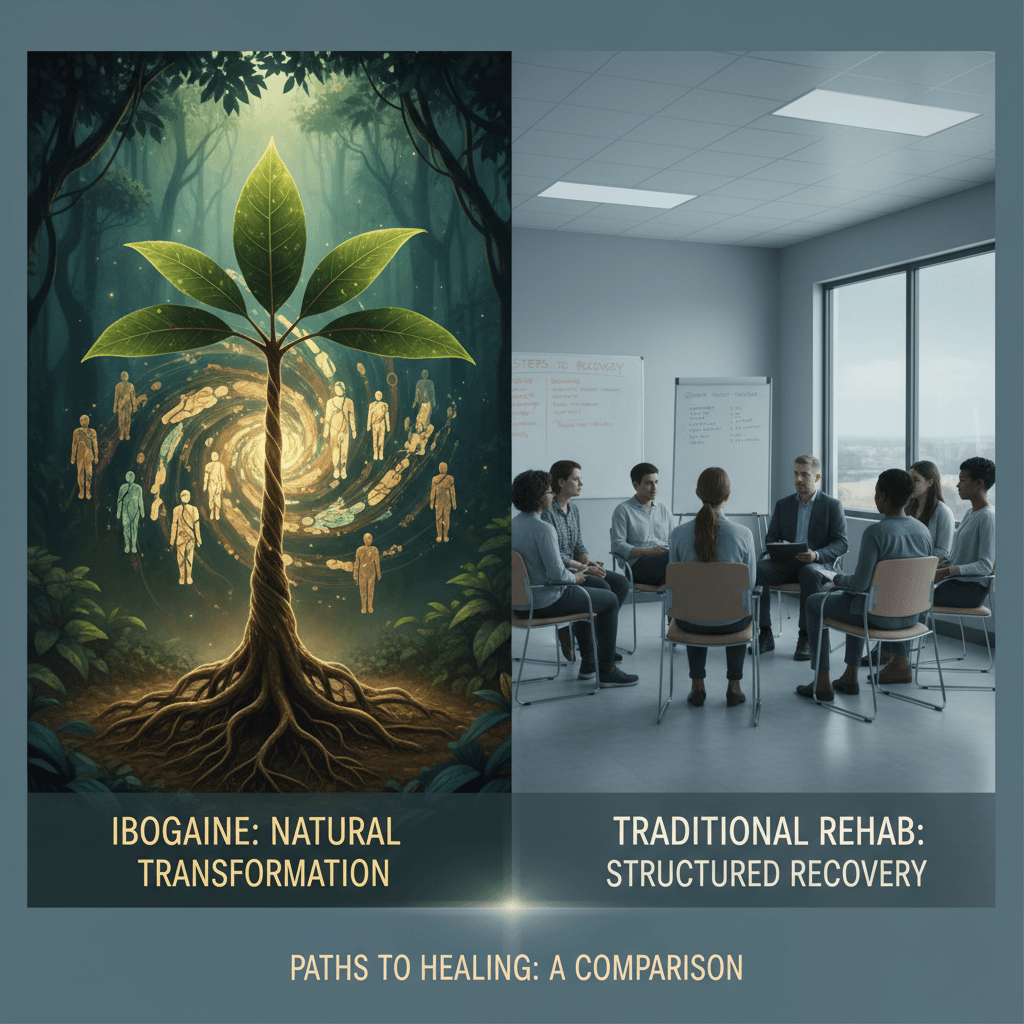
When you compare ibogaine vs rehab programs, you are really looking at two very different approaches to addiction recovery. Traditional rehab, detox centers, and Medication Assisted Treatment (MAT) focus on gradual stabilization, behavioral change, and long term support. Ibogaine therapy aims for a rapid neurochemical reset in a single or short series of sessions, often combined with an intense psychedelic experience.
Both paths have potential benefits and very real risks. To make an informed choice, you need a clear picture of how each option works, what the research shows, and what the experience and aftercare actually look like in real life.
How ibogaine treatment works
Ibogaine is a psychoactive alkaloid derived from the African plant Tabernanthe iboga. It is not FDA approved in the United States and is classified as a Schedule I substance, so people who pursue ibogaine usually travel to clinics in Mexico, Canada, or other countries where it is legal or unregulated.
Neurochemical “reset” and psychedelic experience
Ibogaine interacts with multiple neurotransmitter systems at once, including NMDA, serotonin, dopamine, and opioid receptors. This broad activity appears to interrupt withdrawal and craving and may temporarily normalize disrupted brain chemistry associated with long term substance use [1].
Its metabolite, noribogaine, seems to reset dopamine function and may reduce drug cravings for a period after treatment [2]. At the same time, ibogaine typically produces a 24 to 36 hour psychedelic experience that many people describe as vivid, introspective, and often emotionally intense [1].
You may spend much of this time in bed with eyes closed, reliving memories, processing trauma, or seeing symbolic imagery. People often report gaining insight into patterns that drive their addiction, similar in some ways to other psychedelic therapies, which you can explore further in ibogaine vs psychedelic therapy for addiction.
Evidence for withdrawal and craving reduction
Ibogaine’s most researched potential benefit is its impact on acute withdrawal and cravings, especially for opioids:
- In a 2017 survey of 88 people who received ibogaine in Mexico, 80 percent said ibogaine eliminated or greatly reduced opioid withdrawal, and 50 percent reported reduced cravings. About 25 percent felt that craving reduction lasted at least three months [3].
- Thirty percent reported never using opioids again after ibogaine. More than half of these remained abstinent for at least one year, and nearly a third stayed abstinent for two years or more. Overall, 41 percent of all participants reported more than six months of sustained abstinence at follow up [3].
- Even among those who relapsed, 48 percent said they used opioids less than before treatment, and another 11 percent eventually stopped altogether, suggesting some people transition to reduced use or delayed relapse rather than immediate return to heavy use [3].
These are encouraging outcomes, but they come from observational and survey data, not large randomized clinical trials. Outcomes are also highly variable, which is important to keep in mind when you weigh ibogaine vs rehab programs that have a more established research base.
Emerging research beyond addiction
Recent research suggests ibogaine may act as a powerful neuro rehabilitation agent, not just an anti withdrawal tool. A 2024 Stanford Medicine study followed veterans with traumatic brain injuries (TBI) who received ibogaine with magnesium at a clinic in Mexico. One month after treatment, participants reported:
- 88 percent reduction in PTSD symptoms
- 87 percent reduction in anxiety
- 81 percent reduction in depression
They also showed a drop in average disability rating from 30.2, which is mild to moderate disability, to 5.1, which indicates no disability [4]. The study noted improvements in concentration, memory, processing speed, and impulsivity that are not commonly seen in standard rehab programs [4].
While this work focused on TBI, the researchers suggested that ibogaine might also help other forms of PTSD, anxiety, and depression that can complicate addiction recovery and may not respond well to conventional care [4].
Risks and medical safety of ibogaine
Any realistic comparison of ibogaine vs rehab programs has to address safety head on. Ibogaine carries serious and sometimes life threatening risks, especially to the heart.
Cardiac and neurological risks
Ibogaine can significantly prolong the QT interval on an electrocardiogram, which increases the risk of dangerous arrhythmias. An open label study in the Netherlands gave ibogaine HCl to 14 people with opioid use disorder who had not achieved abstinence with standard care. The researchers found:
- Clinically relevant but reversible QTc prolongation in all participants, with 50 percent exceeding 500 ms, a high risk threshold
- Average maximum QTc increase of 95 ms
- Bradycardia and low blood pressure in many patients
- Severe but transient cerebellar ataxia, meaning significant loss of coordination, that resolved within 24 hours [5]
No torsades de pointes arrhythmias occurred in this monitored setting, but the authors emphasized that ibogaine should only be used under strict medical supervision and warned against underground or unsupervised use [5].
Other reviews have linked ibogaine to at least 19 deaths between 1990 and 2008, often associated with cardiac complications, pre existing heart disease, or concurrent substance use [1]. Ibogaine also blocks hERG potassium channels in the heart, which further raises arrhythmia risk and makes careful cardiac screening essential [2].
Why clinical setting and screening matter
Because of these risks, reputable ibogaine programs typically require:
- Comprehensive medical evaluation, including cardiac testing and lab work
- Tapering or discontinuation of certain medications that interact with ibogaine or affect the heart
- Continuous monitoring of heart rhythm, blood pressure, and oxygen levels during and after administration
- Immediate access to emergency medical care if complications arise
This is a very different risk profile from standard detox and rehab, which may have their own challenges but usually do not carry acute, drug specific cardiac dangers at this level.
If you are comparing ibogaine vs detox centers, you will want to look closely at whether a clinic offers hospital grade monitoring and staffing or a more retreat like setting. You can explore these differences further in ibogaine vs detox centers.
How traditional rehab programs approach recovery
Traditional rehab is a broad term that includes medical detox, inpatient and residential programs, intensive outpatient programs (IOPs), and ongoing therapy and support groups. These programs rely on a structured, phased approach that usually includes:
- Safe withdrawal management and stabilization
- Group and individual behavioral therapy
- Education about addiction, triggers, and coping skills
- Relapse prevention planning
- Ongoing aftercare and support
Strengths and limitations of standard rehab
Residential rehabs and outpatient programs are grounded in decades of research on behavioral therapies and addiction medicine. They offer a predictable day to day structure, peer support, and professional guidance. Traditional programs can also coordinate care for co occurring mental health conditions and family or social issues.
However, there are clear limitations:
- Many rehabs struggle to fully control severe withdrawal and cravings, which can make it hard for you to fully engage in therapy, especially early in treatment [6].
- Rebuilding the brain’s reward system through abstinence alone can be slow. This often leads to anhedonia, or the inability to feel pleasure, depression, and persistent cravings that raise relapse risk [6].
- Traditional programs often use a one size fits all model and can require months of attendance, which is difficult if you have work, family, or financial constraints [7].
Relapse rates remain high. Some reports estimate that 65 to 70 percent of people in traditional recovery programs relapse at some point, despite improvements in care [7]. For opioid addiction specifically, relapse rates of 40 to 60 percent are often cited, even with comprehensive treatment and aftercare [2].
Medication assisted treatment vs ibogaine
Medication Assisted Treatment (MAT) with methadone, buprenorphine, or extended release naltrexone remains a cornerstone of evidence based opioid use disorder care. When you compare ibogaine vs rehab programs, it is important to explicitly consider these medications, since they are often part of modern rehab or outpatient treatment.
How MAT works
MAT medications such as methadone and buprenorphine occupy opioid receptors in the brain. They prevent withdrawal and reduce cravings without producing the intense high and rapid cycling associated with most illicit opioid use. Over months or years, this allows the brain to stabilize while you participate in therapy and rebuild your life [1].
Retention rates can be relatively high in the short term. One review reported methadone retention of around 74 percent at 24 weeks and buprenorphine retention of 46 to 48 percent over similar periods [1].
You can explore more focused comparisons in:
- ibogaine vs methadone detox
- ibogaine vs methadone treatment
- ibogaine vs buprenorphine treatment
- ibogaine vs suboxone treatment
- ibogaine vs medication assisted treatment
- ibogaine vs detox medication treatment
Comparing outcomes and risks
When you look at success rates, both approaches show mixed but meaningful results:
- Traditional MAT and rehab have relapse rates around 40 to 60 percent for opioids, but offer extensive research backing and structured long term care [8].
- Ibogaine studies suggest about 50 percent of participants may be abstinent 30 days after treatment, dropping to around 33 percent at three months, with some maintaining abstinence for a year or more, and nearly half of those who relapse still using less than before [9].
MAT carries its own risks, such as overdose if you relapse after a period of reduced tolerance, and side effects from the medications themselves [1]. However, ibogaine’s risks include acute cardiac events and severe neurological effects that typically are not present in standard outpatient or residential programs [5].
If you are deciding between a longer term stabilization approach and a single session reset model, ibogaine vs traditional rehab and ibogaine vs medication assisted treatment can help you think through which pattern fits your situation and risk tolerance.
Ibogaine vs other psychedelic and plant based therapies
Ibogaine is part of a broader movement toward psychedelic assisted treatments in addiction and mental health care. You might also be considering ketamine therapy, psilocybin, or ayahuasca retreats as alternatives or complements to traditional rehab.
Ibogaine vs ketamine therapy
Ketamine therapy for addiction usually involves repeated low or moderate dose sessions that produce short acting psychedelic or dissociative experiences. These sessions are often paired with psychotherapy to help you integrate insights, and they may be offered in outpatient clinics or medical offices.
By contrast, ibogaine is typically administered as a single high dose session that can last more than 24 hours, often in a residential or retreat type setting, and usually outside the United States. Ibogaine’s effects on withdrawal and cravings appear more direct and substantial for opioids in the short term, while ketamine is often framed as a way to treat depression or trauma that underlie addiction.
You can examine this comparison in more depth in ibogaine vs ketamine therapy.
Ibogaine vs ayahuasca and other plant medicines
Ayahuasca is a traditional Amazonian plant medicine that combines DMT containing plants with MAO inhibitors. Ceremonies usually involve intense visions, emotional releases, and purging. Some people report significant shifts in their relationship with substances and self perception after ayahuasca retreats, but withdrawal management is not the primary focus.
Ibogaine, on the other hand, directly targets acute withdrawal and craving, particularly for opioids, while also providing a visionary and introspective state. Both ibogaine and ayahuasca can help you process trauma, question long held habits, and reconsider your life story. However, neither is risk free, and both typically operate outside standard medical systems.
You can compare these paths in ibogaine vs ayahuasca for addiction.
Speed, cost, and commitment
When you are weighing ibogaine vs rehab programs, two very practical questions usually emerge: How fast does each option work, and what does it cost in time and money?
Duration and intensity
Traditional rehab programs usually last weeks to months:
- Inpatient or residential stays may run 30 to 90 days or more
- Outpatient therapy can extend for many months or years
- MAT may be indefinite, with gradual tapering if and when appropriate
This longer duration provides extensive support but requires a significant time commitment, which can affect work, family life, and finances. The process can also feel slow, especially if you are still fighting strong cravings.
Ibogaine is often completed in a single main dosing session, plus a few days of pre assessment and post treatment monitoring. Many people report a dramatic shift in withdrawal and cravings within days [7]. However, aftercare is still crucial. Without solid integration and support, the risk of relapse remains significant.
Cost comparison
Costs vary widely, but some patterns are consistent:
- Ibogaine treatments in places like the Bahamas or Mexico often range from 10,000 to 15,000 USD for a 7 to 10 day program that includes lodging and some aftercare support [1].
- Traditional inpatient rehab can cost 25,000 to 50,000 USD for 30 days, not including step down care or extended outpatient programs [1].
- Traditional rehab and MAT are more likely to be covered by insurance within the United States, while ibogaine therapy usually is not, since it is not FDA approved [2].
Ibogaine may appear less expensive if it works well the first time, but you still need to factor in travel, time off work, and the potential need for follow up treatments or ongoing therapy. Traditional rehab costs more up front but includes structured care and aftercare baked into the price in many cases.
What ibogaine can and cannot replace
It can be tempting to think of ibogaine as a one time cure that might replace months or years of rehab and treatment. The current evidence does not fully support that idea, and most experts view ibogaine as a potential catalyst or accelerator, not a complete replacement for ongoing care.
Where ibogaine may offer an advantage
Ibogaine appears to offer distinct benefits in a few key areas:
- Rapid and significant reduction of opioid withdrawal symptoms in many patients
- Short term craving reduction that can last weeks to months for some people
- A window of increased neuroplasticity, or brain adaptability, which may enhance the impact of therapy and lifestyle changes after treatment [6]
- Potential for deep psychological insight and trauma processing, similar to other psychedelic assisted approaches [8]
Some authors describe ibogaine as initiating active neurological repair, including healing damaged dopamine receptors and restoring aspects of the brain’s reward system, something traditional detox does not directly address [6].
What still needs to be in place
Even if ibogaine provides powerful relief and insight, it does not automatically give you:
- New coping skills and behavioral patterns
- A sober support network and accountability
- Solutions to housing, employment, or legal issues
- Ongoing management of mental health conditions
This is where traditional rehab models and therapy remain essential. Ibogaine can help you feel ready to engage, but you still need a solid plan for aftercare. Many people who do best combine ibogaine with therapy, support groups, or even MAT in a carefully managed way, rather than choosing one approach in isolation.
For a more systematic look at how ibogaine and standard programs line up across multiple dimensions, you might find ibogaine vs traditional rehab helpful.
Ibogaine is often best viewed not as a stand alone cure, but as a powerful, high risk intervention that may jump start change. Long term recovery still depends on what you do with the clarity and stability you gain in the weeks and months that follow.
Choosing the right path for you
When you evaluate ibogaine vs rehab programs, it can help to ask yourself a few key questions:
- What substances are you using, and how severe is your dependence?
- How have you responded to previous treatments, such as detox, rehab, or MAT?
- Do you have any known heart conditions or other medical issues that might increase ibogaine risk?
- How much structure, community, and long term support do you need to feel safe and accountable?
- Are you prepared for intensive psychological work and potentially challenging psychedelic experiences?
- What are your financial and time constraints, including insurance coverage and ability to travel?
If you are drawn to psychedelic assisted approaches, you might also want to compare ibogaine vs ketamine therapy and ibogaine vs psychedelic therapy for addiction to understand how different medicines, dosing schedules, and settings align with your needs.
Ultimately, there is no single “best” treatment that fits everyone. Ibogaine offers a rapid and potentially profound intervention with significant medical risks and limited regulatory oversight. Traditional rehab and MAT provide slower, more incremental progress with stronger research support and broader availability, but they can still leave you vulnerable to relapse.
By understanding how each option works, what the evidence actually shows, and what you realistically need in terms of safety and support, you can move toward a recovery plan that is both hopeful and grounded.